Top 20 Castles in Thuringia
Castles in Thuringia are situated across a landscape featuring the Thuringian Forest and the Saale Valley. This German state is known for its historical and cultural significance, with many castles reflecting centuries of architectural development. The region's topography, characterized by hills and valleys, provides natural settings for these historical structures. Thuringia offers a diverse range of castles, from medieval fortresses to Baroque palaces.
Best castles in Thuringia
- The most popular castles is Hohnstein Castle Ruins (HWN 98), a castle…
Last updated: September 12, 2026
Wartburg Castle
Highlight • Castle
Showing Translation
Tip by

View of the Wartburg from Marienblick
Highlight • Viewpoint
Translated by Google •
Tip by

Sign up now to discover places like this
Get recommendations on the best single tracks, peaks, & plenty of other exciting outdoor places.
Hohnstein Castle Ruins (HWN 98)
Highlight • Castle
Translated by Google •
Tip by

Kyffhäuser Monument
Highlight • Monument
Translated by Google •
Tip by

Mühlburg (Thuringia Stamp Station 425)
Highlight • Castle
Translated by Google •
Tip by

Lobdeburg Castle Ruins
Highlight • Castle
Translated by Google •
Tip by

Carl Alexander Bridge
Highlight • Bridge
Translated by Google •
Tip by

View of the Dornburg Palaces
Highlight • Viewpoint
Showing Translation
Tip by

Altenstein Castle
Highlight • Castle
Translated by Google •
Tip by

Gleichen Castle
Highlight • Castle
Translated by Google •
Tip by

Sign up for free to discover even more castles in Thuringia.
Already have an account?
Start today with a free account
Your next adventure awaits.
Popular around Thuringia
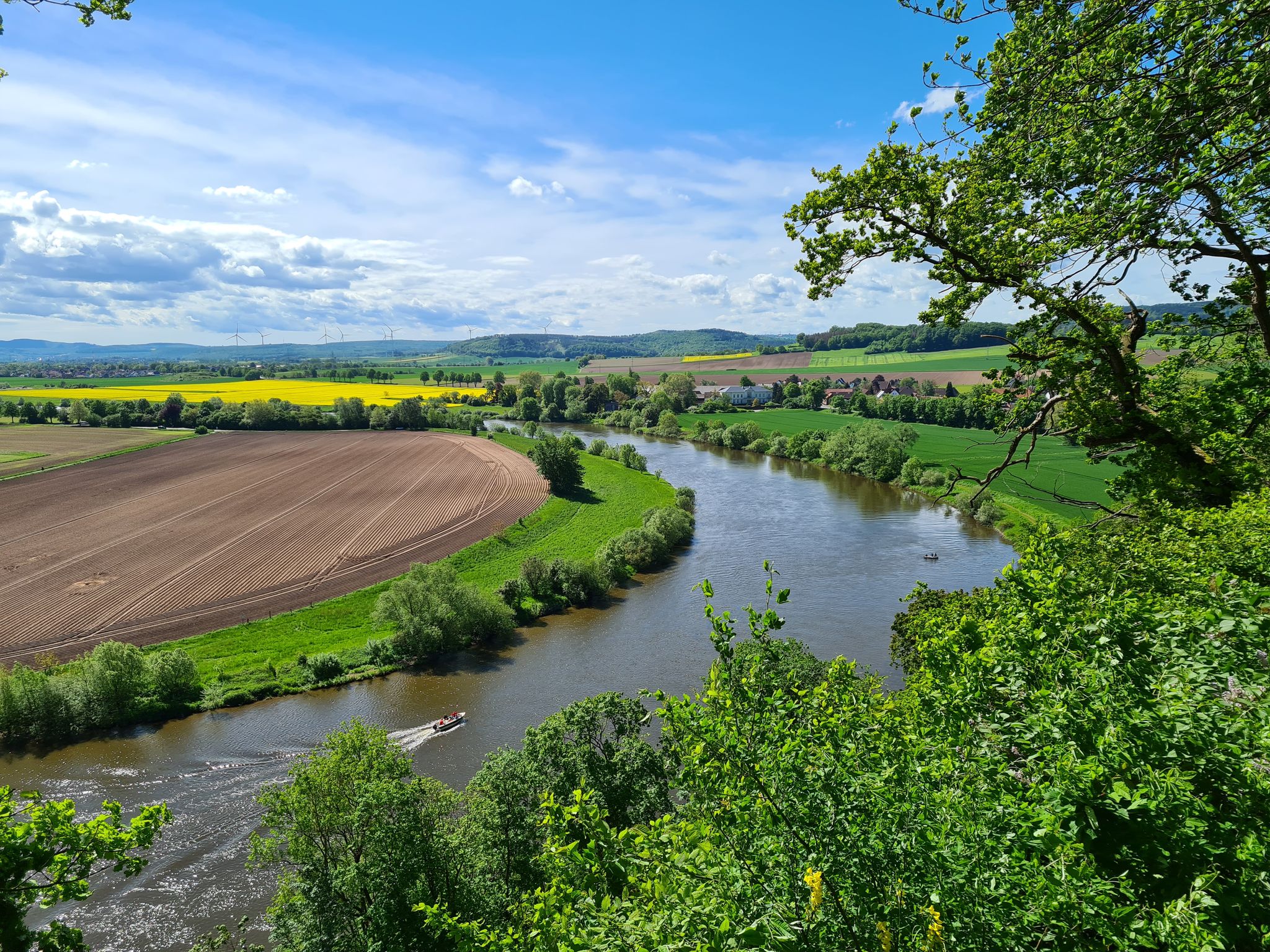
Loccum-Volkenroda pilgrim's way – From monastery to monastery
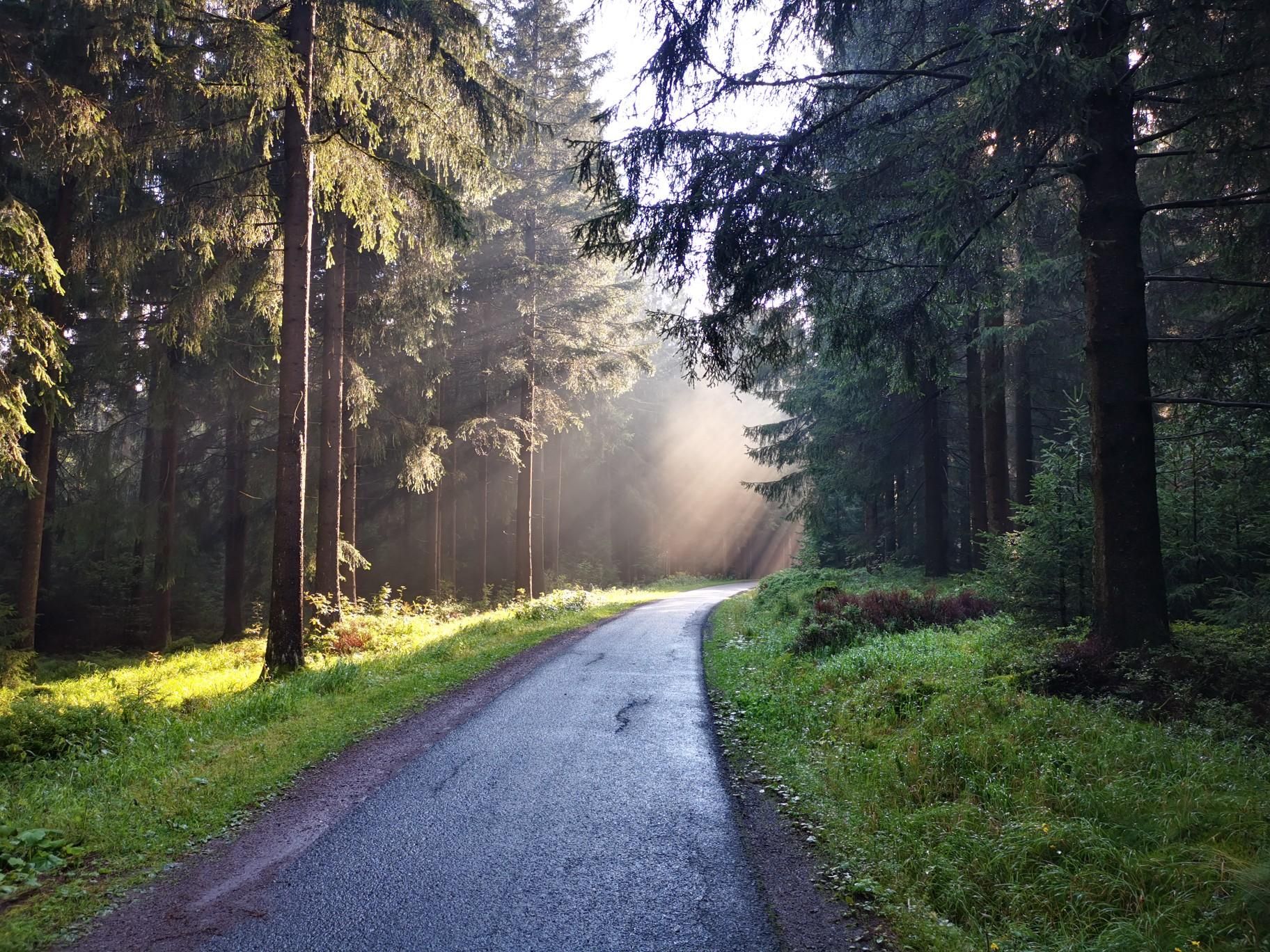
Nuremberg to Erfurt – Discover the German countryside by bike
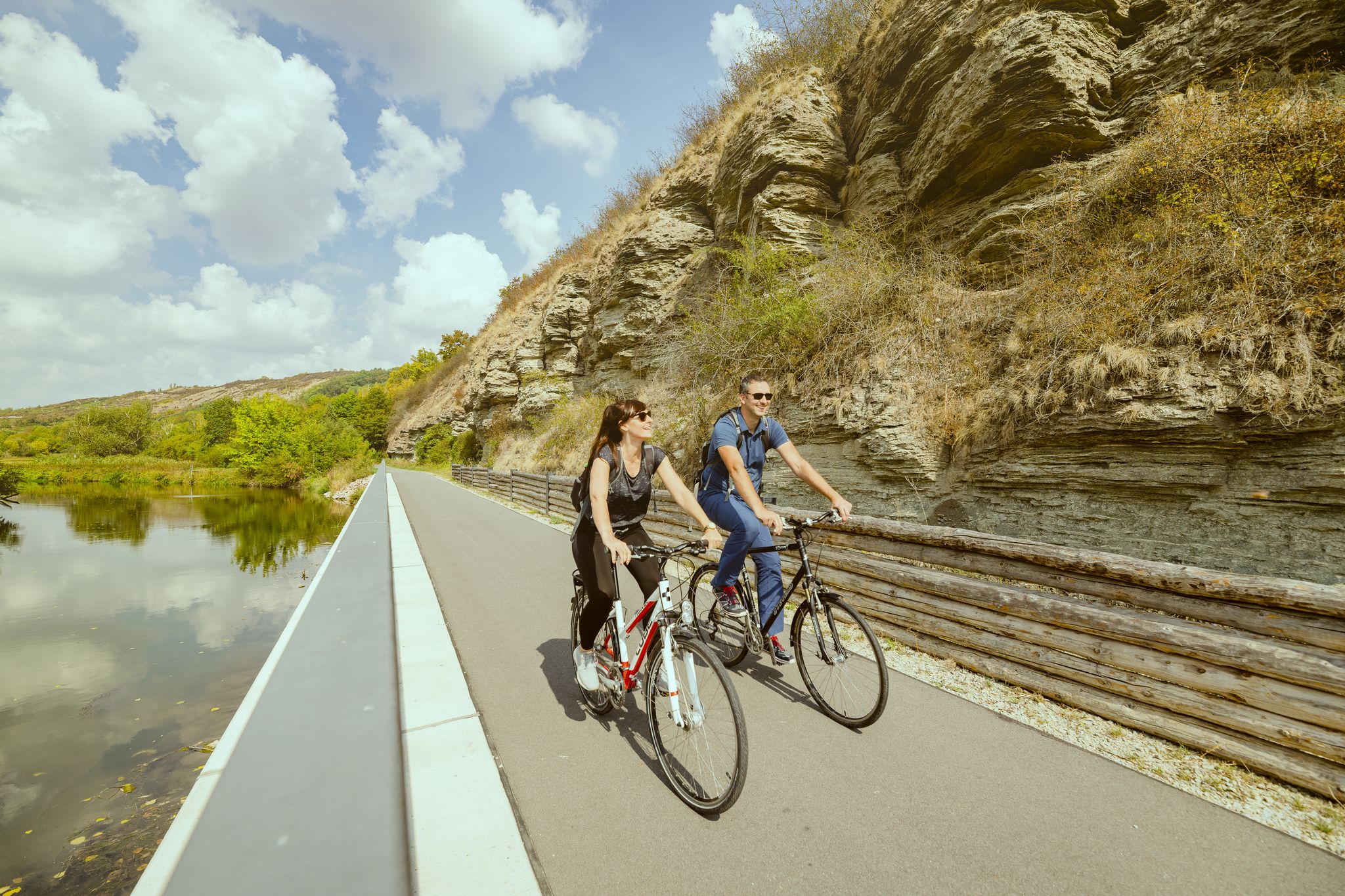
Unstrut Cycle Path – from the source in Eichsfeld to the River Saale
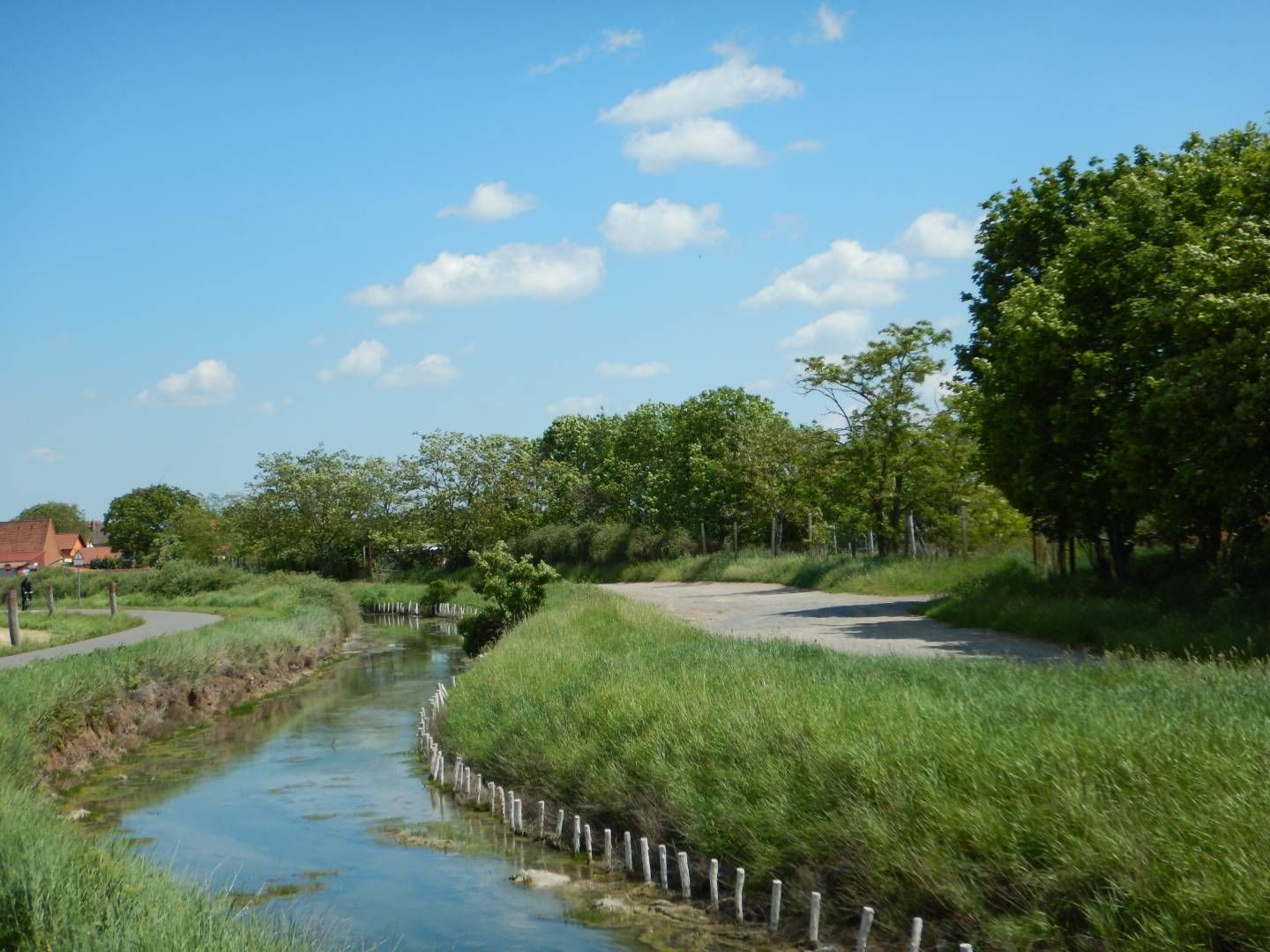
Unstrut-Werra Cycle Path – Ride through the middle of Germany
Karst Trail in Germany's Southern Harz Mountains – Where Water Meets Limestone
Feengrotten Kyffhäuserweg – Hike Germany's trail
The Saalehorizontale – Germany's most beautiful hiking trail 2023
Saale Cycle Path part 2 – culture and nature along the river
Saale Cycle Path part 1 – four sporty stages through the Thuringian Forest
Rhön Cycleway in Germany – Cycling in the Land of Open Distances
Other adventures in Thuringia


Tips from the Community

Very beautiful castle ruins with free admission. There's also an observation tower. From the top, you can get a great view of the entire surrounding area and the ruins. There's also a stamp station here. The route to the castle is strenuous if you're traveling by bike.
9
0

The ruins of Lobdeburg Castle are among the most impressive and best-preserved Romanesque secular buildings in Thuringia. They are also among the most important cultural monuments in the territory of the independent city of Jena and represent an important local recreation destination for the people of the surrounding area.
18
0

The castle well of the Kyffhäuser Monument is the deepest castle well in the world with a depth of 176 meters. It was driven into the rock between 1130 and 1170 and served to supply water to the castle residents. The water level remains constant at 9 meters, fed by seepage water. Modern camera movements allow visitors to look to the bottom of the well and gain a fascinating insight into medieval engineering. An absolute highlight of a visit to the Kyffhäuser Monument!
11
0

The well on the Kyffhäuser is the deepest castle well in the world. The depth is about three times the height of the memorial tower. The well pipe has a diameter of just over 2 meters. The well is fed by seepage water, so it is not groundwater. It is believed that the well was driven into the rock between 1130 and 1170. At that time it served to supply water to the castle residents. A recent analysis has confirmed that the sample taken was of the highest drinking water quality.
19
0

From here you have a great view of the Dornburg castles and the panoramic path directly in front of them.
4
0


I was very impressed by this perspective!
4
0

Lobdeburg was first mentioned in 1166. The castle was most likely built by the Lords of Auhausen, appointed by the emperor as ministerials, who named the castle after the town of Lobeda. One reason for this was probably the good experiences that the emperor had already had with other ministerials in the area who belonged to the family group. Shortly afterwards, the branch of the family that lived here called itself “von Lobedeburg”. The construction of the castle was completed in 1185. As a result of the Vogtland War of 1354–57, the imperial rule of the Lobdeburgers came under the suzerainty of the Wettins in 1358. In 1450, Duke Wilhelm of Saxony conquered the castle in the Saxon Civil War. The Puster family owned the castle until 1591. The complex then began to fall into disrepair and the stones were used, among other things, to build the Saale Bridge near Burgau. Source: Wikipedia
25
0
Frequently Asked Questions
What are some historically significant castles in Thuringia?
Thuringia is home to several castles with deep historical roots. Wartburg Castle, a UNESCO World Heritage Site, is renowned for its connections to Saint Elisabeth of Hungary and Martin Luther. Friedenstein Castle in Gotha is an early Baroque palace that was never destroyed, preserving its original layout and collections. Leuchtenburg Castle, often called the 'Queen of the Saale Valley,' has over 800 years of history, serving various roles from noble seat to prison.
Are there castles in Thuringia that are particularly family-friendly?
Yes, several castles in Thuringia offer great experiences for families. Wartburg Castle is listed as family-friendly, offering a rich historical experience. The Hohnstein Castle Ruins are easily accessible and provide an impressive backdrop for exploration. The Kyffhäuser Monument, which includes castle elements, is also noted as family-friendly, as is Altenstein Castle.
What unique features can I find at Thuringian castles?
Thuringian castles offer diverse and unique features. Leuchtenburg Castle is famous for its award-winning 'Porcelain Worlds' exhibition and the 'Skywalk of Wishes,' where visitors can hurl porcelain plates into the valley for good luck. Friedenstein Castle houses the Ekhof-Theater, one of Germany's oldest operational theaters with original Baroque stage machinery. The Dornburg Castles are unique for their ensemble of three distinct palaces—the Old, Rococo, and Renaissance Castles—each representing a different architectural style.
What outdoor activities can I do near Thuringian castles?
Many castles in Thuringia are surrounded by beautiful landscapes perfect for outdoor activities. Near castles like Wartburg Castle, you can find numerous hiking trails, including the 'Luther Trail – around Wartburg Castle.' The region offers a variety of mountain hikes, general hikes, and MTB trails. For more detailed routes, explore the Hiking in Thuringia or Mountain Hikes in Thuringia guides.
Are there hiking trails that connect multiple castles in Thuringia?
Yes, Thuringia is known for its 'Drei Gleichen' (Three Gleichen) ensemble, which includes Gleichen Castle, Mühlburg, and Wachsenburg. These three ruined castles are situated close to each other, making them ideal for a scenic hike that connects historical sites. The region also features routes like the 'Thuringian Castle Road' which allows for exploration of multiple castles.
What is the best time of year to visit Thuringian castles?
The best time to visit Thuringian castles largely depends on your preferences. Spring and autumn offer pleasant temperatures for exploring the castle grounds and surrounding nature, with vibrant foliage in autumn. Summer provides longer daylight hours and often hosts cultural events. While some castles may have reduced hours or closures, visiting in winter can offer a magical, less crowded experience, especially if there's snow.
Can I reach Thuringian castles using public transport?
Many Thuringian castles are accessible by public transport, though some may require a combination of train/bus and a short walk. For instance, Wartburg Castle is near Eisenach, which has good train connections, and local buses or a shuttle can take you closer to the castle. It's advisable to check specific routes and schedules for each castle you plan to visit.
Are there any castles in Thuringia with good viewpoints?
Absolutely. Many castles in Thuringia are strategically located on hillsides, offering spectacular views. Wartburg Castle provides panoramic views of the Thuringian Forest. Leuchtenburg Castle offers breathtaking vistas of the Saale Valley and distant Harz Mountains from its keep. The View of the Dornburg Palaces also provides scenic overlooks of the Saale Valley.
What are the opening hours and admission fees for Thuringian castles?
Opening hours and admission fees vary significantly between castles. For example, the exterior of Wartburg Castle is free to explore, but guided tours of the interior cost 7.00 euros (as of 2018). The Gleichen Castle is typically open from April to October, 10:00 AM to 6:00 PM, with an admission of 3.00 euros (as of 2018). It's always best to check the official websites of individual castles for the most current information before your visit.
Are there dining options or cafes near Thuringian castles?
Many castles or their immediate vicinity offer dining options. For instance, Wartburg Castle has a cafe and a castle shop. Just below the Hohnstein Castle Ruins, there is a very good restaurant. The Lobdeburgklause, a tavern with a beer garden, is located below the Lobdeburg Castle Ruins. For other castles, you'll often find restaurants or cafes in nearby towns or villages.
What is the oldest castle in Thuringia?
The Mühlburg, part of the Drei Gleichen ensemble, is considered the oldest castle in Thuringia. It is a significant historical site that, along with Gleichen Castle and Wachsenburg, forms one of Germany's most famous castle groups.
Are there any castles in Thuringia that are UNESCO World Heritage Sites?
Yes, Wartburg Castle was inscribed on the UNESCO World Heritage List in 1999. It is recognized for its quintessential medieval architecture and its profound historical and religious significance, particularly as the place where Martin Luther translated the New Testament into German.
Most popular routes in Thuringia
Most popular attractions in Thuringia

Get inspired with the komoot mobile app


Didn’t find what you were looking for?
Explore Thuringia’s best castles region by region:
Explore more
Looking for the best castles somewhere else? Discover other guides in Thuringia:
