Top 20 Caves in Thuringia
Best caves in Thuringia are found in a region known as the "green heart of Germany," offering diverse underground experiences. This area features unique geological formations and historical insights within its natural landscape. Thuringia's terrain includes forests, hills, and river valleys, providing varied settings for cave exploration. The region's geological history has created a range of subterranean wonders for visitors to discover.
Best caves in Thuringia
- The most popular caves is Goethe Cave at Hermannstein, a cave that was…
Last updated: September 12, 2026
Fairy grotto
Highlight • Waterfall
Translated by Google •
Tip by

Burnt Stone Tunnel
Highlight • Cave
A tunnel steeped in history, after which an incredibly beautiful view opens up. Be sure to take a break and enjoy the view.🥰
Translated by Google •
Tip by

Sign up now to discover places like this
Get recommendations on the best single tracks, peaks, & plenty of other exciting outdoor places.
Goethe Cave at Hermannstein
Highlight • Cave
Translated by Google •
Tip by

Lauchagrund near the Kaminwand
Highlight • Gorge
Translated by Google •
Tip by

Backofenloch Cave
Highlight • Cave
Translated by Google •
Tip by

Torstein Rock Arch
Highlight • Natural Monument
Translated by Google •
Tip by
Marienglashöhle Friedrichroda
Highlight • Cave
Translated by Google •
Tip by

Bridge over the Ilm
Highlight • Cave
Showing Translation
Tip by

Ludwigsklamm and Ludwig Grotto Waterfall
Highlight (Segment) • Gorge
Translated by Google •
Tip by
Rock Castle
Highlight • Castle
Translated by Google •
Tip by
Sign up for free to discover even more caves in Thuringia.
Already have an account?
Start today with a free account
Your next adventure awaits.
Popular around Thuringia
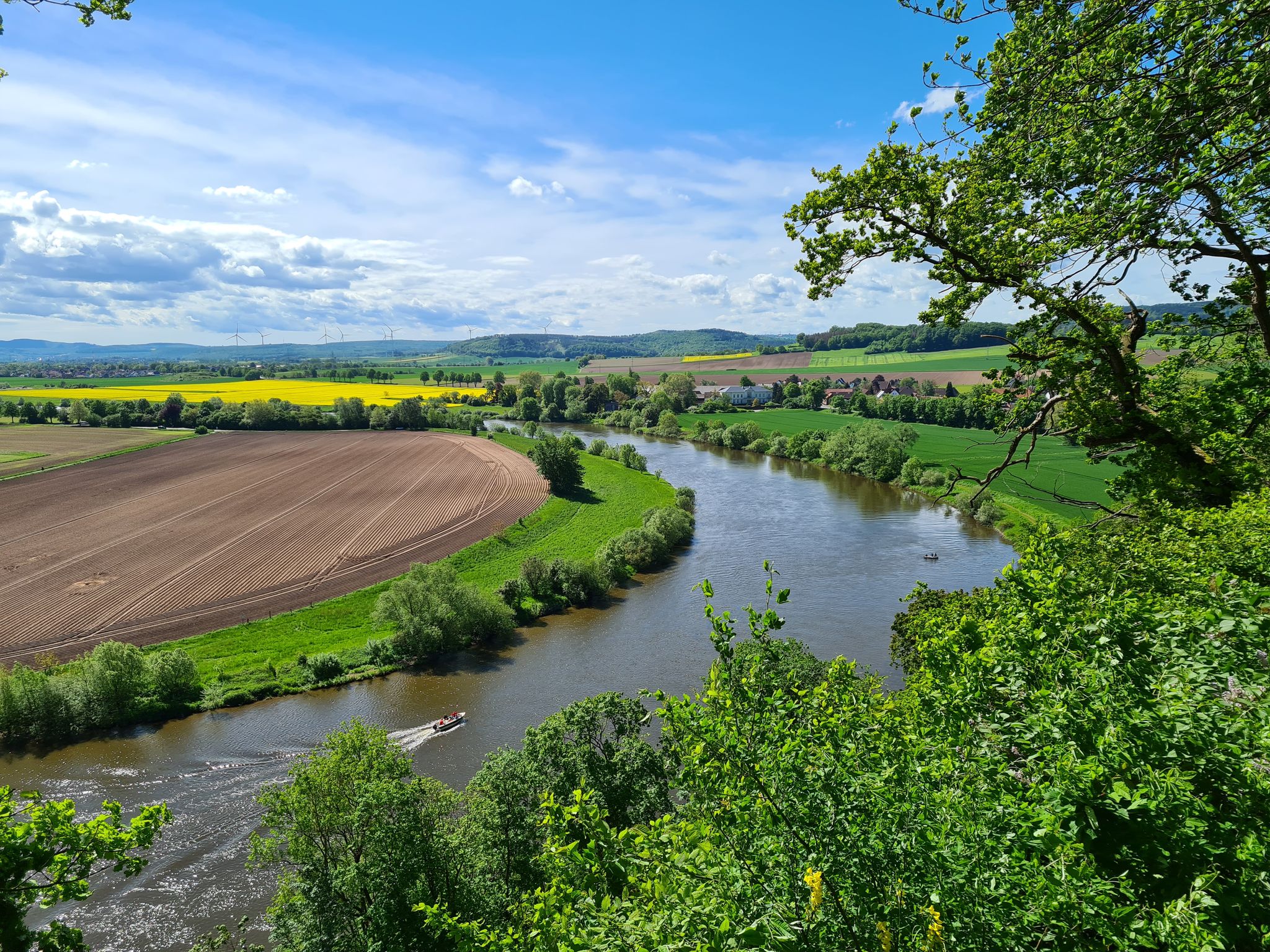
Loccum-Volkenroda pilgrim's way – From monastery to monastery
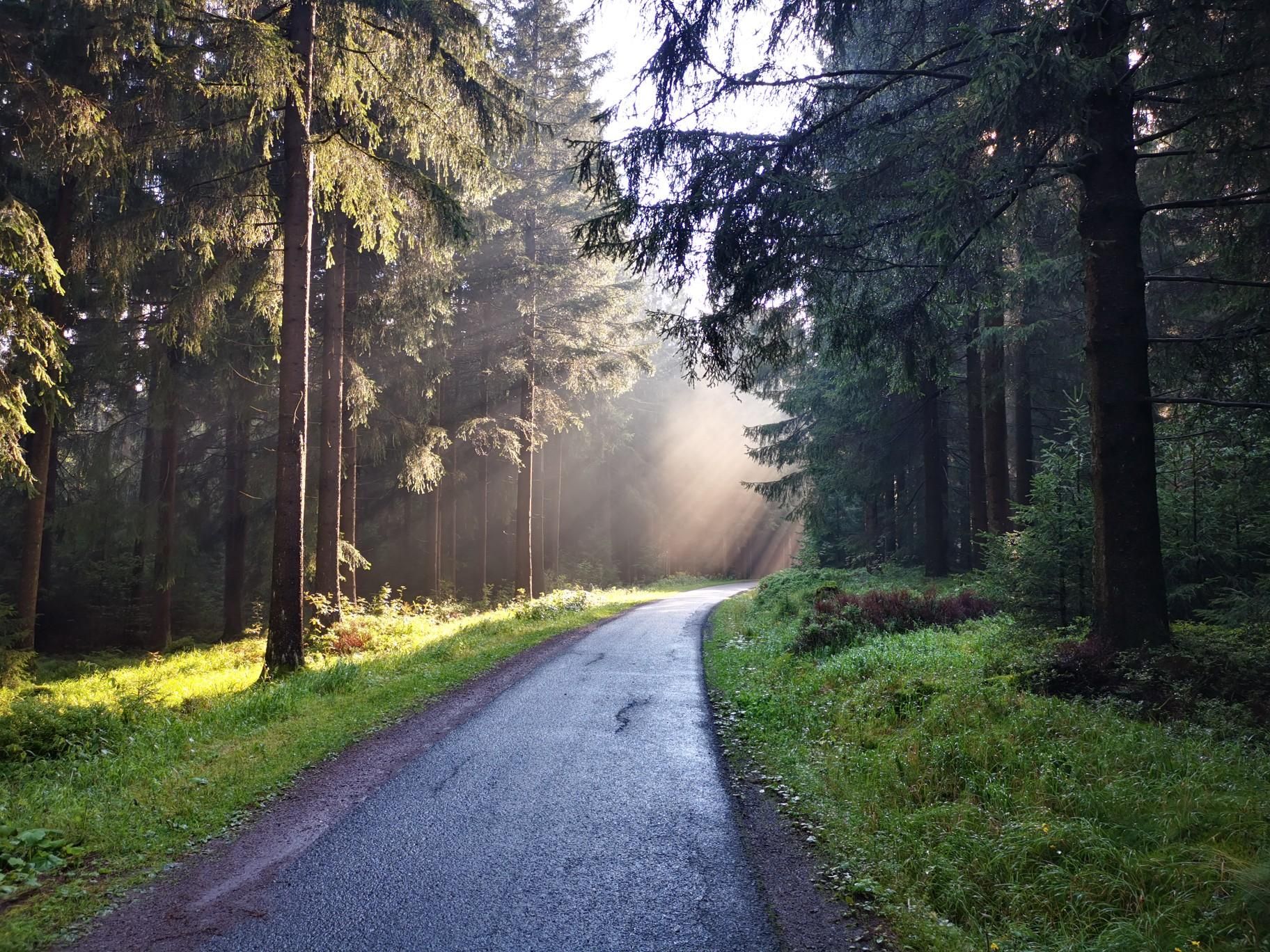
Nuremberg to Erfurt – Discover the German countryside by bike
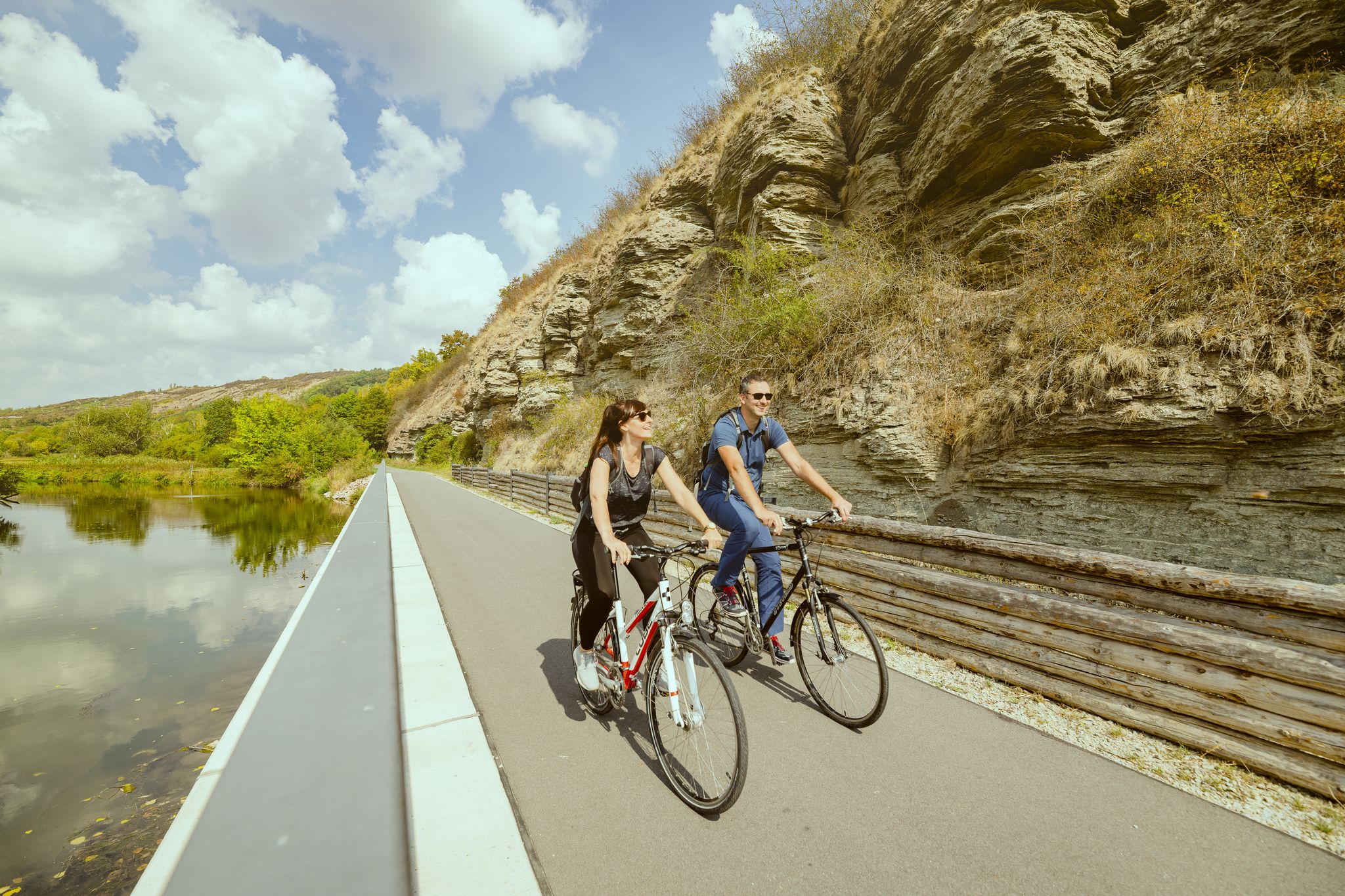
Unstrut Cycle Path – from the source in Eichsfeld to the River Saale
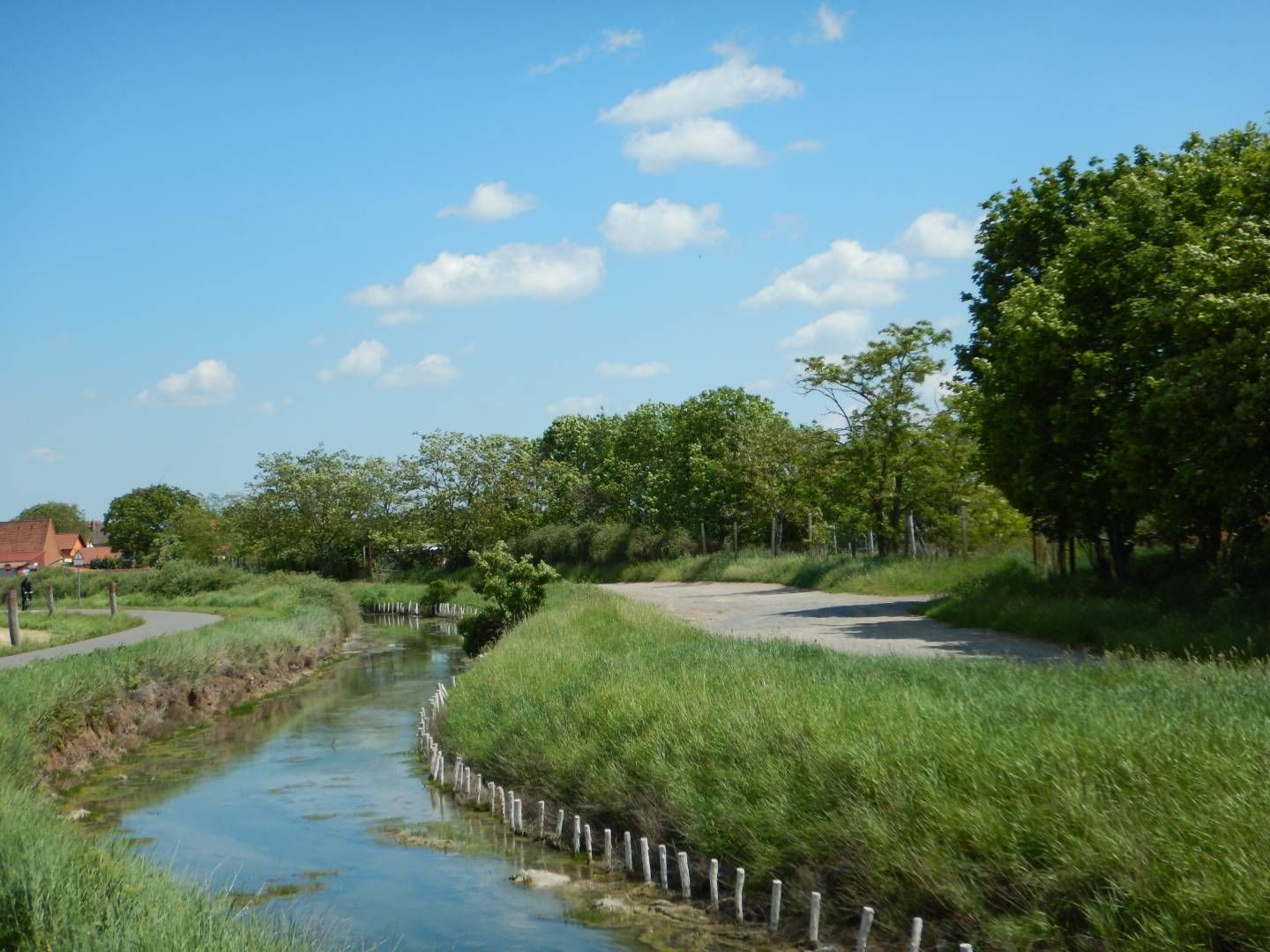
Unstrut-Werra Cycle Path – Ride through the middle of Germany
Karst Trail in Germany's Southern Harz Mountains – Where Water Meets Limestone
Feengrotten Kyffhäuserweg – Hike Germany's trail
The Saalehorizontale – Germany's most beautiful hiking trail 2023
Saale Cycle Path part 2 – culture and nature along the river
Saale Cycle Path part 1 – four sporty stages through the Thuringian Forest
Rhön Cycleway in Germany – Cycling in the Land of Open Distances
Other adventures in Thuringia


Tips from the Community

This immense area is more than just a lovely resting place. The area is part of the Thuringian Forest, which is geologically rich in diverse rock formations. It lies not far from the Marienglas Cave, a mine where gypsum was once mined.
14
0

A look inside would be interesting, the mighty shell limestone cliff immediately captivates you.
9
0

Without rain it is a gentle trickle, with heavy rain it also becomes a waterfall.
0
0

Information about opening hours.
23
1

Yes, the Marienglashöle is a beautiful destination.
7
0

A very popular excursion destination. The very beautiful and large crystal cave can be visited with guided tours. Cave concerts are also held here regularly. They are impressive due to the special acoustics. Dates can be found at the Friedrichroda tourist information office.
12
0

Simply beautiful, nothing more can be said.
2
0

The oven holes resemble historical stone ovens. Their origin is unclear, but two possible theories exist: They could be former lava tunnels, or they were formed by water erosion. And of course these geological beauties made it into the world of legends. Namely with the legend of a mountain giant. Source: https://www.tourismus-thueringer-wald.de/aktiv/backofenloecher-und-torstein-bad-tabarz
14
0
Frequently Asked Questions
Which caves in Thuringia are particularly suitable for families with children?
Several caves in Thuringia offer family-friendly experiences. The Saalfeld Fairy Grottoes are known for interactive exhibits at the Grottoneum Adventure Museum and special family tours. The Marienglashöhle Friedrichroda and the Barbarossa Cave are also categorized as family-friendly, offering accessible and engaging tours for all ages.
What unique geological features can be found in Thuringia's caves?
Thuringia's caves boast diverse geological wonders. The Saalfeld Fairy Grottoes are famous for their vibrant stalactite and stalagmite formations, often called 'the most colorful show grottoes in the world.' The Marienglashöhle Friedrichroda features an impressive large crystal cave with sparkling gypsum crystals. The Barbarossa Cave is a geological rarity, being one of only two show caves globally made of anhydrite rock, displaying a unique multi-layered play of colors. The Dwarf Cave offers insights into a fossilized limestone sea with a rushing cave creek.
Are there any historical caves or mining tunnels to explore in Thuringia?
Yes, Thuringia has a rich history of mining and historical caves. The Goethe Cave at Hermannstein is a historical site often visited by Johann Wolfgang von Goethe, believed to have been carved as a guardhouse in the Middle Ages. The Burnt Stone Tunnel is a medieval tunnel, about 20 meters long, created to facilitate wood removal. The Saalfeld Fairy Grottoes are former alum slate mines, and the Marienglashöhle Friedrichroda originated from gypsum and copper mining.
What is the best time of year to visit the caves in Thuringia?
Many caves in Thuringia, such as the Saalfeld Fairy Grottoes, maintain a constant underground temperature, making them pleasant to visit year-round. However, some natural caves like the Dwarf Cave are closed in winter (from October to April) to protect hibernating bats and dormice. It's always advisable to check specific opening hours before planning your visit.
Are there opportunities for adventure caving or more natural cave experiences in Thuringia?
For a more adventurous and natural experience, the Dwarf Cave (Zinselhöhle) near the Thuringian-Bavarian border offers insights into a fossilized limestone sea. Visitors can walk through a cave creek, and guided tours are available from May to September, with necessary equipment provided. This cave focuses on the raw forces of nature and the genesis of a karst cave.
What kind of outdoor activities can I do near the caves in Thuringia?
The region around Thuringia's caves offers a variety of outdoor activities. You can find numerous cycling routes, including touring and gravel biking, with options like the 'Tour of the National Park' or 'Gravel tour to the Hohenfelden reservoir.' For hikers, there are mountain hikes such as the 'Torstein Rock Arch' or the 'Backofenloch Cave loop.' Explore more options in the Cycling in Thuringia, Gravel biking in Thuringia, and Mountain Hikes in Thuringia guides.
Are there any caves in Thuringia known for their unique atmosphere or events?
The Marienglashöhle Friedrichroda is renowned for its unique acoustics and regularly hosts concerts, ranging from Irish folk to Gregorian chants, making for an impressive underground experience. The Saalfeld Fairy Grottoes also offer a magical atmosphere with their vibrant colors and light displays.
What do visitors particularly enjoy about the caves in Thuringia?
Visitors frequently praise the unexpected beauty and unique geological formations. For instance, the Fairy grotto is described as a 'fairytale-like Elf Grotto' with a small waterfall and ferns, offering a refreshing oasis. The Burnt Stone Tunnel is appreciated for its historical significance and the beautiful views it opens up. The overall sentiment highlights the awe-inspiring natural spectacles and historical insights offered by these underground wonders.
Are there any caves in Thuringia that are part of a larger park or natural area?
Yes, several caves are integrated into broader natural landscapes. The Park Cave and the Nadelöhr are located within the Park on the Ilm, offering a blend of natural and man-made beauty. The Ludwigsklamm and Ludwig Grotto Waterfall are found within a protected landscape area in the Johannistal valley, providing an idyllic setting with moss-covered rocks and a small waterfall.
Can I find caves that are less crowded than the main tourist attractions?
While popular caves like the Saalfeld Fairy Grottoes attract many visitors, some spots offer a quieter experience. The Ludwigsklamm and Ludwig Grotto Waterfall are noted as being more familiar to locals and considerably quieter than other gorges in the region, providing a peaceful alternative for exploration.
Are there any caves in Thuringia that offer health benefits?
The Saalfeld Fairy Grottoes house Germany's oldest healing gallery. The air within these former mines is dust, allergen, pollen, and germ-free, and is believed to improve respiratory function and strengthen the immune system, offering a unique therapeutic benefit to visitors.
Most popular routes in Thuringia
Most popular attractions in Thuringia

Get inspired with the komoot mobile app


Didn’t find what you were looking for?
Discover more caves in Thuringia region by region:
Explore more
Extend your search for the best caves by checking out these guides of the top ones in Thuringia:
