4.3
(1439)
9,539
자전거 타는 사람
380
라이딩
마스브라흐트에 있는 멋진 산악자전거 라이딩 경로를 따라 어디로 가 볼까요? 마스브라흐트에 있는 MTB 경로 컬렉션 중에서 가장 멋진 장소를 아래에서 살펴보세요.
마지막 업데이트: 4월 7, 2026
4.8
(217)
1,070
자전거 타는 사람
32.1km
02:07
50m
50m
보통 산악 자전거 타기. 좋은 체력 필요. 뛰어난 라이딩 실력이 필요함.
4.0
(5)
91
자전거 타는 사람
62.8km
03:57
110m
110m
보통 산악 자전거 타기. 좋은 체력 필요. 실력과 관계없이 누구나 갈 수 있음.
무료 회원 가입
4.6
(17)
95
자전거 타는 사람
52.3km
02:53
130m
130m
보통 산악 자전거 타기. 좋은 체력 필요. 실력과 관계없이 누구나 갈 수 있음.
5.0
(3)
237
자전거 타는 사람
63.6km
04:26
370m
370m
보통 산악 자전거 타기. 좋은 체력 필요. 뛰어난 라이딩 실력이 필요함.
4.4
(7)
56
자전거 타는 사람
33.5km
02:15
60m
60m
보통 산악 자전거 타기. 좋은 체력 필요. 실력과 관계없이 누구나 갈 수 있음.
더 다양한 경로와 다른 탐험가들의 추천을 살펴보세요.
무료 회원 가입
이미 komoot 계정이 있나요?
투어 추천은 다른 사람들이 komoot에서 완료한 수천 개의 활동을 바탕으로 구성되어 있습니다.
오늘 무료 계정으로 시작하세요
다음 모험이 기다리고 있어요.
로그인 또는 가입하기
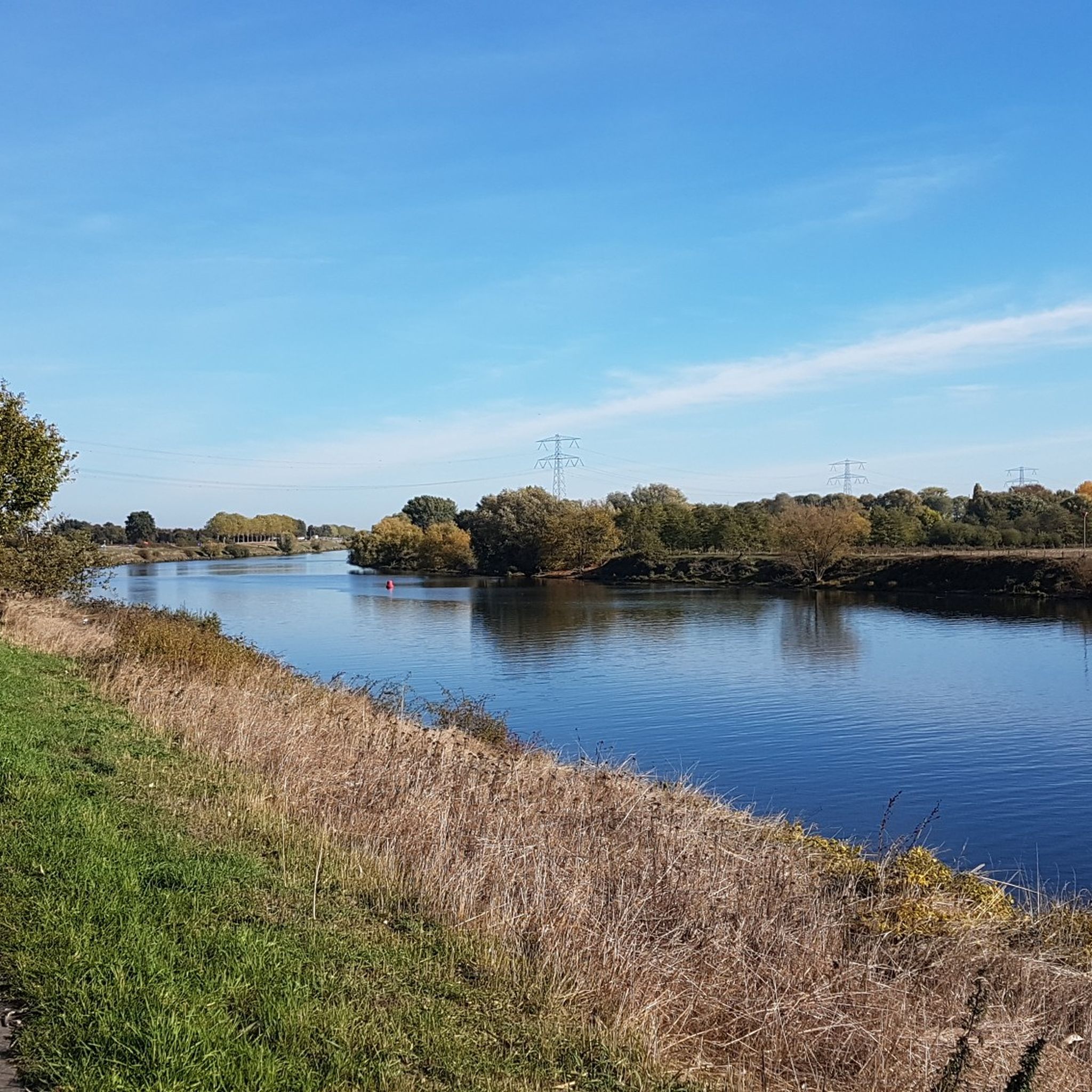
Along the banks of the Meuse River in Roermond, traces of the city's industrial past still lie. One of these is an old industrial jetty, a robust, functional structure that once played a vital role in the transshipment of raw materials and goods via the river. Although such jetties often no longer serve an active function, they still tell the story of a time when the Meuse was the economic lifeblood of the region. Roermond developed significantly from the 19th century onwards thanks to the improved navigability of the Meuse. With the canalization of the river and the construction of locks and weirs, shipping became more reliable and intensive. Industrial companies established themselves along the water to make optimal use of ship transport. A jetty was essential in this regard, and cargo ships moored here to load and unload coal, gravel, sand, building materials, or agricultural products. The typical industrial jetty consisted of a combination of heavy steel or concrete structures, bollards for mooring ships, and sometimes rails or cranes for moving goods directly from the quay. In some cases, a narrow-gauge or industrial railway line extended all the way to the water, allowing freight to be efficiently transported to factories or warehouses further inland. The Meuse served as a transport corridor to cities like Venlo, Maastricht, and beyond to Belgium. With the rise of road freight transport and the expansion of modern inland ports, smaller industrial jetties gradually lost their function. What remains is often a weathered steel and concrete structure, sometimes partially overgrown, sometimes still clearly recognizable as a quay or mooring. These sites now have an almost nostalgic feel and serve as a tangible reminder of Roermond's industrial era and the economic dynamism along the river.
0
0
In this small wooded area, you'll find colorful gnomes every few meters. Highly recommended for families with young children.
0
0
The Vismarkt (Fish Market) in Roermond is one of the oldest and most characteristic places in the historic city center. As the name suggests, this square was traditionally the center of the fish trade, a logical consequence of Roermond's location on the Roer and Meuse rivers. The Vismarkt is therefore a direct reminder of a time when water and trade were inextricably linked. The square is located a short distance from the river and was part of the city's economic heart. Here, fishermen, traders, and residents gathered to trade fresh fish, but also to exchange news and socialize. The proximity of the water ensured that fish could be delivered quickly, making the Vismarkt a vibrant and important hub in daily city life. Over the centuries, the Vismarkt's function changed, but the square retained its central role. Today, it is an atmospheric urban space with historic buildings, restaurants, and terraces. Its original commercial function has given way to a place for meeting and relaxing, but its name and location continue to evoke the past.
0
0
Munsterplein is the central square in the historic heart of Roermond and, together with the surrounding streets and monuments, forms one of the city's characteristic meeting places. Located in the city center, Munsterplein is close to shopping streets and other squares. The square is an open, accessible space where both residents and tourists gather to stroll, sit on terraces, attend events, or simply enjoy the historic surroundings. Our Lady of the Munster Church dominates the square and is considered one of the finest examples of Late Romanesque architecture in the Netherlands. Dating back to the early 13th century, the church houses, among other things, the mausoleum of Count Gerard III of Guelders and his wife Margaret of Brabant. Directly on the square is a bandstand (music pavilion), designed by the renowned architect Pierre Cuypers in 1885. This cast-iron, twelve-sided bandstand with a wooden dome has served as the square's musical heart since the 19th century, hosting live performances by brass bands and musical ensembles almost every weekend during the summer. At Munsterplein, you'll also find archaeological sites from the old Munster Abbey, which stood here for centuries before the abbey buildings largely disappeared. These remains lie underground and are part of the Archeo Route Limburg, where information points guide you through the long history of this place. The square also occasionally features memorials and local monuments that commemorate important events in Roermond's history, such as commemorations of the Second World War. The square is surrounded by café terraces, restaurants, and lunchrooms, such as the Munstercafé, which, with its view of the Munster Church, is a popular meeting place for breakfast, lunch, or a coffee break during a city walk. During the summer months, the square becomes a vibrant hub, especially when the weather is nice: the terraces are full, and various musical events and activities take place around the bandstand. Munsterplein serves as an event venue, especially in conjunction with the bandstand concerts in spring and summer. The square also occasionally serves as a venue for seasonal events, such as winter activities around the holidays (e.g., temporary indoor arenas and markets). Roermond's Munsterplein is more than just a town square: it's a cultural meeting place steeped in history and atmosphere. With the 13th-century Munsterkerk (Munster Church), the Cuypers kiosk, archaeological remains of the old abbey, charming terraces, and regular music and events, the square forms the vibrant heart of the city center, where past and present converge.
0
0
Easy parking, nice route with occasional challenges
0
0
The only remaining old oil mill in Limburg. It's also remarkable that this watermill is the only one of the six remaining water-oil mills in the Netherlands to house both a corn mill and an oil mill under one roof. Source: https://www.leumolen.nl/leudalmolens/index.html
5
0
다른 지역의 최고의 MTB 트레일를 살펴보세요.
무료로 가입하기