Top 11 Castles around Ieper
Castles around Ieper offer a historical journey through various architectural styles and eras in West Flanders. The region, known for its significant past, features a landscape that has evolved through centuries of conflict and development. While some fortifications have transformed or been lost, several notable castles and their grounds remain, providing insights into the area's heritage. These sites are often surrounded by parks or natural settings, making them suitable for exploration and walks.
Best castles around Ieper
- The most popular castles is De Lovie Castle Park, a castle that features a neoclassical castle from 1856. Its park is a remnant of an original English landscape park, with preserved avenues and water features.
- Another must-see spot is De Warande Castle, a neo-Renaissance style castle. Visitors can explore the surrounding Warande park, which is open to the public and functions as a municipal administrative center.
- Visitors also love Castle of Vlamertinge, a 19th-century castle. Constructed between 1857 and 1858, it was restored in 1920 after sustaining damage during World War I.
- Ieper is known for neoclassical, neo-Renaissance, and 19th-century castles. The region offers a variety of castles to see and explore, from those serving as administrative centers to those set within historical landscape parks.
- The castles around Ieper are appreciated by the komoot community, with more than 280 upvotes and over 50 photos shared by visitors.
Last updated: May 3, 2026
De Warande Castle
Highlight • Castle
Translated by Google •
Tip by

De Lovie Castle Park
Highlight • Castle
The castle of De Lovie dates from 1856 and is built in neoclassical style.
The Castle Park is a remnant of the original English landscape park. A number of important elements of the English landscape park are still clearly visible: the partly preserved avenue of red beech trees, the water features with a bridge, various sightlines, bushes and hedges, a number of remarkable trees and the park elements that are protected as a monument.
The Canadabos is located north of De Lovie and Canadaweg.
Translated by Google •
Tip by

Sign up now to discover places like this
Get recommendations on the best single tracks, peaks, & plenty of other exciting outdoor places.
Sign up for free
Polderhoek Château (Lost Castle)
Highlight • Historical Site
The Polderhoek Castle, popularly known as the “Flower Castle”, was one of the most beautiful castles in the region. The castle was built around 1850, was over 30 hectares in size and had Italian architectural influences.
From the beginning of the First World War, the beautiful park was occupied by the Germans. In 1914, the front ran right through it and the park was then on German territory. On 4 October 1917, British troops succeeded in taking the northeastern part of the park. However, they did not get any further and the offensive was stopped on the ridge. The entire area was shot to pieces and the Reutelbeek, which flowed through the park, formed a wide swamp.
Triggered? Want to know more about the war past? Click through to toerismezonnebeke.be/nl/zien-en-doen/polderhoek-chateau-verdwenen-kasteel
Translated by Google •
Tip by

Zonnebeke Castle Domain and Memorials
Highlight • Castle
Translated by Google •
Tip by

Castle of Beselare
Highlight • Historical Site
The decline began in the second half of the 18th century. Seized by a display of exaggerated splendor and wastefulness, Marquis François III Maximiliaan Antoon Van der Woestine began to sell homesteads, estates and forests around 1770. The wealthy bailiwick family Duval from Beselare was usually the buyer. The horrors of the French revolution did the rest. The hunt for the nobles was on and the marquis fell into the hands of the French and was beheaded on May 12, 1794 on the scaffold at Cambrai, together with other nobles.
His son and successor Charles Ghislain Van der Woestine became the last lord and margrave of Beselare. The French Revolution had abolished feudalism. The Marquis, also called the old Marquis or the Kwa Marquis, left the castle on September 7, 1796 and fled abroad. Many of the goods were publicly sold in 1802 and 1803 by the office of notaries Jan Baptiste Meersseman van Beselare and J. Vandermeersch van Ypres. A few years later, the plundered castle was also sold and shortly afterwards (around 1813) demolished.
There are still two copper engravings of the former glorious castle, one by J. Milheuser from 1641 and one by an unknown artist.
They are located in the convent of the Sisters of Mary in Izegem.
Translated by Google •
Tip by
Castle of Vlamertinge
Highlight • Castle
During World War I, the castle was damaged by war; it was restored in 1920.
Translated by Google •
Tip by
Château du Couthof
Highlight • Castle
The Couthof domain is open to the general public to a limited extent. You can walk on the cleared paths through the forest and around the old garden.
Queen Mathilde spent many summers in the castle in her youth.
In the past there was a maze with a neo-Gothic arcade, also called the gallows, as a landmark. The arcade is still there. This can be viewed in the Gravendreef.
Translated by Google •
Tip by
Château Schabaillie
Highlight • Castle
The eclectic architectural style is characterized by, among other things, the decorative use of yellow and yellow-painted bricks and references similar local "castles" from the same period.
Mansion on a rectangular plan. A two-bay double house with a central tower and entrance projection of one bay, a wide bay ending in a gabled dormer window, and two stories under a flattened hipped roof with an iron ridge crest, decorated with lilies, small dormers, and tall chimneys. A 1900 date stone is incorporated into the gable. The red brick construction uses yellow bricks for horizontal facade bands, cornerstones, aligning paneling, and stretcher lintels of the Tudor and round-arched wall openings. A wooden loggia is located on the right side of the main floor. The three-bay tower is under a truncated pyramidal roof with a lantern beneath a slate spire. The other facades have similar facing. On the left side of the rear facade is a partially adjoining low extension (kitchen) under a hipped roof (ridge perpendicular to the house, tiled), in a similar style; a conservatory is attached to the garden facade. L-shaped carriage and stable wing of one and a half stories under a saddle roof with mechanical tiles. The striking corner tower with a slate spire is crowned with iron ornamentation, referencing the mansion's ridge crest. The inscription 'Anno 1914' is incorporated into the cemented casement of the dormer window. Analogous brick architecture; additional decorative motifs in yellow brick, including St. Andrew's crosses. The street facade is a variation on the traditional chapel facade: the stepped gable with a Bruges bay, and the central arched carriage entrance above which is a round-arched window crowned with a cross of yellow brick.
The garden pavilion against the northeast garden wall is a variation on the medieval dovecote type. This low, octagonal building is under a slightly constricted spire (slate) with wooden dormers. The building style is similar.
Source: DELEPIERE A.-M. & HUYS M. 1989: Inventory of Cultural Heritage in Belgium, Architecture, Province of West Flanders, District of Ypres, Canton of Poperinge, Building through the Ages in Flanders 11n2, Brussels-Turnhout.
Authors: Delepiere, Anne Marie; Huys, Martine
Date: 1989
The text is provided by: Flanders Heritage Agency (AOE)
Additional information
Number 20 is the last section of the stable wing. The section facing the street has since been demolished, but the rear section with the tower has been preserved.
Information obtained from the Intermunicipal Heritage Agency CO7 (July 29, 2021).
Authors: Jacobs, Els
Date: April 11, 2022
The text is provided by: Flanders Heritage Agency (AOE)
Translated by Google •
Tip by

Château De Lovie Park
Highlight • Castle
Excerpt: top.vlaanderen/fr/park/kasteelpark-de-lovie-poperinge
A beautifully landscaped park around a castle. Open to the public. In spring, the crocuses and a row of Japanese cherry trees are particularly eye-catching. The castle building itself is currently being renovated.
This estate is home to the non-profit organization De Lovie, which supports children, young people, and adults with intellectual disabilities in the Westhoek region.
Translated by Google •
Tip by

Castle estate 't Couthof
Highlight • Castle
Translated by Google •
Tip by

Start today with a free account
Your next adventure awaits.
Login or Signup
Popular around Ieper
Seven-day Cycling tour through the South-Flemish hills – Hilly Route
At the pace of the Westhoek - Streek-GR Heuvelland
Cycling along the Belgian front - 14-18 Western Front Route
Flanders' Finest Cycle Routes: routes to discover Flemish nature and heritage
London to Brussels – through Flanders Fields
Belgium's best – the most beautiful hiking routes in Flanders
Discover the most beautiful corners of Flanders – Cycle Node Network
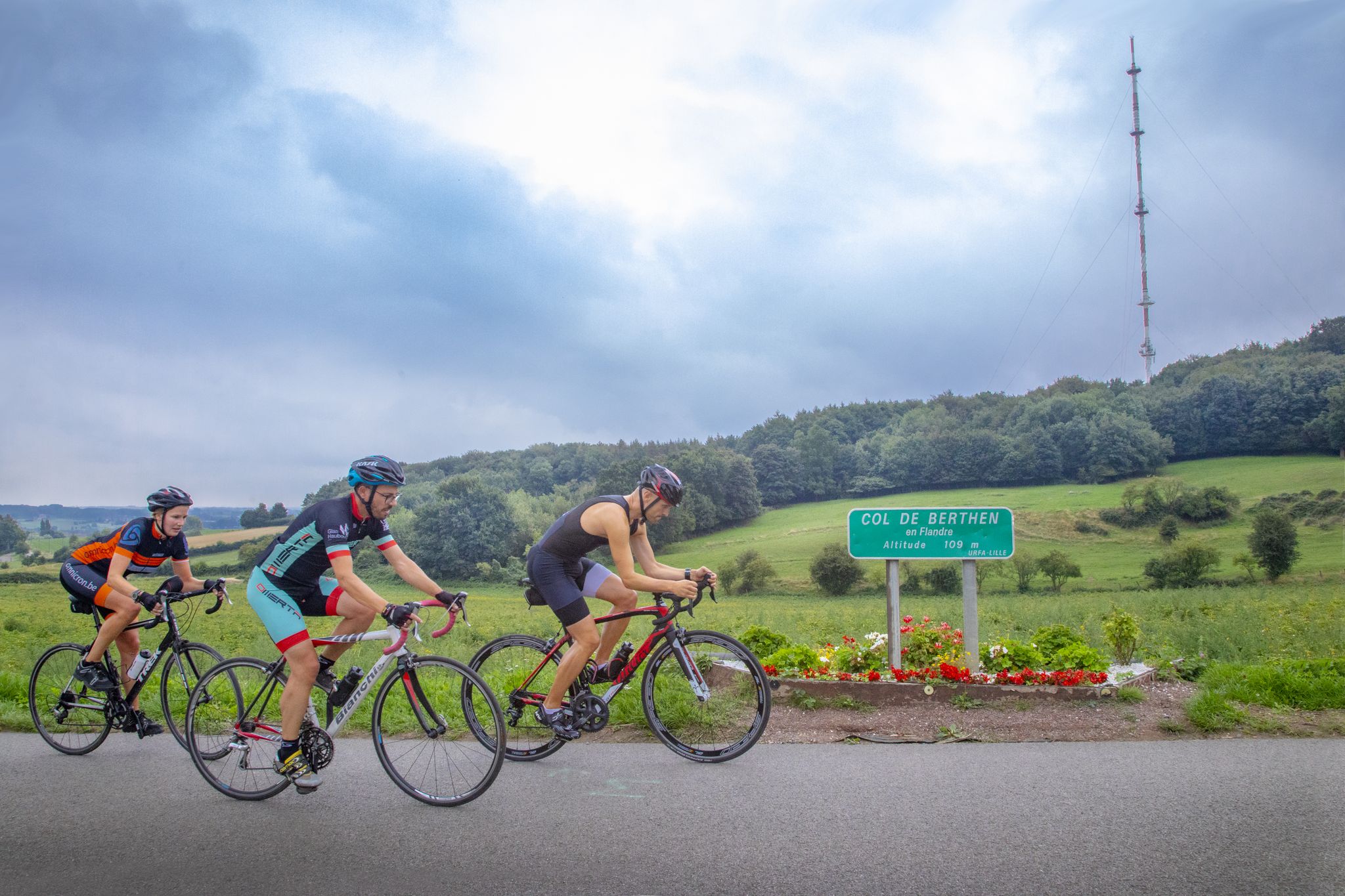
Famous climbs and hills – Flanders, France and Wallonia
Delicious hiking: Culinary Tours in Flanders
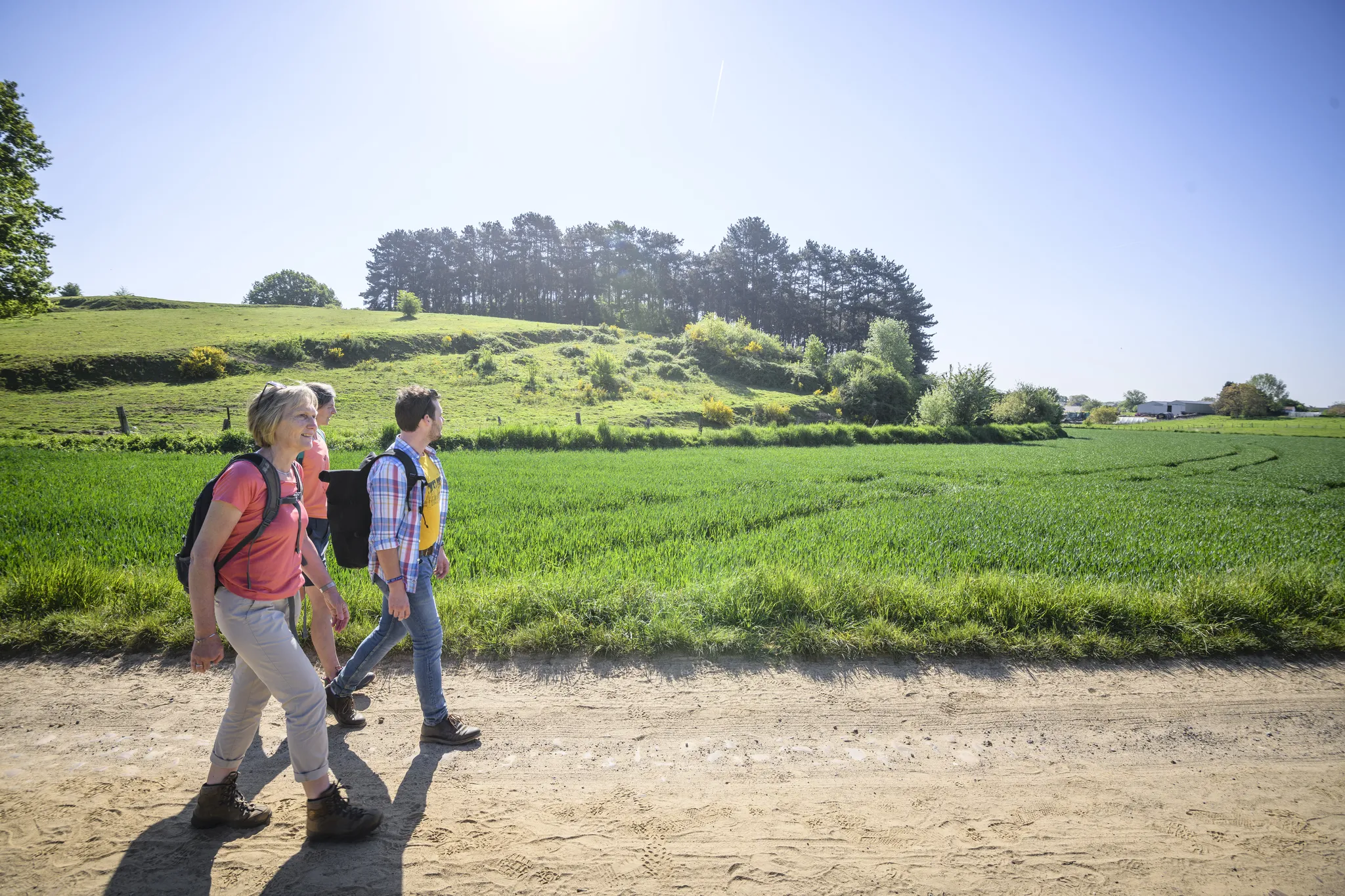
Time travel on foot — historical walks in Flanders
Other adventures around Ieper


Tips from the Community

Formerly called "Chalet Schabaillie" after its builder and former resident, brickmaker A. Schabaillie. This mansion features a tower that gives the entire building the appearance of a small castle. The building stands in the middle of a partially wooded garden with an L-shaped carriage and stable wing to the north, the facade of which overlooks the street. A garden pavilion leans against the garden wall to the northeast. On the street side, a low garden wall with a gate between pedestals is located to the right of the paved driveway. The entire property was later subdivided: the former carriage and stable wing now serves as a warehouse, while a section of the garden on the street side was subdivided and includes low-rise new buildings. The eclectic architectural style is characterized by, among other things, the decorative use of yellow and yellow-painted bricks and references similar local "castles" from the same period. Mansion on a rectangular plan. A two-bay double house with a central tower and entrance projection of one bay, a wide bay ending in a gabled dormer window, and two stories under a flattened hipped roof with an iron ridge crest, decorated with lilies, small dormers, and tall chimneys. A 1900 date stone is incorporated into the gable. The red brick construction uses yellow bricks for horizontal facade bands, cornerstones, aligning paneling, and stretcher lintels of the Tudor and round-arched wall openings. A wooden loggia is located on the right side of the main floor. The three-bay tower is under a truncated pyramidal roof with a lantern beneath a slate spire. The other facades have similar facing. On the left side of the rear facade is a partially adjoining low extension (kitchen) under a hipped roof (ridge perpendicular to the house, tiled), in a similar style; a conservatory is attached to the garden facade. L-shaped carriage and stable wing of one and a half stories under a saddle roof with mechanical tiles. The striking corner tower with a slate spire is crowned with iron ornamentation, referencing the mansion's ridge crest. The inscription 'Anno 1914' is incorporated into the cemented casement of the dormer window. Analogous brick architecture; additional decorative motifs in yellow brick, including St. Andrew's crosses. The street facade is a variation on the traditional chapel facade: the stepped gable with a Bruges bay, and the central arched carriage entrance above which is a round-arched window crowned with a cross of yellow brick. The garden pavilion against the northeast garden wall is a variation on the medieval dovecote type. This low, octagonal building is under a slightly constricted spire (slate) with wooden dormers. The building style is similar. Source: DELEPIERE A.-M. & HUYS M. 1989: Inventory of Cultural Heritage in Belgium, Architecture, Province of West Flanders, District of Ypres, Canton of Poperinge, Building through the Ages in Flanders 11n2, Brussels-Turnhout. Authors: Delepiere, Anne Marie; Huys, Martine Date: 1989 The text is provided by: Flanders Heritage Agency (AOE) Additional information Number 20 is the last section of the stable wing. The section facing the street has since been demolished, but the rear section with the tower has been preserved. Information obtained from the Intermunicipal Heritage Agency CO7 (July 29, 2021). Authors: Jacobs, Els Date: April 11, 2022 The text is provided by: Flanders Heritage Agency (AOE)
6
0

A truly beautiful place! To be explored both by bike and on foot! Excerpt: https://top.vlaanderen/fr/park/kasteelpark-de-lovie-poperinge/ A beautifully landscaped park around a castle. Open to the public. In spring, the crocuses and a row of Japanese cherry trees are particularly eye-catching. The castle building itself is currently being renovated. This estate is home to the non-profit organization De Lovie, which supports children, young people, and adults with intellectual disabilities in the Westhoek region.
0
0

Zonnebeke, a charming municipality in West Flanders, is a place where history and nature come together. Known for its role in the First World War, it is home to impressive memorial sites such as Tyne Cot Cemetery, the largest British military cemetery in the world. In addition to its historical significance, Zonnebeke offers beautiful landscapes and recreational routes, ideal for a trip through the rolling Flemish countryside. The Zonnebeke Castle Estate is an absolute must, where you can not only enjoy the green surroundings, but also take a culinary break at Koklikoo, a charming place for lunch, coffee and sweet temptations.
7
0
Château du Parc, or Château de Vlamertinge, is a 19th-century castle in Vlamertinge, a municipality of Ypres in West Flanders. Located west of the Kemmelbeek stream, the castle was built between 1857 and 1858 by order of Pierre-Gustave du Parc (who would become Viscount in 1888), based on plans by architect Joseph Schadde. The castle is built in the Neo-Flemish Renaissance style and has a relatively symmetrical layout. During the First World War, the castle was damaged by war; it was restored in 1920.
1
0

The Polderhoek is currently a forgotten piece of land near the A19 motorway, next to the Witches Monument. It is almost unthinkable, but during the war there was a beautiful park in the Polderhoek valley. The southern Polderhoek Castle stood in the middle of the park. The Polderhoek Castle, popularly known as the “Flower Castle”, was one of the most beautiful castles in the region. The castle was built around 1850, was over 30 hectares in size and had Italian architectural influences. From the beginning of the First World War, the beautiful park was occupied by the Germans. In 1914, the front ran right through it and the park was then on German territory. On 4 October 1917, British troops succeeded in taking the northeastern part of the park. However, they did not get any further and the offensive was stopped on the ridge. The entire area was shot to pieces and the Reutelbeek, which flowed through the park, formed a wide swamp. Triggered? Want to know more about the war past? Click through to https://www.toerismezonnebeke.be/nl/zien-en-doen/polderhoek-chateau-verdwenen-kasteel/
1
0

The castle was built in 1925 by order of Jacques Bruneel de la Warande, mayor of Kemmel. Previously there was a castle, which was destroyed in 1918 during the First World War. Architects were Henri Carbon and Charles Pil. After the castle served as a holiday home for a while, it was put into use as the town hall of Heuvelland in 1979. https://nl.wikipedia.org/wiki/Kasteel_De_Warande
4
0

Part of the domain is always accessible to hikers, another part around the castle is private property. Because it is being restored with government money, it is open to the public on certain (Saturday) days.
1
0

The beautiful castle grounds are central to the town of Zonnebeke. Here you will also find the Passchendaele Museum and Koklikoo, an excellent restaurant. This is accessible through an imposing stone gate next to The Church of Our Lady.
2
0
Frequently Asked Questions
Which castles around Ieper offer extensive parks for walking and recreation?
Several castles in the Ieper region are set within beautiful parks ideal for walking. De Lovie Castle Park features a neoclassical castle from 1856 within a remnant of an original English landscape park, complete with avenues of red beech trees and water features. Similarly, De Warande Castle, a neo-Renaissance style building, is surrounded by the Warande park, which is open to the public and offers a pleasant walking area with diverse plant life.
Are there any castles near Ieper with significant historical importance related to World War I?
While many castles were damaged or lost during World War I, the region still bears its scars. The Castle of Vlamertinge, for instance, was damaged during the war and subsequently restored in 1920. The area around the former Polderhoek Château, though now a lost castle, was a significant battlefield, with its beautiful park largely destroyed during the conflict. The Zonnebeke Castle Domain is also central to a municipality known for its WWI memorials, including Tyne Cot Cemetery.
What kind of outdoor activities can I do near the castles around Ieper?
The region around Ieper's castles offers various outdoor activities. You can find numerous road cycling routes, such as the 'Kemmelberg cobbled climb – Baneberg Climb loop' or the 'Tyne Cot Cemetery – Menin Gate Memorial loop'. For mountain biking, trails like the 'Scherpenberg Forest Trail – Kwadestraat loop' are available. There are also easy hiking options, including the 'World War I Crater – Caterpillar Crater loop'. You can explore more routes on the Road Cycling Routes around Ieper, MTB Trails around Ieper, and Easy hikes around Ieper guide pages.
Are there family-friendly castles or castle parks to visit in the Ieper area?
Yes, several castle domains are suitable for families. De Warande Castle and its surrounding park are open to the public, offering ample space for recreation. De Lovie Castle Park is another excellent choice, with its historical landscape park providing a pleasant environment for family strolls. The Zonnebeke Castle Domain also offers green surroundings and is home to the Passchendaele Museum, which can be engaging for older children interested in history.
Can I visit castles that showcase different architectural styles in the Ieper region?
Absolutely. The castles around Ieper display a range of architectural styles. You can see the neo-Renaissance style of De Warande Castle (built 1925), the neoclassical design of De Lovie Castle Park (from 1856), and the 19th-century architecture of the Castle of Vlamertinge. While not publicly accessible, the historical records mention the medieval architecture of the original Elzenwallekasteel, showcasing the region's architectural evolution.
What is the best time of year to visit the castles around Ieper?
The best time to visit the castles and their parks around Ieper is generally during the spring and summer months (April to September). During this period, the weather is milder, and the parks are in full bloom, offering picturesque settings for walks and exploration. Early spring also brings the blooming of white wood anemones and bluebells in areas like the forest section of De Warande Park.
Are there any 'hidden gem' castles or lesser-known historical sites worth exploring near Ieper?
While many castles are well-known, the region holds interesting historical nuances. The Château Schabaillie, for example, is a mansion with a tower that gives it a castle-like appearance, set within a partially wooded garden. Though not a traditional castle, it offers a unique architectural sight. The historical context of the lost Polderhoek Château and its former Italian architectural influences also adds a layer of intrigue to the region's past.
Can I find cafes or restaurants near the castle domains in Ieper?
Yes, some castle domains offer amenities. At the Zonnebeke Castle Domain, you can find Koklikoo, a charming place for lunch, coffee, and sweet treats. For other castles, it's advisable to check local listings for nearby cafes and pubs in the surrounding towns like Ieper itself or smaller villages, especially if you are combining your visit with a walking route.
What are the parking options like at the castles around Ieper?
Many castle domains, especially those with public parks, offer parking facilities. For instance, both De Warande Castle and De Lovie Castle Park are listed with parking available, making them convenient for visitors arriving by car. It's always recommended to check specific highlight details or local signage upon arrival for the most current parking information.
Are there any castles near Ieper that are dog-friendly?
While specific dog policies can vary, castle *parks* are often more accommodating for dogs than the castle interiors themselves. For example, the extensive grounds of De Warande Castle and De Lovie Castle Park are generally suitable for walks with dogs, usually on a leash. Always look for local signage regarding pet regulations at each specific location.
How long should I plan for a visit to a castle or castle park in the Ieper region?
The duration of your visit depends on the specific castle and your interests. For castle parks like De Lovie Castle Park or De Warande Castle, you could spend anywhere from 1 to 3 hours exploring the grounds and enjoying a leisurely walk. If you combine a visit with a museum, such as at the Zonnebeke Castle Domain, plan for a longer stay, potentially half a day.
What is the historical significance of Ieper's fortifications and castles?
Ieper has a rich history as a fortified city. As early as 958, Count Baudoin III worked on a new fortified castle, and by the 13th and 14th centuries, the town's defenses were significantly strengthened with double moats, earthworks, and stone gates. While many of these early fortifications have transformed over time, the city's strategic importance is still evident in its surviving moat. The region's castles, even those that no longer stand, reflect centuries of strategic and architectural evolution.
Most popular routes around Ieper
Most popular attractions around Ieper

Get inspired with the komoot mobile app


Didn’t find what you were looking for?
Explore Ieper’s best castles region by region:
Explore more
Looking for the best castles somewhere else? Discover other guides around Ieper:
