Top 10 Gorges in Devon
Best canyons in Devon are often locally known as gorges or cleaves, presenting dramatic landscapes and unique geological formations. These natural features, carved by rivers and shaped by ancient geological processes, provide diverse opportunities for outdoor activities. Devon's varied geology, including Devonian period limestones and Dartmoor's granite, has created a landscape rich in these water-formed valleys. The region offers numerous trails for exploring these impressive natural sites.
Best canyons in Devon
- The most popular canyons is Valley of Rocks,…
Last updated: September 14, 2026
Valley of Rocks
Highlight • Gorge
Tip by

Sharp Tor (Teign Gorge)
Highlight • Viewpoint
Tip by

Sign up now to discover places like this
Get recommendations on the best single tracks, peaks, & plenty of other exciting outdoor places.
Lydford Gorge
Highlight • Waterfall
Tip by
Glen Lyn Gorge
Highlight • Gorge
The entrance to it is clearly signposted and is exactly where you can see the water fountain. You pay 10 …
Translated by Google •
Tip by

Watersmeet Valley
Highlight • Viewpoint
Tip by

Devil's Cauldron, Lydford Gorge
Highlight • River
Translated by Google •
Tip by

Valley of Rocks
Highlight • Natural Monument
Tip by

South West Coast Path – Valley of Rocks Cliffs
Highlight • Gorge
It is even less helpful to keep writing the same bla-bla just to collect a few more points
Translated by Google •
Tip by
Bench Tor
Highlight • Climb
Tip by

Troublesome Gulch
Highlight • Trail
Tip by

Sign up for free to discover even more gorges in Devon.
Already have an account?
Start today with a free account
Your next adventure awaits.
Popular around Devon
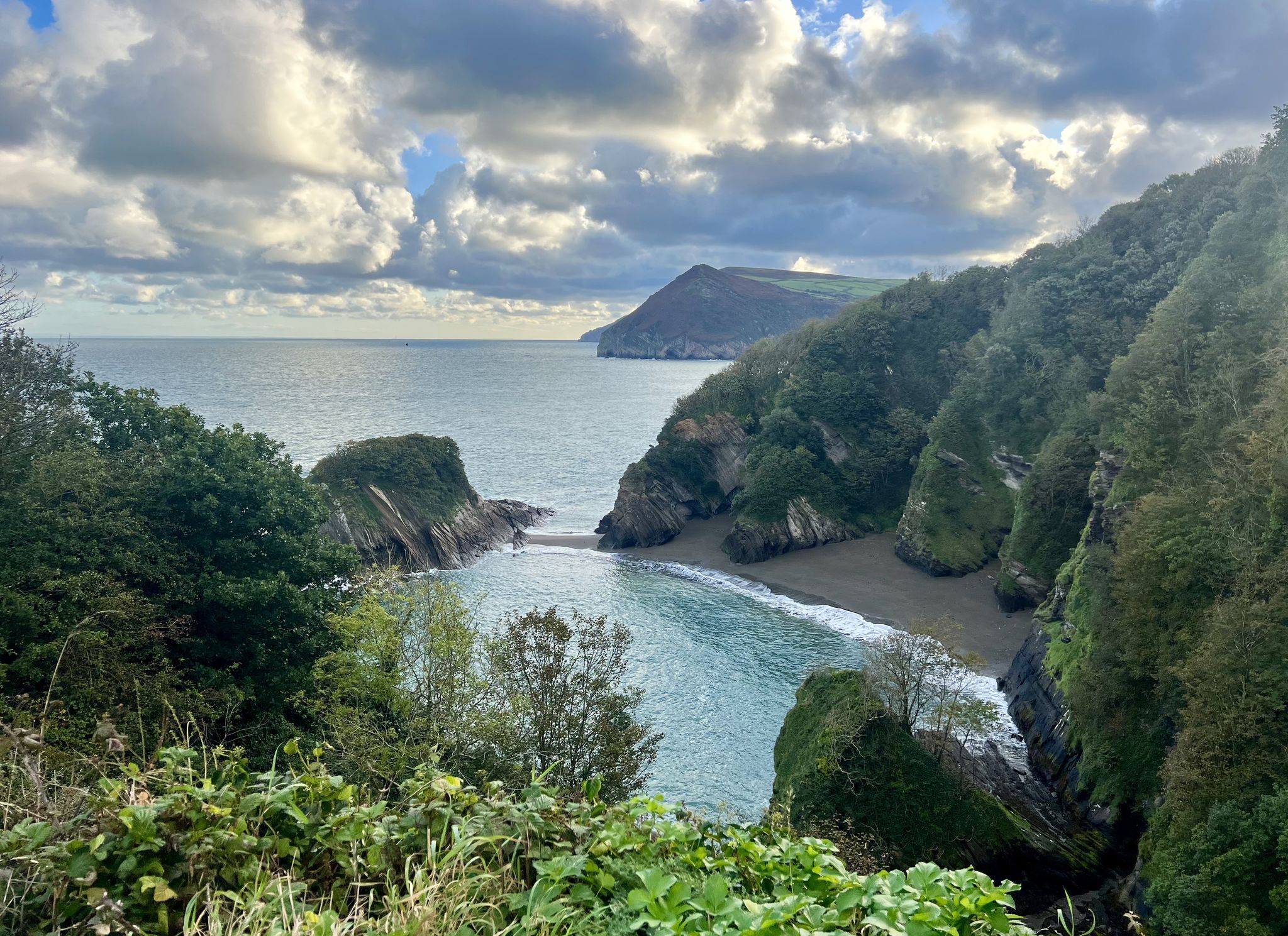
Exmoor National Park – A Walk in the Parks
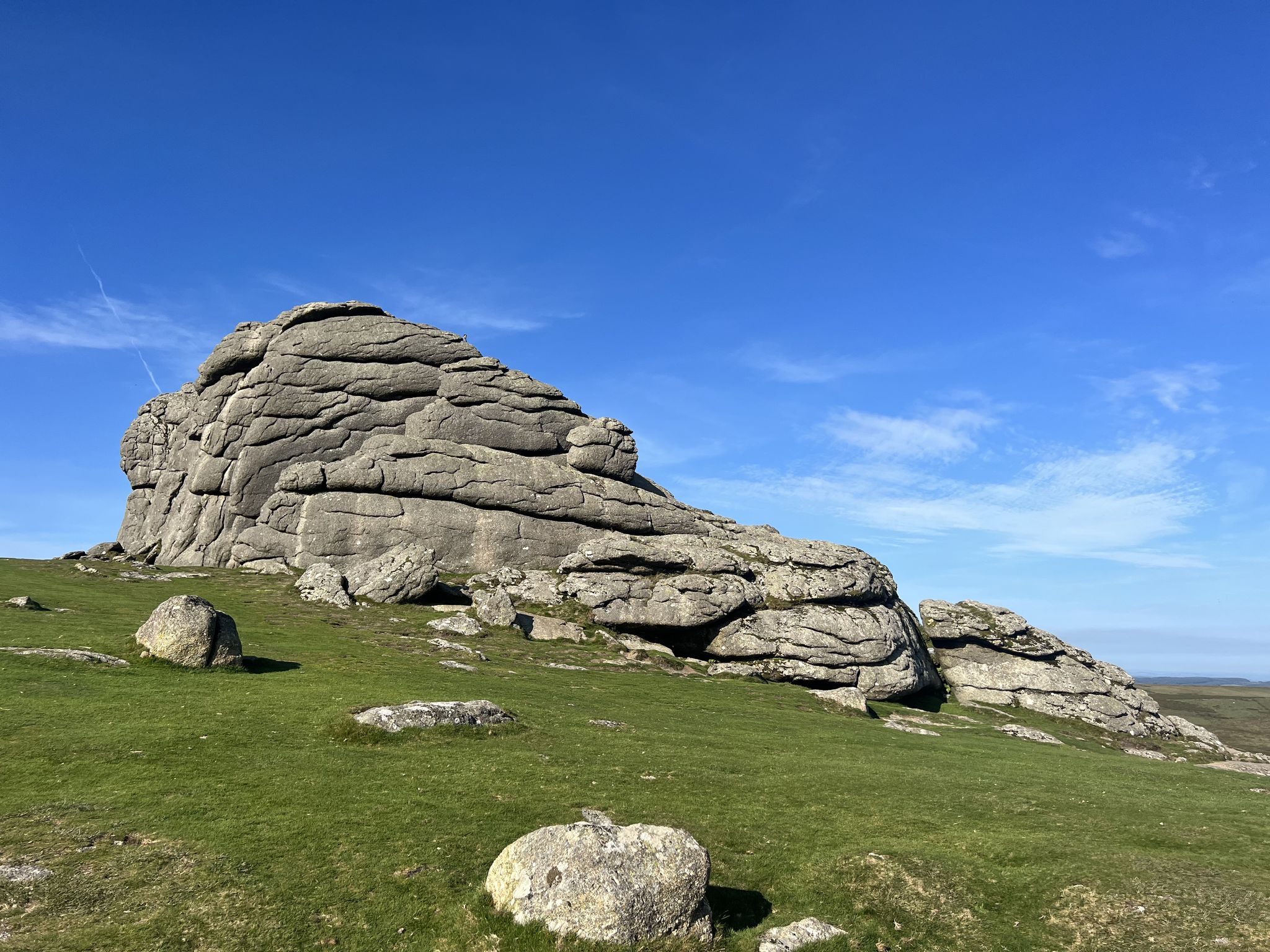
Dartmoor National Park – A Walk in the Parks
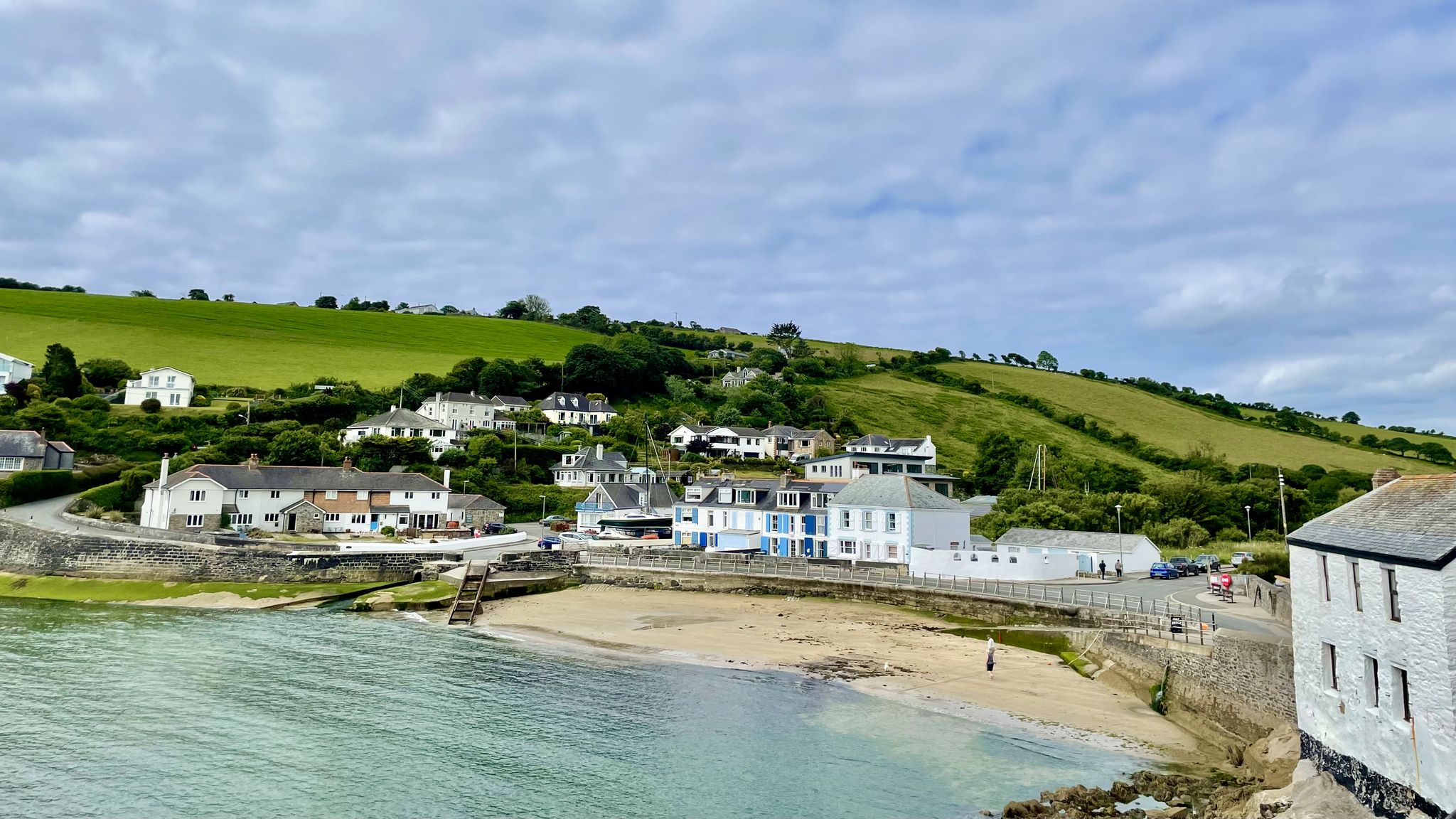
National Cycle Network Route 3 — Land's End to Bristol
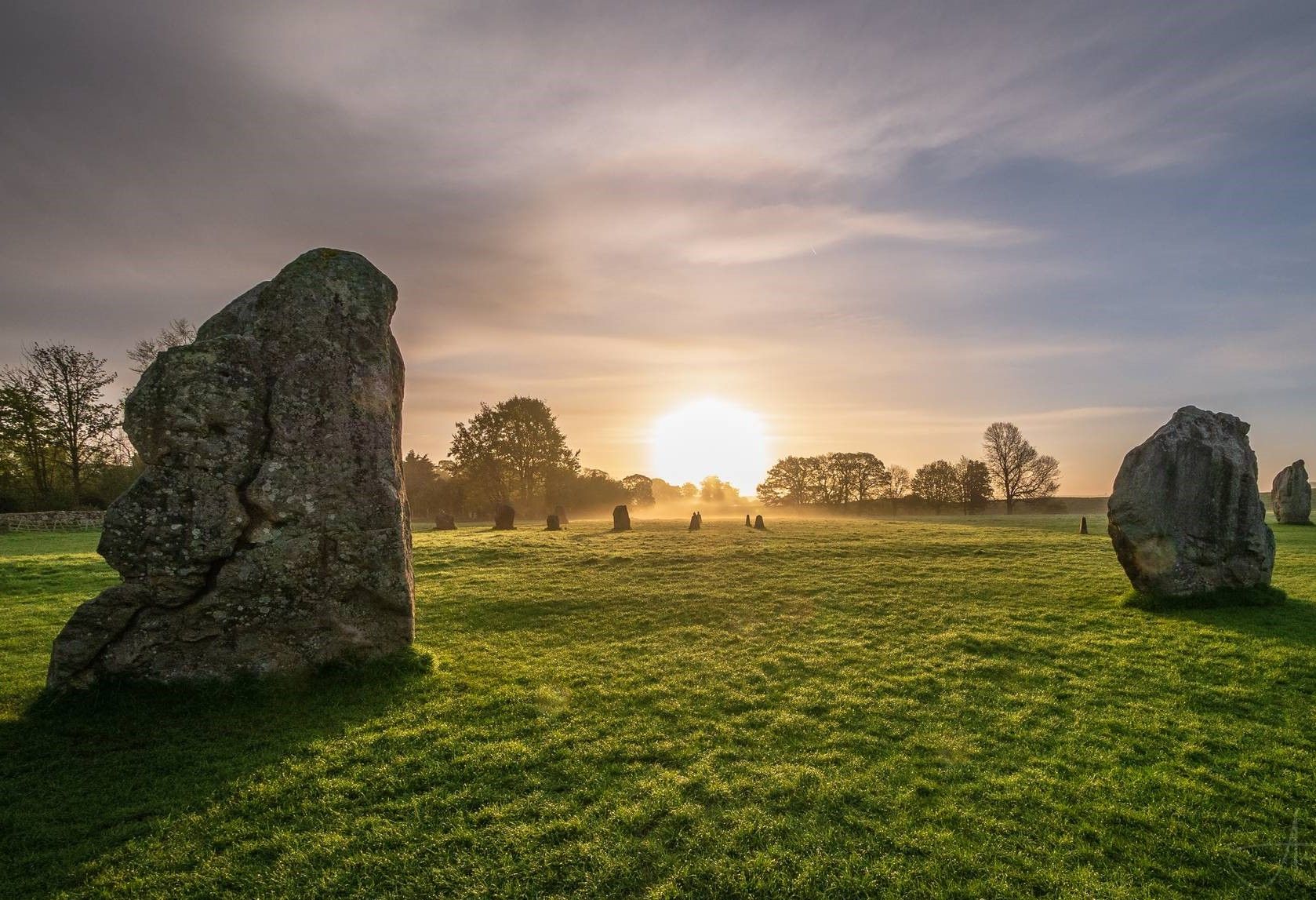
Celtic Way — An epic pilgrimage through prehistory and wild beauty
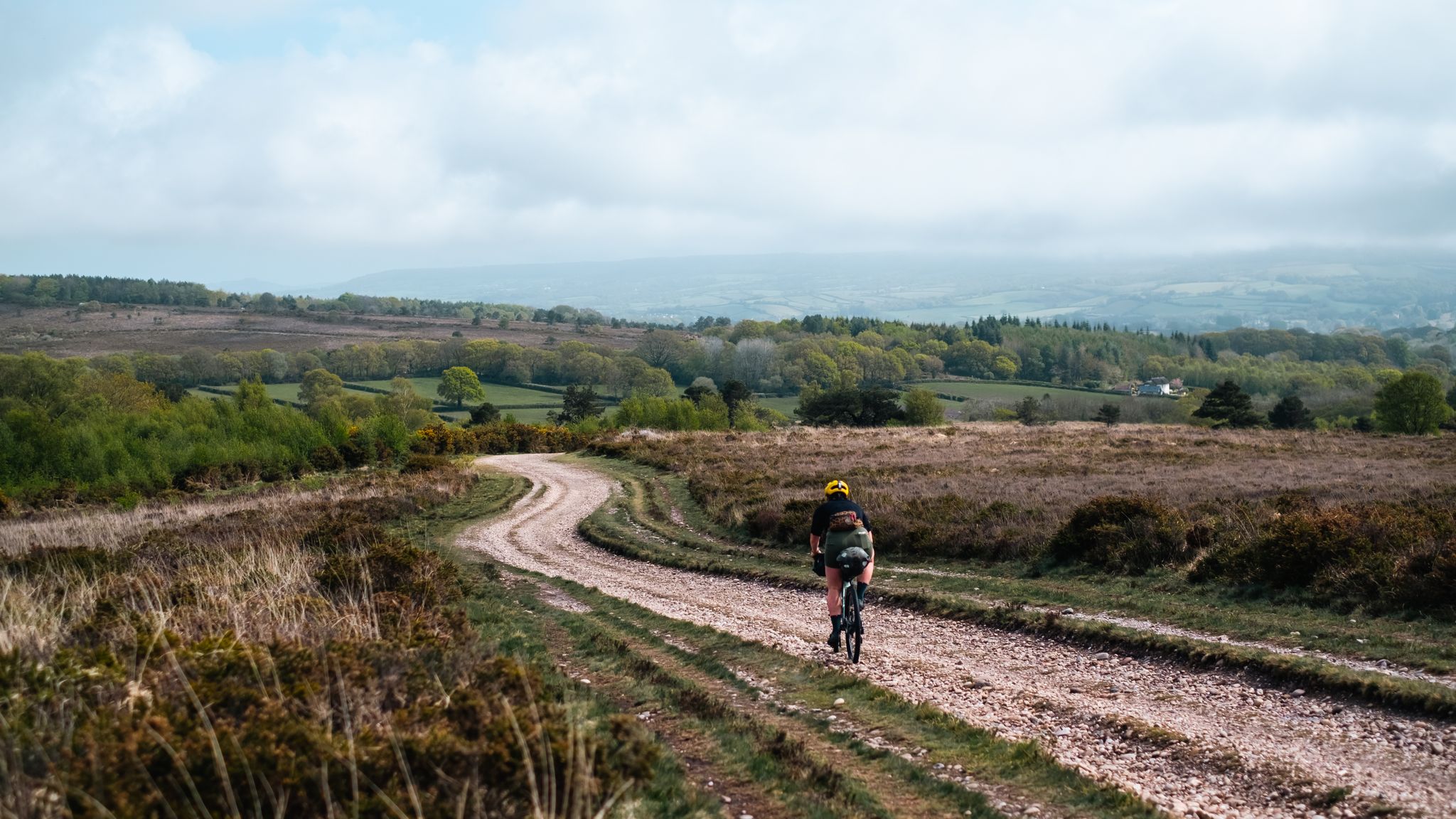
East Devon Trail — wildlife spotting from coast to country
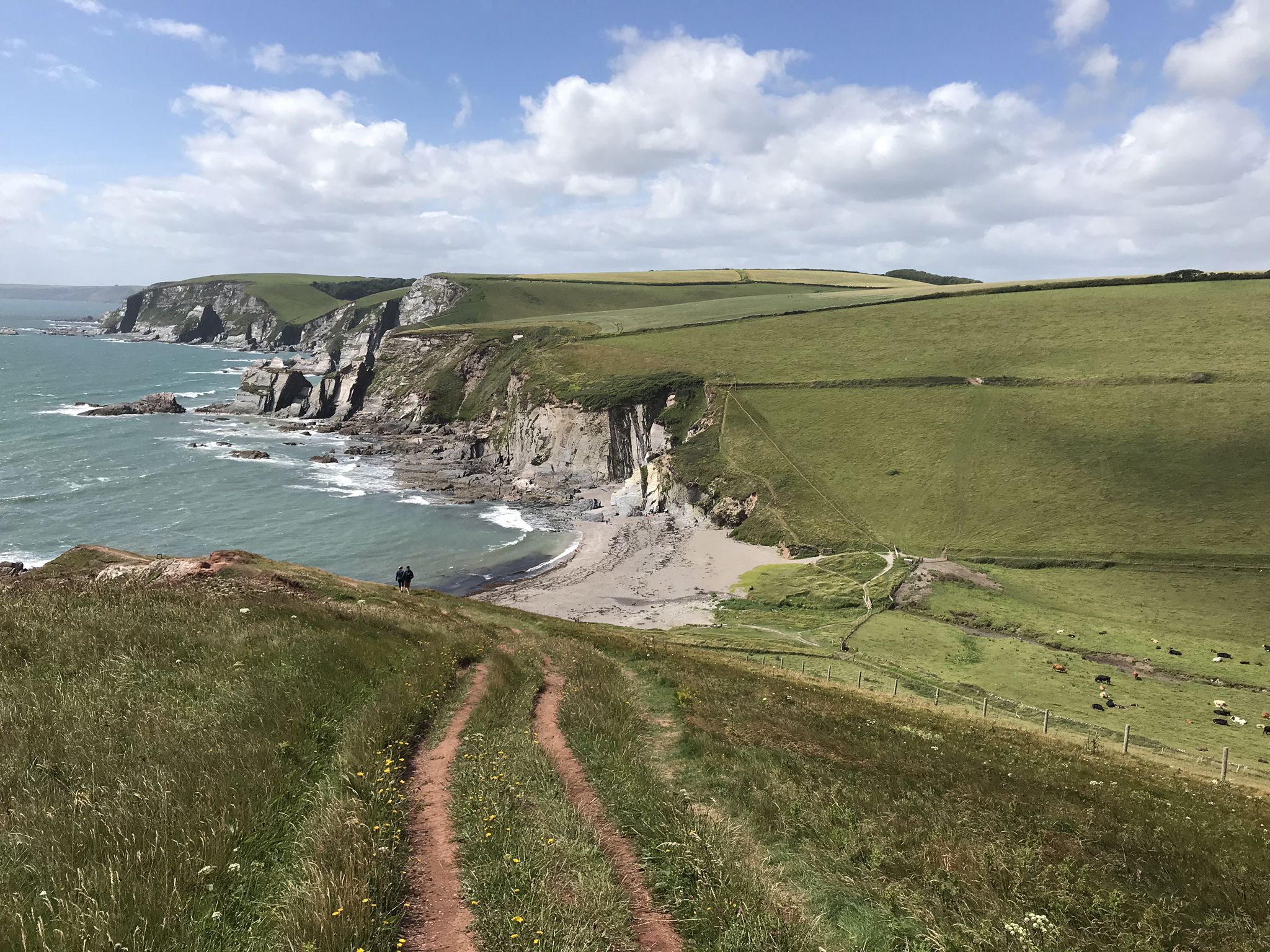
E9 Plymouth to Dover — An epic exploration of England's south coast
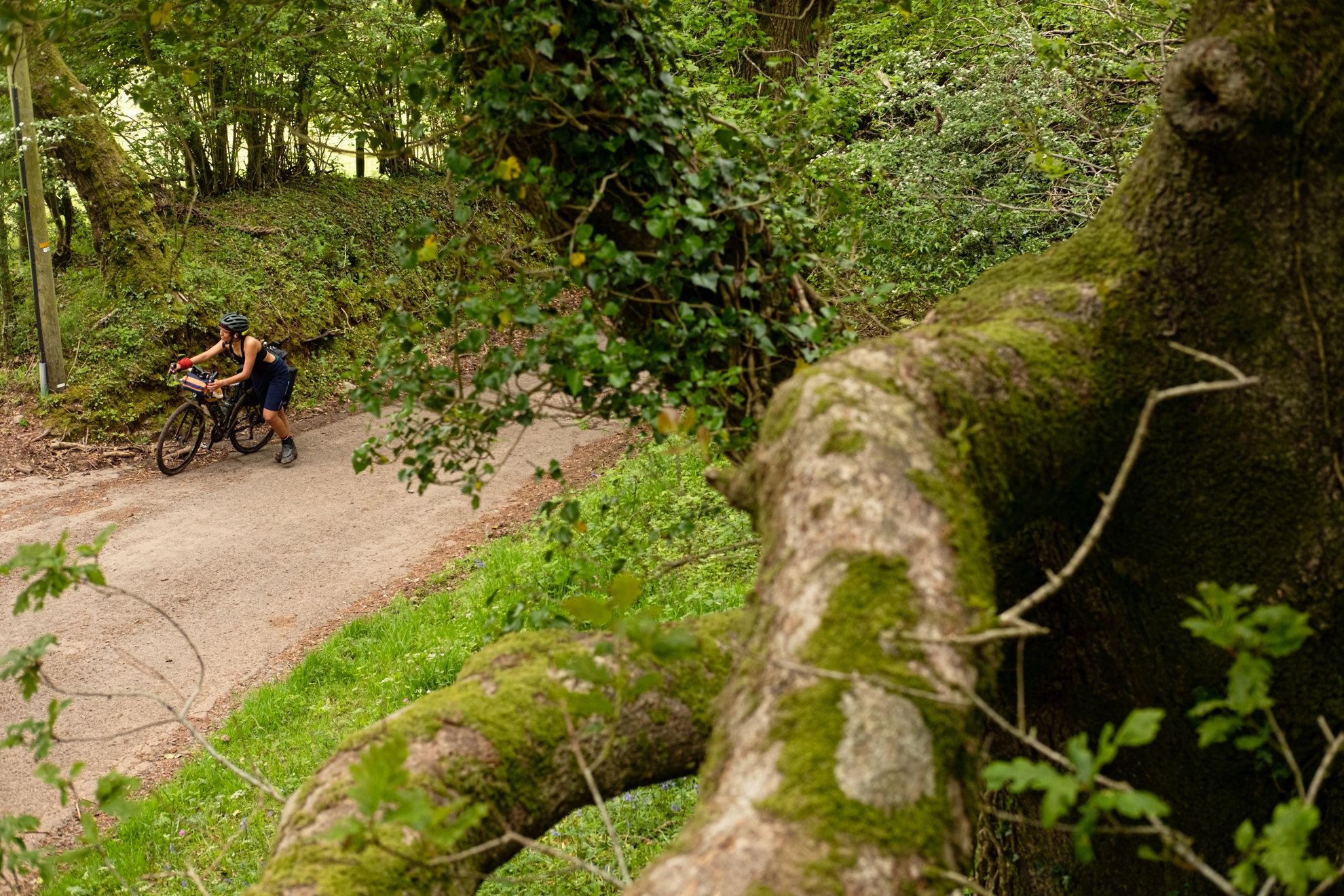
Just Around The Corner — exploring the best of the South West by bike
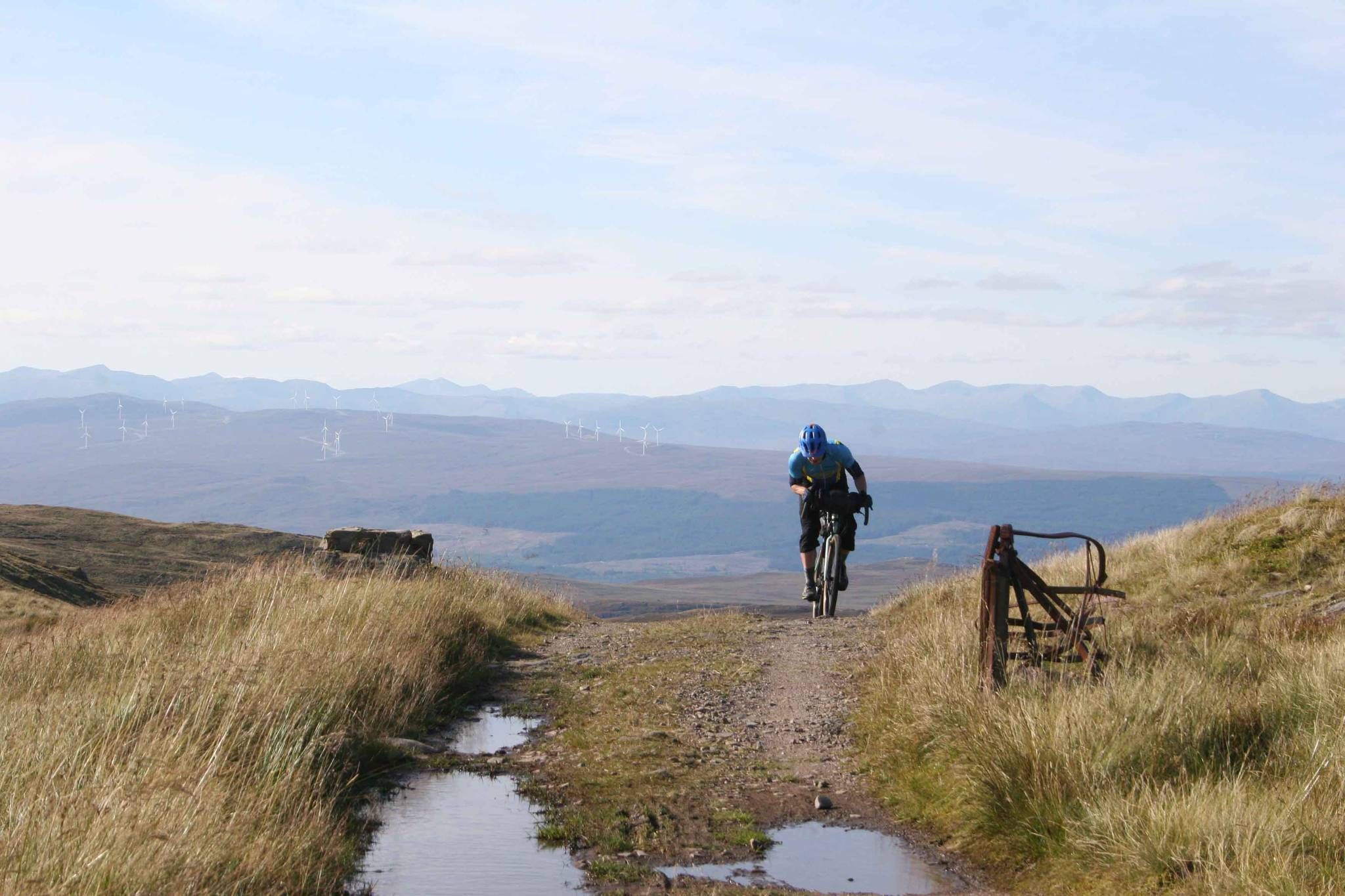
GB Divide — Great Britain end to end off-road on GBDURO
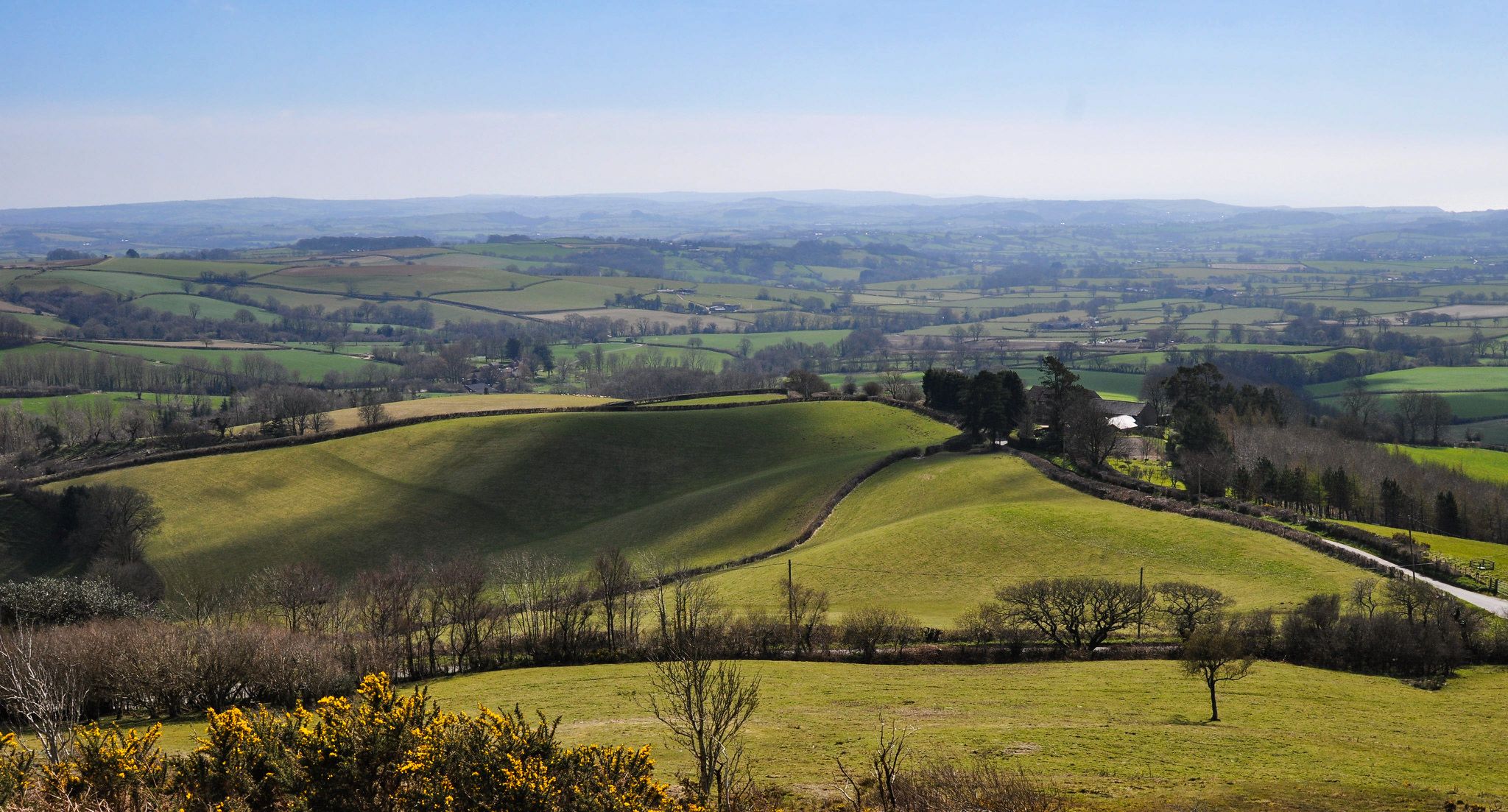
Hiking the Orange Way — Southern England in the footsteps of a king
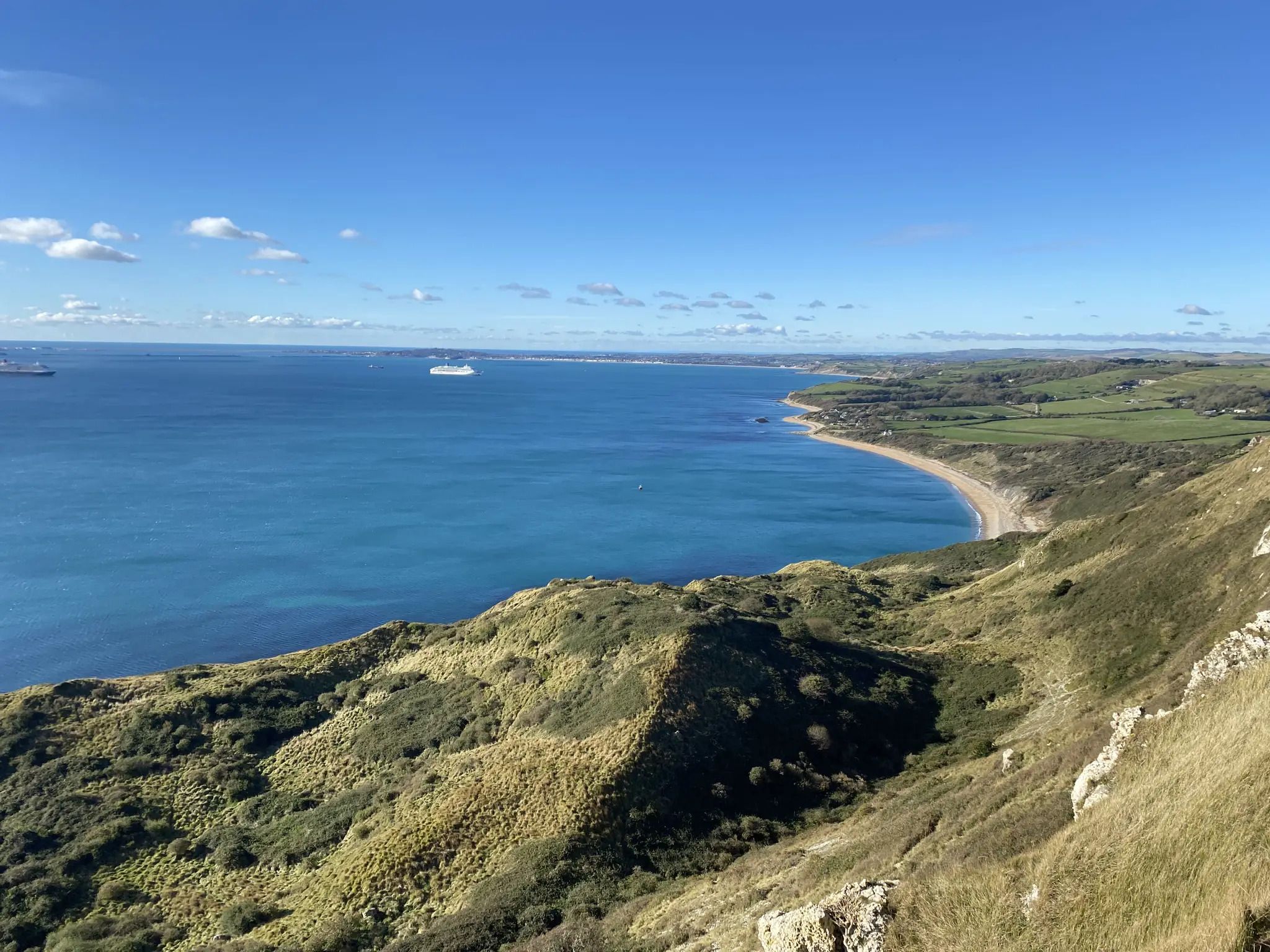
Jurassic Coast – Long Distance Walking in the South of England
Other adventures in Devon


Tips from the Community

We managed to get through here even with fully packed touring bikes. More pushing than riding, though.
0
0

Sharp Tor on Dartmoor – overview and tips Notes on the name Sharp Tor is a well-known tor on Dartmoor, sometimes spelled “Sharp Tor” or “Sharp’s Tor” in regional references. It is one of the classic granite tors that dot the eastern moor. Location context: Sharp Tor sits in the eastern part of Dartmoor National Park, behind or near the villages of Widecombe-in-the-Moor and intersecting with other moorland features such as Haytor and Hound Tor in the wider area. What to expect Elevation and geology: Granite tor forming a rocky outcrop that offers elevated views over the surrounding moor. Typical Dartmoor granite features, weathered by wind and rain into distinctive boulders and crags. Scenery: Expansive moorland around, open horizons, and, on clear days, distant views toward the coast. Getting there Access points: - Likely starting points include nearby car parks on the eastern Dartmoor plateau and routes from towns like Ashburton or Widecombe-in-the-Moor. Public transport: Bus routes to nearby villages with a short walk onto the moor. Parking: Depending on the exact access point, there are local parking areas; check current signage and National Trust/ Dartmoor NPA guidance. Popular routes and what to expect Short circulars: There are moorland circuits that incorporate Sharp Tor as a highlight, often around 2–4 miles (3–6 km) depending on the exact start point. Longer explorations: Combine Sharp Tor with adjacent tors such as Hound Tor, Widecombe area, or more northern tors for a full moorland day. Expect rolling moorland
0
0

Spectacular path along the steep rock walls.
0
0


Bench Tor is a beautiful tor above the wooded Dart Gorge. The outcrop stands proud on a spur that overlooks the valley and it provides magnificent views on a clear day. It's well known to rock climbers and is home to routes of varying difficulty.
1
0

Parking in Lynton provides you a beautiful costal path to the Valley of the Rocks. Please only choose if you are okay with steep pathways.
2
0

This captivating U-shaped dry valley, situated about half a mile west of Lynton, is famous for its herd of wild goats that roam the area, as well as its striking geological features. The valley offers stunning views of the surrounding landscape, making it a popular spot for walkers.
3
1

Frequently Asked Questions
What are the most popular gorges in Devon?
Devon is home to several impressive gorges, often locally known as cleaves. Among the most popular are Valley of Rocks, known for its distinctive dry valley, striking cliffs, and resident feral goats. Another favorite is Watersmeet Valley, an area of beautiful riverside woodland with rocky flowing rivers and lush high gorges, ideal for hiking. Visitors also highly rate Sharp Tor (Teign Gorge), which offers exceptional views of the Teign Gorge, Castle Drogo, and the surrounding Dartmoor landscape.
Are there family-friendly gorges to visit in Devon?
Yes, several gorges in Devon are suitable for families. Valley of Rocks is considered family-friendly, offering easy access with a car park and the unique experience of seeing feral goats. Glen Lyn Gorge is another good option, featuring waterfalls and trails that are enjoyable for various ages.
What unique natural features can I expect to see in Devon's gorges?
Devon's gorges boast a variety of unique natural features. At Lydford Gorge, you can witness the spectacular 30-meter Whitelady Waterfall and the powerful whirlpool of the Devil's Cauldron. The gorge is also home to ancient oak woodland and rare temperate rainforest. Valley of Rocks is famous for its unusual rock formations and the feral goats that inhabit them. The Teign Gorge features impressive crags like Sharp Tor, rising vertically from the riverbanks.
What is the best time of year to visit Devon's gorges?
The best time to visit Devon's gorges is generally during spring, summer, and early autumn. Spring brings lush greenery and blooming wildflowers, while summer offers warmer weather for exploring. Autumn provides stunning foliage colors, especially in wooded gorges like Teign Gorge. During periods of heavy rain, features like the Devil's Cauldron at Lydford Gorge are particularly impressive due to the increased water flow, but trails can be muddy and slippery.
What outdoor activities can I do near Devon's gorges?
Beyond exploring the gorges themselves, Devon offers a wide range of outdoor activities. You can find numerous hiking trails, such as the 'Castle Drogo via the Fisherman's Path & the Hunter's Path' near Teign Gorge, or the 'Lydford Castle & Whitelady Waterfall loop' near Lydford Gorge. For more options, explore the Hiking in Devon guide. The region also provides opportunities for mountain hikes and road cycling, with routes like the 'Dartmoor Classic Medio loop' available in the Road Cycling Routes in Devon guide.
Are there any historical sites near Devon's gorges?
Yes, the region's gorges are often intertwined with history. The Teign Gorge is overlooked by Castle Drogo, a dramatic historic castle. Lydford Gorge itself has a history dating back to the Devonian period, with rocks shaped by tectonic forces. The nearby village of Lydford also has historical significance, including Lydford Castle.
What is the difference between a 'canyon' and a 'gorge' in Devon?
In Devon, the terms 'canyon,' 'gorge,' and 'cleave' are often used interchangeably, though 'gorge' or 'cleave' are more common local terms. Geologically, they all refer to deep, narrow valleys with steep sides, typically carved by a river. While 'canyon' might suggest a larger scale like the Grand Canyon, Devon's formations are generally identified as gorges, such as Lydford Gorge or Teign Gorge, reflecting their specific regional characteristics.
What should I wear when visiting Devon's gorges?
When visiting Devon's gorges, it's advisable to wear sturdy, waterproof walking boots or shoes, as trails can be uneven, rocky, and muddy, especially after rain. Layered clothing is recommended to adapt to changing weather conditions, and a waterproof jacket is always a good idea. For activities like gorge walking or scrambling, specialized gear may be required.
Are there opportunities for rock climbing in Devon's gorges?
Yes, Devon's gorges offer opportunities for rock climbing. Bench Tor, a prominent outcrop above the wooded Dart Gorge, is well-known to rock climbers and features routes of varying difficulty. Sharp Tor in the Teign Gorge also presents impressive crags that can be climbed, offering rewarding views.
Can I find wild swimming spots near Devon's gorges?
While specific wild swimming spots are not detailed for every gorge, the rivers that carve these gorges, such as the River Lyd in Lydford Gorge and the River Teign in Teign Gorge, do offer opportunities for wild swimming in certain areas. Always exercise caution, check local regulations, and be aware of water currents and conditions before entering the water.
Are there any coastal gorges in Devon?
Yes, Devon features impressive coastal gorges. The Valley of Rocks on the North Devon coastline is a distinctive dry valley with striking cliffs and expansive sea views. Another example is Pinhay Warren Coastal View, which offers scenic coastal gorge views.
What are the accessibility considerations for Devon's gorges?
Accessibility varies significantly between gorges. Some, like Valley of Rocks, have car parks close by, making access relatively easy. However, many gorges, such as Lydford Gorge and Watersmeet Valley, feature rugged terrain, steep paths, and numerous steps, which can be challenging. It's best to check specific trail descriptions for difficulty levels and accessibility information before visiting.
Most popular routes in Devon
Most popular attractions in Devon

Get inspired with the komoot mobile app


Didn’t find what you were looking for?
Want to see even more gorges? See the best ones in Devon region by region:
Explore more
Already discovered everything in this region? See additional gorges in Devon for your next adventure:
