Top 4 Caves in Devon
Best caves in Devon are found across this county in southwest England, which features a diverse landscape ranging from rugged coastlines to Dartmoor National Park. The region is known for its geological formations, historical sites, and natural beauty. Devon's underground world includes both natural cave systems and ancient man-made quarries. These sites offer insights into prehistoric life, industrial history, and unique geological features.
Best caves in Devon
- The most popular caves is Beer Quarry Caves, a cave that is a man-made limestone underground complex. These tunnels resulted from 2,000 years of quarrying beer stone, used in significant buildings like Exeter Cathedral.
- Another must-see spot is Pixie's Parlour Cave, a natural monument and cave. This cave is situated on the east bank of the River Otter and is associated with local folklore.
- Visitors also love Chudleigh Bat Tunnel, a natural cave and man-made tunnel. Bats, including nationally rare Greater Horseshoe bats, use this tunnel at dusk on their way to hunting grounds.
- Devon is known for natural cave systems, ancient quarries, and tunnels. The region offers a variety of underground experiences, from historical sites to wildlife habitats.
- The caves in Devon are appreciated by the komoot community, with 11 upvotes and 9 photos shared across the highlights.
Last updated: August 18, 2026
Beer Quarry Caves
Highlight • Cave
Tip by

Beer Head
Highlight • Cave
Tip by

Sign up now to discover places like this
Get recommendations on the best single tracks, peaks, & plenty of other exciting outdoor places.
Sign up for free
Pixie's Parlour Cave
Highlight • Natural Monument
Tip by

Chudleigh Bat Tunnel
Highlight • Natural
Tip by

View of Branscombe Beach and the cliff caves
Highlight • Viewpoint
Tip by

Start today with a free account
Your next adventure awaits.
Login or Signup
Popular around Devon
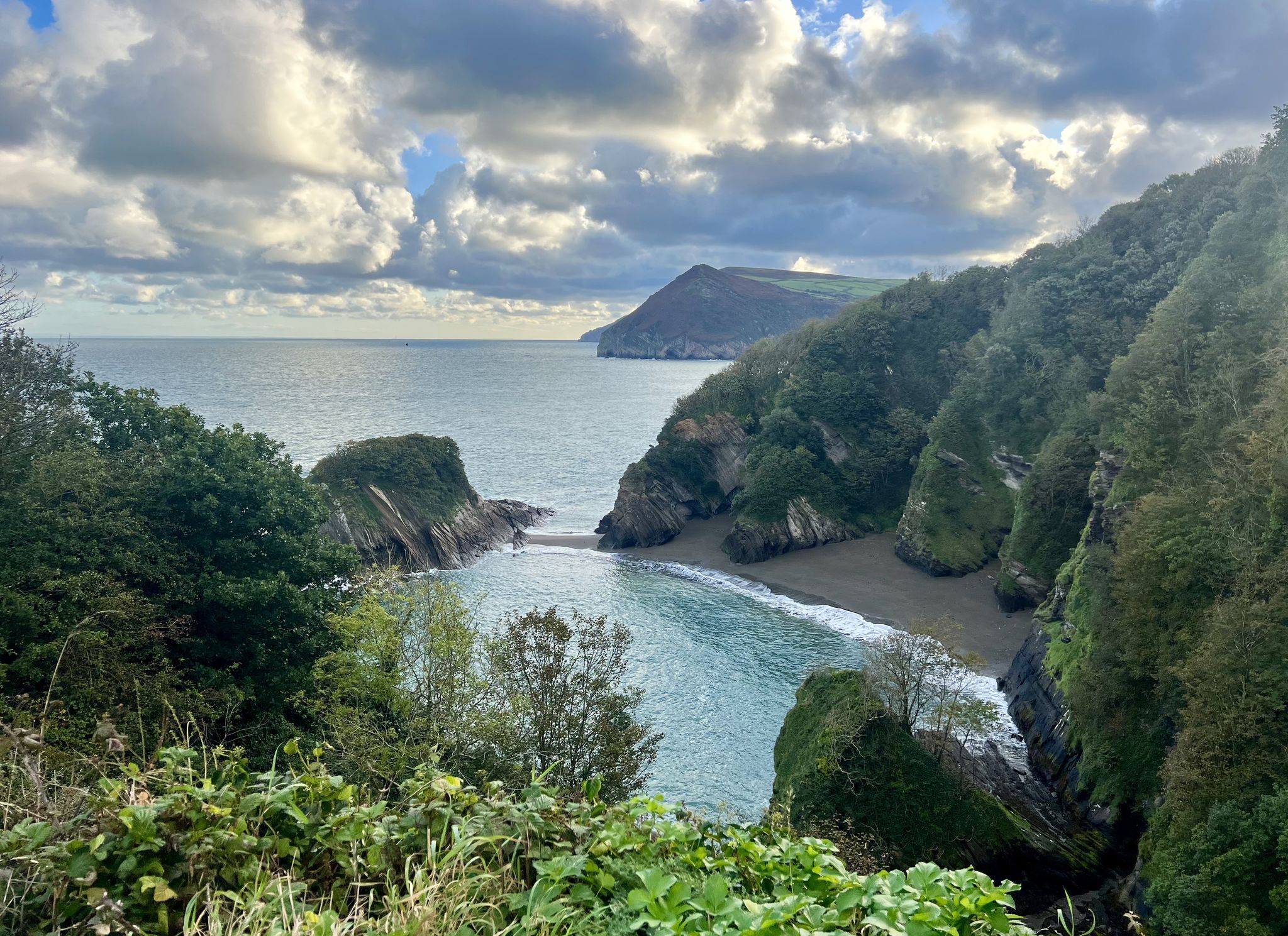
Exmoor National Park – A Walk in the Parks
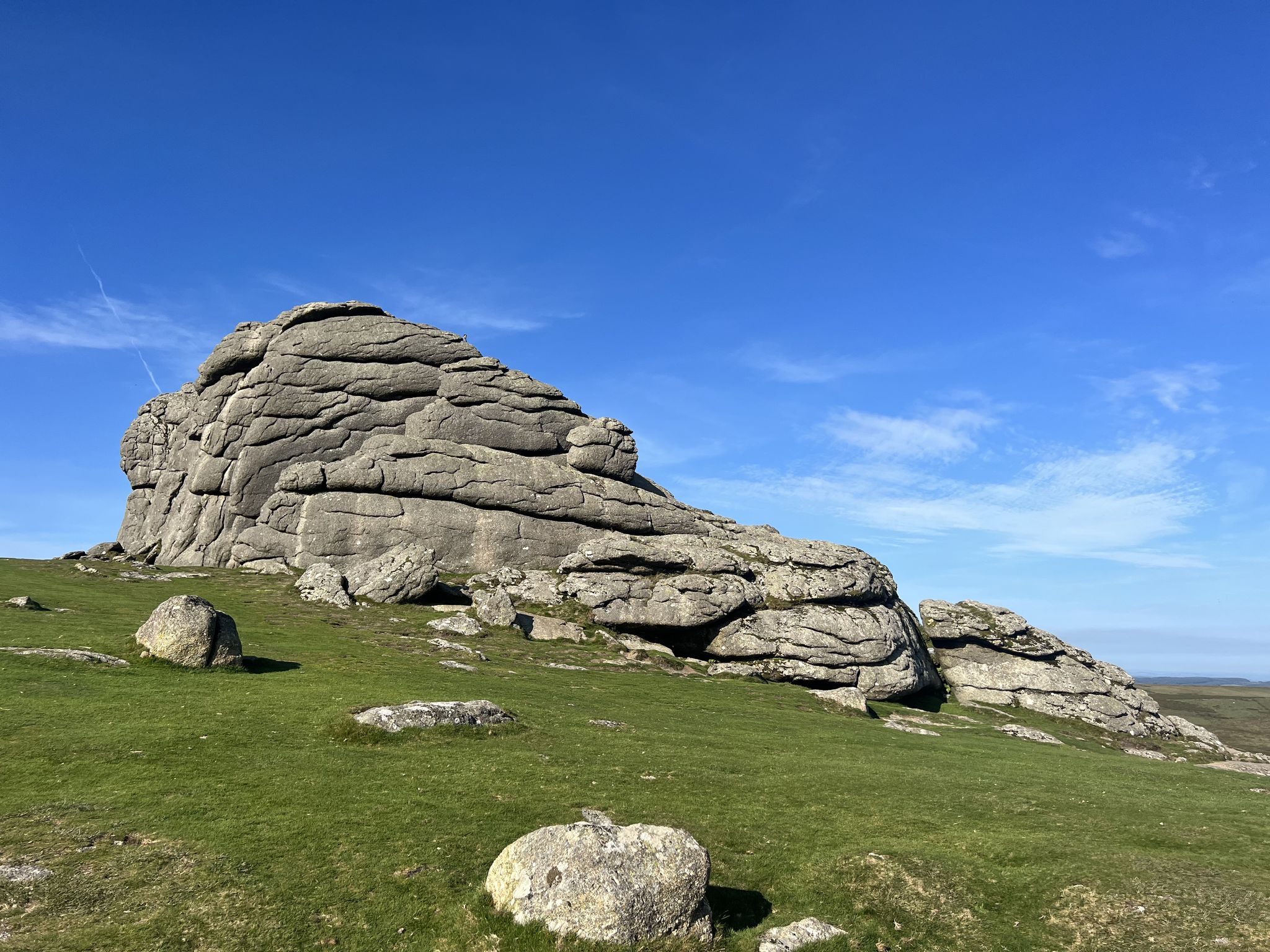
Dartmoor National Park – A Walk in the Parks
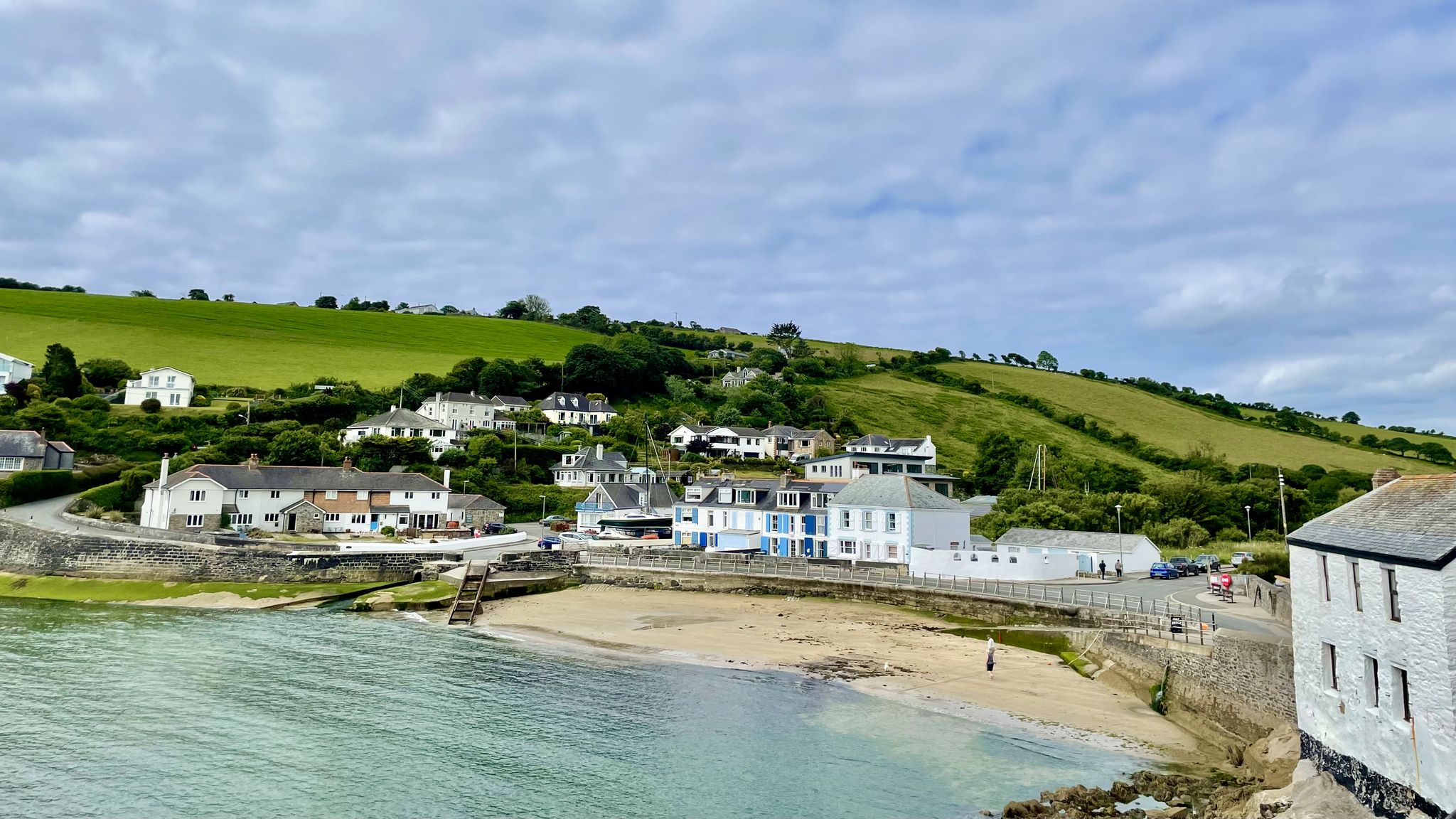
National Cycle Network Route 3 — Land's End to Bristol
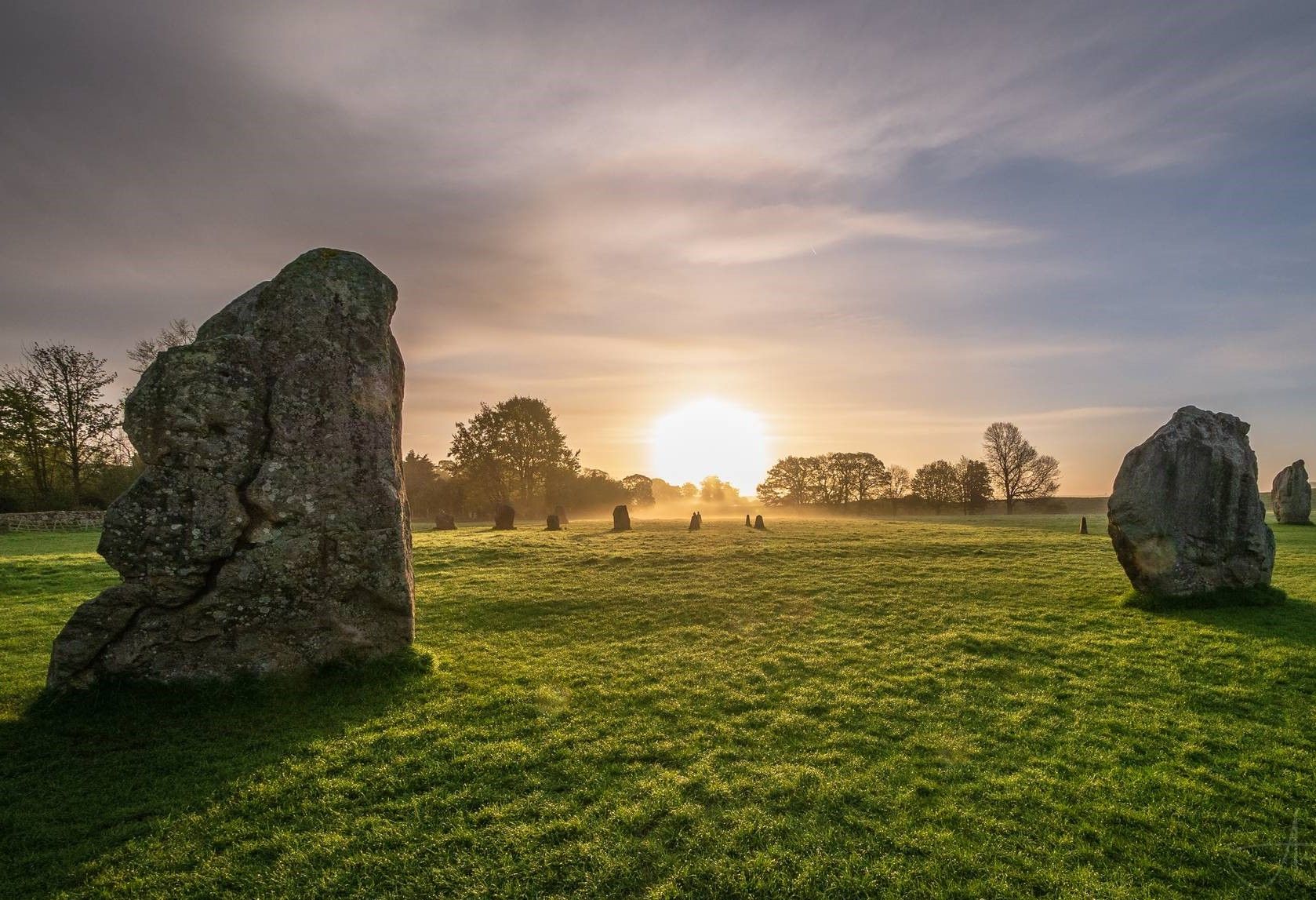
Celtic Way — An epic pilgrimage through prehistory and wild beauty
East Devon Trail — wildlife spotting from coast to country
E9 Plymouth to Dover — An epic exploration of England's south coast
Just Around The Corner — exploring the best of the South West by bike

GB Divide — Great Britain end to end off-road on GBDURO
Hiking the Orange Way — Southern England in the footsteps of a king
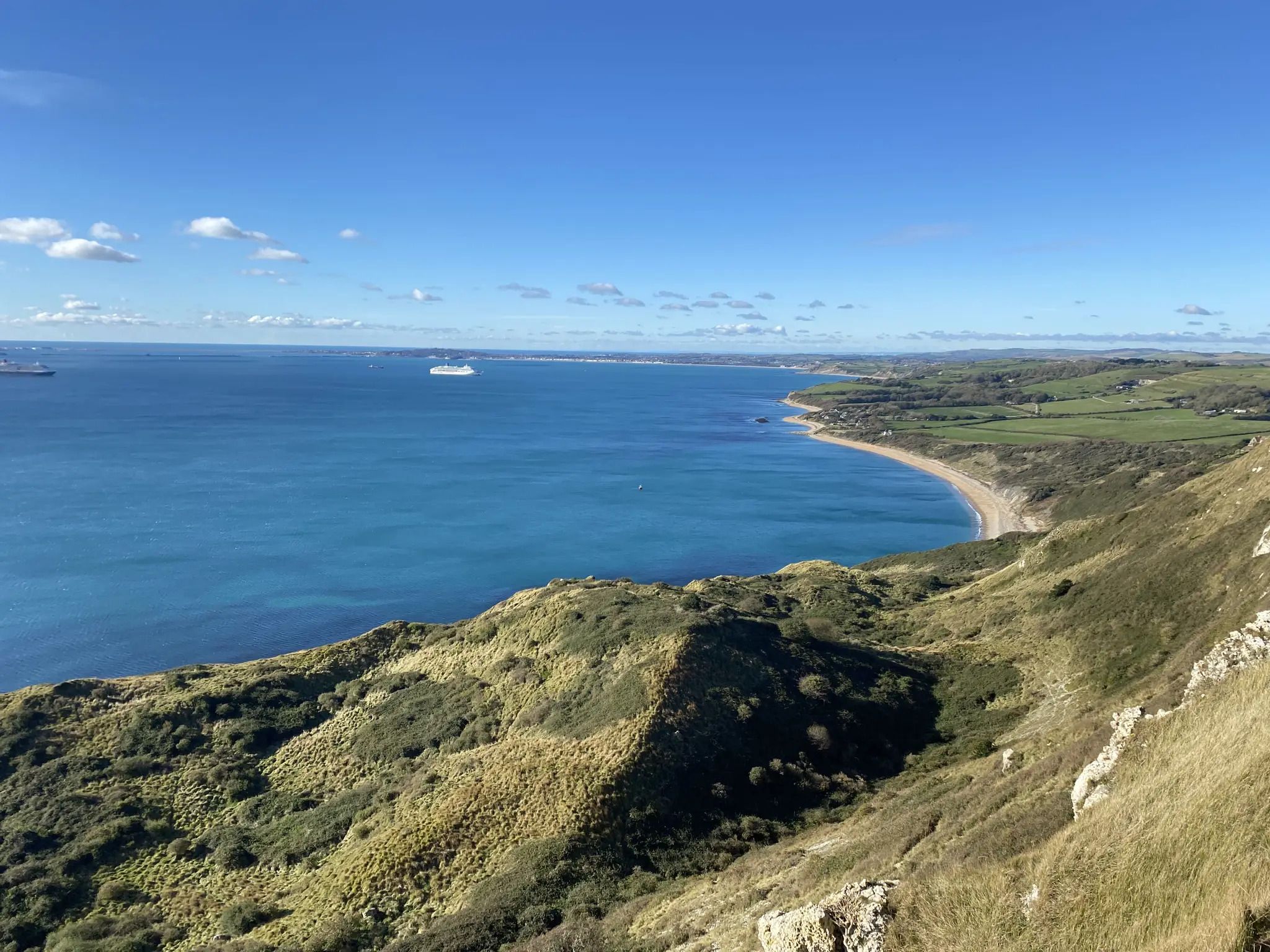
Jurassic Coast – Long Distance Walking in the South of England
Other adventures in Devon


Tips from the Community


Perfect location to rest and watch the world go by.
1
0

Don't know it's selected those pics, but there we go. lol
2
0

Beer Quarry Caves are former underground limestone quarries near Beer in the county of Devon on the English Channel coast. The village of Beer is about two kilometers west of Seaton and 13 kilometers east of Sidmouth. The caves can only be visited with a guide. Entrance fee 11 pounds. Afterwards, it is worth taking a walk through the village of Beer and having a coffee or tea on the beach.
0
0

Beer Quarry Caves is a man-made limestone underground complex located about a mile west of the village of Beer, Devon, and the main source in England for beer stone. The tunnels resulted from 2,000 years of quarrying beer stone, which was particularly favoured for cathedral and church features such as door and window surrounds because of its colour and workability for carving. Stone from the quarry was used in the construction of several of southern England's ancient cathedrals and a number of other important buildings as well as for many town and village churches, and for some buildings in the United States.
7
0


Bats from the caves at Chudleigh Rock fly through this tunnel at dusk on their way to their hunting grounds, including nationally rare Greater Horseshoe bats which you'll have a good chance of seeing.
3
0

This cave, known locally as 'Pixie's Parlour', is situated on the east bank of the River Otter, near Ottery St. Mary, Devon. Pixie Day is an old tradition which takes place annually in June, commemorating a legend that tells of of pixies being banished from the town to the local caves known as the 'Pixie's Parlour'.
1
0
Frequently Asked Questions
What are some of the most historically significant caves in Devon?
Devon is rich in historical underground sites. Kents Cavern in Torquay is one of Europe's most important Stone Age sites, known for early human fossils and Ice Age animal remains. The Beer Quarry Caves are ancient man-made mines, where 'Beer stone' was quarried for over 2,000 years, used in buildings like Exeter Cathedral. Exeter's Underground Passages offer a unique glimpse into medieval engineering, built to supply the city with fresh water.
Are there any family-friendly caves to visit in Devon?
Yes, Kents Cavern is highly recommended for families. It offers easily accessible caverns with concrete paths, guided tours, and a Woodland Trail featuring Ice Age animal statues. The constant 14°C temperature inside makes it a comfortable visit year-round. While not a cave, Exeter's Underground Passages also offer guided tours suitable for families interested in history.
What unique natural features can I expect to see in Devon's caves?
Devon's caves showcase diverse natural wonders. Kents Cavern is famous for its spectacular stalagmites, stalactites, pillars, and flowstone formations. For the more adventurous, Pridhamsleigh Cavern features a sizable underground lake. Reed's Cave is known for its incredibly beautiful and delicate cave formations, though access is often restricted to protect them. You can also find aragonite formations in Bunker's Hole.
Which caves in Devon are important for wildlife, especially bats?
The Chudleigh Bat Tunnel is a significant site for bats, including the nationally rare Greater Horseshoe bats, which use the tunnel as they head to their hunting grounds at dusk. Many other caves in Devon provide crucial habitats for various bat species, making them important for conservation.
What kind of archaeological discoveries have been made in Devon's caves?
Devon's caves have yielded significant archaeological finds. Kents Cavern is renowned for the discovery of the oldest known modern human fossil from North-West Europe (a human jawbone) and extensive evidence of Ice Age beasts and early human inhabitants. Joint Mitnor Cave is another crucial site, containing the richest deposit of interglacial remains yet found in Britain, offering insights into ancient ecosystems.
Are there opportunities for experienced cavers in Devon?
Yes, Devon offers challenging experiences for seasoned cavers. Pridhamsleigh Cavern, located near Buckfastleigh, is a large cave system with an underground lake, appealing to those seeking extensive exploration. Afton Red Rift is known for its challenging traversing sections. Access to these more complex systems typically requires caving experience and specialized equipment.
What is the best time of year to visit caves in Devon?
Many of Devon's show caves, like Kents Cavern and Beer Quarry Caves, maintain a constant temperature year-round, making them suitable for visiting in any season. However, for wild caving, it's generally best to avoid periods of heavy rainfall, which can lead to flooding. Always check local conditions and opening times before planning your trip.
Do I need a permit to explore wild caves in Devon?
For many wild caves in Devon, especially those on private land or with restricted access due to conservation (like Reed's Cave), permits or prior arrangements with landowners or caving clubs are often required. It's crucial to research specific cave access rules and ensure you have the necessary permissions and safety equipment before attempting to explore any wild cave.
What outdoor activities can I do near the caves in Devon?
Devon offers a wide range of outdoor activities near its caves. You can find numerous running trails, such as the 'Riverside Valley Park & River Exe loop from Exeter' or the 'South West Coast Path: Torcross and Prawle Point Loop'. Cycling enthusiasts can enjoy routes like 'The Exe Estuary trail loop from Exeter to Exmouth'. For hikers, there are easy trails like 'Lydford Castle & Whitelady Waterfall loop of Lydford Gorge'. You can explore more options on the Running Trails in Devon, Cycling in Devon, and Easy Hikes in Devon guide pages.
Are there any caves in Devon associated with local folklore or legends?
Yes, Pixie's Parlour Cave, situated on the east bank of the River Otter, is famously associated with local folklore. It plays a central role in the legend commemorated by Pixie Day, an annual tradition that tells of pixies being banished from the town to these very caves.
Where can I find coastal caves in Devon?
Devon's coastline, particularly along the Jurassic Coast, features several interesting caves. Beer Head offers magnificent views over Seaton Bay, and the beaches below are known for fascinating caves and fossil collecting opportunities. You can also find cliff caves near Branscombe Beach, providing scenic viewpoints.
Most popular routes in Devon
Most popular attractions in Devon

Get inspired with the komoot mobile app


Explore more
Extend your search for the best caves by checking out these guides of the top ones in Devon:
