레말라르 앙페르슈 최고의 라이딩 경로
4.1
(46)
1,200
자전거 타는 사람
34
라이딩
레말라르 앙페르슈의 로드 사이클링 경로를 찾으시나요? 그렇다면 레말라르 앙페르슈 로드 라이딩 컬렉션 중에서 가장 멋진 라이딩 장소를 아래에서 살펴보세요.
마지막 업데이트: 8월 26, 2026
4.5
(4)
141
자전거 타는 사람
138km
06:31
770m
770m
어려운 도로 자전거 타기. 우수한 체력 필요. 투어 중 라이딩하기 어려운 비포장 구간이 있을 수 있음.
4.0
(1)
8
자전거 타는 사람
39.0km
01:38
250m
250m
초급용 로드 라이딩. 모든 체력 수준에 적합. 지면 대부분이 잘 포장되어 있고 라이딩하기 쉬움.

무료 회원 가입
4.0
(3)
8
자전거 타는 사람
42.5km
02:02
290m
290m
보통 도로 자전거 타기. 좋은 체력 필요. 투어 중 라이딩하기 어려운 비포장 구간이 있을 수 있음.
4
자전거 타는 사람
41.9km
01:52
340m
330m
보통 도로 자전거 타기. 좋은 체력 필요. 지면 대부분이 잘 포장되어 있고 라이딩하기 쉬움.
10
자전거 타는 사람
47.4km
02:04
380m
380m
보통 도로 자전거 타기. 좋은 체력 필요. 지면 대부분이 잘 포장되어 있고 라이딩하기 쉬움.
더 다양한 경로와 다른 탐험가들의 추천을 살펴보세요.
무료 회원 가입
이미 komoot 계정이 있나요?
투어 추천은 다른 사람들이 komoot에서 완료한 수천 개의 활동을 바탕으로 구성되어 있습니다.
오늘 무료 계정으로 시작하세요
다음 모험이 기다리고 있어요.
로그인 또는 가입하기
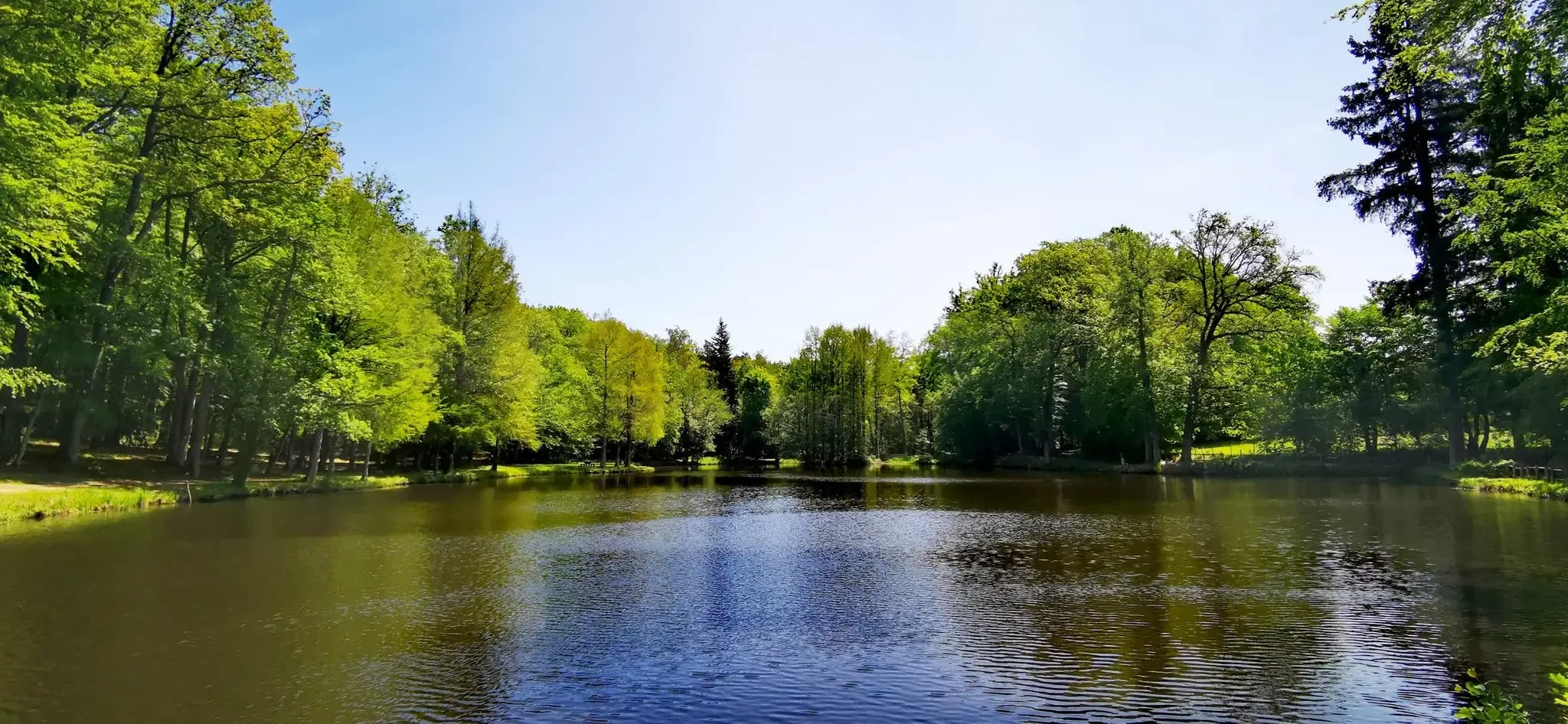
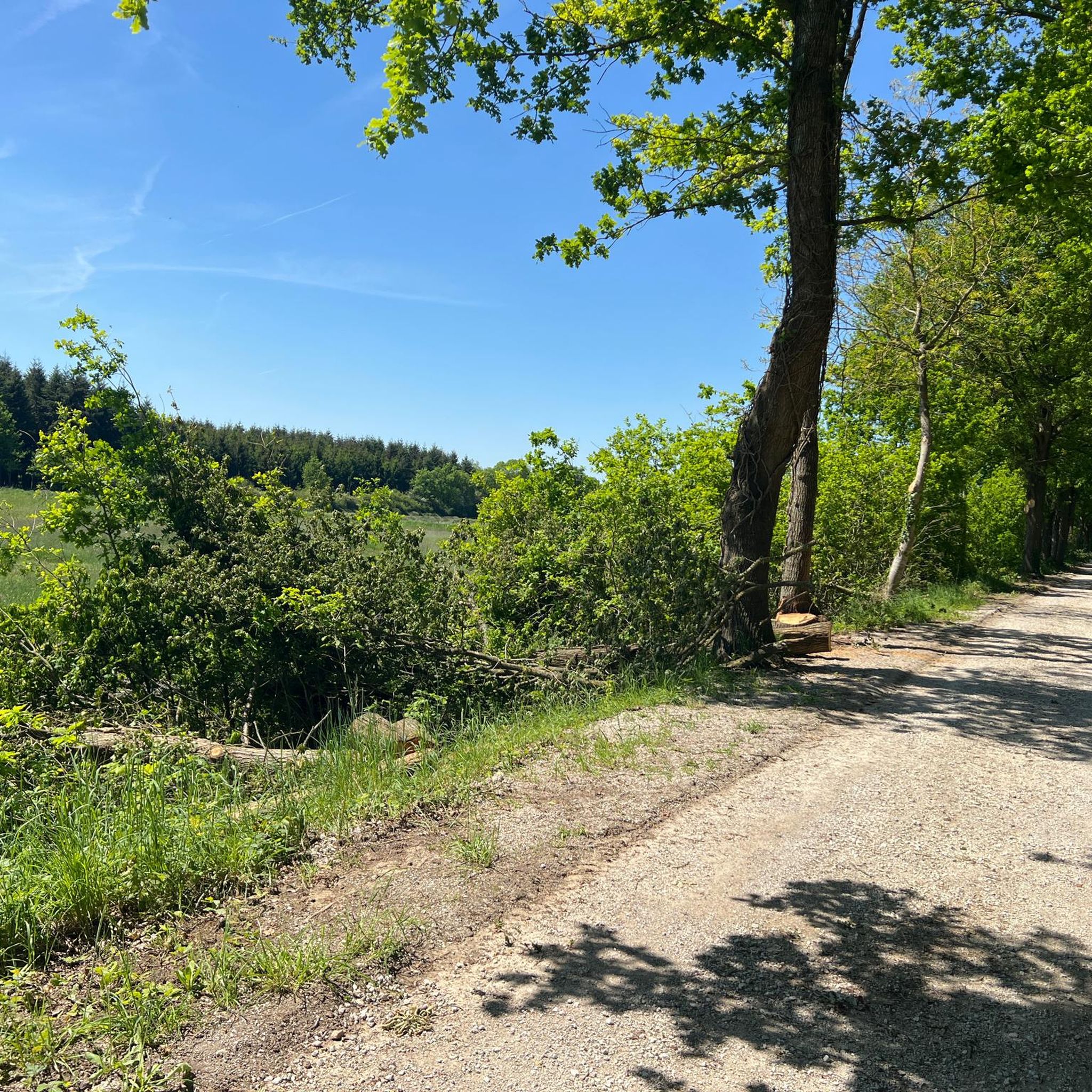


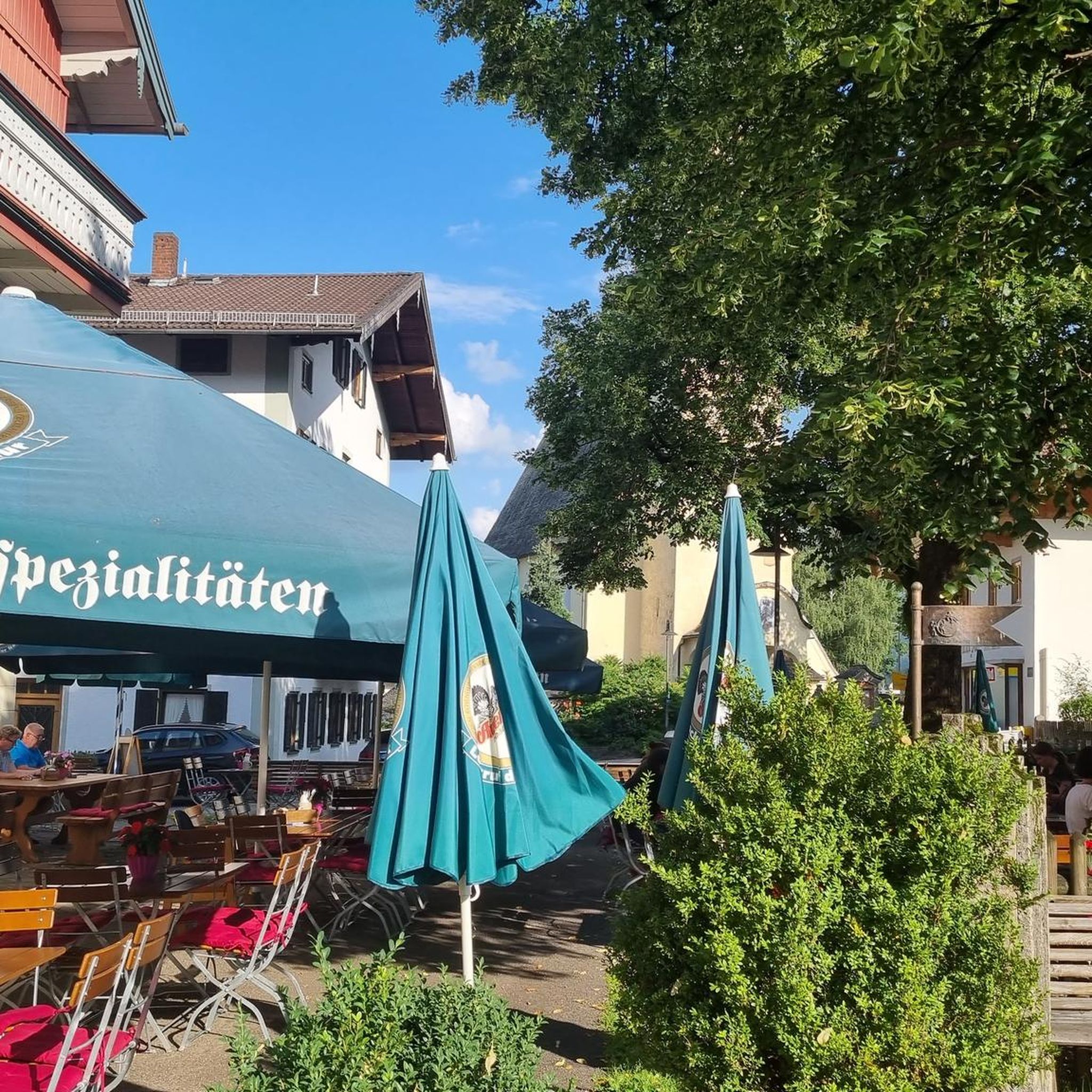

레말라르 앙페르슈 주변의 다른 모험

커뮤니티 팁

From the 11th century, only the lower part of the bell tower remains. The church was rebuilt in the 14th century in the Gothic style. Since then, the church has undergone only partial alterations and restorations. Church with an elongated plan. Nave flanked by two side aisles. Polygonal chevet flanked by a small building. Bell tower flanking the left side aisle with a double gable roof topped by an octagonal spire. Pointed arch portal with voussoirs, surmounted by a polylobed rose window. Pointed arch bays. Buttresses flanking the building.
0
0
The church of Saint-Germain-des-Grois, dedicated to Saint Germain, is a charming church in the canton of Rémalard in the heart of Perche. Built in the Romanesque style with its 12th-century choir, it was considerably enlarged during the 15th and 16th centuries, the periods in which the construction of the side aisles took place. The church was under the jurisdiction of the abbey of Saint-Lomer-de-Blois for its presentation to the parish priest. Its curious exterior volume attracts even more attention as the right wing of a building adjoining the church largely obscures the left side of its façade, in line with the aisle; this construction, moreover, resembles that of an old priory. The building consists of a nave of three bays, flanked by side aisles opening onto the central nave through large arches with a broken profile resting on large circular piers and a choir of one bay in the extension of the central nave ending in a flat chevet. A modest sacristy adjoins the building to the southeast. Outside, the side aisles are covered with successive gables, with the exception of the first bay of the north aisle covered by a square-plan, squat bell tower whose exterior volume, close to that of a bell tower, barely dominates the roof of the building which leans against its base. The three gables covering the right aisle do not follow an identical profile, the slope of the framework and the roof of the first of them, to the west, having been the subject of a significant restoration in the 19th century. At the same time, the two gables of the north aisle were also restored. As for the choir, of smaller volume, it has retained on its north and south sides a cornice with modillions; it constitutes the oldest part of the building. Inside, the nave is covered with a recently restored paneled vault, while the side aisles are vaulted on ribbed vaults, the ribs of which are received by ornate corbels. The church is lit thanks to the large bays with radiating tracery pierced in the walls of the side aisles. Among the notable elements of the furniture, it is worth mentioning the two monumental stone altarpieces which adorn the side altars, works of the 17th and 18th centuries; that of the south aisle houses statues of Saint Sebastian, Saint Joseph and Saint Germain and a finely worked gilded wooden tabernacle from the 17th century, with a dome and small columns. For drainage, the restoration of the masonry, particularly the buttresses, and for the restoration of the lower roof of the bell tower, the Sauvegarde de l’Art français granted a grant of 70,000 F in 1999.
0
0
The Church of Saint-Pierre, under the Ancien Régime, part of the deanery of Bellême, in the diocese of Sées, is located in the heart of the village of Saint-Pierre-la-Bruyère, in the Perche region. This building features a relatively high nave, surmounted by a slate bell tower, extending into a square-plan choir, much lower, flanked by a rectangular chapel to the south. The façade is supported by four powerful buttresses that appear to date from the late Middle Ages. It features a basket-handle lintel entrance door, dating from the late Gothic period. This door replaced a Romanesque doorway whose semicircular arch appears above the Gothic opening. It is surmounted by a pointed window. The northern drip wall is flanked, where it meets the western façade, by a brick staircase turret leading to the attic. The nave was built in the Romanesque period, as evidenced by the small round-arched windows in the upper part of the north drip wall. The bell tower is supported by four posts set within the nave's volume behind the façade wall. The three bays delimited by these posts are covered by a plastered wooden vault, lower than the nave vault, built in the 18th century. The triumphal arch is quite small. It is flanked by two finely crafted stone altarpieces. The choir is adorned with a large stone altarpiece with three sides delimited by four columns, surmounted by a richly decorated cornice crowned with fire pots. The high altar and side altars, in the same style, were built after the episcopal visit of 1706. They are a representative example of the quality of the renovations carried out in Percheron churches in the 17th and 18th centuries. A seigneurial chapel, built in the late 15th or early 16th centuries to the south of the choir, was converted into a sacristy between 1701 and 1706, to satisfy the observations made during the episcopal visitations. The arch opening onto the choir was walled up for this purpose. Aside from the altarpieces, the church contains few furnishings: an 18th-century stone Virgin Mary and a 16th-century baptismal font. The Sauvegarde de l'Art Français (French Art Protection Agency) granted €4,000 in grants in 2005 for the restoration of the roof.
0
0
Church built in the 12th and 16th centuries. Listed apse from the 12th century. 4-storey bell tower. Corner buttress bell with staircase turret. Renaissance portal. Large Gothic window above the portal. 16th century roof and nave. Stone statue of a bishop, 16th century paintings.
0
0
The Saint-Martin church, listed as a Historic Monument, is located in Nocé, Normandy. It was probably built in the 12th century near the ruined and abandoned Nocé castle after the Hundred Years' War. Originally, the church was surrounded by a cemetery that was moved in the 18th century. In the 15th century, the walls were razed and the Romanesque framework of the nave replaced by a new paneled framework. In the 16th century, after the troubles of the Hundred Years' War, the building was modified: a single large roof was built in place of the various previous volumes and the framework was transformed, a new chapel was added against the south facade and a stone bell tower was built to the right of the nave. This tower, square from base to top, stands twenty meters high. The church is composed of a rectangular nave, three bays and a choir with a Romanesque semicircular chevet. A succession of three chapels opens a side aisle separated from the nave by pillars. The chapels are covered with ribbed vaults. A sacristy is fitted out behind the church. Note the altarpiece and the tabernacle in painted and gilded wood with steps, installed in the choir and lit by two bays with tracery, a painting presenting the disciples of Emmaus and one of the Annunciation, as well as a polychrome terracotta statue and a stone statue of Saint Madeleine without forgetting a stone statue of Our Lady of Pity.
0
0

Very beautiful start to the route with an arrival at this magnificent mill
2
0
Near the old castle of the barons of Longny, whose ditches occupied part of the large square, the church was built at the end of the 15th century. A large tiled roof covers the nave, whose wooden vault was redone in the 19th century. in bricks and plaster, and the vaulted stone aisle with ribbed arches. As in Armentières (see 1st page of this booklet), this church is under the patronage of Saint Martin, Bishop of Tours. From the top of the niche at the top of the large painted stone altarpiece from the 17th century, its older statue wearing the cope, the miter and the crosier addresses us its blessing. More accessible, on the right wall near the entrance, a pretty Virgin and Child, crowned and holding a scepter, with a mantle lined with ermine, discreetly reigns over this place. The construction of the organ gallery in the 19th century. resulted in the removal of a large flamboyant style window above the porch. Lovers of religious music won't complain. Fortunately, the high bell tower has retained most of its exterior decor, remarkable for a set of statues from the first half of the 16th century, symbols of the virtues of Prudence, Temperance, Faith, Hope. Framed in the upper pediment, we see that of Saint Martin as a horseman, sharing his cloak with a poor man. With the time of the Revolution, which transformed the church into a “Temple of the Supreme Being”, then into a saltpeter workshop, its restoration was an opportunity to buy back, at the expense of the parish factory and the brotherhood. of charity, the two secondary altars from the 18th century. placed on both sides of the choir. They came from the old charterhouse of ValDieu, as well as the two paintings, Saint Bruno and the Adoration of the Shepherds, from the 17th and 18th centuries. Also note, in the choir of the church, the statues of the four evangelists Matthew, Mark, Luke and John. To those who have not paid attention to it, let us leave it to them to discover the painting of Saint Anne with the Virgin. His presence today recalls the important role of Longny in the large parish of Sainte-Anne-du-Perche. The church is open every day from 9 a.m. to 7 p.m.
0
0

Listed as a historic monument since 1975, the Saint-Pierre church dates from the 13th century. It is located in the pretty little town of Mauves-sur-Huisne.
2
0
레말라르 앙페르슈 주변에서 가장 인기 있는 명소


더 살펴보기
다른 지역의 최고의 로드 사이클링 경로를 살펴보세요.
