솔리니-라-트라페 최고의 라이딩 경로
4.8
(21)
314
자전거 타는 사람
75
라이딩
솔리니-라-트라페의 로드 사이클링 경로를 찾으시나요? 그렇다면 솔리니-라-트라페 로드 라이딩 컬렉션 중에서 가장 멋진 라이딩 장소를 아래에서 살펴보세요.
마지막 업데이트: 10월 5, 2026
13
자전거 타는 사람
65.8km
02:58
430m
430m
보통 도로 자전거 타기. 좋은 체력 필요. 지면 대부분이 잘 포장되어 있고 라이딩하기 쉬움.
4
자전거 타는 사람
77.1km
03:39
920m
920m
어려운 도로 자전거 타기. 우수한 체력 필요. 지면 대부분이 잘 포장되어 있고 라이딩하기 쉬움.

5.0
(1)
6
자전거 타는 사람
33.6km
01:27
300m
300m
초급용 로드 라이딩. 모든 체력 수준에 적합. 지면 대부분이 잘 포장되어 있고 라이딩하기 쉬움.
5
자전거 타는 사람
43.6km
02:03
440m
440m
보통 도로 자전거 타기. 좋은 체력 필요. 지면 대부분이 잘 포장되어 있고 라이딩하기 쉬움.
5.0
(2)
5
자전거 타는 사람
52.4km
02:15
350m
350m
보통 도로 자전거 타기. 좋은 체력 필요. 지면 대부분이 잘 포장되어 있고 라이딩하기 쉬움.
더 다양한 경로와 다른 탐험가들의 추천을 살펴보세요.
이미 komoot 계정이 있나요?
투어 추천은 다른 사람들이 komoot에서 완료한 수천 개의 활동을 바탕으로 구성되어 있습니다.
오늘 무료 계정으로 시작하세요
다음 모험이 기다리고 있어요.
솔리니-라-트라페 주변 인기 장소

커뮤니티 팁


In the center of Randonnai, the 16th-century Saint-Malo church, enlarged in 1836, houses several works classified as Historic Monuments, including a classical altarpiece with paintings of Saint Andrew and Saint Sebastian. Funeral slabs serve as threshold steps. Inside, a plaque commemorates the departure of Pierre Tremblay (whose birthplace is in La Filonnière) in 1647 for New France. He is the ancestor of the Tremblays of Quebec and North America.
0
0

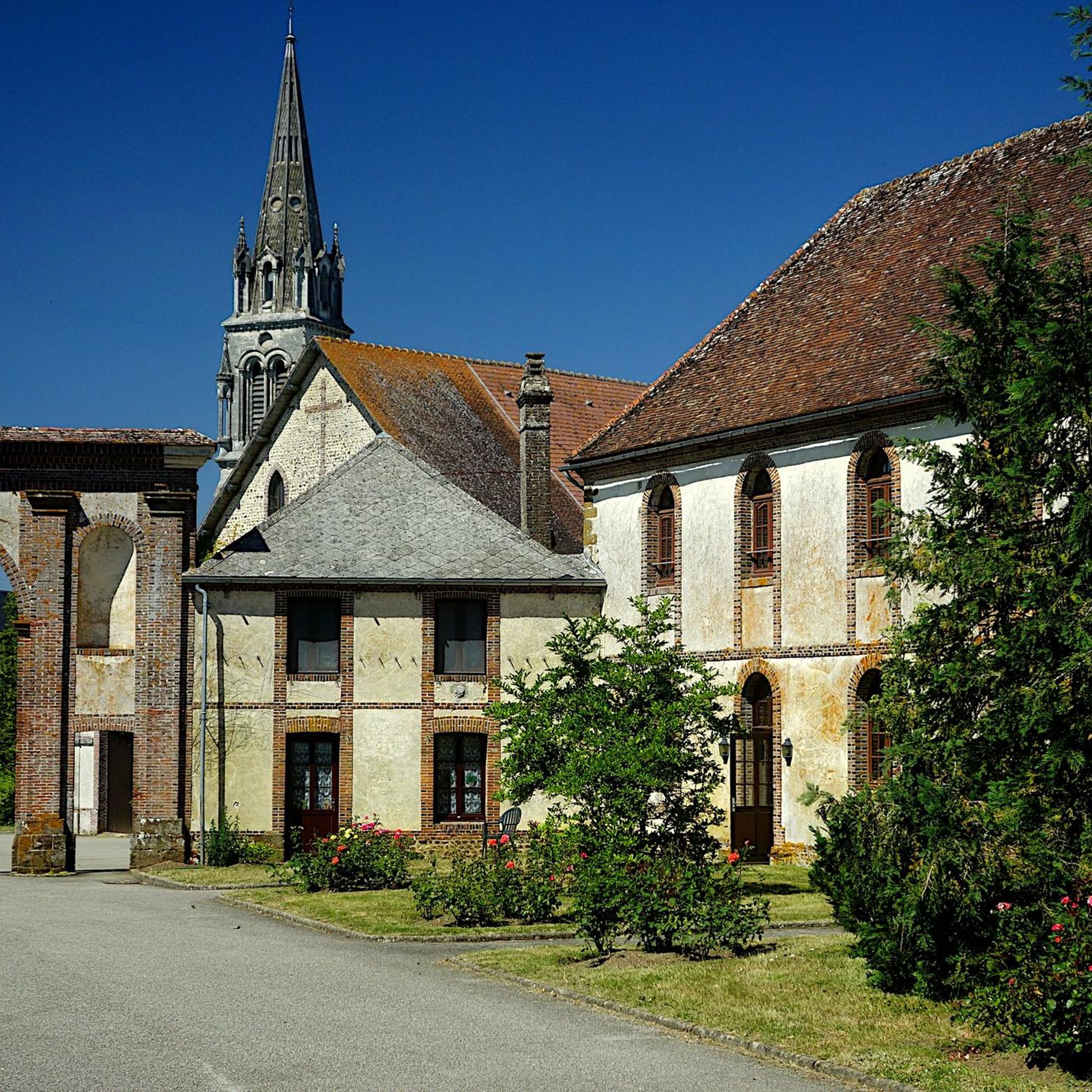
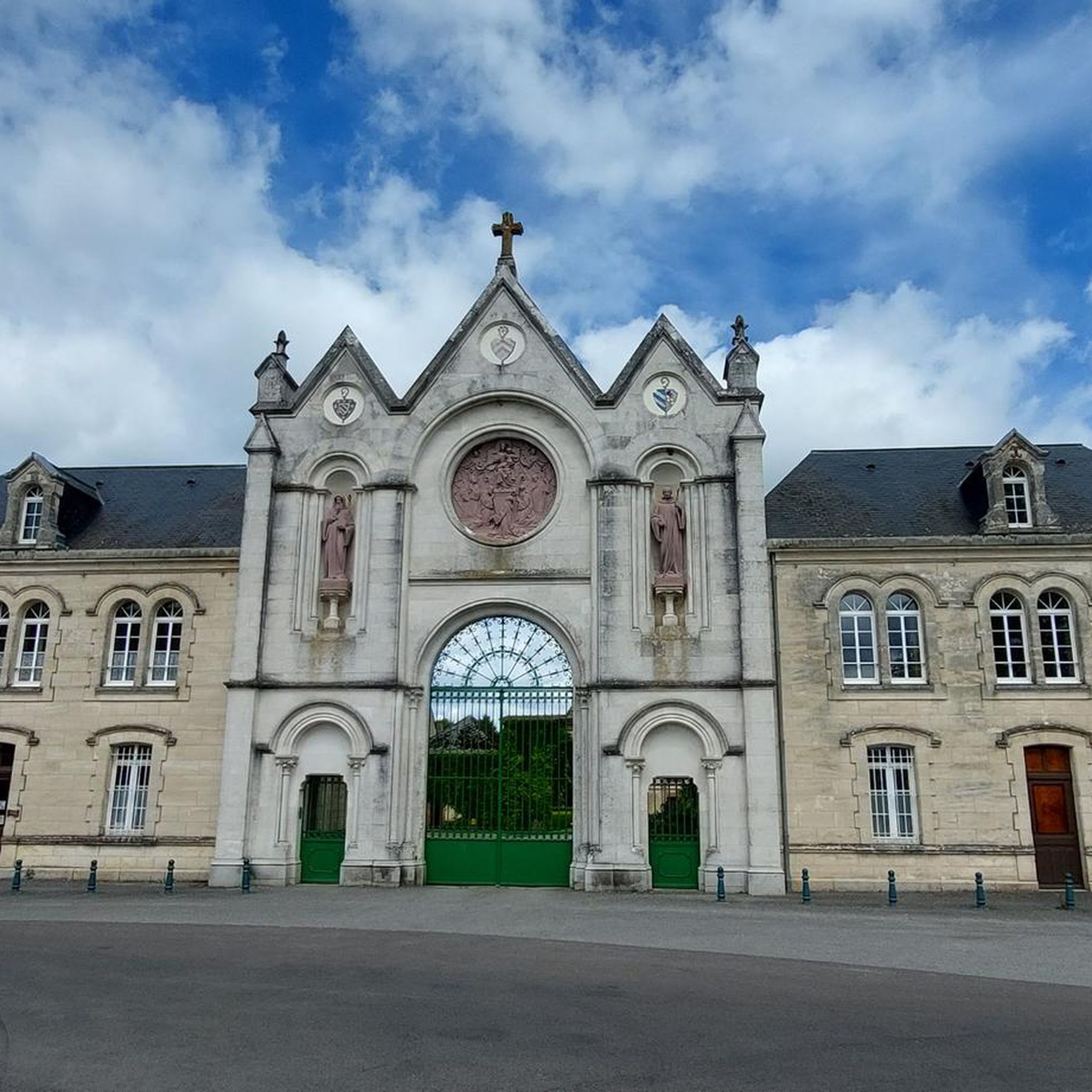
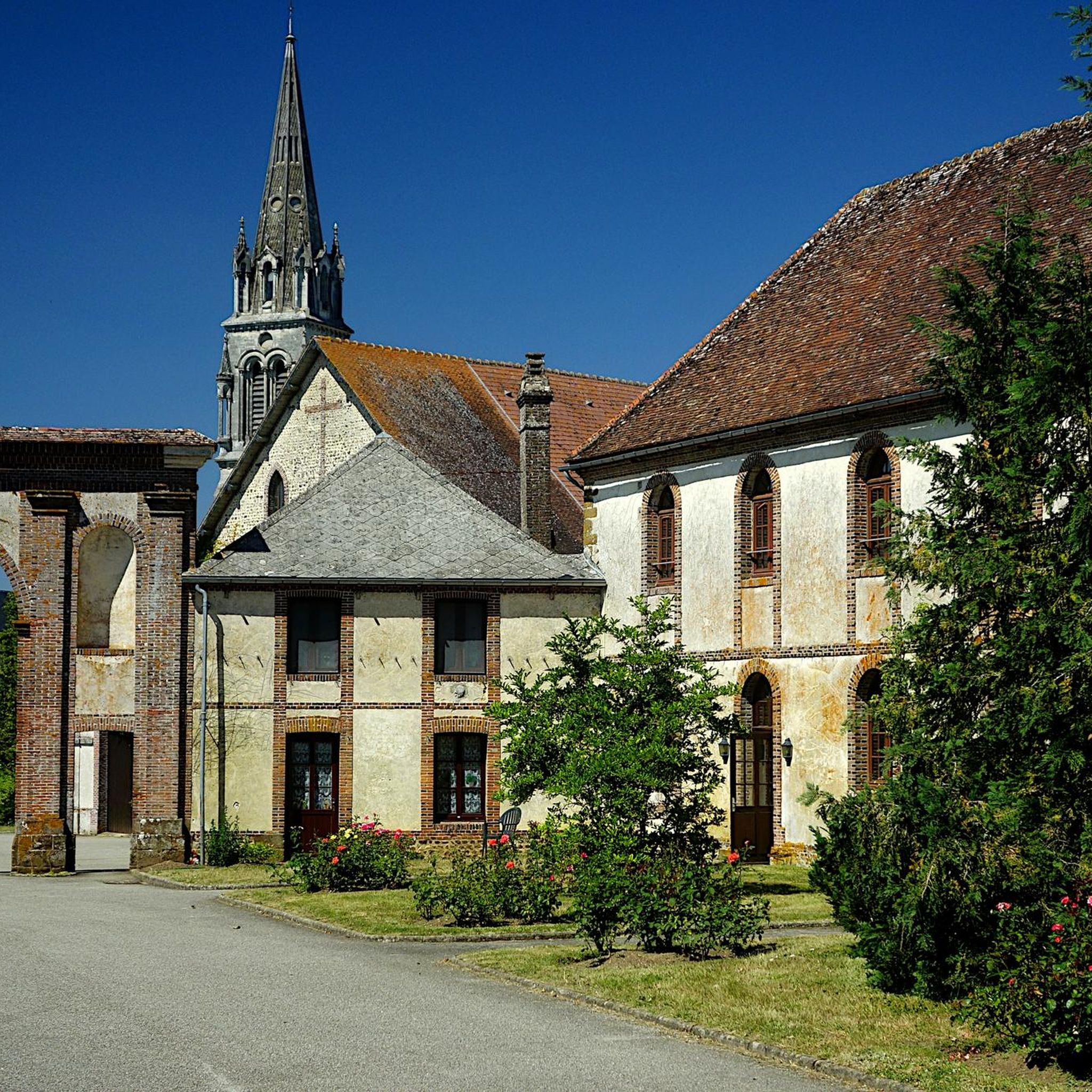
The priory was founded at the beginning of the 11th century and is dedicated to Saint Gauburge (or Walburge), abbess of a large Bavarian monastery in the 8th century. Originally owned by the lords of Bellême, it passed, from the 12th century, to the Royal Abbey of Saint-Denis-en-France. From the end of the 15th century, it was directly dependent on royal power until the Revolution. An important rural estate, its buildings bear witness to its special status and the magnitude of its revenues. Since 1972, it has housed the headquarters of the Perche Ecomuseum, which bears witness to the peasant life of the Perche and develops a diverse cultural program.
0
0
The small church of Dame Marie was part of a large priory founded in the 11th century under the control of Jumièges Abbey. The monks left the priory between 1701 and 1789, and it was sold as national property in 1792. In 1850, an imposing bell tower porch was built, which was demolished in 2006 and replaced by the current shingled bell tower, allowing the reconstruction of the old Romanesque porch.
0
0


Right next to the town hall, the ideal place for a break
0
0
The name of the parish is attested in the forms Sanctus Jovinus in 1147, Saint Jouin in 1429, Saint-Jouin-de-Blavon in 1801. Saint Jouin (in Latin Jovinus), brother of Saint Maximin, was a hermit in Poitou. The determinant refers to the forest of Blavou mentioned around 850 in the Acts of the bishops of Le Mans, it is no longer present today except by the toponyms: Saint Jouin de Blavou
0
1
In the nearby park shaded by large trees, the ruins of fortifications recall the memory of the six towers of the old castle built in the 11th century……. In the nearby park shaded by large trees, the ruins of fortifications recall the memory of the six towers of the old castle built in the 11th century by Geoffroy IV, Count of Perche, in order to control this border region near the Chartres region, Normandy, and the possessions of the Lords of Bellême and Alençon which extended as far as Sées. During the Hundred Years' War, Charles, Count of Evreux and King of Navarre, allied with the English against the King of France, seized the fortress in 1364. It was then besieged and retaken on behalf of King Charles V by his younger brother Philip the Bold, Duke of Burgundy, using catapults that threw large stones to collapse sections of the walls. But after the English victory at Verneuil in 1424, they rushed to destroy Marchainville, setting fire to the town and the castle. The church, too, has experienced some vicissitudes. It occupies the site of a very old small monastery, given to the abbey of Saint-Evrouit by a certain Fulchierus of Chartres, who was chaplain to Baldwin I, King of Jerusalem and author of an account of the first crusade. The monks built the priory church in the 11th century, of which the thick right wall with its flat buttresses, the cornice in grison stone, and the support points of the descending roof, which housed a small adjoining cloister, still remain. The church was enlarged (end of the 15th or beginning of the 16th century) along its entire length by a side nave resting on stone arches, whose voussures connect without capitals to octagonal pillars. On the unfortunate initiative of Abbot Fleuriel, this side nave was knocked down in 1723, and the roof of the church lowered. It was not until 1810 that a new priest, Abbot Dubois, had the four arcades of the current chapel of the Virgin reopened. The three other old arcades, still visible, remain blocked in the left wall of the nave. Unfortunately, on March 15, 1820, the shock of an earthquake caused the old square bell tower of the priory, which was located above the entrance to the choir, to collapse, which caused considerable damage. Thanks to the generosity of the inhabitants and the personal contribution of the Bishop of Séez, the church was repaired and a new bell tower was erected next to the entrance porch in 1824. On the classical-style altarpiece, a painting, dated 1949, of the Holy Virgin surrounded by angels replaces the painting of the Assumption hanging in the nave. The 18th century tabernacle presents a pretty wooden statuette of the resurrected Christ, with on each side those of a holy bishop with a kneeling donor, and perhaps a Father of the Church. Two pretty statues of Saint Lawrence and Saint Peter adorn the altarpiece of the chapel of the Virgin, where in the center appears the traditional image of Our Lady of Victories presenting Jesus as a child on a starry sphere that symbolizes the world. Above, appear God the Father, his arms outstretched, and the Holy Spirit. Finally, let us not forget the curious statue of Saint Louis with his scepter, presenting the crown of thorns and the three nails of the crucifixion, nor the ancient painting, in the nave, of Saint Eloi as bishop, with his anvil of patron saint of blacksmiths.
0
0
솔리니-라-트라페 주변에서 가장 인기 있는 명소


더 살펴보기
다른 지역의 최고의 로드 사이클링 경로를 살펴보세요.
