게르트루이덴베르크 최고의 사이클링 경로
4.3
(135)
1,356
자전거 타는 사람
63
라이딩
게르트루이덴베르크 최고의 사이클링 경로를 따라 지역을 둘러볼까요? 게르트루이덴베르크에서 가장 멋진 자전거 라이딩 장소 중에서 가장 마음에 드는 라이딩을 선택해보세요.
마지막 업데이트: 8월 29, 2026
4.6
(49)
275
자전거 타는 사람
50.6km
02:57
60m
60m
보통 자전거 타기. 좋은 체력 필요. 대부분 포장된 지면. 실력과 관계없이 누구나 갈 수 있음.
78
자전거 타는 사람
15.6km
00:55
20m
20m
초급용 자전거 라이딩. 모든 체력 수준에 적합. 대부분 포장된 지면. 실력과 관계없이 누구나 갈 수 있음.

무료 회원 가입
3.6
(8)
57
자전거 타는 사람
22.8km
01:20
30m
30m
초급용 자전거 라이딩. 모든 체력 수준에 적합. 대부분 포장된 지면. 실력과 관계없이 누구나 갈 수 있음.
4.5
(2)
49
자전거 타는 사람
33.7km
02:00
50m
50m
보통 자전거 타기. 좋은 체력 필요. 대부분 포장된 지면. 실력과 관계없이 누구나 갈 수 있음.
4.2
(6)
52
자전거 타는 사람
21.7km
01:17
30m
30m
초급용 자전거 라이딩. 모든 체력 수준에 적합. 대부분 포장된 지면. 실력과 관계없이 누구나 갈 수 있음.
더 다양한 경로와 다른 탐험가들의 추천을 살펴보세요.
무료 회원 가입
이미 komoot 계정이 있나요?
투어 추천은 다른 사람들이 komoot에서 완료한 수천 개의 활동을 바탕으로 구성되어 있습니다.
오늘 무료 계정으로 시작하세요
다음 모험이 기다리고 있어요.
로그인 또는 가입하기
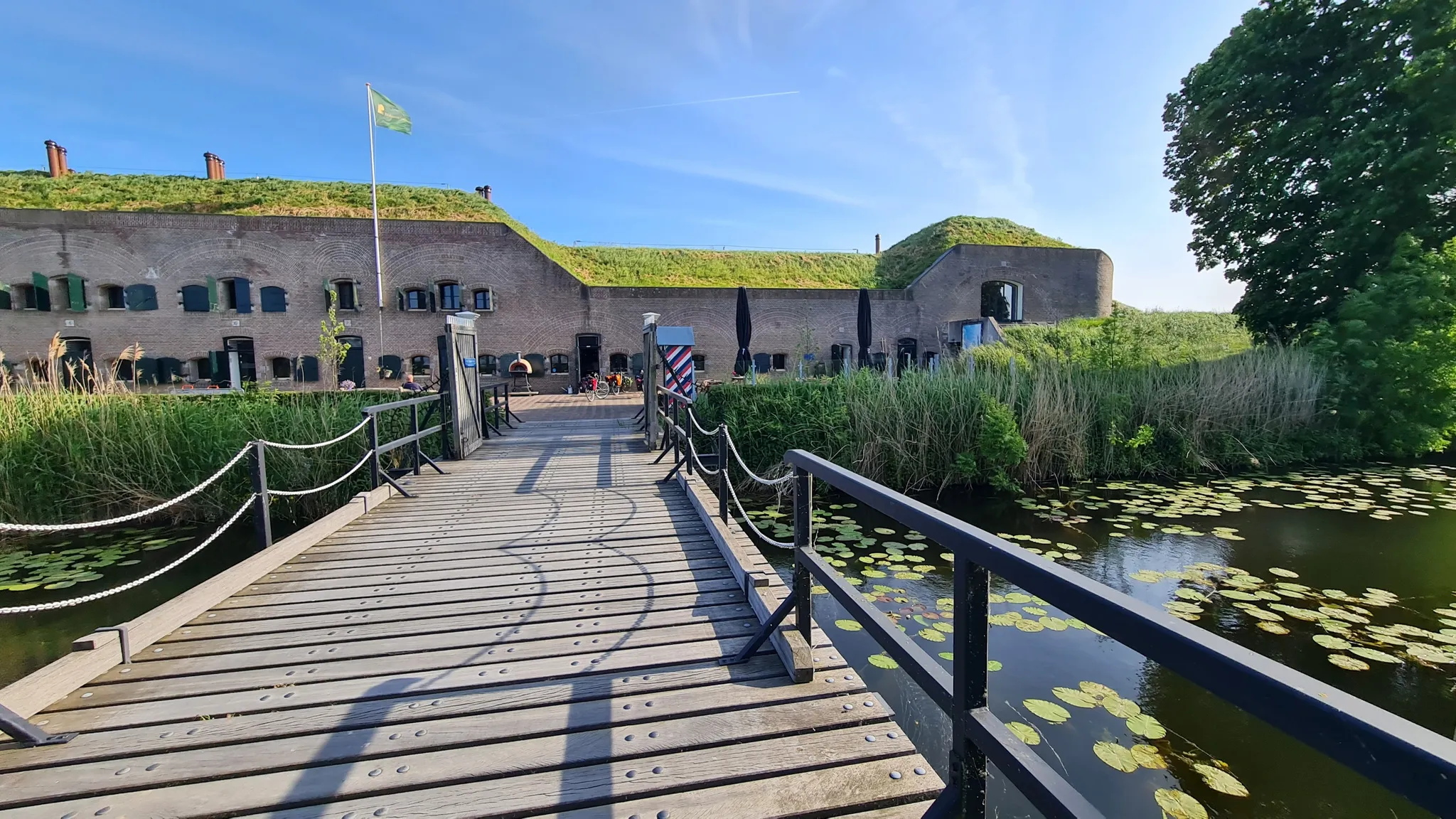
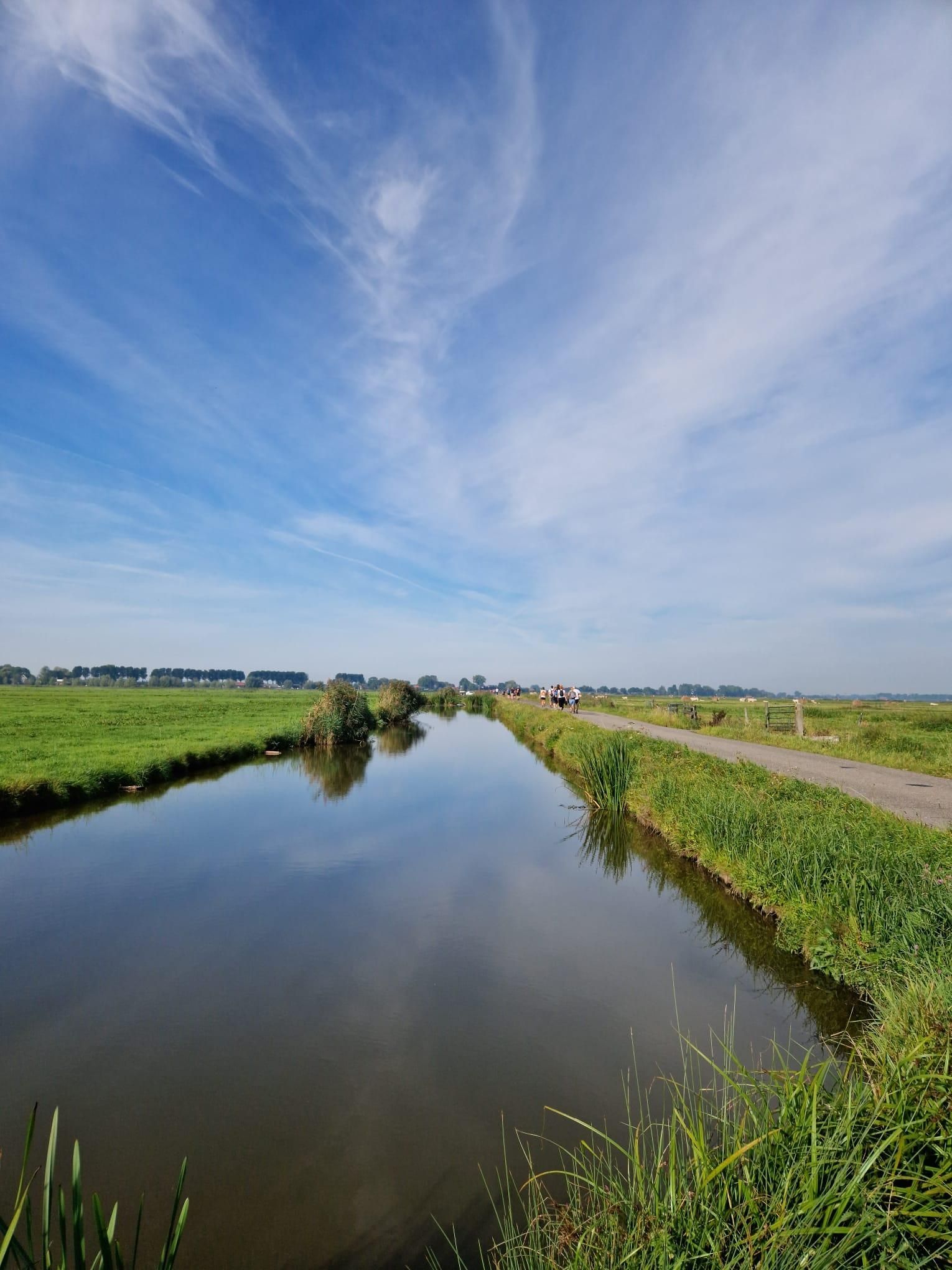
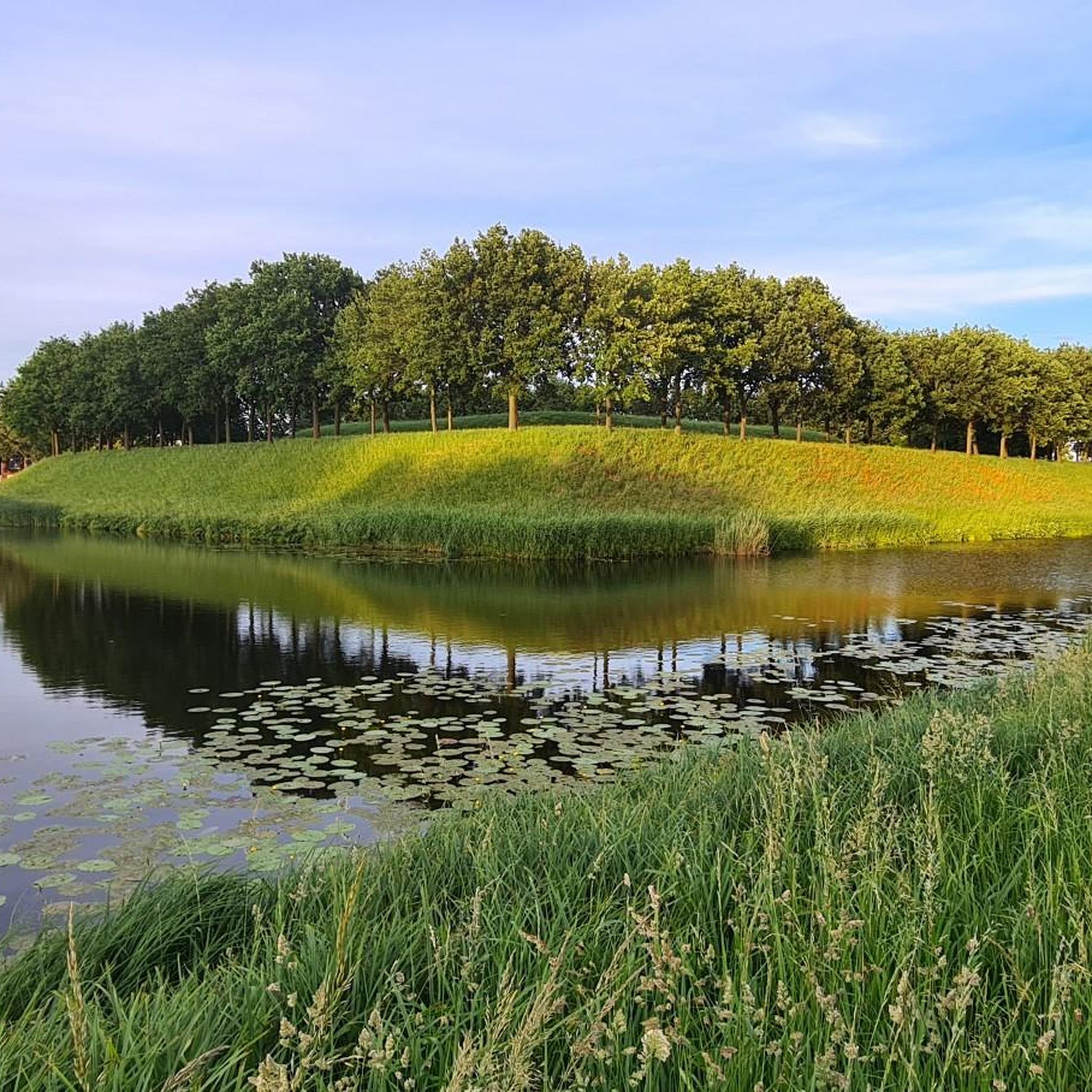
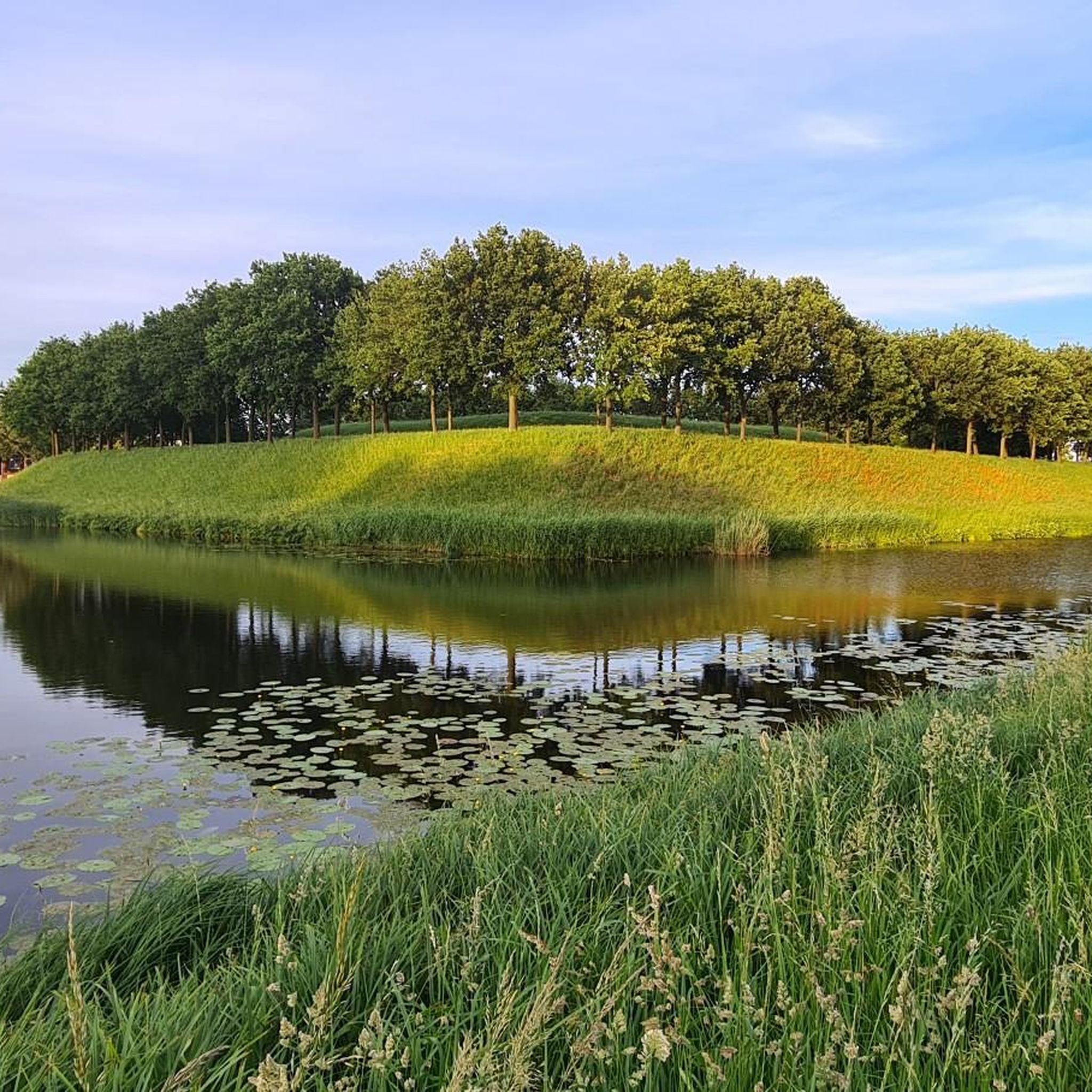
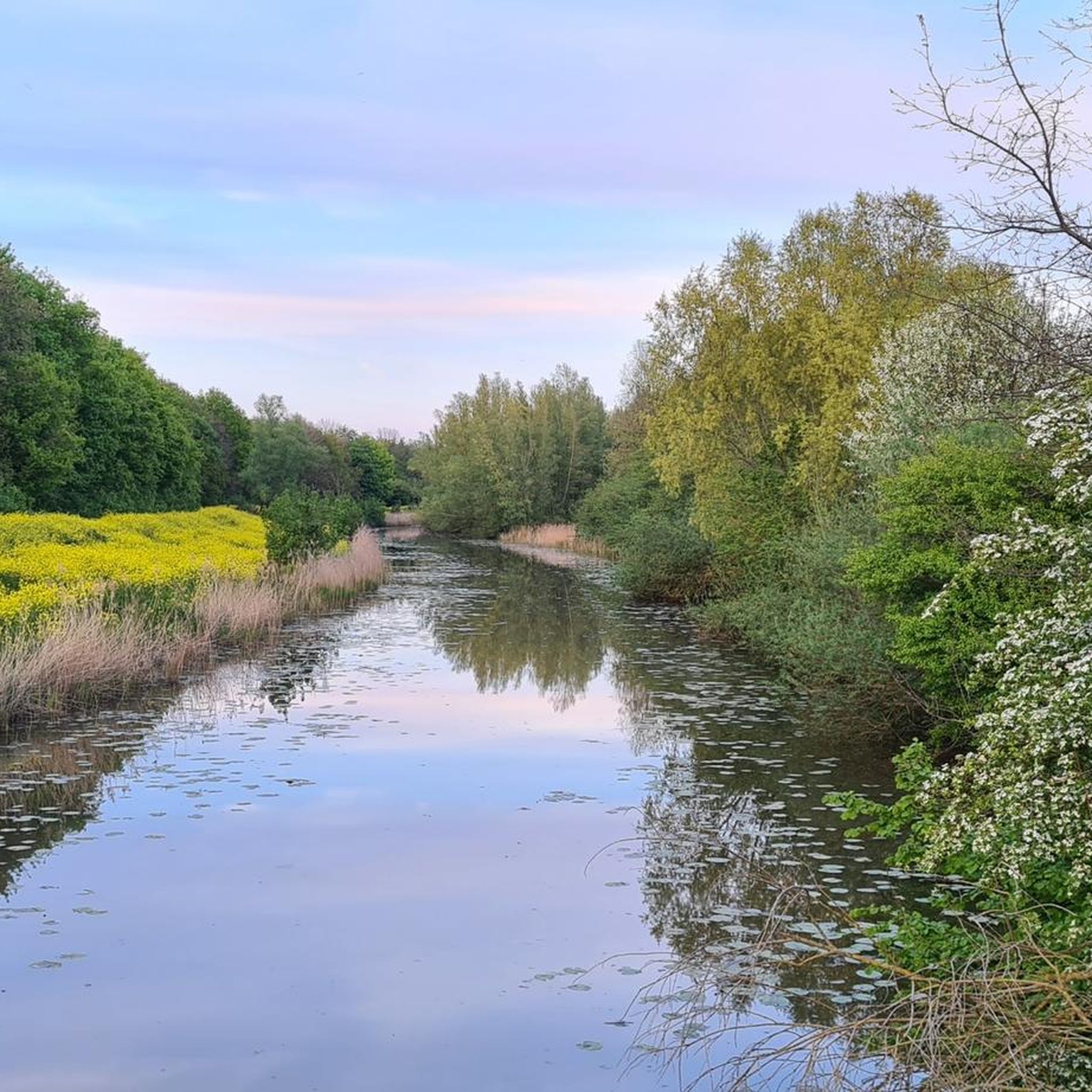
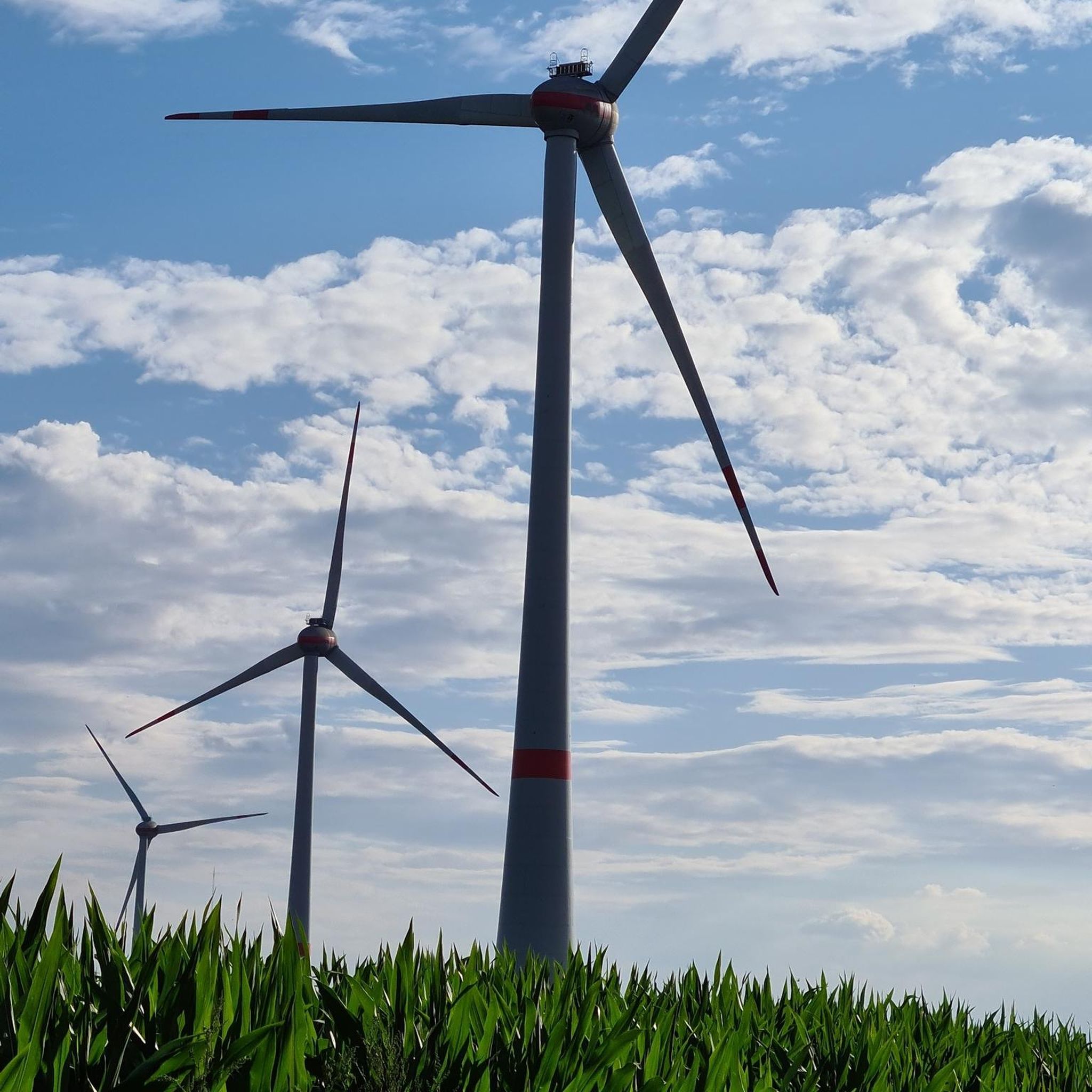
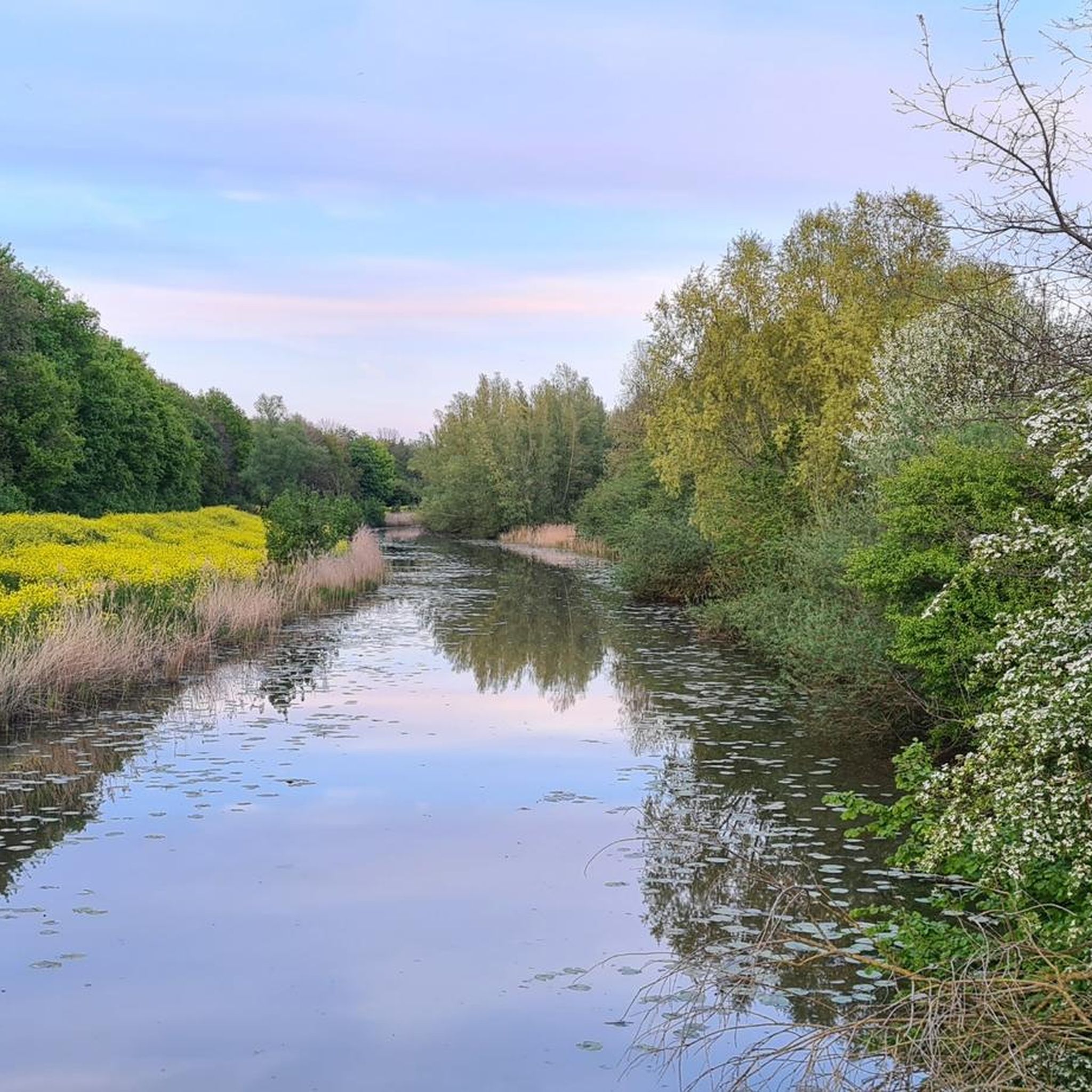


커뮤니티 팁

안타깝게도 2026년 8월 9일에 철갑상어가 받침대에서 제거되었습니다
0
0


The Biesbosch was originally polder land, but after a storm surge, the area transformed into an inland sea. Water from the Maas and Waal rivers transformed it into a freshwater delta. Sand and river silt formed sandbanks, which were particularly suitable for rushes. Hence the name 'Biesbosch'. When the Haringvliet inlet was later closed off, the large differences between high and low tides disappeared. Nature was given free rein, and the area became wilder. Today, sea eagles and ospreys breed here again. A truly special sight!
1
0

The design of almost all the bridges over the canals in Biesbosch is standard – nothing particularly special. However, most offer a nice view of the water.
1
0

Flood disaster on the night of January 31 – February 1, 1953 Prince Bernard, Gerben Sonderman (aviator), and Mayor Prinssen on the steps of the town hall, February 10, 1953. 2019 marks the 66th anniversary of the catastrophic flood that struck the southwest Netherlands. Dikes breached in many places, and within moments, large parts of Zeeland, North Brabant, and South Holland were underwater. More than 1,800 people died, and over 100,000 residents lost their homes. The disaster continues to deeply impact the identity, culture, and development of Dutch society to this day. Sadly, the disaster also affected our village. Dozens of houses in Raamsdonksveer were destroyed or severely damaged (Boterpolder, Sandoel, and Keizersdijk). More than 75% of the built-up and undeveloped areas of Raamsdonksveer were flooded. Approximately 2,000 residents were forced to evacuate their homes during the disaster. Fortunately, no one drowned in our village. However, a resident of Raamsdonksveer, Mr. Sjef Pols, of Sandoel 41, died of cardiac arrest at 3:00 PM on February 1st during rescue efforts and while carrying sandbags in the immediate vicinity of his home. Possibly near the barn belonging to Berende, located opposite his home and Staps bakery at Sandoel 43. Mr. Pols is honored on the memorial wall of the Flood Museum in Ouwerkerk. On February 10th, Prince Bernhard visited our village by helicopter. Photos of our village in the first days after the disaster were shared throughout the Netherlands and the world.
0
0

It feels like you're abroad. Visit the boat exhibition until October 7, 2025, from 1:30 PM, free of charge.
0
0
Idyllic spot, just check in advance if it's open.
0
0

Lovely Gravel Stretch, suitable for gravel and normal bikes
0
0
게르트루이덴베르크 주변에서 가장 인기 있는 명소


더 살펴보기
다른 지역의 최고의 자전거 경로를 살펴보세요.
