라 페르테 베르나르 최고의 라이딩 경로
4.6
(23)
1,296
자전거 타는 사람
207
라이딩
도로 사이클링은 라 페르테-베르나르 주변의 다양한 풍경을 제공하며, 운하 네트워크와 페르슈 언덕의 완만한 지형이 특징입니다. 이 지역은 대부분 포장된 표면을 특징으로 하며, 역사적인 마을을 통과하고 건축물 랜드마크를 지나는 경로가 있습니다. 자연적 특징으로는 라 페르테-베르나르 호수와 인근 삼림 지대가 있어 다양한 사이클링 경험을 제공합니다. 사이클리스트는 길이와 고도가 다양한 경로를 탐색할 수 있으며, 다양한 체력 수준에 맞는 옵션을 제공합니다.
라 페르테-베르나르 주변 최고의 도로 사이클링 경로
- 가장 인기 있는 도로 사이클링 경로는 셰르-오(Cherré-Au) 출발 생모리스 교회 – 포르 생 줄리앙 루프로,…
마지막 업데이트: 9월 8, 2026
5.0
(1)
50
자전거 타는 사람
45.6km
01:54
210m
210m
보통 도로 자전거 타기. 모든 체력 수준에 적합. 투어 중 라이딩하기 어려운 비포장 구간이 있을 수 있음.
5.0
(1)
29
자전거 타는 사람
55.8km
02:16
270m
270m
보통 도로 자전거 타기. 좋은 체력 필요. 투어 중 라이딩하기 어려운 비포장 구간이 있을 수 있음.

19
자전거 타는 사람
57.3km
02:31
490m
490m
보통 도로 자전거 타기. 좋은 체력 필요. 지면 대부분이 잘 포장되어 있고 라이딩하기 쉬움.
19
자전거 타는 사람
52.7km
02:11
330m
330m
보통 도로 자전거 타기. 좋은 체력 필요. 투어 중 라이딩하기 어려운 비포장 구간이 있을 수 있음.
19
자전거 타는 사람
71.0km
02:49
230m
230m
보통 도로 자전거 타기. 좋은 체력 필요. 투어 중 라이딩하기 어려운 비포장 구간이 있을 수 있음.
더 다양한 경로와 다른 탐험가들의 추천을 살펴보세요.
이미 komoot 계정이 있나요?
투어 추천은 다른 사람들이 komoot에서 완료한 수천 개의 활동을 바탕으로 구성되어 있습니다.
오늘 무료 계정으로 시작하세요
다음 모험이 기다리고 있어요.
라 페르테 베르나르 주변 인기 장소


커뮤니티 팁

평평한 제단이 있는 Plan Massé 교회. 세 개의 통로로 구성된 본당. 서로 다른 시대에 지어진 네 개의 다른 부분으로 구성된 독창적인 구성: 파빌리온 지붕이 얹힌 종탑, 본당의 두 구역(두 개의 베이, 그 다음 다섯 개의 베이), 그리고 성가대석. 교회 입구 현관은 북쪽 벽에 접해 있으며, 개방형 네트워크가 있는 발코니로 장식되어 있고 경사면에는 플뢰르 드 리스가 장식되어 있습니다. 포털의 팀파늄은 다채로운 색상입니다. 건물의 동쪽 박공에는 네 개의 사엽화가 있는 오쿨러스가 뚫려 있습니다. 경사면에는 플뢰르 드 리스가 장식되어 있고 돌십자가로 왕관을 쓰고 있습니다. 건축 단계: 원시 교회의 건설은 11세기로 거슬러 올라가지만, 수많은 수정이 이루어졌습니다: - 성가대석은 13세기에 지어졌습니다(1808년에 본당으로 개방된 수도원 예배당입니다). - 15세기에는 본당이 확장되었습니다(이는 두 번째 구역에 해당합니다). - 16세기에는 본당의 첫 번째 구역이 부분적으로 재건되었습니다. 측면 예배당은 미상 연대에 추가되었습니다. 역사: 이 교회는 1090년경 Ceton의 영주인 Gauthier Chesnel이 Saint-Denis de Nogent-le-Rotrou의 클루니 수도사들에게 양도했습니다. 그들은 그곳에 수도원을 설립했지만 혁명 중에 폐지되었습니다. 이 교회는 혁명 중에 파괴된 마을의 교구 교회를 대체했습니다.
0
0
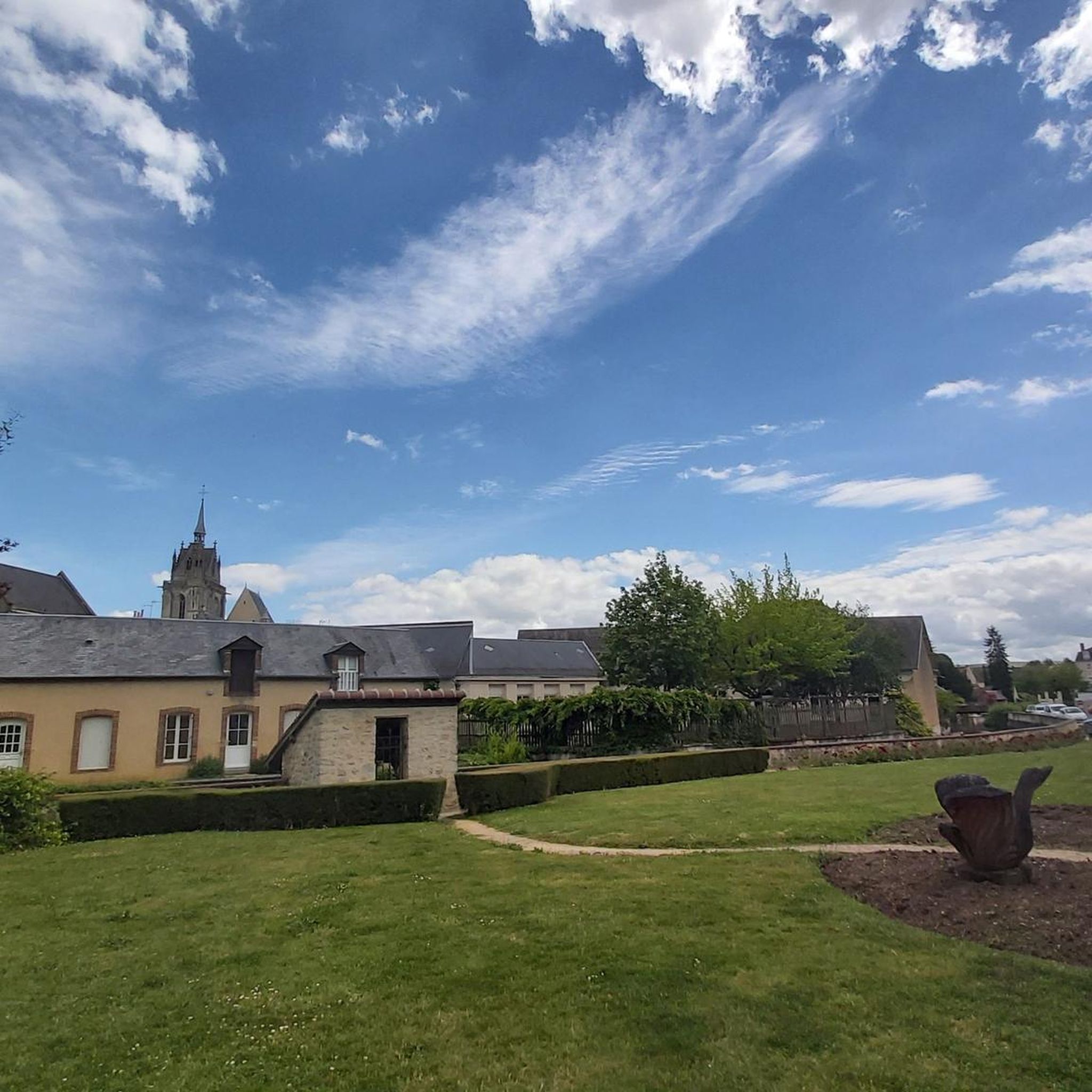
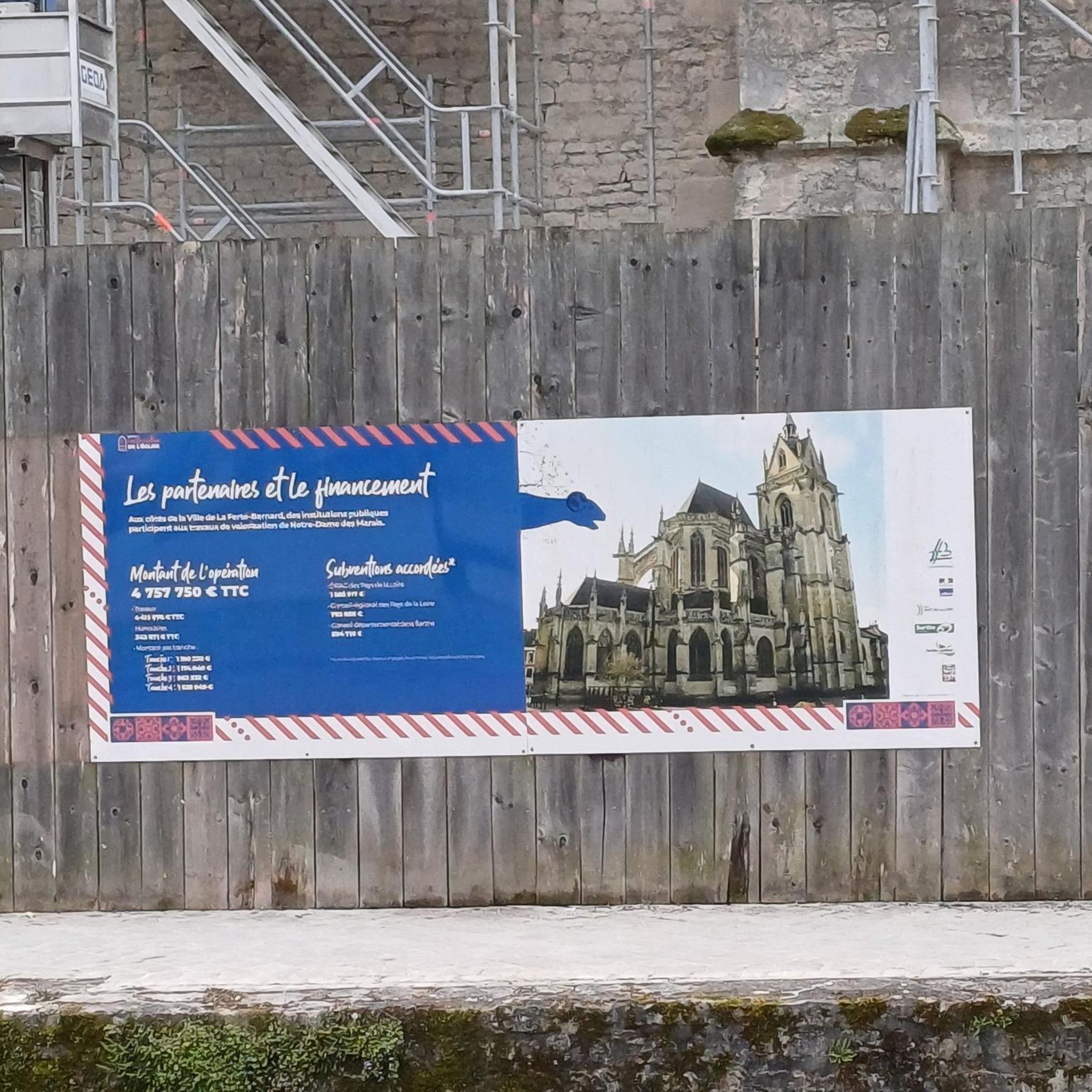
13세기부터 샤르트르 근처 생페르 수도원의 부속물로 언급된 노트르담 데 에티유 교회는 세 개의 서로 다른 부분으로 구성되어 있으며, 가장 놀라운 것은 3단으로 된 사각형 종탑으로, 슬레이트로 덮인 종루와 작은 등불이 얹혀 있습니다. 1577년에는 개신교도들이 이곳에서 설교를 했다고 합니다. 창립 이래 이 교회는 여러 차례의 변형을 겪었으며, 특히 합창단의 장식은 비교적 최근의 것으로, 석고로 된 맑은 날의 적운이 얽혀 있어 초기 석벽과 뾰족한 아치형 개구부를 짐작하게 합니다. 아름다운 플랑부아양 양식의 문이 서쪽으로 열려 1995년에 개조된 광장으로 이어지며, 동쪽 부분인 성구실 쪽에는 합창단의 경사면을 장식하는 가고일 줄이 보존되어 있습니다. 이 교회는 14세기 양식을 특징으로 하는 뚜렷한 엉덩이 기울기, 얼굴 표정, 망토의 주름이 돋보이는 아기 예수와 함께 있는 성모 마리아 상으로 유명합니다.
0
0

자세한 정보는 위키백과에서 찾을 수 있습니다: https://fr.wikipedia.org/wiki/Porte_Saint-Julien_(La_Fert%C3%A9-Bernard)
0
0
The inhabitants of Margon can admire the church of Notre-Dame du Mont-Carmel, proudly dominating the old town on its rocky spur, at the corner of two green valleys. It was later given an aisle during the 16th century, but its Romanesque portal has been preserved. It reigns benevolently over the old cemetery which surrounds it and which has recently been enlarged due to the increase in the population of the commune.
0
0


Very pleasant for a moment of relaxation
0
0
Religious building or fortified castle? The church of St George is surprising! Of Romanesque origin (11th century), the places have been transformed over the centuries, notably during the wars of religion where the church was fortified. A front part is built with a complete defense system: watchtowers (small turrets), loopholes and barred doors. These defense elements narrowly escaped destruction in the 17th century. Inside you can admire a Virgin and Child, Saint Barbara, Saint Paul and of course the statue of Saint George. You will also be able to observe the remains of one of the Aunais crosses. The building presents many other treasures: old clock mechanism, exhibition on the Cassini family, liturgical vestments...
1
0
The first mentions of a place of worship in Tuffé refer to the Sainte-Marie church of the abbey and then the priory, from the 7th century. The creation of the parish of Tuffé is perhaps contemporary or later but currently not documented. Could the priory’s Sainte-Marie church, mentioned much earlier than the Saint-Pierre church, also have once been the parish church of Tuffé? Could the embryo of the current parish church be this private chapel that Hugues Doubleau gave to the abbey with the Sainte-Marie church at the beginning of the 11th century, according to the cartulary of the Saint-Vincent abbey in Le Mans ? In any case, the parish is only attested late by texts (beginning of the 12th century in the same cartulary), but the non-oriented plan of the church, as well as the term Saint-Pierre, argue for the age of the building. The addition of Saint-Paul to the term seems very late, even abusive, since the archival documents systematically refer to a Saint-Pierre church, as does the decoration of the building in the 19th century. If this is an error, it was perhaps induced by Julien-Rémy Pesche at the beginning of the 19th century. The oldest part of the current building is the nave, much remodeled subsequently but the base of the walls of which shows in places a structure made of small rubble stones from the Romanesque period at the latest. But above all, the north gable wall and the first bay of the gutter walls show traces of openings and corner chains made of bricks alternating with limestone cut stones. This formula, rare if not unique in Perche Sarthois, is debated as to its dating. Some historians see it as a testimony to Carolingian architecture. Others, more cautious, put forward an archaic dating of the 11th century, where the use of brick alternating with stone would be an economic choice rather than an aesthetic one: this would explain a certain irregularity in the implementation, particularly in the arch of the old door of the north gable wall. The same uncertainty hangs over the addition of the buttresses and the opening of the current north gate. The nave is covered with a new framework and a spire and the paneling was installed in 1604 as evidenced by the signature (repainted in 1885) “In 1604 this Church was labruchée – Tomas Mabile attorney of the Fabrique de Séans ". The dating of the other parts of the church is not much easier. The construction of the east chapel (presbytery side) is not in too much doubt, the Renaissance decoration of the door to the street and the cupboard, although crude, indicates the middle of the 16th century. This chapel, dedicated to the Virgin, belonged to the lords of Chéronne. Its western counterpart (square side), dedicated to the Sacré-Cœur and built by the lords of Ramée, is less easy to date due to lack of ancient decor. This chapel could have been built shortly before or shortly after that of Chéronne, but undoubtedly not simultaneously, as evidenced by the slight asymmetry of the roofs and the different profile of the structural members. The apse, generally considered to also date from the 16th century, could only be from the 3rd quarter of the 18th century, as a bundle of clues suggests: the axial wall left blind probably to accommodate an altarpiece, the plan burrow made between 1757 and 1759 which still shows a circular apse undoubtedly Romanesque, as well as a document from 1775, indicating that the priest "would have had the necessary and pleasant works done to the great altar of the said church caused by the demolition and construction that Mrs de Saint-Vincent would have had the gable of the said church made. The sacristy would be a 17th century addition.
0
0
라 페르테 베르나르 주변에서 가장 인기 있는 명소


더 살펴보기
다른 지역의 최고의 로드 사이클링 경로를 살펴보세요.
