Top 9 Caves in Malaysia
Caves in Malaysia offer a diverse range of subterranean experiences, from spiritual sanctuaries to archaeological sites and geological formations. The country's limestone karsts host extensive cave systems, many of which are accessible to visitors. These natural landmarks are often integrated with cultural and historical elements, reflecting Malaysia's rich heritage. The caves provide opportunities for exploration, observation of unique ecosystems, and appreciation of natural rock formations.
Best caves in Malaysia
- The most popular caves is Batu Caves Temple Complex, a…
Last updated: May 13, 2026
Batu Caves Temple Complex
Highlight • Cave
Tip by

Ramayana Cave
Highlight • Cave
Translated by Google •
Tip by

Sign up now to discover places like this
Get recommendations on the best single tracks, peaks, & plenty of other exciting outdoor places.
Sign up for free
Perak Cave Temple (Perak Tong)
Highlight • Cave
More here:
de.m.wikipedia.org/wiki/Perak_Tong
Translated by Google •
Tip by

Nam Thean Tong Temple
Highlight • Religious Site
Translated by Google •
Tip by

Mirror Lake (Tasik Cermin)
Highlight • Lake
Tip by

Gua Terus Cave
Highlight • Cave
Tip by

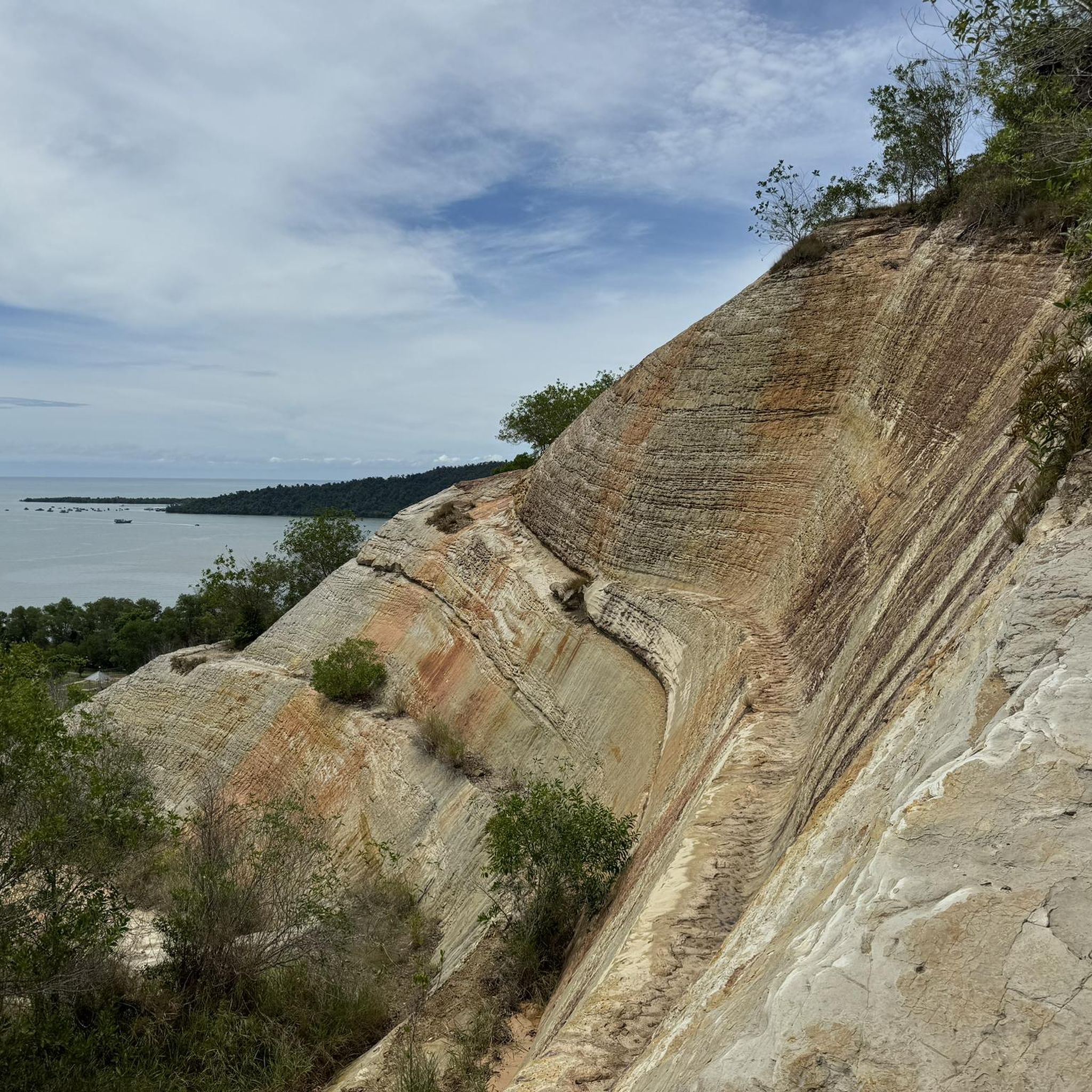
View of Abraham Lincoln Profile Cave
Highlight • Cave
Translated by Google •
Tip by

Start today with a free account
Your next adventure awaits.
Login or Signup

Tips from the Community

side cave to the main temple. Lots of neon lights and everything very artificial. For me the 15MR entrance fee wasn't worth it. But who likes it? The main temple is free and was much more impressive.
2
0

The small entrance fee is worth it. You should plan on spending 30-45 minutes.
1
0

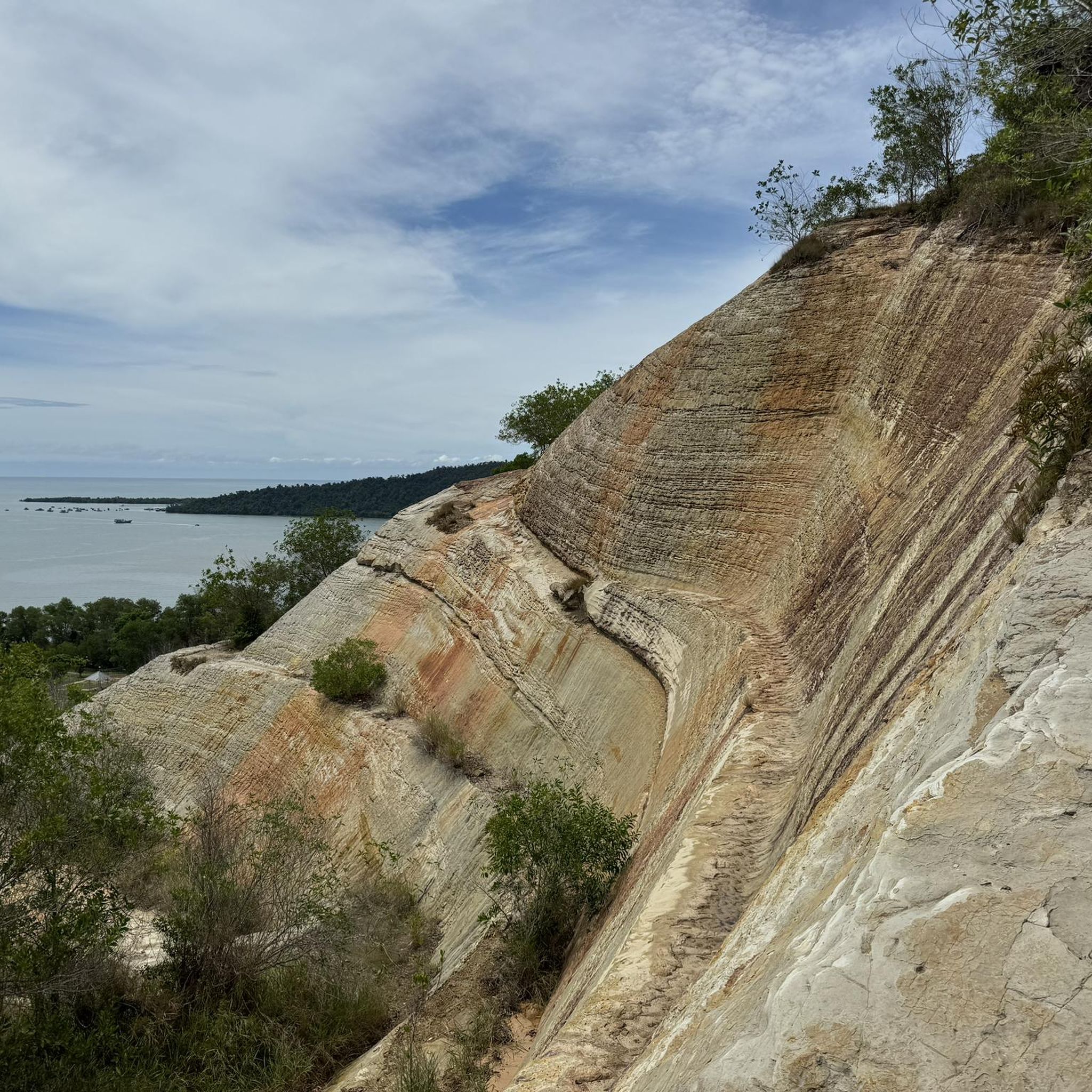
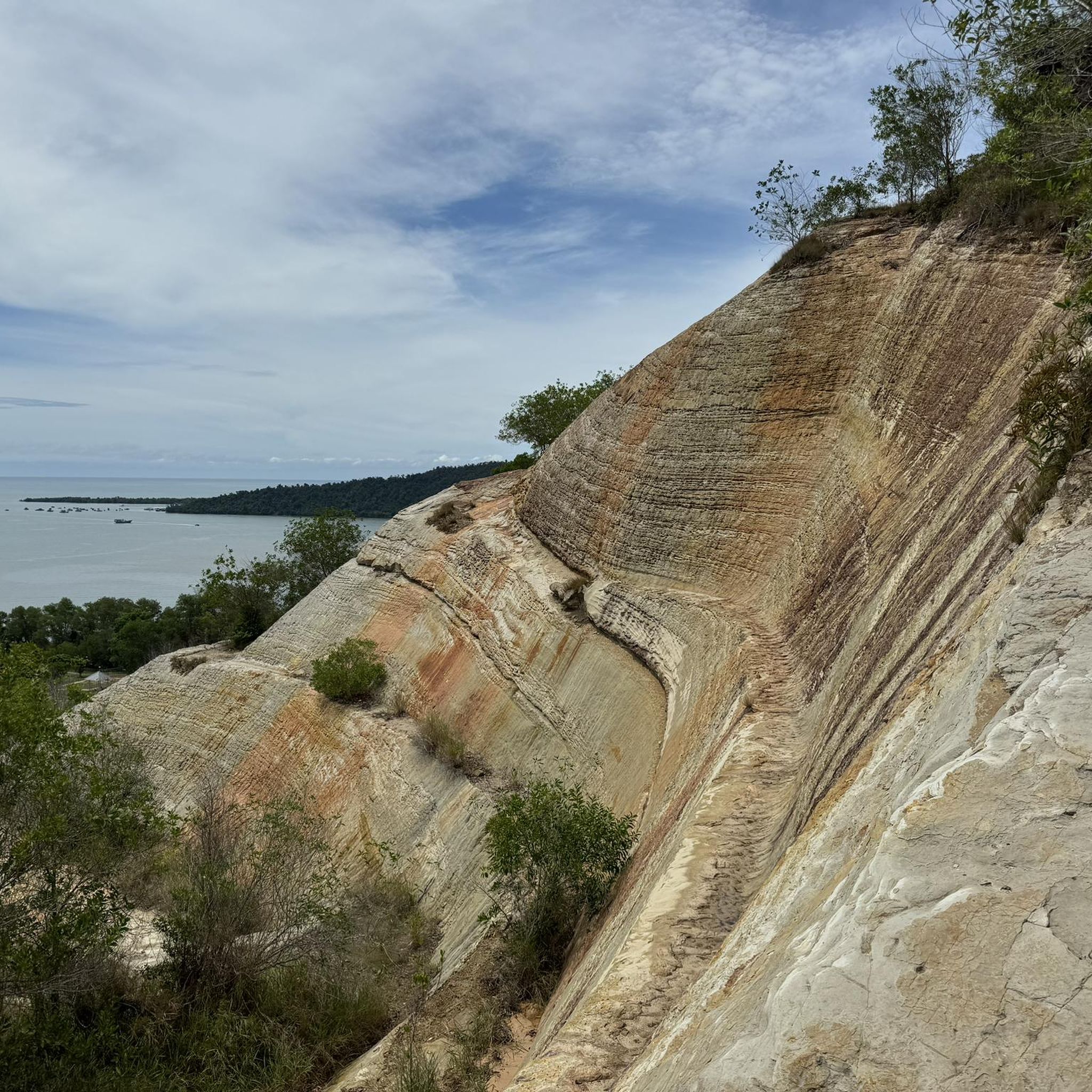
From this position, the rock formations look like the profile of the former US president. His hairline, nose and chin are clearly visible.
0
0


a natural cavity in which some temples have been built. the effect of the staircase is remarkable, the steps of which have recently been painted with many shades of color
4
0

If you have some time in KL, you should take a taxi (about RM 20 from KLCC via Grab) and go to Batu Caves. There you can admire the big statues, colorful temples, big caves and much more. But beware, no sweat, no gain, to get into the main temple, there are pretty colorful but steep stairs to overcome. Elevators or escalators are scarce there
5
0

Frequently Asked Questions
What are some of the most geologically impressive caves in Malaysia?
Malaysia is home to several spectacular cave systems. Gunung Mulu National Park in Sarawak features some of the world's largest and most intricate caves, including Deer Cave, known for its massive passage, and Clearwater Cave, one of the longest cave systems globally with an underground river. Gua Tempurung in Perak is another impressive system, stretching over 3 kilometers with five giant domes and diverse formations.
Which caves offer significant historical or archaeological insights?
The Niah Caves in Sarawak are an internationally recognized archaeological site, with evidence of human habitation dating back over 40,000 years. The Great Cave within Niah National Park is a vast chamber, while the Painted Cave features prehistoric wall paintings and ancient boat-shaped wooden coffins, estimated to be around 2,500 years old.
Are there caves in Malaysia with religious or spiritual significance?
Yes, several caves serve as important religious sites. The Batu Caves Temple Complex near Kuala Lumpur is a major pilgrimage site for Tamil Hindus, featuring the large Temple Cave dedicated to Lord Murugan. In Ipoh, the Perak Cave Temple (Perak Tong) is a Buddhist cave temple built into a limestone cliff, housing over 40 Buddha statues. The Ramayana Cave, part of the Batu Caves complex, is adorned with dioramas depicting scenes from the Hindu epic.
What unique natural features can be found in Malaysian caves?
Malaysian caves boast a variety of unique natural features. Deer Cave in Gunung Mulu National Park has a 'Garden of Eden,' a circular valley where a roof hole allows sunlight to sustain lush vegetation. Lang Cave, also in Mulu, is noted for its stunning and ornate stalactites, stalagmites, and helictites. Clearwater Cave features a long underground river and a crystal-clear swimming pool. The View of Abraham Lincoln Profile Cave in Mulu offers a rock formation resembling the former US president's silhouette.
Which caves are suitable for families or beginners?
Many caves offer accessible options. The show caves at Gunung Mulu National Park, such as Deer Cave and Lang Cave, are easily accessible via well-lit paths and guided tours. Gua Tempurung offers various tour options, from easy walks along concrete paths to more adventurous routes. The Ramayana Cave is also considered family-friendly.
What kind of wildlife can I expect to see in Malaysian caves?
Malaysian caves are rich in biodiversity. Deer Cave in Gunung Mulu National Park is famous for being home to millions of bats (over 12 species), and visitors can witness their spectacular exodus at dusk. The Dark Cave at Batu Caves is a protected ecological site, home to rare species like the Trapdoor Spider (Liphistius batuensis), found nowhere else, and over 200 species of animals. Gua Terus Cave is also known for its bat population.
What is the best time to visit caves in Malaysia?
Generally, the dry season (typically March to October) is ideal for visiting caves in Malaysia, especially for those involving outdoor treks or river activities. This period offers more stable weather conditions, making access easier and reducing the risk of heavy rainfall impacting cave tours. However, some caves, like those in Gunung Mulu National Park, are accessible year-round due to well-maintained paths.
Are there any adventure caving experiences available?
Yes, for those seeking adventure, Gua Tempurung offers challenging wet adventure tours that involve wading through an underground river, crawling, and sliding. The Dark Cave at Batu Caves also provides guided educational and adventure tours, offering an authentic caving experience with provided torchlights and no artificial lighting.
What should I wear or bring when visiting caves in Malaysia?
It's advisable to wear comfortable, sturdy shoes with good grip, as cave paths can be uneven or wet. Light, breathable clothing is recommended. For more adventurous tours, you might need clothes that can get wet and a change of clothes. A headlamp or torch is essential for less-lit caves, and insect repellent can be useful, especially for caves in forested areas. Some tours may provide helmets and other safety gear.
What outdoor activities can I do near these caves?
Many caves are located near areas with diverse outdoor activities. For instance, near various caves in Malaysia, you can find excellent opportunities for hiking, including trails like the Amantugu Entrance – Taman Tugu Trail near Kuala Lumpur. There are also mountain hikes, such as the Summit of Mount Kinabalu, and gravel biking routes like the BT Pipe Downhill to RRR.
Do I need permits or guides to visit certain caves?
For some major cave systems, especially those within national parks or protected areas, permits and guided tours are mandatory. For example, visiting the show caves at Gunung Mulu National Park requires a guide, and it's advisable to check their official website for booking and permit information: mulunationalpark.com. The Dark Cave at Batu Caves also requires a guided tour. Always check specific requirements for each cave in advance.
Are there any caves that are less known but worth visiting?
While not as widely publicized as the major sites, Gua Terus Cave offers a chance to explore a large cave with many bats. The Nam Thean Tong Temple is another charming cave temple with its own unique appeal. These spots can offer a more intimate experience away from larger crowds.
Most popular routes in Malaysia
Most popular attractions in Malaysia

Get inspired with the komoot mobile app


Explore more
Extend your search for the best caves by checking out these guides of the top ones in Malaysia:
