Top 7 Caves around Hinterstoder
Caves around Hinterstoder provide a unique opportunity to explore the underground world of the Totes Gebirge mountain range. The region's geology features prominent karst formations and various cave types. These natural wonders offer insights into the area's geological history and hydrological systems.
Best caves around Hinterstoder
- The most popular caves is Pießling Spring (karst spring), a natural monument that is one of Austria's most powerful karst springs. Its immense water output demonstrates the power of underground water systems.
- Another…
Last updated: September 2, 2026
Pießling Spring (karst spring)
Highlight • Natural Monument
Translated by Google •
Tip by

Snow Oven (Snow Cave)
Highlight • Cave
Translated by Google •
Tip by

Sign up now to discover places like this
Get recommendations on the best single tracks, peaks, & plenty of other exciting outdoor places.
Sign up for free
Shelter Cave at Brotfallscharte
Highlight • Cave
Translated by Google •
Tip by

Schafloch Cave
Highlight • Cave
Translated by Google •
Tip by

View benches at Schneeofen
Highlight (Segment) • Viewpoint
Translated by Google •
Tip by

Sign up for free to discover even more caves around Hinterstoder.
Sign up for free
Already have an account?
Start today with a free account
Your next adventure awaits.
Login or Signup
Popular around Hinterstoder
Salt Trail — On old paths through Upper Austria
North Alpine Trail 01 – Hike across Austria in 49 days
Austria's Kalkalpen Trail – Giant rocks & alpine meadows

The most beautiful leisurely cycling routes in Upper Austria
From a family hike to a summit climb – hiking in Pyhrn-Priel
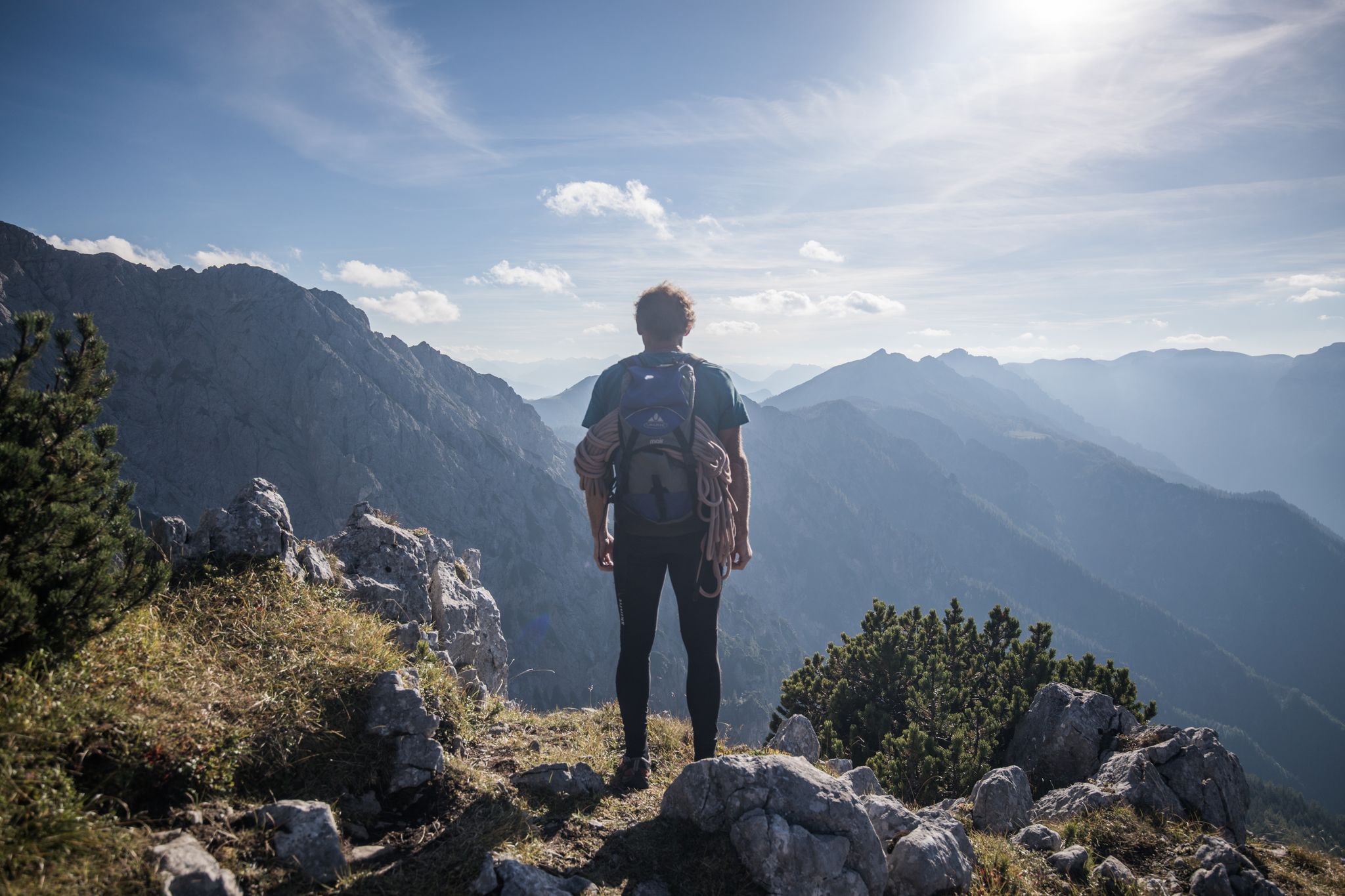
From a family hike to a via ferrata – hiking in Pyhrn-Priel

Where biker hearts beat faster — the Limestone Alps in Pyhrn-Priel
Mit FESCHD zu den schönsten Naturorten Österreichs
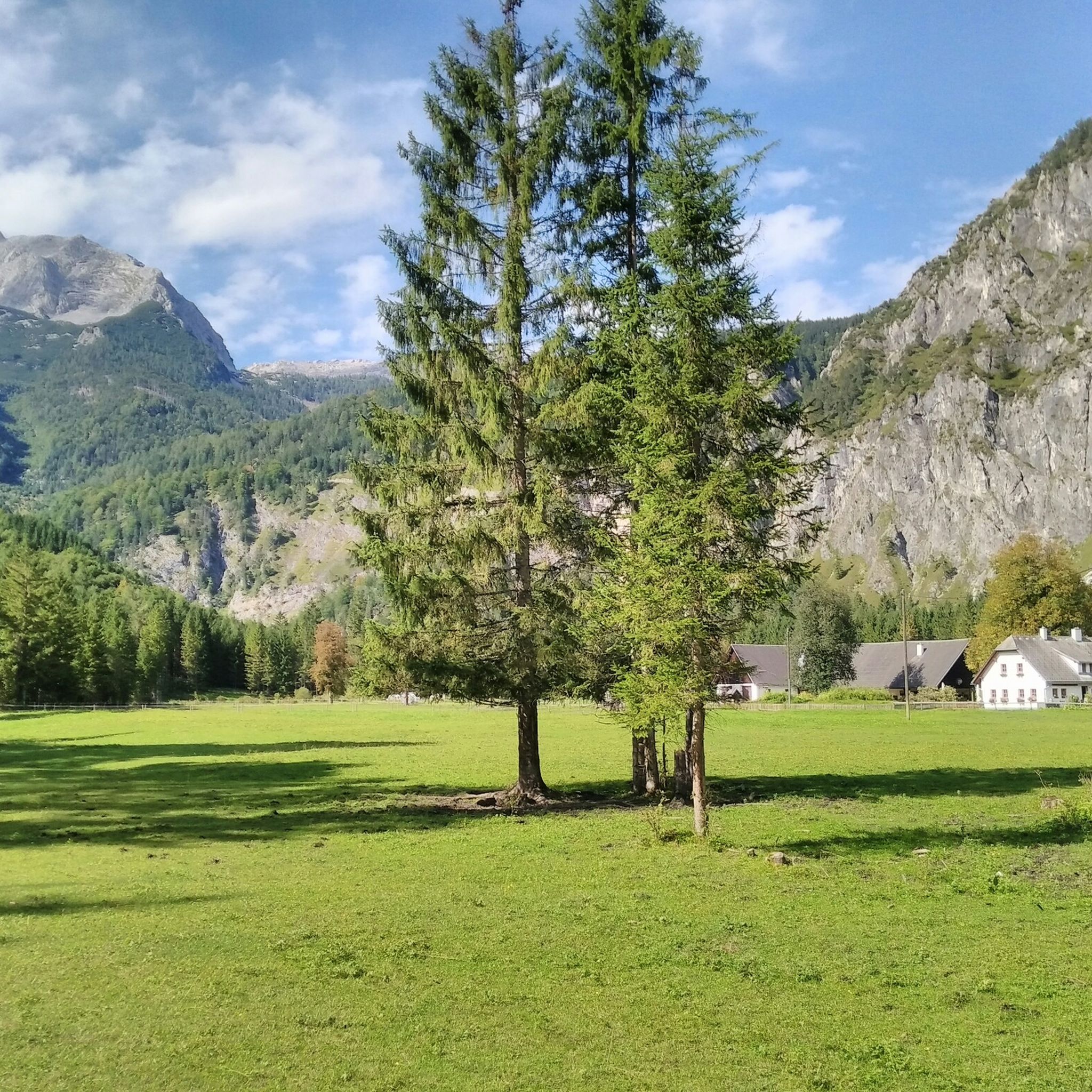
Hiking around Hinterstoder
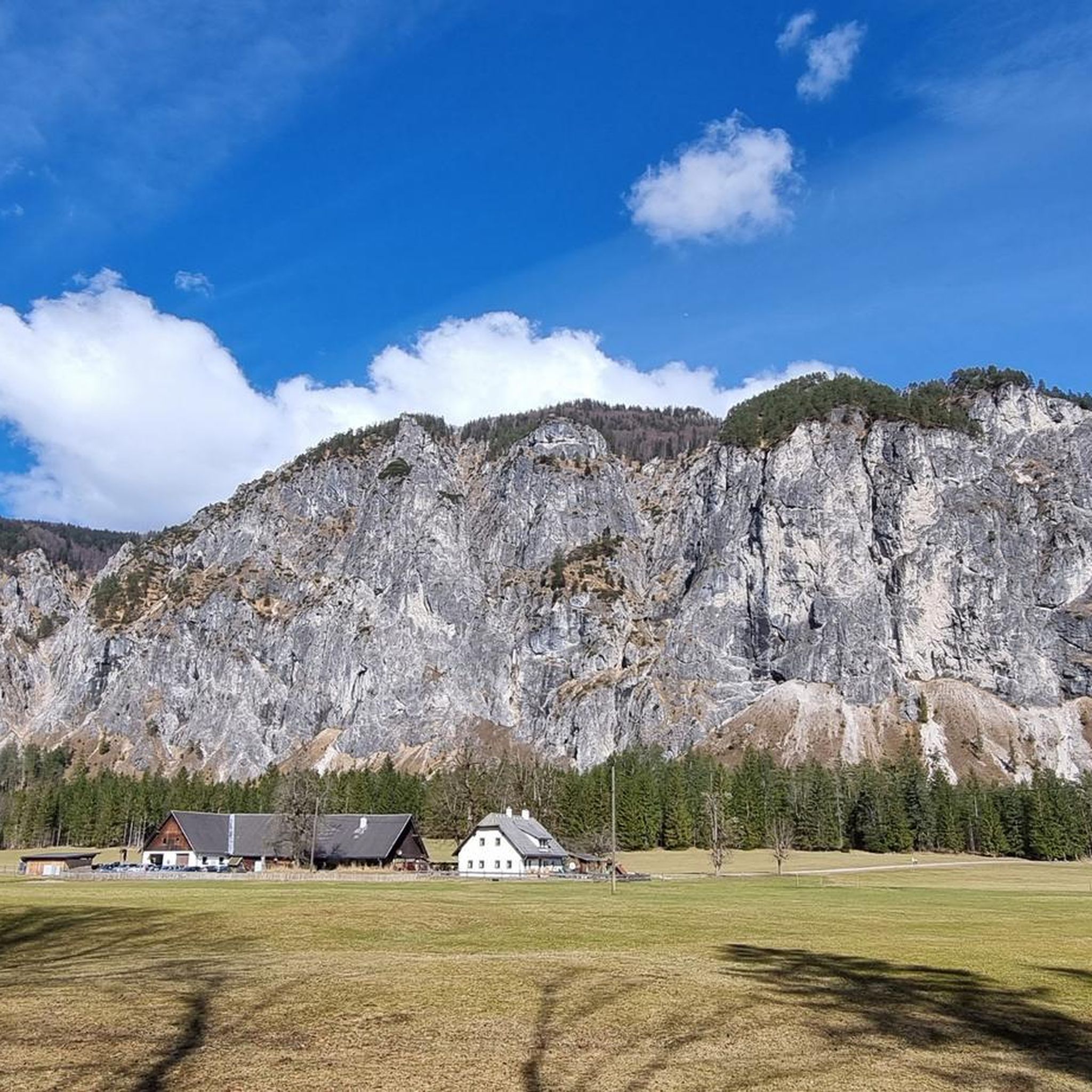
MTB Trails around Hinterstoder
Other adventures around Hinterstoder


Tips from the Community

When you hike up the Traweng you pass the Schafloch, which is a small cave and smells of sheep and chamois.
2
0

Water droplets form the snow. Very beautiful!
2
0

This "snow hole" got its name because people used to melt snow there in large copper kettles to water the cows. Most alpine pastures in the Totes Gebirge (hence the name) don't have their own water sources, and the dairymaids used to help themselves by collecting rainwater in large tubs. In dry summers, they melted snow and used mountain pines as firewood. The last time snow was melted this way was in 1937. http://stodertalfreunde.blogspot.com/2013/06/schneeofen-auf-der-ho.html
0
0

Beautiful - but the passage is still closed due to falling rocks.
1
0
About 150m southwest (- 60m height+) you have to look for the safe entrance - NOT down the path from the snow oven - the path leads to ruin, or to extremely dangerous terrain
0
0

An imposing karst spring that you simply have to see!
4
0

Good shoes are a must.
1
1

This "snow hole" got its name because people used to melt snow there in large copper kettles to water the cows.
0
0
Frequently Asked Questions
What types of caves can I explore around Hinterstoder?
The Hinterstoder region, nestled in the Totes Gebirge, offers a variety of underground formations. You can explore natural caves, karst springs, shelter caves, and unique cave-like features such as the Snow Oven.
Are there any guided cave tours available in the Hinterstoder region?
Yes, guided cave trekking tours are available for the Kreidelucke. These tours, led by state-qualified cave guides, offer an adventurous experience requiring wading through shallow water and some easy climbing. They typically last 90 minutes to two hours.
What should I bring for a guided cave tour in Hinterstoder?
For guided tours, especially in caves like Kreidelucke, you should bring warm clothing, a change of clothes, rubber boots, and a towel, as you will get wet. Helmets and headlamps are usually provided or can be rented.
What is the <a href="https://www.komoot.com/highlight/432967" target="_blank" rel="noopener">Pießling Spring</a> and why is it significant?
The Pießling Spring is one of Austria's most powerful karst springs, demonstrating the immense power of underground water systems. Historically, its water output could meet the needs of hundreds of thousands of people on summer days. It's important to note that bathing in the spring is life-threatening due to strong suction.
Are there any caves that offer shelter for hikers or mountaineers?
Yes, the Shelter Cave at Brotfallscharte provides natural protection. It is situated at the end of a rope-secured ascent and offers refuge against storms for mountaineers in an exposed alpine environment.
Can I find caves along hiking trails in Hinterstoder?
Absolutely. For example, the Schafloch Cave is located along the hiking path up the Traweng mountain, offering an interesting natural stop for hikers. The Snow Oven (Snow Cave) is also accessible via trails, with nearby benches offering views towards Warscheneck.
What is special about the <a href="https://www.komoot.com/highlight/6128517" target="_blank" rel="noopener">Schafloch Cave</a>?
The Schafloch Cave is a small cave along the hiking path up the Traweng mountain. It is noted for its distinctive smell of sheep and chamois, indicating it is frequently used by local wildlife.
What outdoor activities can I do near the caves around Hinterstoder?
The region around Hinterstoder offers extensive opportunities for outdoor activities. You can find numerous hiking trails, including challenging mountain hikes, and cycling routes. For more details, explore the Hiking around Hinterstoder and Mountain Hikes around Hinterstoder guides.
Are there any family-friendly options for exploring the natural features around Hinterstoder?
While some caves require specific gear or guided tours, the general area around the Pießling Spring is considered family-friendly for viewing this natural monument. Many hiking trails in the region also offer varying difficulties, including easier paths suitable for families.
What geological features are prominent in the caves around Hinterstoder?
The caves and karst formations around Hinterstoder are part of the 'Tote Gebirge' (Dead Mountains), characterized by jointed rock and extensive karst systems. These features lead to powerful karst springs, unique mineral formations like moonmilk in Kreidelucke, and underground hydrological systems.
What do visitors enjoy most about the caves around Hinterstoder?
Visitors appreciate the unique opportunity to explore the underground world, the geological significance of the karst formations, and the natural beauty. Highlights like the Pießling Spring are often praised for their impressive water output, and the Shelter Cave at Brotfallscharte is valued for its practical use in alpine environments.
Are there any places to rest or enjoy views near the cave-like formations?
Yes, near the Snow Oven, there are benches that invite you to take a break and enjoy views towards Warscheneck. This spot is also interesting for observing how animals find water long after the snow melts.
Most popular routes around Hinterstoder
Most popular attractions around Hinterstoder

Get inspired with the komoot mobile app


Explore more
Extend your search for the best caves by checking out these guides of the top ones around Hinterstoder:
