울멘 최고의 MTB 라이딩 경로
4.7
(120)
331
자전거 타는 사람
40
라이딩
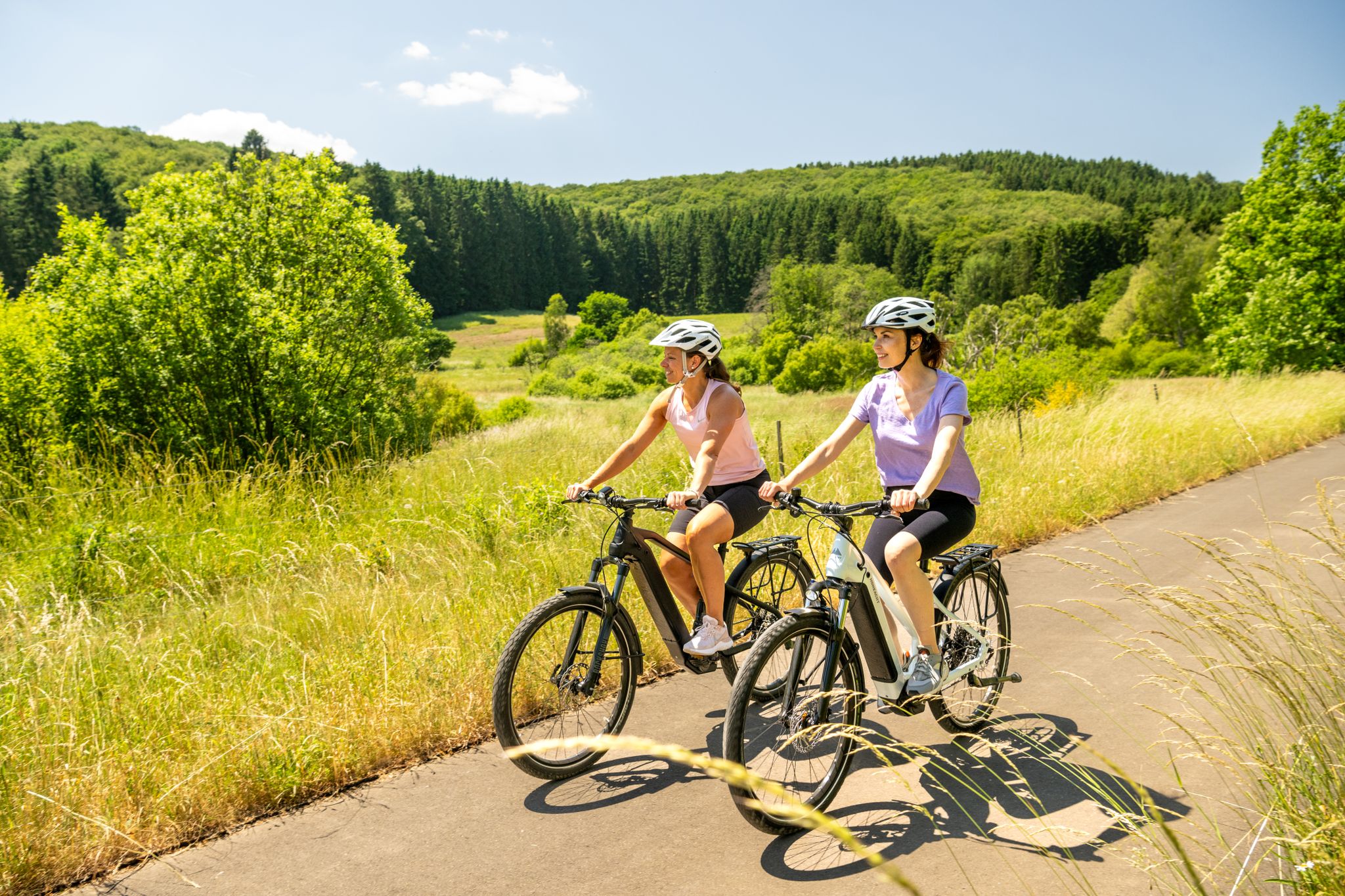
산악 자전거를 타기 좋은 울멘 주변 지역은 아이펠 지역의 화산 활동 과거로 형성된 다양한 지형을 제공합니다. 이 지역의 풍경은 울창한 숲과 완만한 언덕과 함께 화산 분화구 호수인 상징적인 마르(maar)를 특징으로 합니다. 이러한 조합은 자연스러운 고도 변화가 있는 다양한 코스를 제공하며, 도전적인 오르막과 보람 있는 내리막을 즐길 수 있는 기회를 선사합니다. 이 지역의 독특한 지질은 역동적인 라이딩 경험에 기여합니다.
울멘 주변 최고의 산악 자전거 코스
- 가장 인기 있는 산악 자전거 코스는 홀츠마르 – 울멘에서 출발하는 샬켄메어러 마르 전망 루프로, 39.6km(24.6마일)…
마지막 업데이트: 10월 16, 2026
4.3
(15)
55
자전거 타는 사람
39.2km
03:22
720m
720m
보통 산악 자전거 타기. 좋은 체력 필요. 뛰어난 라이딩 실력이 필요함.
4.7
(31)
53
자전거 타는 사람
37.8km
02:59
500m
500m
어려운 산악 자전거 타기. 좋은 체력 필요. 뛰어난 라이딩 실력이 필요함. 투어 중 자전거를 끌고 가야 하는 구간이 있을 수 있음.

4.6
(8)
29
자전거 타는 사람
32.2km
02:29
490m
490m
어려운 산악 자전거 타기. 좋은 체력 필요. 뛰어난 라이딩 실력이 필요함. 투어 중 자전거를 끌고 가야 하는 구간이 있을 수 있음.
4.3
(7)
15
자전거 타는 사람
25.7km
01:58
390m
390m
어려운 산악 자전거 타기. 좋은 체력 필요. 뛰어난 라이딩 실력이 필요함. 투어 중 자전거를 끌고 가야 하는 구간이 있을 수 있음.
4.8
(11)
28
자전거 타는 사람
29.3km
02:07
480m
480m
보통 산악 자전거 타기. 좋은 체력 필요. 실력과 관계없이 누구나 갈 수 있음.
더 다양한 경로와 다른 탐험가들의 추천을 살펴보세요.
이미 komoot 계정이 있나요?
투어 추천은 다른 사람들이 komoot에서 완료한 수천 개의 활동을 바탕으로 구성되어 있습니다.
오늘 무료 계정으로 시작하세요
다음 모험이 기다리고 있어요.
울멘 주변 인기 장소
울멘 주변의 다른 모험


커뮤니티 팁

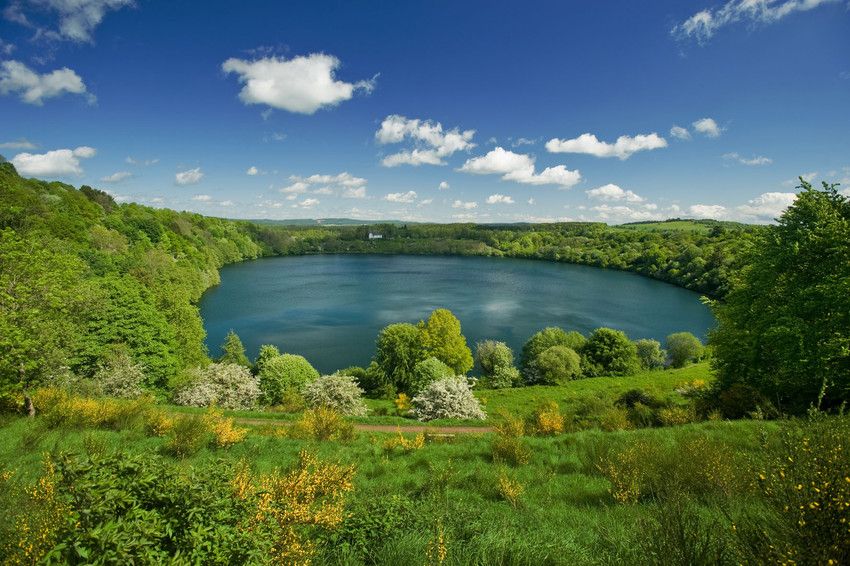
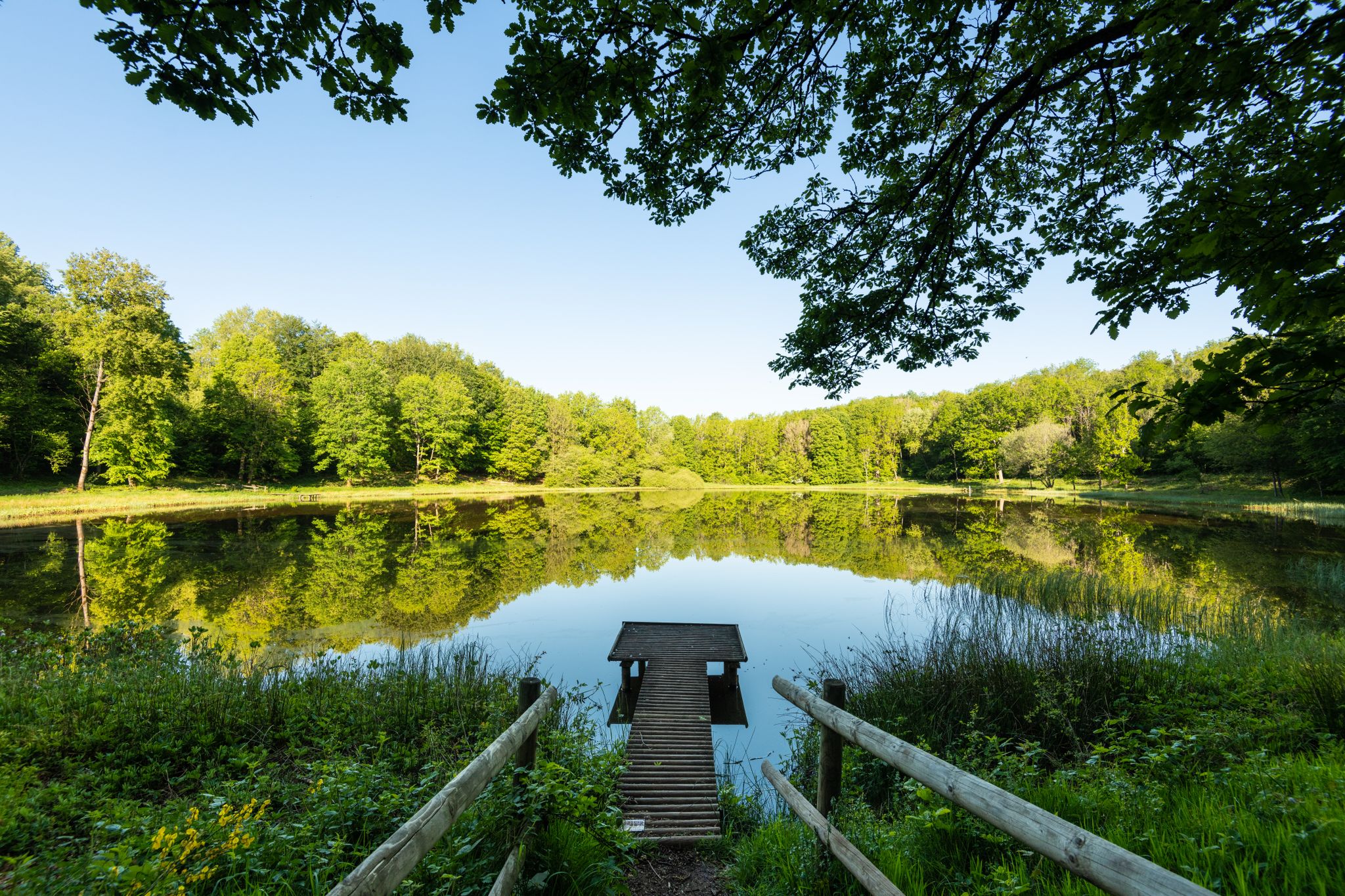
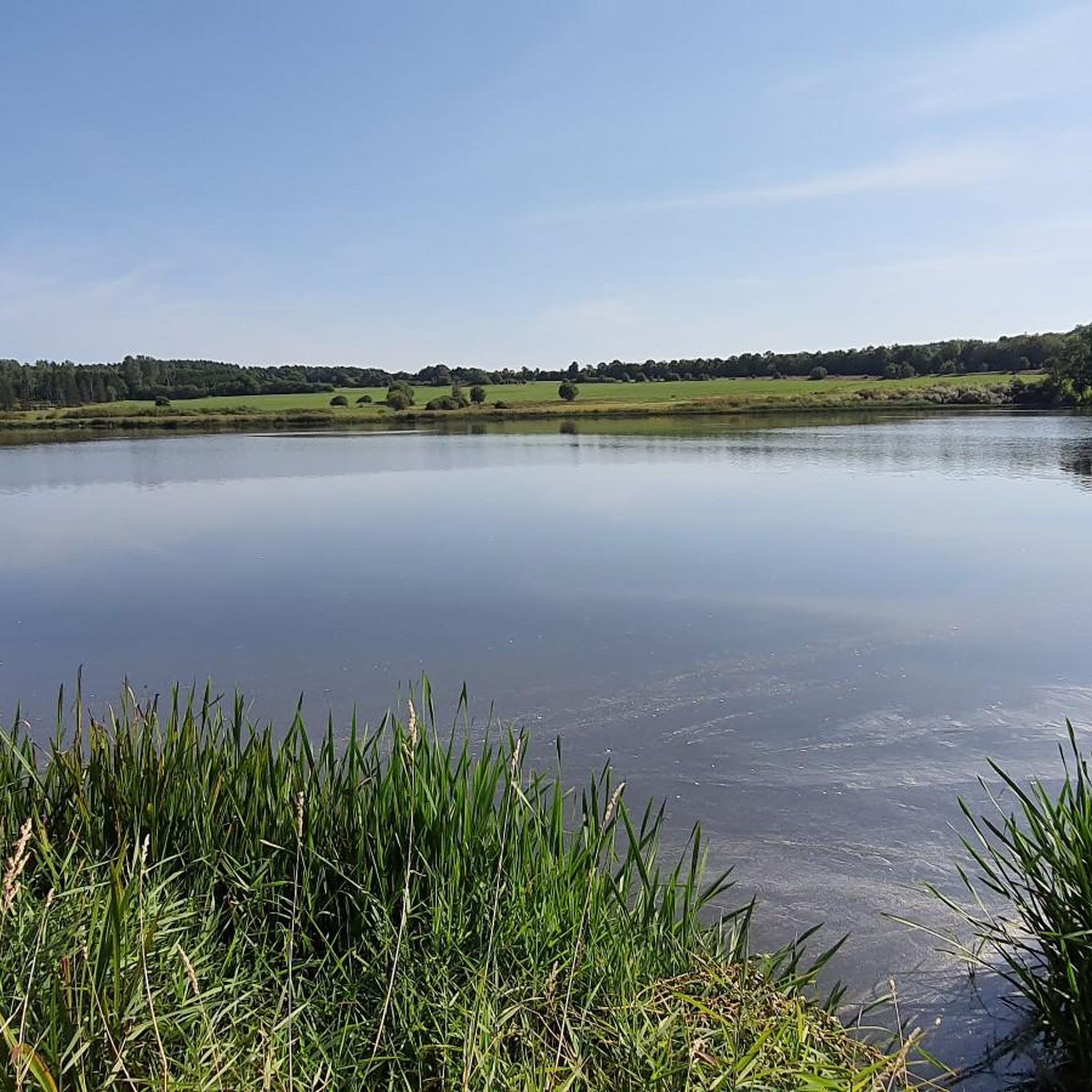
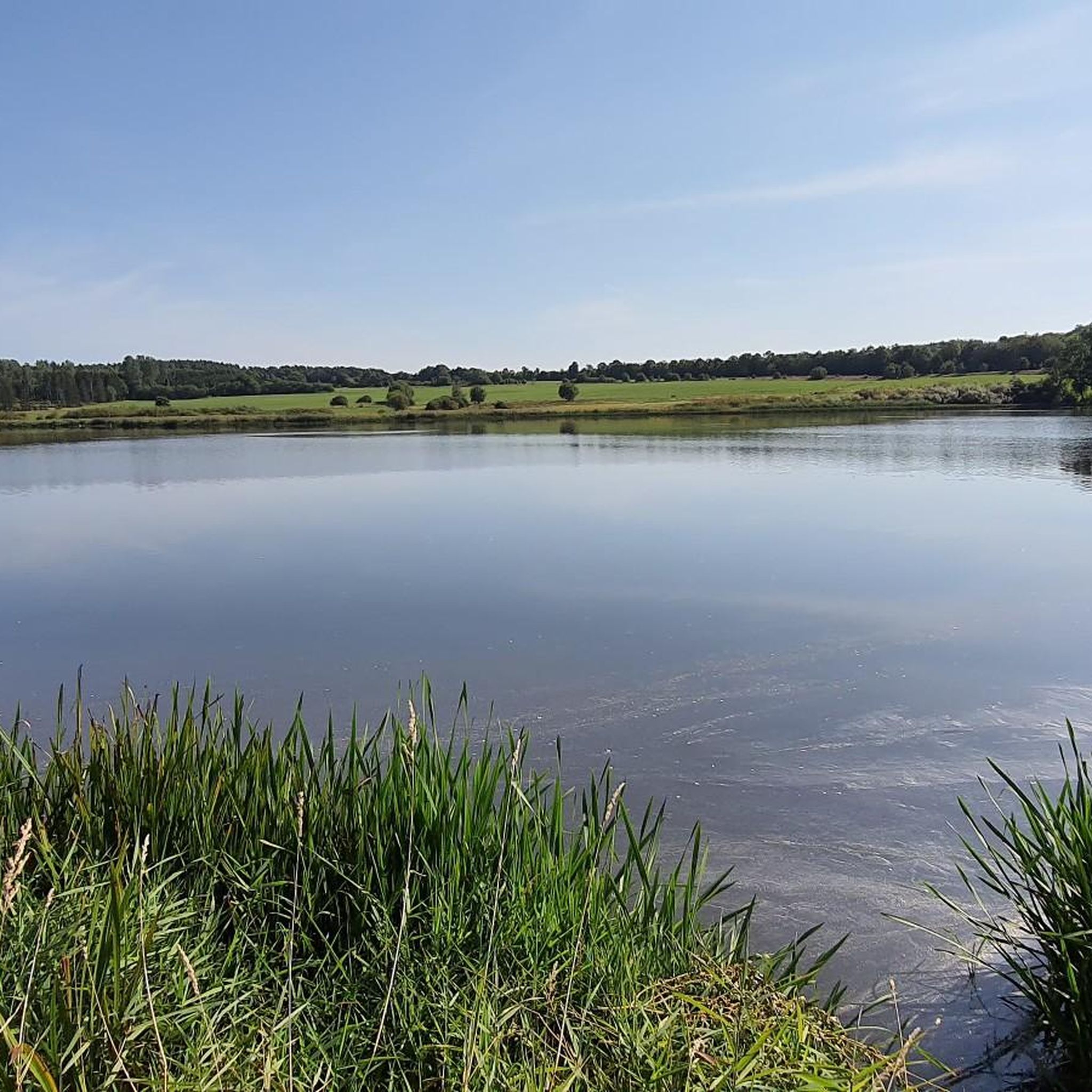
훌륭한 좌석 공간이 있는 매우 아름다운 마르(Maar)와 그곳에서 멀지 않은 곳에 있는 매우 멋진 아이스크림 가게
1
0


Badestelle와 Schalkmehren의 아름다운 전망이 있습니다.
0
0

아이펠 화산 활동에 대한 지질학적 정보 가치가 높은 목가적인 장소입니다.
1
0

One of the youngest maars in the Eifel region nestles picturesquely against the small town of Ulmen with its castle ruins and church right on the shore - idyllic and simply beautiful!
1
0

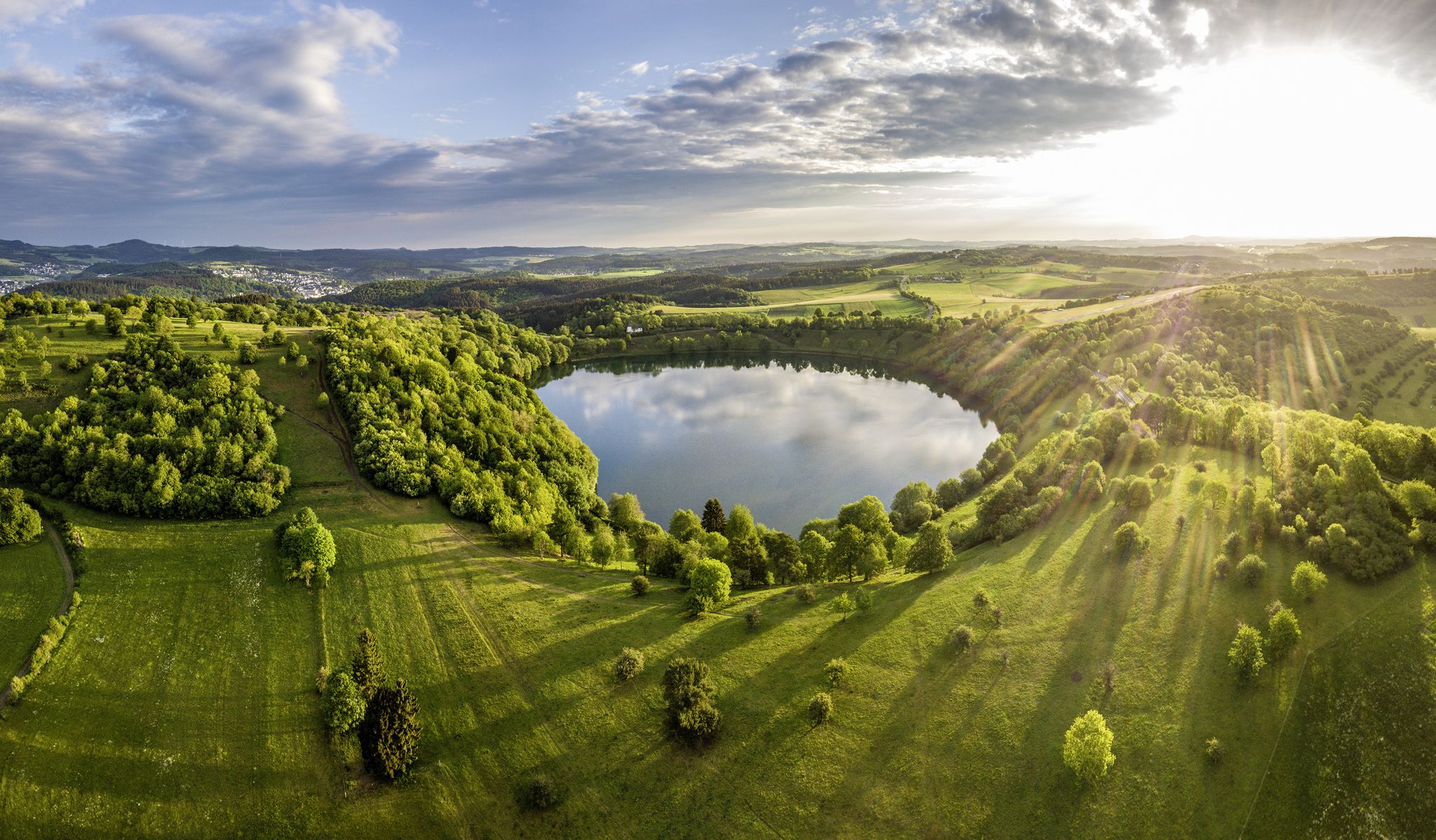
A true paradise stretches out on the edge of the village of Ulmen on a plateau beneath the Steimelskopf, where a volcano once erupted with a tremendous bang, forming a deep crater with a maar lake, which now serves as a renowned bird sanctuary. The exact age of the Jungferweiher lake cannot be determined, but its morphological shape suggests it is several hundred thousand years old. In early modern times, the Lords of Ulmen used the lake as a fishpond for carp breeding, until it gradually silted up over time, and the residents of Ulmen harvested peat from the former maar for heating purposes. However, in 1942, the decision was made to flood the area again by damming the Ulmener Bach to secure the drinking water supply for the Cochem-Zell district. Today, the Jungferweiher lake, located at an altitude of 428 meters above sea level, covers an area of approximately 170,000 square meters with a depth of 0.8 meters. The pond, along with the Ulmener Maar, is protected for its rare flora and fauna. Many endangered species, such as the snipe and the meadow pipit, breed in the reed-rich banks, while ospreys have been observed hunting. Migratory birds such as cranes, teals, and great grey shrikes roost in the meadows near the Ulmener Jungferweiher every year. Therefore, a walk along the approximately 3-kilometer loop is a must, especially during the migration periods in spring and autumn. At the bird observatory on the western bank, you can observe the birds in their natural habitat. Nowadays, a wide variety of fish species thrive in the shallow waters of the Ulmener Weiher, which can be fished from a fishing pier on the southern bank. Swimming and other water sports are prohibited, however. Fishing permits are issued by the local municipal administration in Ulmen. Since 2023, the Ulmener Maar Tunnel has connected the Jungferweiher underground to the Ulmener Maar. A visit to the 126-metre-long tunnel is highly recommended!
7
0
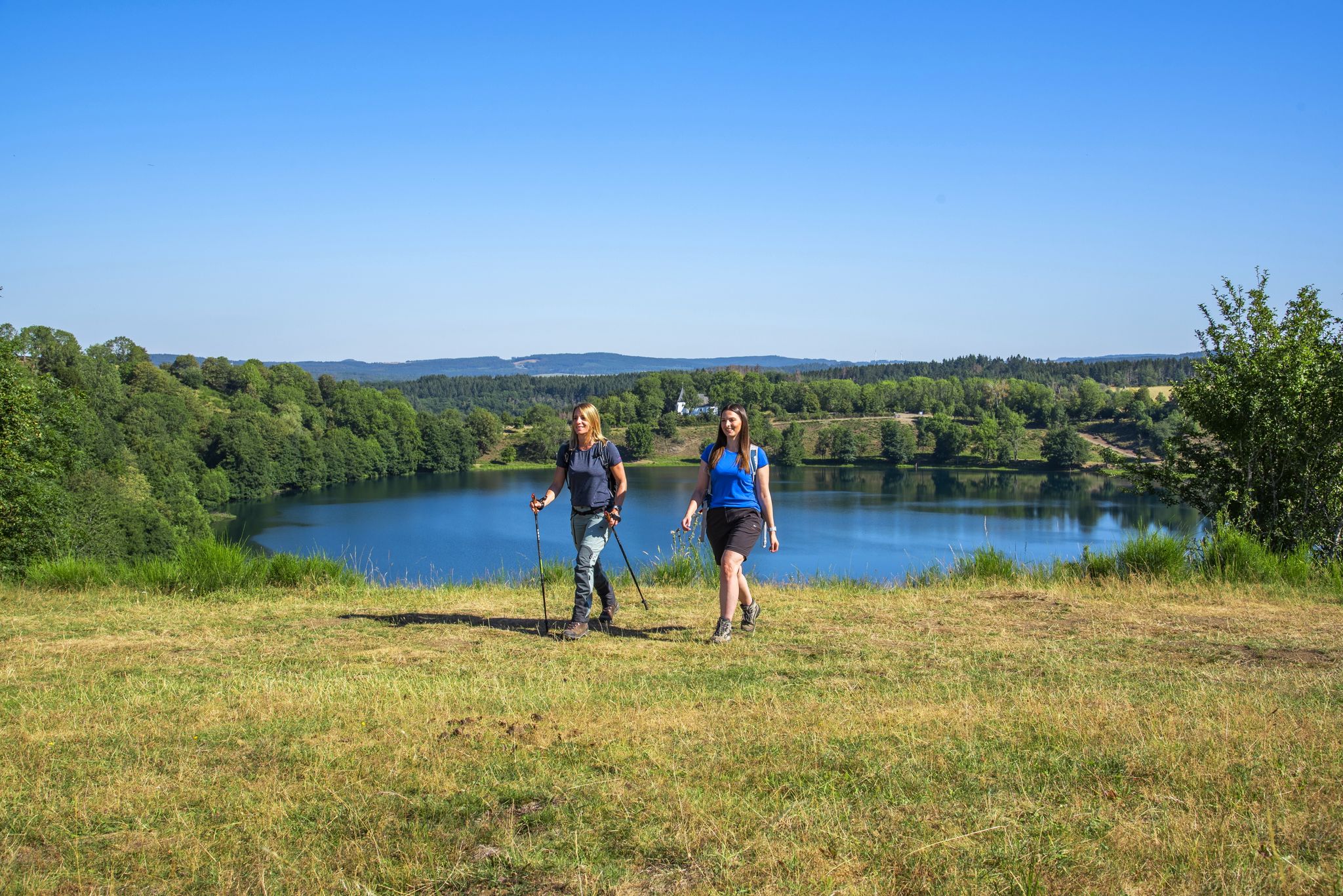
The Ulmen Maar lies 420 meters above sea level today, covers an area of 5.5 hectares, and is 36 meters deep. The bubbles at the maar's edge demonstrate that volcanism is still active. They bear witness to a turbulent past—but rest assured, there's no eruption in sight! A wall of various rocks and ash, up to 20 meters thick, surrounds the cone. For those interested, these testimonies to this explosive past are beautifully displayed in St. Matthias Church. This unique wall, with its different colored layers and rounded inclusions, is worth seeing for more than just geologists. The slopes of the maar basin are covered with a beautiful forest, which can be explored on a circular walk. A detour to the medieval castle ruins, from which the Crusaders once launched their campaigns, is recommended. The view from the crater rim over the maar and the Eifel beyond will take your breath away. Whether after a sweaty hike or a long drive, the blue of the Ulmer Eifel lake is all too tempting in summer. However, bathing in the maar is prohibited because it is designated as a nature and water protection area.
7
0


더 살펴보기
다른 지역의 최고의 MTB 트레일를 살펴보세요.
