울멘에서 가장 멋진 10개의 동굴
성을 방문하는 건 언제나 특별한 일이에요. 하이킹을 하다가 잠깐 들를 때도, 가이드를 따라 제대로 둘러볼 때도 말이죠. 울멘에 있는 아름다운 성 10
곳을 아래에서 살펴본 후에 마음에 드는 성을 다음 모험 때 만나보세요!
마지막 업데이트: 9월 7, 2026
피너크로이츠 전망대
하이라이트 • 전망대
번역자 Google •
팁에 의해

빈네부르크 성 유적
하이라이트 • 성
번역자 Google •
팁에 의해

이런 장소를 발견하려면 지금 가입하세요
최고의 싱글 트랙, 봉우리 및 다양한 흥미로운 야외 장소에 대한 추천을 받아보세요.
코켐과 라이히스부르크 성의 전경
하이라이트 • 전망대
번역자 Google •
팁에 의해

번역자 Google •
팁에 의해

무료로 가입하여 울멘 주변의 더 많은 성을 발견하세요.
이미 komoot 계정이 있나요?
오늘 무료 계정으로 시작하세요
다음 모험이 기다리고 있어요.
울멘 주변 인기 장소

울멘 주변의 다른 모험


커뮤니티 팁

The lower castle has completely disappeared. You can still see the beginning of the ring that connected the lower castle and the Ulmen city wall, a two-story outer wall of the palace, as well as a cistern and some foundation walls of other buildings. The old part of Ulmen Castle was built around 1074 AD and likely rests on the remains of a Roman settlement. In the Middle Ages, Ulmen Castle was further expanded and divided into the upper castle, whose remains of the walls still exist, and the lower castle, which extended to the banks of the maar river. Two knightly families lived in the castle, which is believed to have never been attacked or destroyed until 1673 due to its size. Only the Sun King's troops succeeded. It was rebuilt, but fell again in 1689 during the War of the Succession. However, Ulmen Castle was also rebuilt this time, with only the city wall being abandoned. With the invasion of Napoleon's soldiers, Ulmen also became French and later Prussian. The empty castle, whose last descendant died in 1801, was auctioned to a merchant from Cochem, who sold it as a quarry. When a devastating fire burned Ulmen to the ground in the 19th century, the residents of Ulmen rebuilt their houses with stones from the castle. That's why you can still see a coat of arms on some of the stables today. It wasn't until the early twentieth century that Ulmen Castle was declared a listed building and became the property of the municipality of Ulmen. The castle is always freely accessible.
7
0

High atop Pinnerberg Mountain stands the Pinner Cross, a vantage point offering a magnificent view of the Moselle Valley. Its name comes from a shepherd who, while saving one of his lost animals from a fall, lost his life in the process. The cross was erected in his memory. The view of the town of Cochem with its Reichsburg Castle and the entire Moselle loop is impressive.
21
0
The cross is approximately 18 meters high and consists of a cross spire, a shaft, and a base. High up on the Pinnerberg, which is easily accessible by the Cochem chairlift, stands the Pinner Cross, a vantage point with a magnificent view of the Moselle Valley. The name goes back to a shepherd who tried to save one of his lost animals from falling and lost his life in the process. The cross was erected in his memory. Source: https://cochem.de/thema/pinnerkreuz/
20
0

Great ruins with a beautiful view to linger and rest.
7
0

From the Winneburg ruins you have a great view of Cochem, the Reichsburg and the surrounding area.
7
0

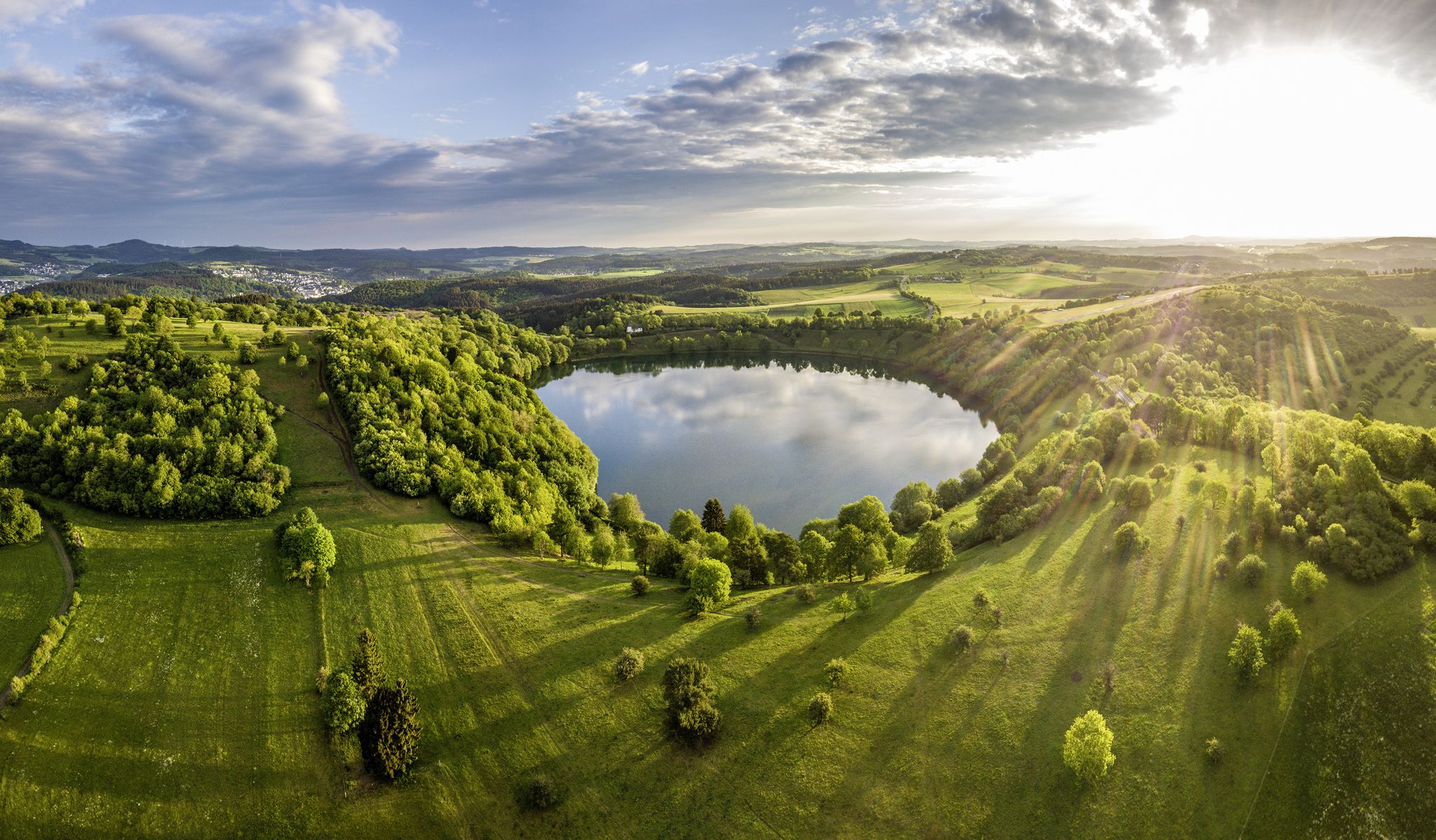
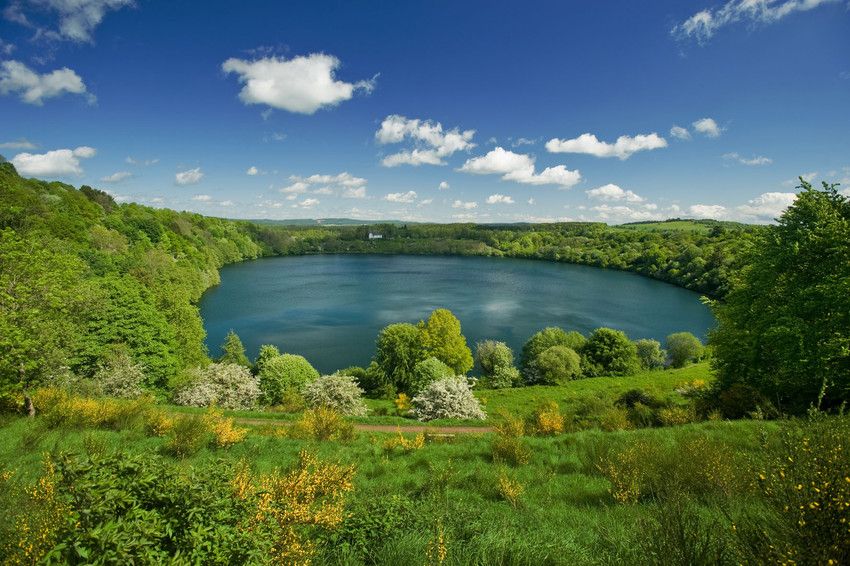
The upper castle was built on a slope above the Ulmen maar, while the lower castle (also called lower castle) was adjacent but below it. The exact time of construction is not known, but it is assumed that the upper castle was built around the year 1000. It was first mentioned in a document in 1074. The ruins of the upper castle are owned by the municipality of Ulmen and in 1913 were listed as a historical monument. It is freely accessible and there are regular events on its premises, including an annual medieval market on the last weekend in June. Source: Wikipedia
7
0

Nice way to the Pinnerkreuz. Very nice view of the Moselle valley from the Pinnekreuz.
9
1

You have to go up here! There is a completely different perspective on the Reichsburg. Beautiful! And good for your stamina when you climb up here on foot!
16
0


더 살펴보기
다른 곳에서 최고의 성을 찾고 계신가요? 다른 가이드를 발견해보세요 울멘 주변:
