옥홀름 최고의 MTB 라이딩 경로
5.0
(12)
44
자전거 타는 사람
7
라이딩
옥홀름에서 산악자전거 라이딩을 하면 다양한 경치를 감상할 수 있어요. 어디서 출발해야 할지 모르겠다고요? 지금부터 옥홀름 최고의 MTB 경로를 찾을 수 있도록 가장 멋진 라이딩 장소를 소개해드릴게요!
마지막 업데이트: 10월 13, 2026
5.0
(3)
15
자전거 타는 사람
31.6km
01:33
20m
20m
초급용 산악자전거 라이딩. 모든 체력 수준에 적합. 실력과 관계없이 누구나 갈 수 있음.
5.0
(1)
11
자전거 타는 사람
35.6km
01:44
30m
30m
초급용 산악자전거 라이딩. 모든 체력 수준에 적합. 실력과 관계없이 누구나 갈 수 있음.

5.0
(3)
8
자전거 타는 사람
22.6km
01:14
20m
20m
초급용 산악자전거 라이딩. 모든 체력 수준에 적합. 실력과 관계없이 누구나 갈 수 있음.
5
자전거 타는 사람
40.4km
02:00
20m
20m
보통 산악 자전거 타기. 좋은 체력 필요. 실력과 관계없이 누구나 갈 수 있음.
5.0
(1)
2
자전거 타는 사람
33.8km
01:43
60m
60m
초급용 산악자전거 라이딩. 모든 체력 수준에 적합. 실력과 관계없이 누구나 갈 수 있음.
더 다양한 경로와 다른 탐험가들의 추천을 살펴보세요.
이미 komoot 계정이 있나요?
투어 추천은 다른 사람들이 komoot에서 완료한 수천 개의 활동을 바탕으로 구성되어 있습니다.
오늘 무료 계정으로 시작하세요
다음 모험이 기다리고 있어요.

커뮤니티 팁


The Niebüll water tower is a historic structure built in 1908 to supply water to the steam locomotives of the Marschbahn. It is the only remaining structure of its kind along this route and was expanded in 1926 with a larger reinforced concrete head. After operations ceased in 1972, the tower began to decay and was even on the verge of demolition. However, thanks to the commitment of Sven Vogt and the Nordfriesland-Nord district trade association, the tower was saved and extensively renovated. Today it serves as a unique one-room hotel and offers its guests exceptional accommodation on four levels with a panoramic view of the station area.
2
1
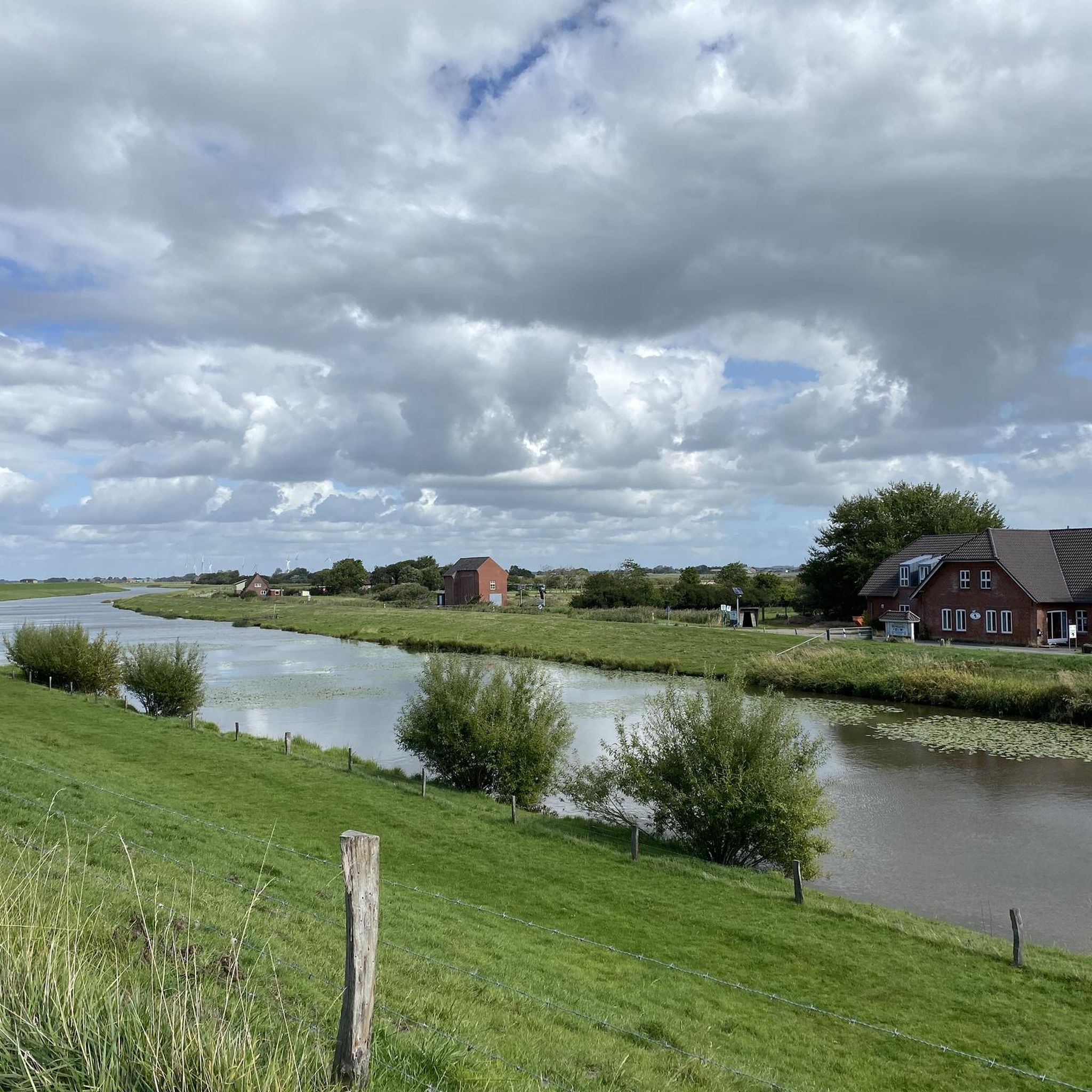
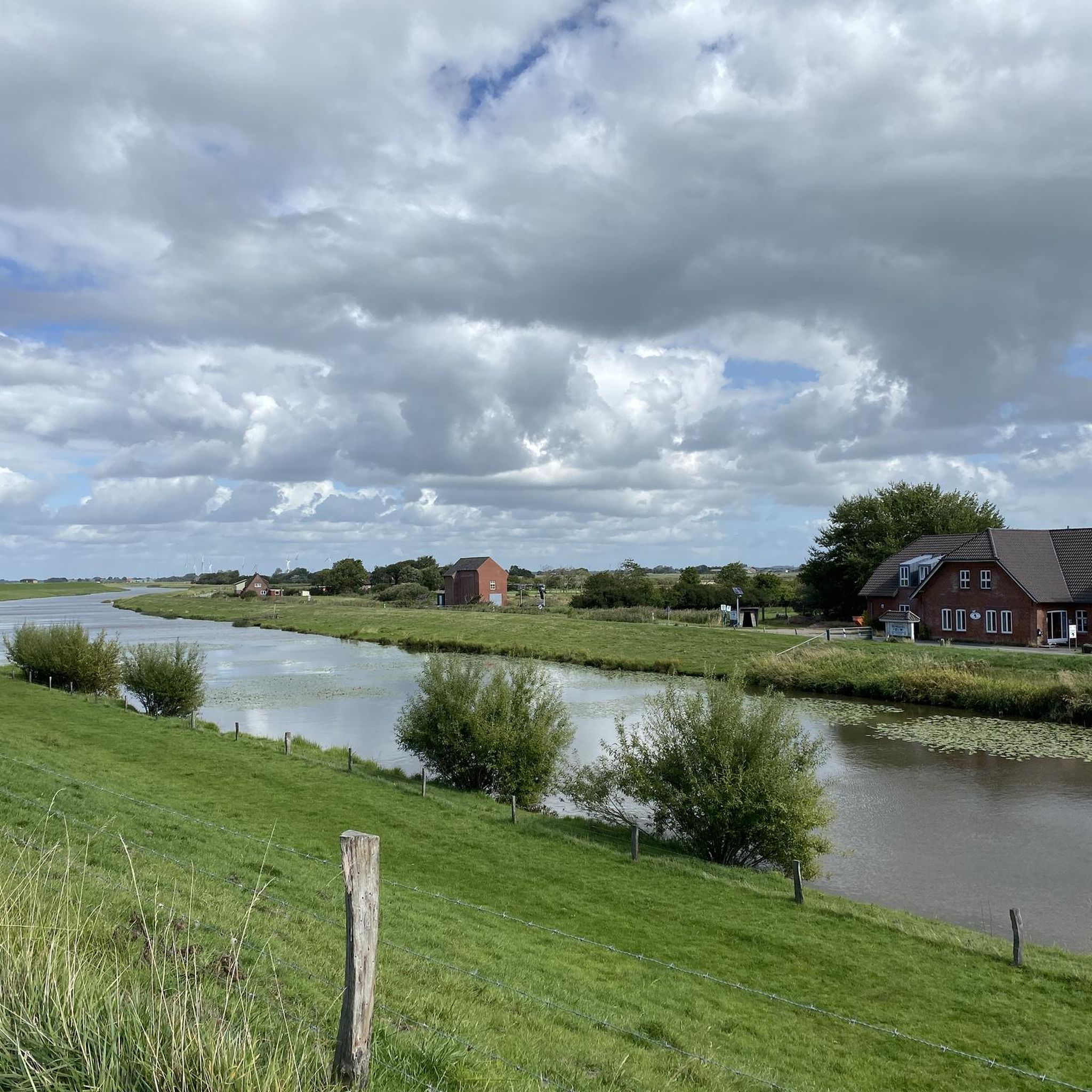
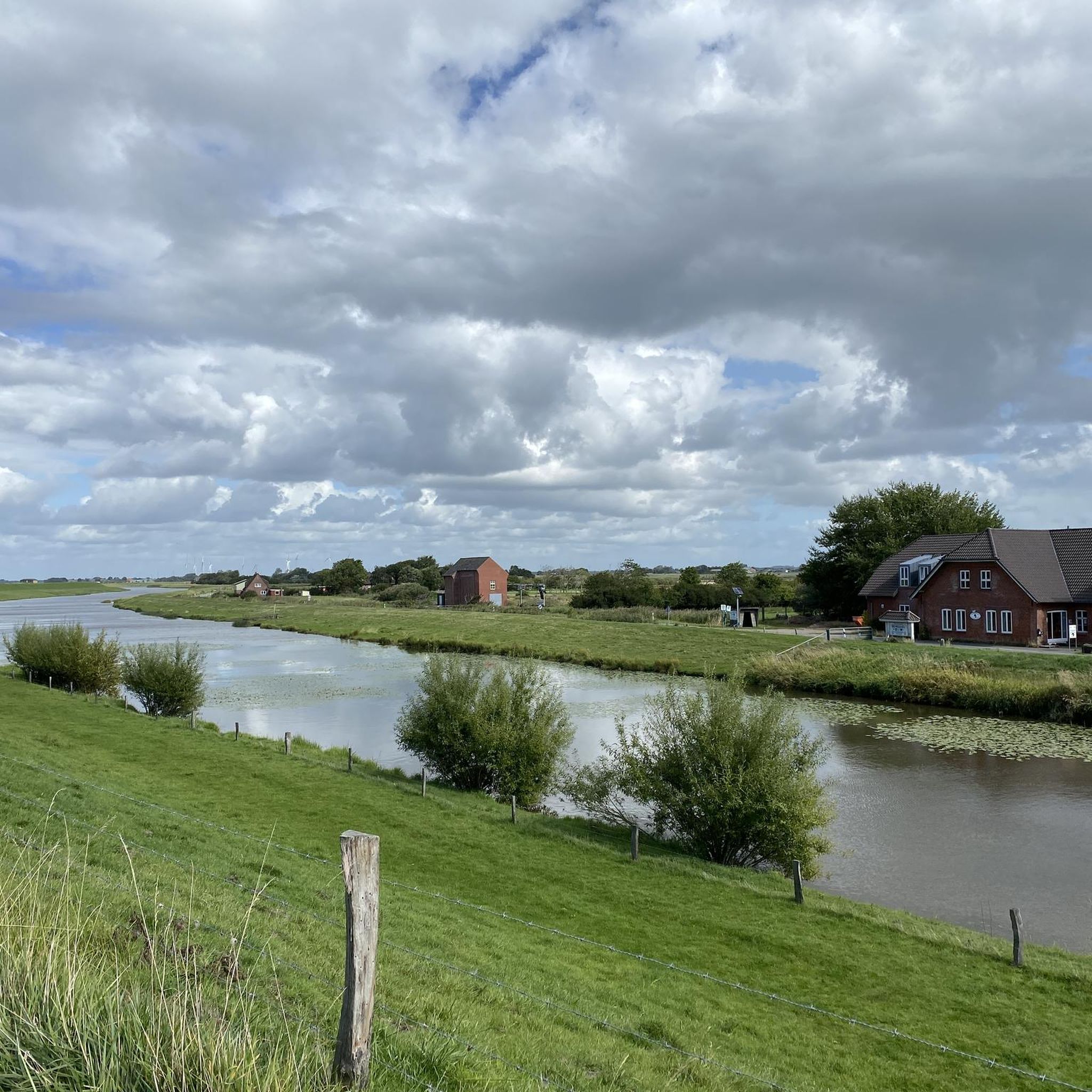
The Amsinck House in the Sönke-Nissen-Koog is an information and service center that specializes in the nature and culture of central North Frisia. It is located directly on the dike in front of the Hamburger Hallig and offers an exciting exhibition about the history and natural treasures of the region. The Amsinck House was named after the Hamburg merchant family Amsinck, who made a significant contribution to the embankment of the Hamburger Hallig. Since 1985, the Hallig has been part of the Schleswig-Holstein Wadden Sea National Park and is under special protection. The house provides information about the flora and fauna of the Wadden Sea, the importance of the dikes and sustainable agriculture in the region. One of the highlights of the Amsinck House is a multimedia exhibition, which is supplemented by radio plays, films and interactive stations. Visitors can learn interesting facts about dike construction, the energy industry and agriculture in North Frisia. Guided tours and mudflat hikes are also offered, providing a deeper insight into the nature and history of the area. The Amsinck House is also an ideal starting point for walks and bike tours to the Hamburger Hallig. A bike rental and a camper van parking space are available, and the nearby Hallig-Krog restaurant offers culinary delights in a unique location.
0
0
The Beltringharder Koog is an impressive nature reserve in North Friesland, Schleswig-Holstein. The Koog was embanked in 1987 and covers an area of 3,350 hectares, making it the largest nature reserve on the Schleswig-Holstein mainland. It was created in response to storm surges and today serves to protect the coast and promote biodiversity in the region. The Beltringharder Koog has a variety of habitats, including saltwater and freshwater lagoons, wet grassland and tidal floodplains. These diverse biotopes provide habitat for numerous species of birds that breed or rest here. Over 100,000 waders and water birds use the Koog throughout the year, making it a paradise for birdwatchers. Commonly seen species include greylag geese and black-necked grebes. For visitors, there are well-developed hiking and cycling trails that lead through the diverse landscape of the Koog. Tours that start at Lüttmoorsiel and lead along the dike to Lüttmoorsee and further are particularly recommended. Observation huts and viewing platforms on these routes offer excellent opportunities to observe wildlife in its natural environment. The Koog is also an example of successful cooperation between nature conservation organizations such as NABU, the Wadden Sea Conservation Station and the WWF. Together they ensure that this unique ecosystem is protected and cared for.
1
0
Hallig Nordstrandischmoor, often affectionately referred to as "Lüttmoor", is one of the smaller Hallig islands in the North Sea and is part of the Schleswig-Holstein Wadden Sea. This Hallig has an area of about 1.9 square kilometers and is home to around 22 residents who live on four terps: Neuwarft, Amalienwarft, Halberwegwarft and Norderwarft. Nordstrandischmoor is known for its unique connection to the mainland through the Lorenbahn, a narrow-gauge railway with a track width of 600 mm that runs from Lüttmoorsiel across the Beltringharder Koog. This railway is not only an important transport route for the islanders to obtain vital goods such as building materials and food, but also a tourist attraction. The history of the Hallig is closely linked to the great storm surge of 1634, in which the then island of Strand was almost completely destroyed. Nordstrandischmoor and other Hallig islands are the remnants of this former large island. The Hallig itself was only settled after the storm surge and was mainly used for peat mining.
0
0
The Sönke Nissen Koog is an impressive example of engineering and agricultural development in North Friesland. It is located northwest of Husum and covers about 1,200 hectares. The Koog was dyked in 1925 and completed in 1926, named after the engineer and diamond dealer Sönke Nissen, who played a key role in financing the project. Sönke Nissen, originally from Klockries near Niebüll, made his fortune through his work in German South West Africa, now Namibia, where he was involved in railway projects and diamond mining. After his death, the executors of his will used his fortune to build the Koog. The Koog comprises 28 farms, most of which are painted white and have green roofs. This uniform architecture was designed by the architect Heinrich Stav, who ensured that the buildings were built robustly and functionally, but also cost-effectively. The sluice in the Sönke-Nissen-Koog plays a central role in the drainage of the area and enables the marshland to be used for agricultural purposes. The fertile soils of the Koog are mainly used for growing winter wheat, winter barley and winter rapeseed, and some areas are also used to grow sugar beet, which is processed in biogas plants. In addition to agriculture, the Koog is also a location for renewable energies, including wind turbines and photovoltaic systems.
0
0
Pellworm is one of the North Frisian Islands in the Wadden Sea of Schleswig-Holstein. It is known for its tranquil, natural beauty and its importance in the field of sustainable energy. With an area of 37 square kilometers and a population of around 1,200 people, Pellworm offers an idyllic setting for nature lovers and those seeking peace and quiet. The island is characterized by its rich birdlife, including oystercatchers, shovelers and redshanks, making it a paradise for birdwatchers. Most notably, Pellworm is part of the UNESCO Wadden Sea World Heritage Site, one of the last large, largely undisturbed mudflat ecosystems in the world. Another highlight of the island is the Westerhever Lighthouse, which was built in 1906 and can be visited all year round. The lighthouse offers breathtaking views of the North Sea and the surrounding countryside . Pellworm is also known for its historic St. Salvator Church and numerous thatched-roof houses that retain the traditional North Frisian flair. Pellworm has also made a name for itself as a “green island” because it plays a leading role in the field of renewable energy. Germany’s first solar energy plant was put into operation here as early as 1983, and the island now uses a mixture of solar, wind and biogas plants to generate energy. Visitors can easily reach the island by ferry, which runs from Nordstrand. On Pellworm itself there are numerous opportunities for hikes, bike tours and mudflat hikes to the nearby Halligen.
0
0
옥홀름 주변에서 가장 인기 있는 명소


더 살펴보기
다른 지역의 최고의 MTB 트레일를 살펴보세요.
