레무드 주변 최고의 그래블 라이딩 코스
4.8
(4)
71
자전거 타는 사람
18
라이딩
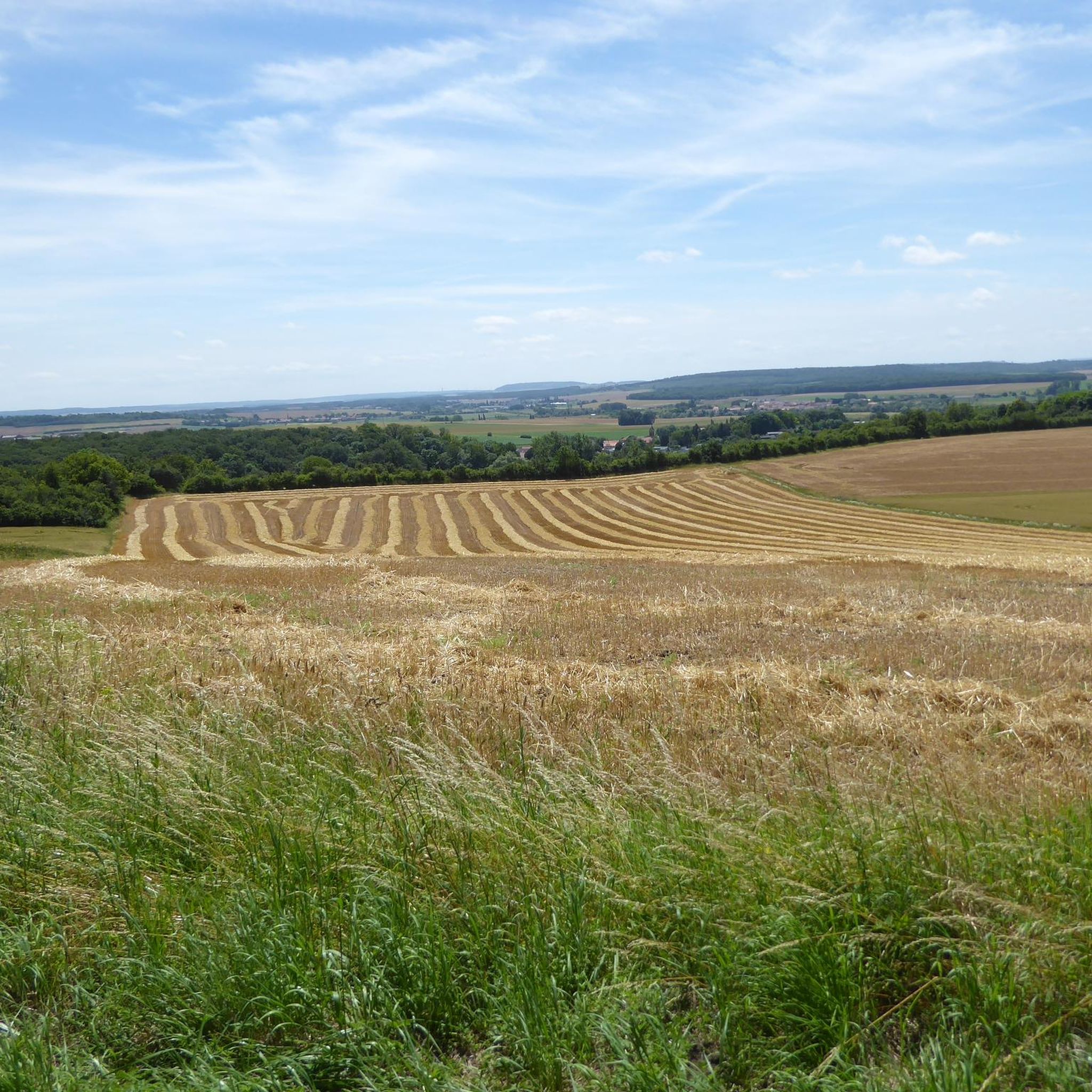
그래블 바이크를 타고 레뮈드 주변을 달리면 프랑스 모젤 지역의 다채로운 풍경 속으로 떠나는 루트를 경험할 수 있습니다. 이 지역은 세일 강(Seille)을 따라 흐르는 강 계곡과 페이 숲(Bois de Fey)과 같은 광활한 숲이 특징입니다. 라이더들은 농업 지역과 역사 유적지를 가로지르며 적당한 고도 변화가 있는 구불구불한 길을 예상할 수 있습니다. 이 지역은 그래블 사이클링에 적합한 비포장 경로 네트워크를 제공합니다.
레뮈드 주변 최고의 그래블 바이크 경로
- 가장 인기 있는 그래블 바이크 경로는 세일 댐 – 쥐리 출발 페르므 드 라 오트-보부아 루프로,…
마지막 업데이트: 8월 26, 2026
4.5
(2)
16
자전거 타는 사람
38.6km
02:09
190m
190m
보통 자갈길 타기. 좋은 체력 필요. 대부분 포장된 지면. 실력과 관계없이 누구나 갈 수 있음.
6
자전거 타는 사람
27.6km
01:32
160m
160m
보통 자갈길 타기. 좋은 체력 필요. 대부분 포장된 지면. 실력과 관계없이 누구나 갈 수 있음.

무료 회원 가입
6
자전거 타는 사람
26.4km
01:28
140m
140m
초급용 그래블 라이딩. 모든 체력 수준에 적합. 대부분 포장된 지면. 실력과 관계없이 누구나 갈 수 있음.
5.0
(1)
8
자전거 타는 사람
56.8km
03:15
390m
390m
보통 자갈길 타기. 좋은 체력 필요. 대부분 포장된 지면. 실력과 관계없이 누구나 갈 수 있음.
4
자전거 타는 사람
45.3km
02:58
380m
380m
보통 자갈길 타기. 좋은 체력 필요. 대부분 포장된 지면. 실력과 관계없이 누구나 갈 수 있음.
더 다양한 경로와 다른 탐험가들의 추천을 살펴보세요.
무료 회원 가입
이미 komoot 계정이 있나요?
투어 추천은 다른 사람들이 komoot에서 완료한 수천 개의 활동을 바탕으로 구성되어 있습니다.
오늘 무료 계정으로 시작하세요
다음 모험이 기다리고 있어요.
로그인 또는 가입하기


커뮤니티 팁

메츠와 펠트르 사이의 옛길에는 오트 베부아와 바스 베부아라는 두 개의 성채가 있었습니다. 언덕 위에 있는 오트 베부아는 14세기 초부터 기록된 성채 농장입니다. 1404년에는 "Jehan Xaippey", 즉 장 드 라이구르(Xappel이라고도 함)가 소유했으며, 당시 12마리의 소와 8마리의 말을 사육했습니다. 18세기 거주지와 농장 건물 외에도 중세 성의 평면도가 여전히 읽을 수 있으며, 해자로 둘러싸인 직사각형의 네 개의 날개와 두 개의 날개, 세 개의 탑이 초기 상태를 상기시킵니다. https://melodi.univ-lorraine.fr/s/projet-cite-de-metz/item/2973
1
0

A spectacular building from 2010, the first branch of Paris's famous Centre Pompidou, a museum of contemporary art. A white, curved roof is stretched across many exposed wooden beams. Inside, the tube-like exhibition spaces are stacked one above the other in a star shape, with enormous panoramic windows at the ends offering views of the city and the surrounding area.
4
1

Okay with a mountain bike, a bit too intense with a gravel bike!
0
0
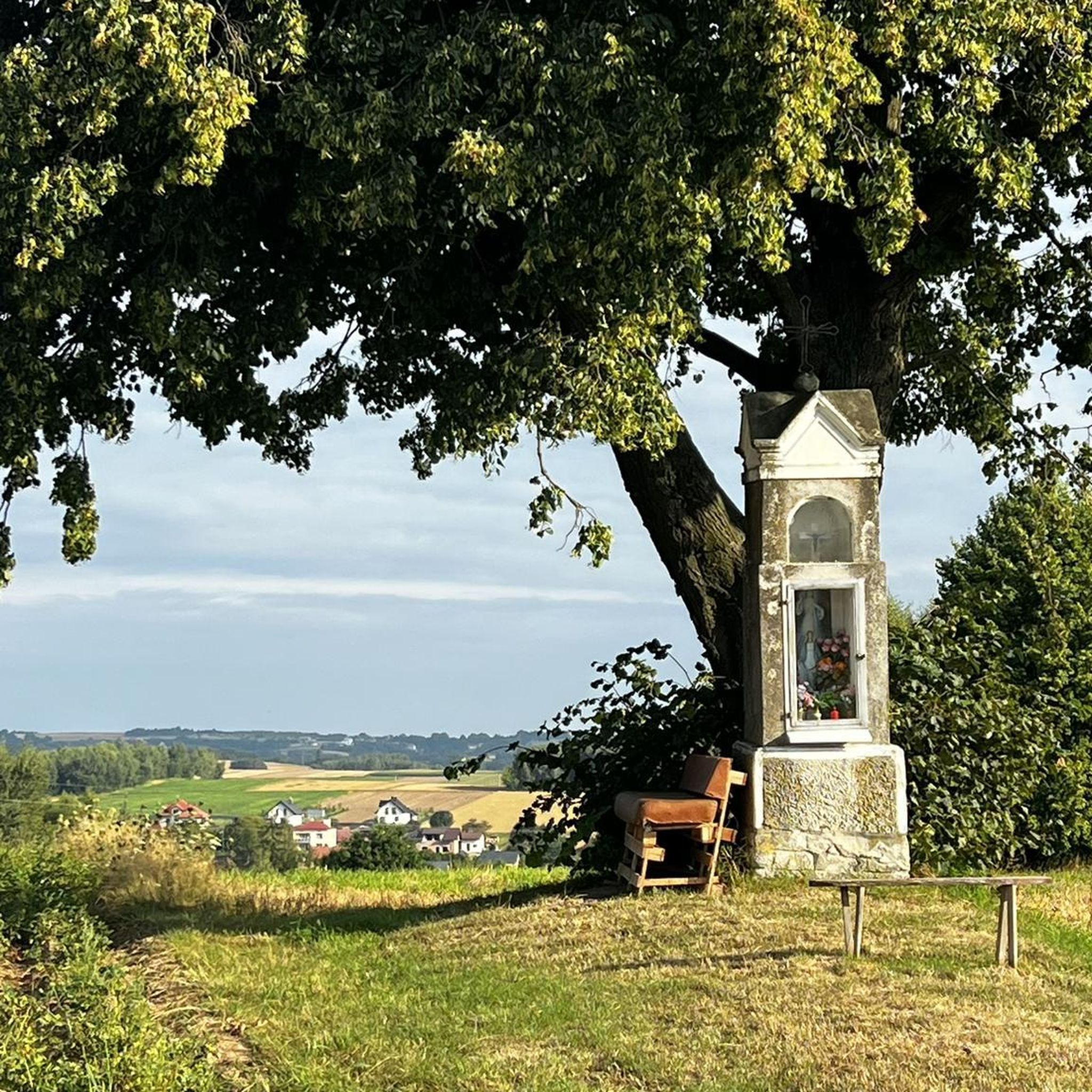
Memorial to the fallen of the two world wars and the Indochina War 🕊️.
0
0
Memorial to the fallen of the two world wars 🕊️
0
0
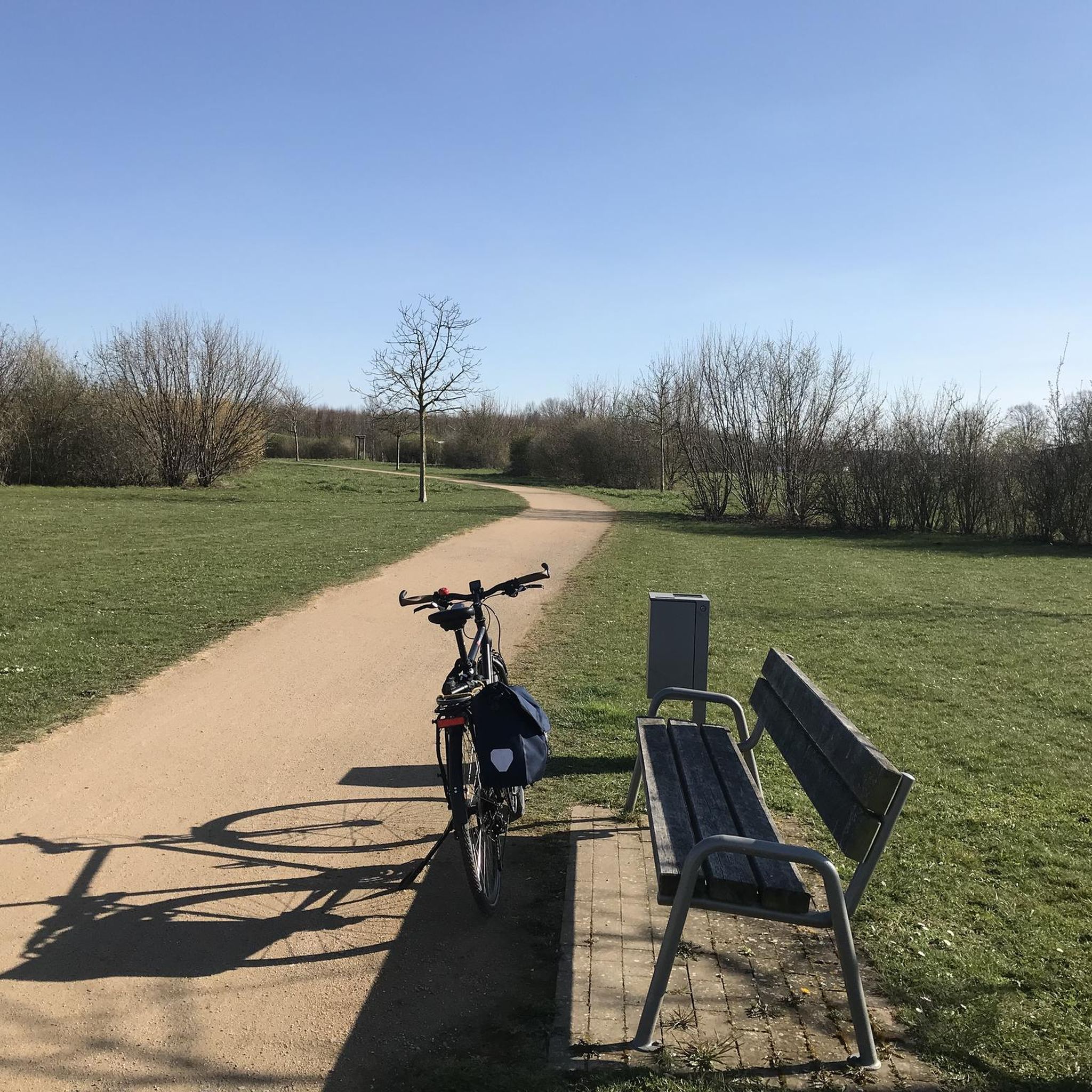
This beautiful rest area is located on the former railway line, at the old train station in Pange.
0
0

The Center Pompidou-Metz is a well-known contemporary art museum located in the Amphitheater district. Created in 2010 as part of a development project, it is one of the most visited museums in France outside of Paris. Its creation represented the first example of decentralization of a public cultural building, in this case the Center Georges Pompidou in Paris. The idea of creating a "branch" came to the now director Jean-Jacques Aillagon in 1997, when the Pompidou in Paris was closed for works (1997-2000). To continue exhibiting the various collections it was decided to create the “Outside the Walls” project, with exhibitions in various French cities. Given the success, concrete thought was given to a second location for the Pompidou Center. Input to the project was given by Aillagon himself when, in 2002, he was appointed Minister of Culture. Various cities showed interest, including Caen, Montpellier, Nancy and Lille, but in January 2003 the final choice was announced: Metz. The following March the tender for the project was launched, won by architects Shigeru Ban, Jean de Gastines and Philip Gumuchdjian. The construction was part of the urban redevelopment project of the Amphitheater district which, in addition to the Pompidou Centre, led to the construction of the Seille Park, the "Robert Schuman" conference centre, the Muse shopping center as well as various buildings of housing and green areas. The official inauguration took place on 11 May 2010 in the presence of President Sarkozy. The Pompidou Center in Metz has a hexagonal plan. The structure develops around a central body with a 77 meter high tower and is characterized by the presence of three self-supporting tunnels that cross each other transversally. The three galleries are oriented towards different points of the city, so as to provide the most complete overview possible. The cover, entirely made of wood, recalls the shape of a traditional Chinese hat owned by Shigeru Ban himself. In addition to the vast exhibition space, which extends over 5,000 m², the structure includes places to welcome the public, a studio for the presentation of shows and performances, gardens, an auditorium, a bookshop, a restaurant and a café. www.centrepompidou-metz.fr
1
0

The origin of “Pont-à-Domangeville is lost in the mists of time. The Roman road from Metz to the Rhine already passed through there. Under the old regime, it was a tiny separate lordship, with a toll bridge. Usually blocked and padlocked, to cross it you had to pay a fee, depending on the livestock and products passed through. The lordship belonged in the 13th century to the Saint-Vincent de Metz abbey, then to the successive lords of Domangeville; in 1716, to the Laubrussels, then to the Leuryses, finally to the Thomas de Pange. It included, in addition to the bridge, the road - 50 toises on this side, 18 beyond - the bed of the Nied on both sides and, on the south-east bank, land with a hostelry (current Mayot farm) . In 1789, the community of Bazoncourt declared in its list of grievances “the enlightenment of the State and the kindness of the King will undoubtedly eliminate a right of final injustice perceived at Pont-à-Domangeville. However poor a plowman he may be, he pays three does and several pay without passing through.” After the revolution, the bridge had to be repaired. Paradoxically, the general council had the expenditure entered in the 1814 and 1815 rolls of the localities which had subscribed to the bridge in 1766. On this ordeal is inscribed: “This monument of our redemption was erected by the care of MM. De Pange, de Courten, Devaux and Dauphin, Commissioners responsible for the reconstruction of this bridge, in the year of our Lord 1816. During the reconstruction work and near the bridge, Joseph GRANDIDIER de Hernicourt and François ANIEL perished in the waters on July 20 from Domangeville, both attached to the service of the neighboring farm »
1
0
레무드 주변에서 가장 인기 있는 명소


더 살펴보기
다른 지역의 최고의 그래블 라이딩를 살펴보세요.
