Top 19 Castles in Morocco
Castles in Morocco showcase the country's rich history and diverse architectural heritage. Morocco features varied landscapes, from the Atlas Mountains to the Atlantic coast, providing unique settings for these historic structures. Many of these buildings, often constructed from adobe, reflect distinct regional styles and cultural influences. Exploring these sites offers insight into Morocco's past.
Best castles in Morocco
- The most popular castles is Agadir Id Aissa, a historical site that was built 600 years ago and has been beautifully renovated. This escape and storage castle is a well-preserved example of ancient Moroccan architecture.
- Another must-see spot is Kasbah Tizourgane, a historical site. Visitors can expect impressive views and a lovingly run guesthouse, making it a notable place to stay.
- Visitors also love Chellah Necropolis and Fortified Walls, a historical site. This well-maintained site features ramparts, explanatory panels, and is home to many storks, offering a unique experience.
- Morocco is known for its Kasbahs, which are single fortified buildings, and Ksars, which are fortified villages. These structures are largely characterized by their adobe construction, giving them a distinctive orange-brown hue.
- The castles in Morocco are appreciated by the komoot community, with more than 60 upvotes and 18 photos across 21 highlights.
Last updated: May 13, 2026
Kasbahs of Ait Arbi
Highlight • Historical Site
Translated by Google •
Tip by

Kasbah of Taourirt
Highlight • Castle
Translated by Google •
Tip by

Sign up now to discover places like this
Get recommendations on the best single tracks, peaks, & plenty of other exciting outdoor places.
Sign up for free
Agadir Kasbah (Kasbah Oufella)
Highlight • Historical Site
Translated by Google •
Tip by

Kasbah Tizourgane
Highlight • Historical Site
Tip by

Kasbah of the Udayas
Highlight • Historical Site
Translated by Google •
Tip by

Kasbah of Telouet
Highlight • Historical Site
Translated by Google •
Tip by

Chellah Necropolis and Fortified Walls
Highlight • Historical Site
Translated by Google •
Tip by

Agadir Id Aissa
Highlight • Historical Site
Translated by Google •
Tip by

Kasbah Amridil
Highlight • Castle
The neighboring servants quarters are already in Ruins as too many owners could not agree to pay the upkeep. The main castle is now divided between two families that each take separate entry fees of 4 € plus guide fees.
Tip by

Agdz Oasis and Kasbahs
Highlight • Historical Site
Translated by Google •
Tip by

Sign up for free to discover even more castles in Morocco.
Sign up for free
Already have an account?
Start today with a free account
Your next adventure awaits.
Login or Signup
Popular around Morocco
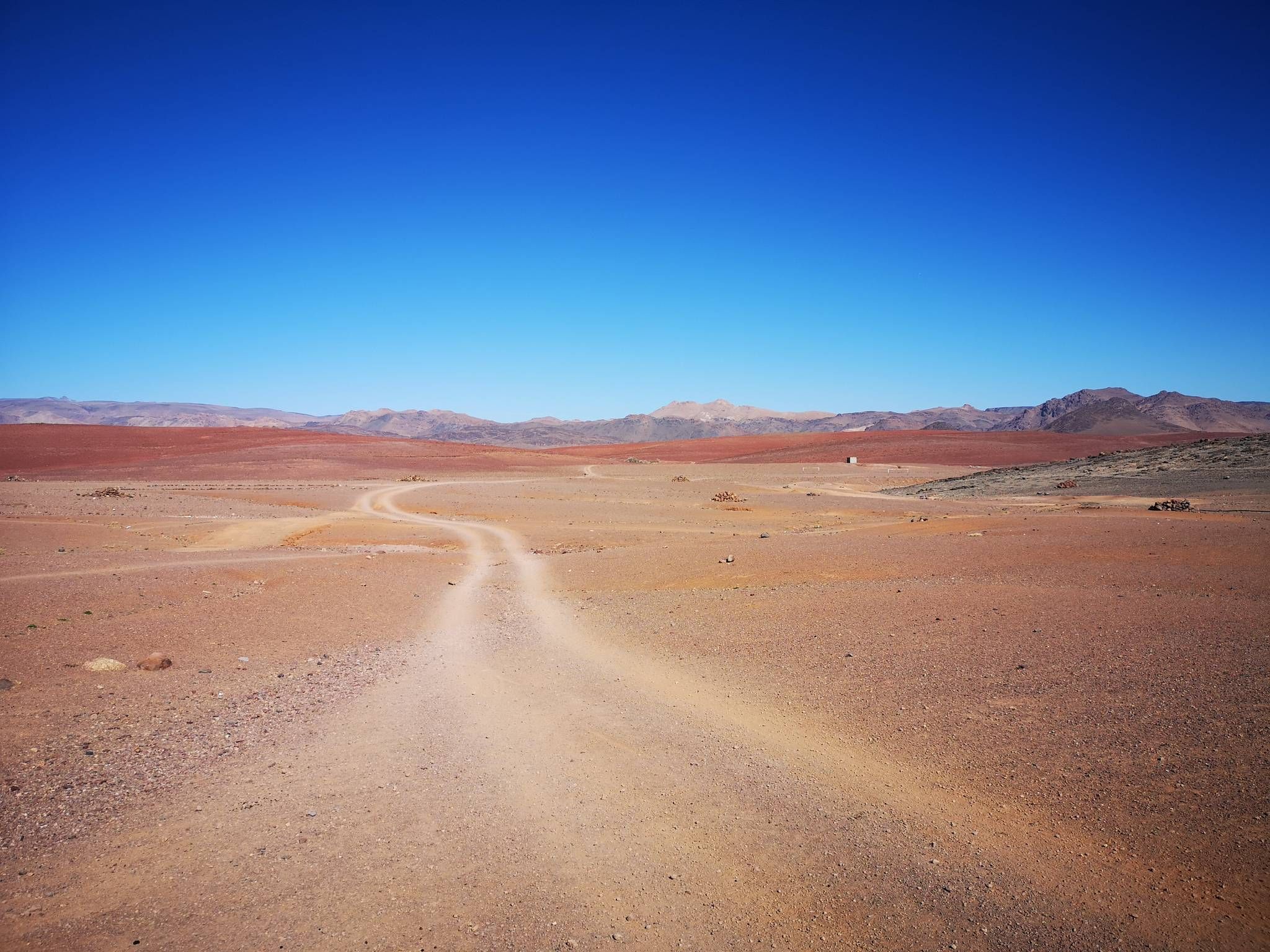
Atlas Mountain Race – One week, one bike, one girl
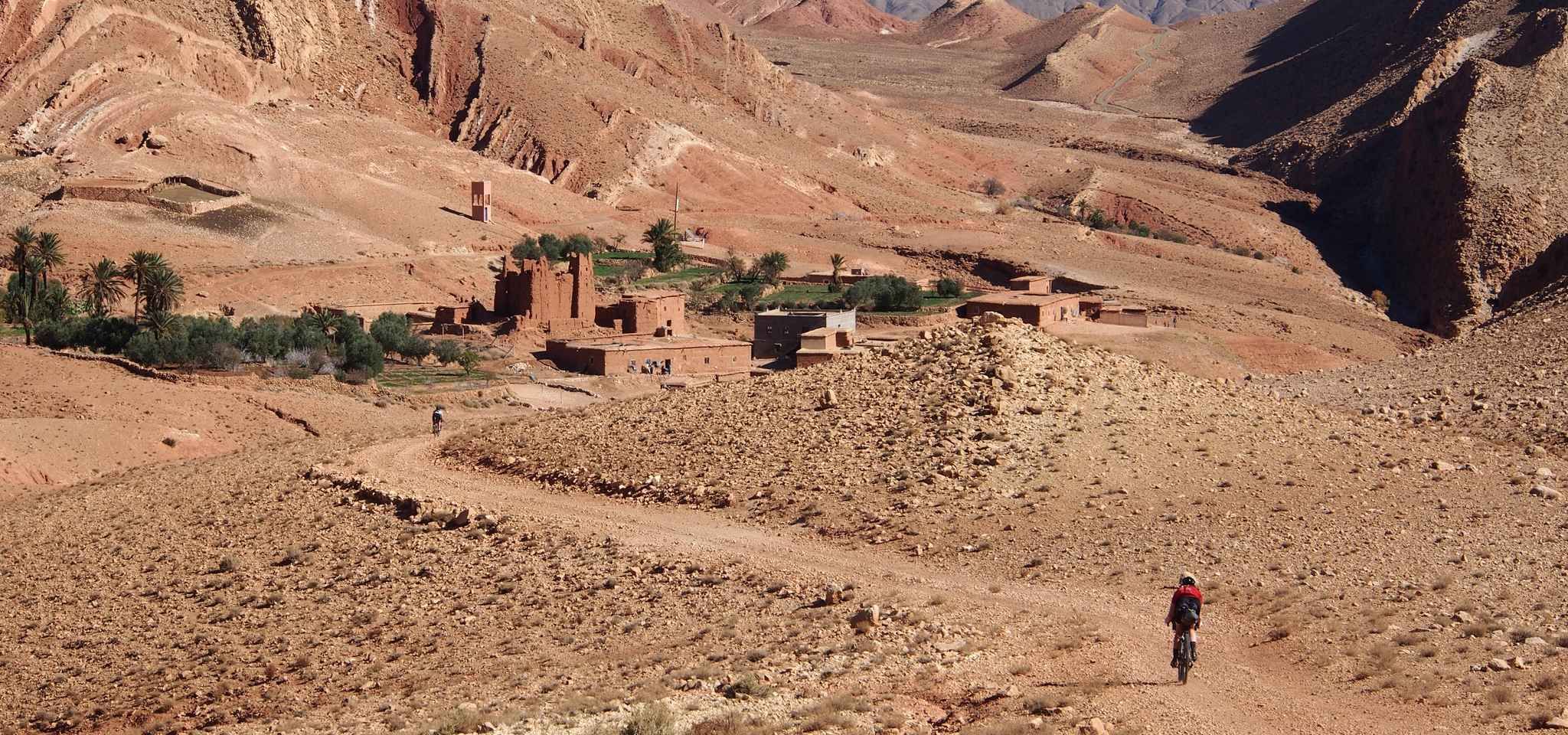
Atlas Mountains — teaser, taster & race recce
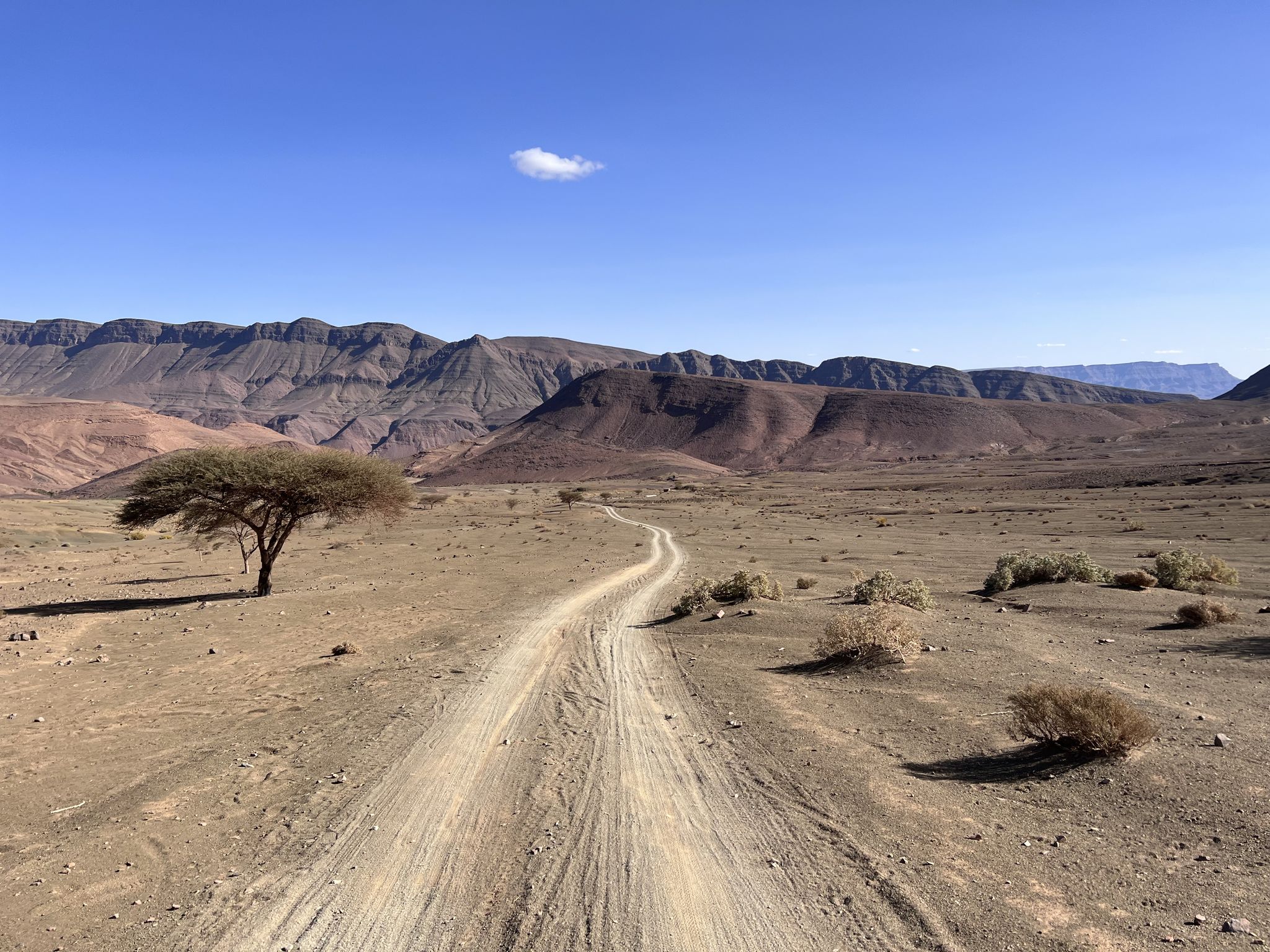
Marokko on the Rocks - Diary of the Atlas Mountain Race 2023
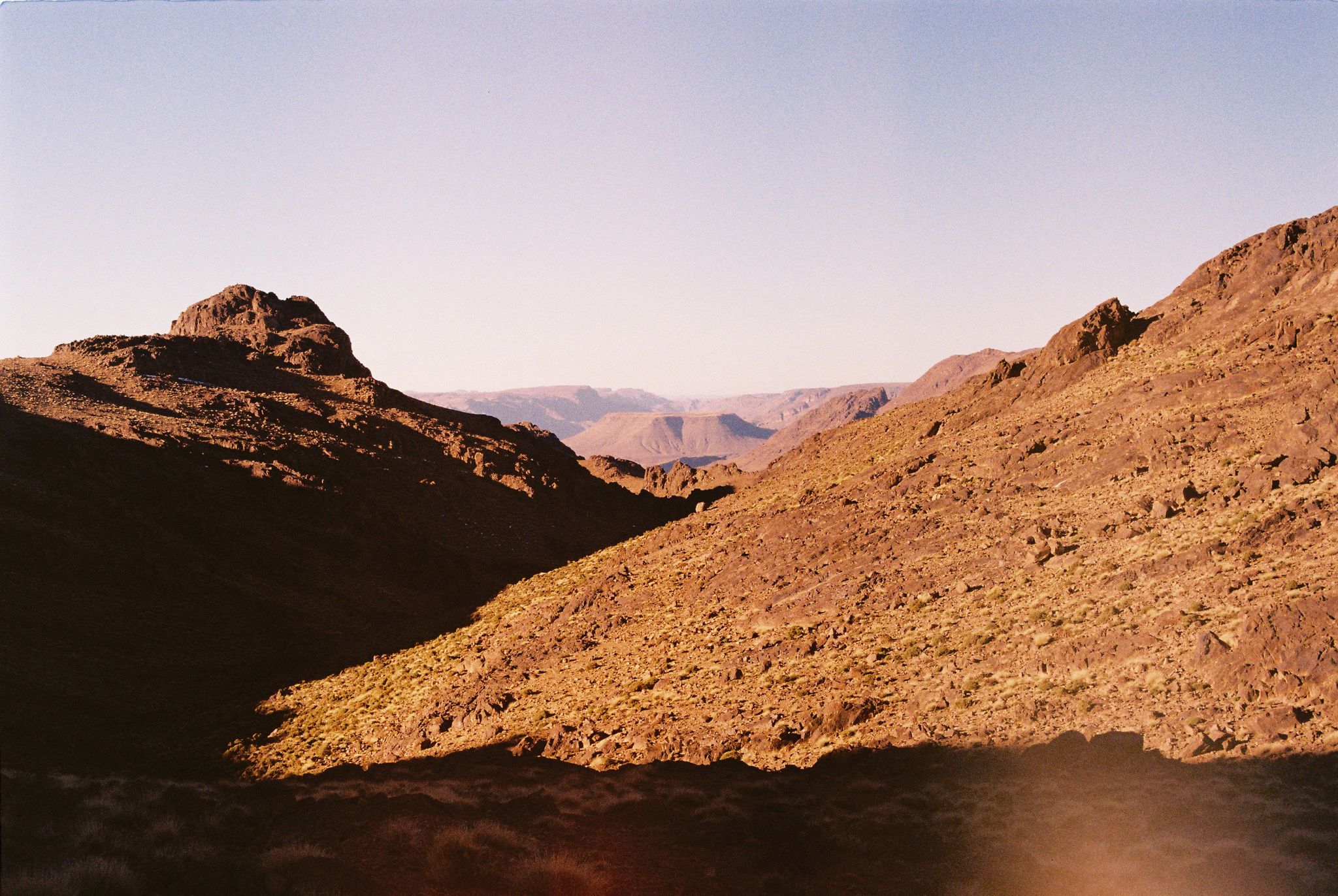
Desert and dust in the Jbel Saghro – hiking in the Moroccan Anti-Atlas
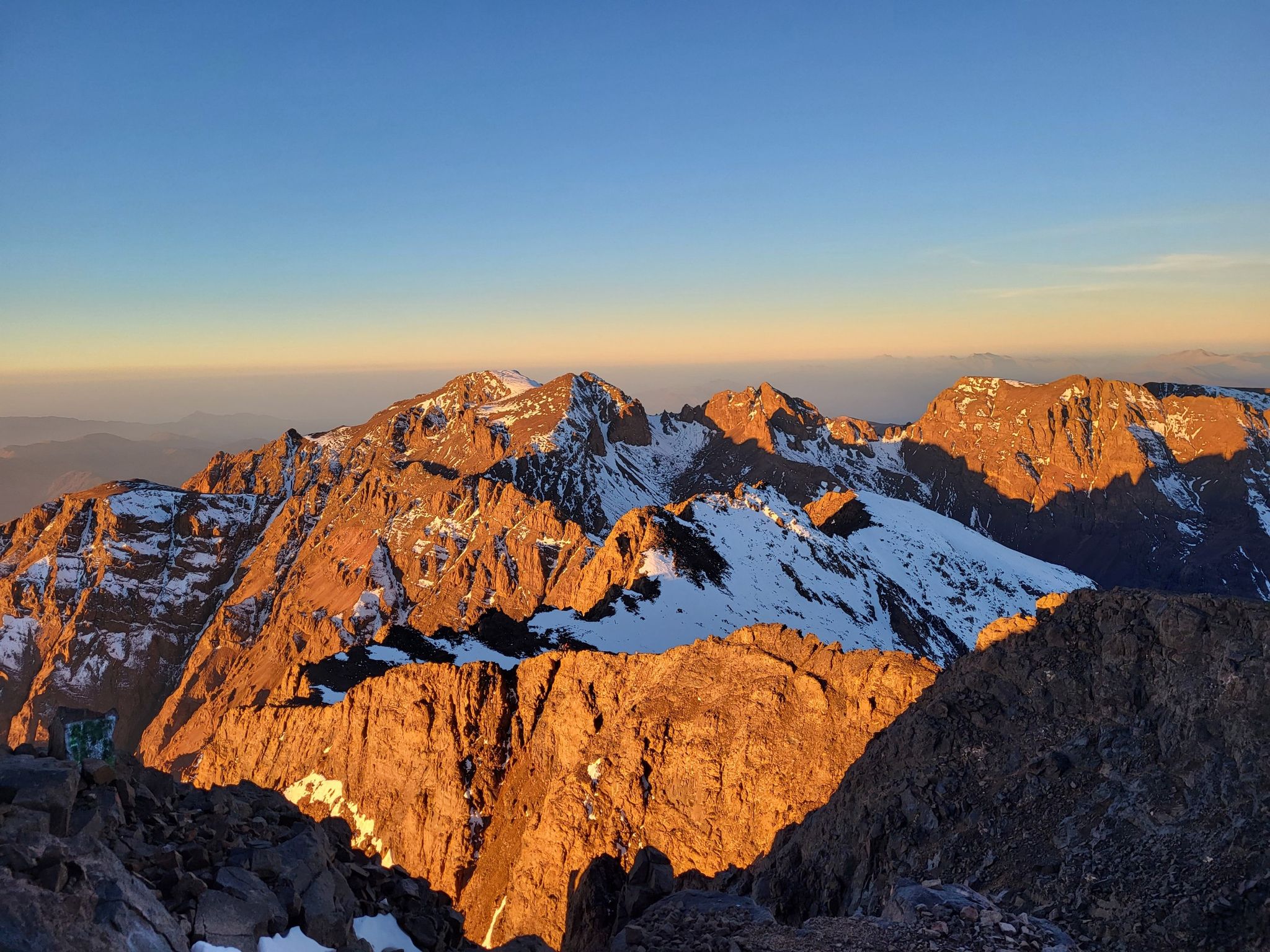
Hike on the roof of the Atlas Mountains – Toubkal National Park
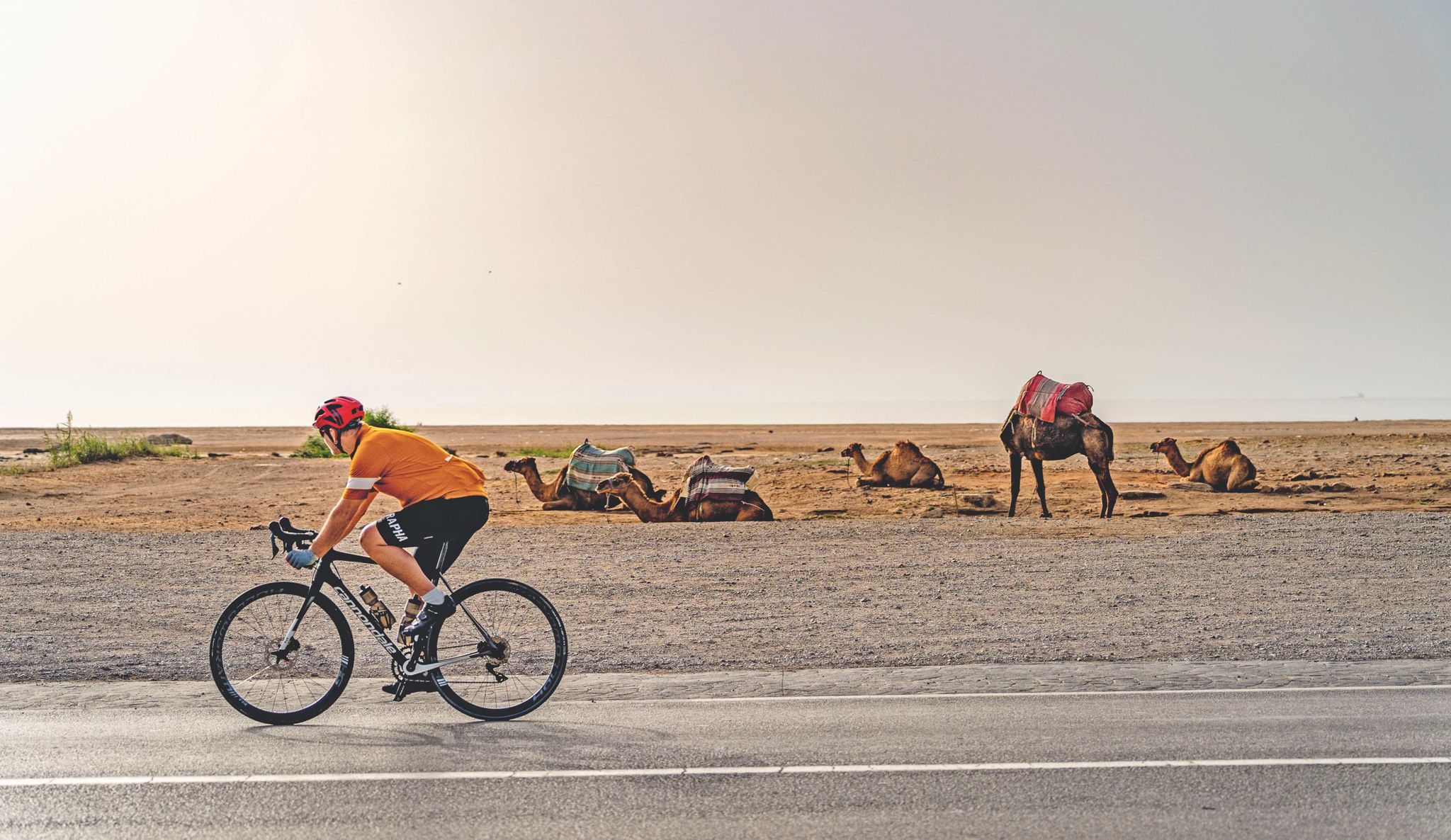
Between two seas - with TOUR in northern Morocco
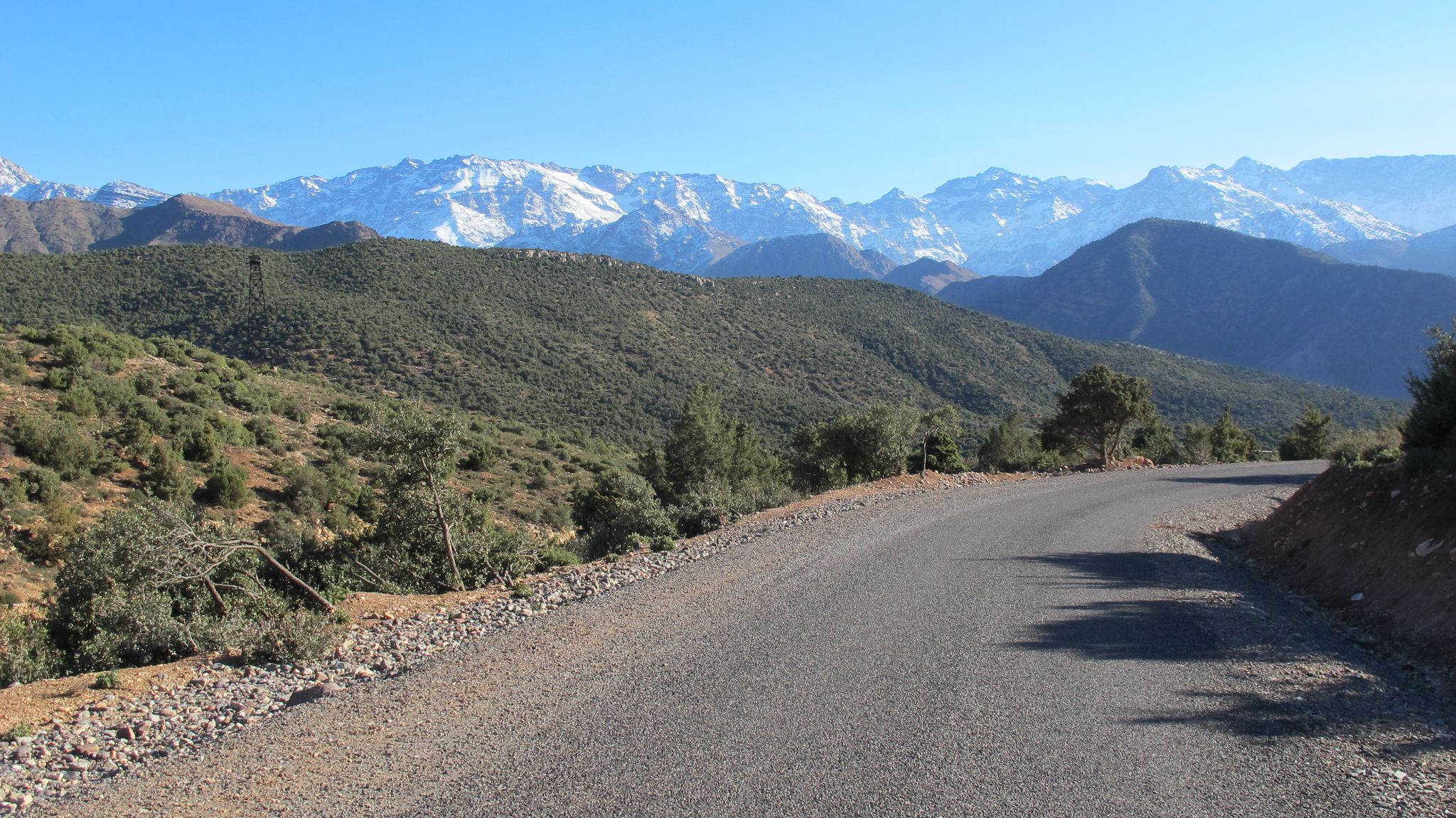
Morocco of the passes and beaches — the Atlas via the Tizi N'Test
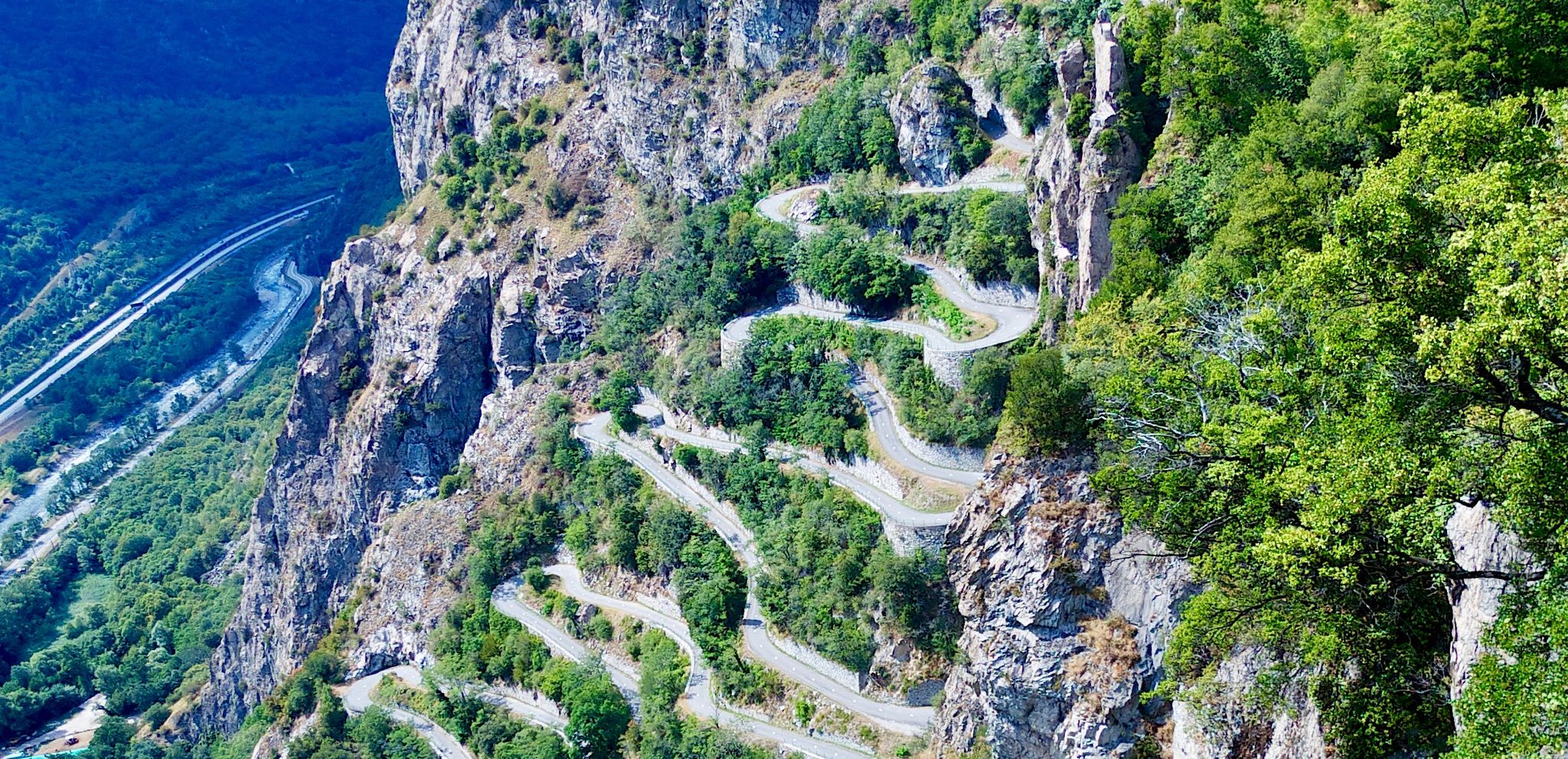
The world's most epic cycling roads
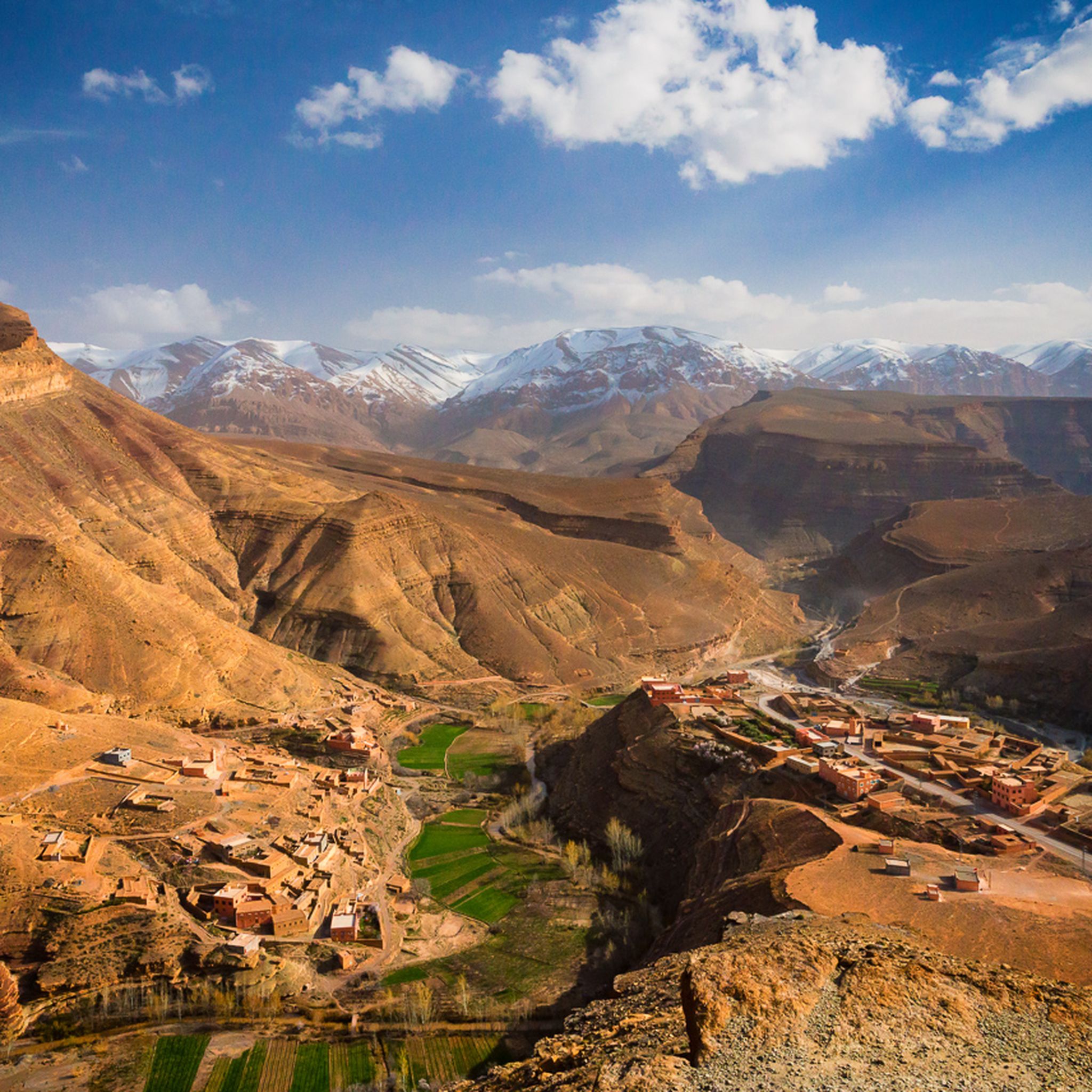
Hiking in Morocco
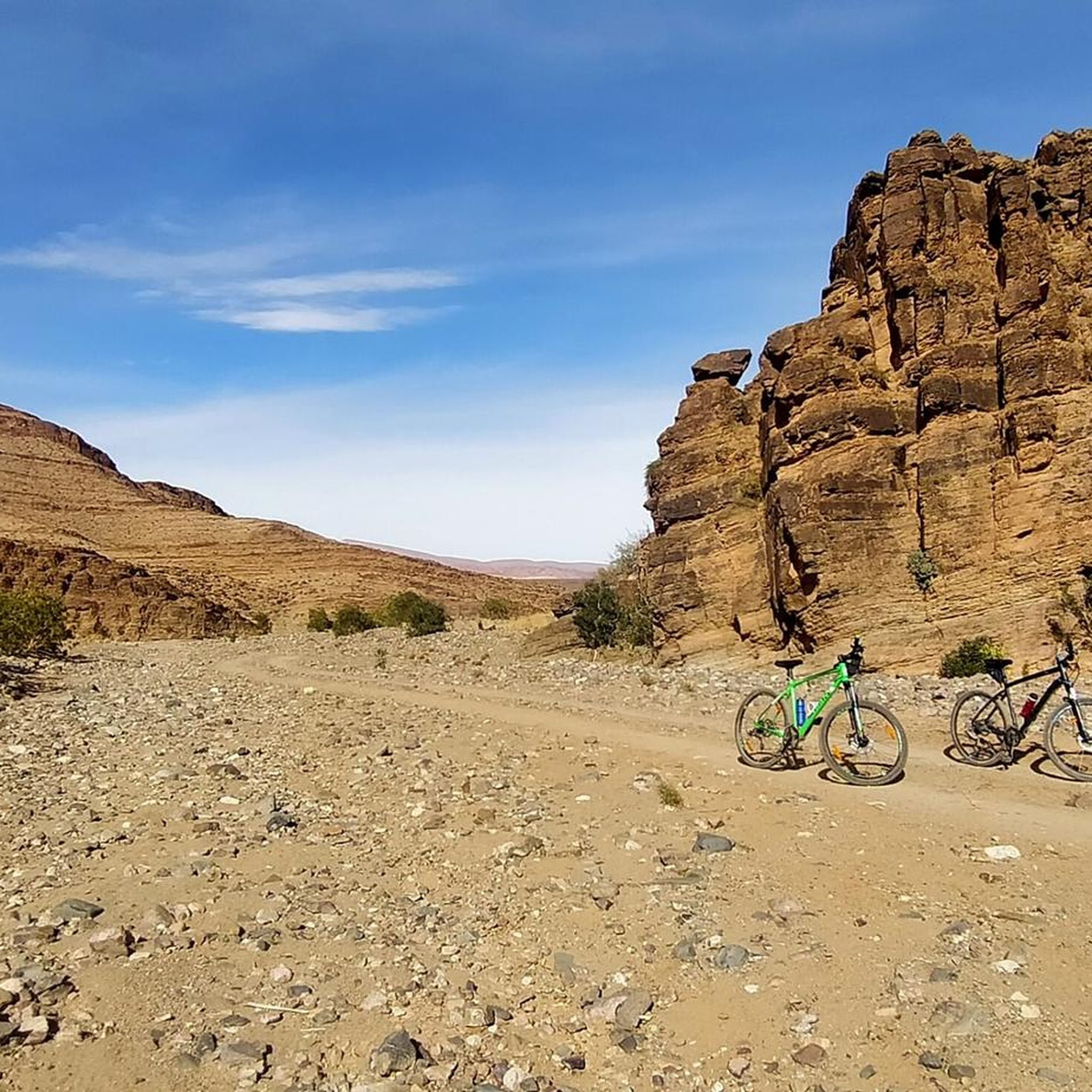
Running Trails in Morocco
Other adventures in Morocco


Tips from the Community

The hike we did with Houcene was a fantastic experience. He showed us incredible places in the valley and canyon. We completed the loop, and the view was breathtaking. Although the hike was a bit strenuous for us, Houcene (0603024716) was able to adapt his pace to everyone's level. Thanks to him, we were able to walk for almost 2.5 hours without too much trouble. A huge thank you to Houcene for his kindness, his explanations, and this wonderful introduction to the region.
0
0

The Kasbah Amridil, which also appears on the 50 dirham note, was founded in the 17th century. Part of it is still inhabited by the family and part of it is a museum. Typical of the oasis architecture of the Berber region of southern Morocco is the use of rammed earth and the square corner towers.
0
0
"The Lords of the Altas" – the El Glaoui family built the kasbah in 1860 on the lucrative trade route from the Sahara to Marrakesh. Thami El Glaoui became Pasha of Marrakesh and by the 1950s, he was the fourth richest man in the world. Legend has it that 1,000 slaves were needed for its construction, and 300 craftsmen worked on it for three years. Furthermore, El Glaoui had three wives and 98 concubines (see photos), and he doesn't smile in a single photo.
0
0

The Chellah is a must-see. First, walk around the ramparts from the outside, then go inside. The experience is well worth the price of the ticket. The site is extremely well-maintained, there are explanatory panels, and it's magnificent. As a bonus, you'll see many storks. This site is extraordinary and well worth the visit.
1
0

After a short bus ride through the Bab el Oudaia Gate, we reached the Kasbah of the Udayas, a historic fortress built in the 12th century and representing a significant part of Morocco's cultural heritage. It is picturesquely situated on the banks of the Bou Regreg River and offers breathtaking views of the Atlantic. The Kasbah is known for its narrow, winding streets lined with whitewashed houses with blue doors. Everywhere, small shops sell art objects and delicacies like freshly squeezed orange juice. It's definitely worth a visit, and you'll want to allow yourself some time for it.
2
0

We visited the gorges with Jaouad. He took us to places that are impossible to access without a guide. We made a detour to see a waterfall that was only flowing because of the heavy rain the day before. We climbed, crawled, and clambered up a tree to reach the top of the canyon with Jaouad's help. We then ate an excellent meal at his riad. To contact him, call +212700767405
0
0

Apart from accommodation, it is also possible to ask to visit the Kasbah (20 dirham) and there is a restaurant with terrace to eat or just have a drink on the road. Beautiful views of the surroundings!
0
0

Magnificent guide jaouad at the top Magnificent discovery of the monkey fingers and the canyon with jaouad Top guide +212700767405 Meal at his home in his riad a real moment of sharing With my 16 year old son we loved it Also discovery of the dades gorges magnificent site
0
2
Frequently Asked Questions
What is the difference between a Kasbah and a Ksar in Morocco?
In Morocco, a Ksar refers to a fortified village comprising multiple buildings, often including a mosque, madrasa, cemetery, and hammams. A Kasbah, on the other hand, is typically a single fortified building with defensive towers and a central courtyard, originally owned by a middle or upper-class family. Both are largely characterized by their adobe construction, giving them a distinctive orange-brown hue.
Which castles are considered the most picturesque in Morocco?
Morocco boasts many picturesque castles. The Kasbah of Taourirt near Ouarzazate is a well-preserved example of earthen architecture, often described as a huge sand castle. Another stunning site is the Kasbah of the Udayas in Rabat, known for its distinctive blue-and-white alleyways and Andalusian Gardens overlooking the Atlantic.
Are there family-friendly castles to visit in Morocco?
Yes, several castles offer a great experience for families. The Chellah Necropolis and Fortified Walls in Rabat is a well-maintained site with ramparts and explanatory panels, and it's home to many storks, which children often enjoy. The Kasbah of the Udayas in Rabat also offers open spaces and gardens for families to explore.
What is the best time of year to visit castles in Morocco?
The best time to visit castles in Morocco is generally during the spring (March to May) and autumn (September to November). During these seasons, the weather is milder and more pleasant for exploring, avoiding the intense heat of summer and the cooler, sometimes rainy, conditions of winter.
What outdoor activities can I do near Moroccan castles?
Many castles are situated in regions offering diverse outdoor activities. For instance, near some historical sites, you can find excellent hiking opportunities. You can explore trails like the 'View of the Valley and Village' loop from Gorges de Todgha Aghbalou N Todra or the 'Berber Villages' loop from Imlil. For more options, check out the Hiking in Morocco guide. Cycling is also popular, with routes like the 'Painted Rocks' loop from Tafraout available. Discover more in the Cycling in Morocco guide.
Which castles offer impressive views?
Many Moroccan castles are strategically located to offer breathtaking views. Kasbah Tizourgane is known for its impressive vistas. The Agadir Kasbah (Kasbah Oufella) also provides panoramic views of the surrounding area.
Are there any hidden gem castles in rural Morocco worth visiting?
Yes, Morocco has several lesser-known but equally fascinating castles. Kasbah Telouet, located in the High Atlas between Marrakech and Ouarzazate, is considered a hidden gem. While its exterior may appear dilapidated, its interior reveals a beautifully decorated Berber palace with intricate zellige tiles and cedarwood carvings.
What kind of historical significance do Moroccan castles hold?
Moroccan castles, palaces, and kasbahs offer a deep dive into the country's rich past. Sites like Kasbah Ait Ben Haddou, a UNESCO World Heritage site, served as crucial caravan stops between Marrakech and Sudan, showcasing the commercial flow of past centuries. El Badi Palace in Marrakech, though now a ruin, reflects the grandeur of the 16th-century Saadian dynasty. These structures provide insight into ancient trade routes, powerful dynasties, and traditional Berber life.
What should I wear when visiting Moroccan castles and historical sites?
When visiting Moroccan castles and historical sites, it's advisable to dress respectfully. This generally means covering your shoulders and knees. Lightweight, breathable fabrics are recommended, especially during warmer months. Comfortable walking shoes are also essential, as many sites involve uneven terrain and extensive walking.
Are there any well-preserved kasbahs in the Skoura Oasis?
Yes, the Skoura Oasis is home to Kasbah Amridil, which is considered one of Morocco's well-preserved kasbahs. It was built by a Middle Atlas tribe and later inhabited by the El Glaoui family, even being featured on the 50 dirham banknotes of Hassan II.
Can I find accommodation or guesthouses within or near these historical sites?
Yes, some historical sites offer accommodation. For example, Kasbah Tizourgane features a lovingly run guesthouse and restaurant, making it a notable place to stay, especially if you're traveling between Aït Baha and Tafraout.
What are the geological features surrounding ancient Moroccan fortresses?
Many ancient Moroccan fortresses, particularly kasbahs and ksars, are built into or near distinctive geological features. They often utilize the natural landscape for defense and are constructed from local materials like earthen clay, blending seamlessly with the arid, rocky, or mountainous environments. The Atlas Mountains, for instance, provide dramatic backdrops and strategic locations for many of these structures.
Most popular routes in Morocco
Most popular attractions in Morocco

Get inspired with the komoot mobile app


Didn’t find what you were looking for?
Explore Morocco’s best castles region by region:
Explore more
Looking for the best castles somewhere else? Discover other guides in Morocco:
