Top 4 Lakes around Ebernoe
Best lakes around Ebernoe are found within this rural parish in West Sussex, an area known for its natural beauty, particularly around Ebernoe Common. The region features several historically and ecologically significant ponds that are integral to an ancient wood pasture ecosystem. These water bodies contribute to the reserve's rich biodiversity and offer tranquil settings for nature observation and walking. Public rights of way connect these features, allowing for exploration of the unique character of the Low Weald woodland.
Best…
Last updated: July 25, 2026
Burton Mill Pond and Mill
Highlight • Historical Site
Tip by

South Pond, Midhurst
Highlight • Lake
Tip by
Sign up now to discover places like this
Get recommendations on the best single tracks, peaks, & plenty of other exciting outdoor places.
Sign up for free
Burton and Chingford Ponds Local Nature Reserve
Highlight • Natural
Tip by

View of Upper Pond
Highlight • Lake
Tip by

View of Petworth House from Upper Pond
Highlight • Viewpoint
Tip by

Sign up for free to discover even more lakes around Ebernoe.
Sign up for free
Already have an account?
Start today with a free account
Your next adventure awaits.
Login or Signup

Tips from the Community

Burton Mill Pond is part of the Burton Mill and Chingford Ponds Local Nature Reserve (LNR). Originating in the late 16th century to fuel a forge, the pond has a historical past. By the late 18th century, it played a vital role as part of a water mill for grinding corn, with the imposing structure by the road now standing as the remnants of the old mill. It's part of a fabulous landscape as you cycle along the road bordering its northeastern shore.
0
0

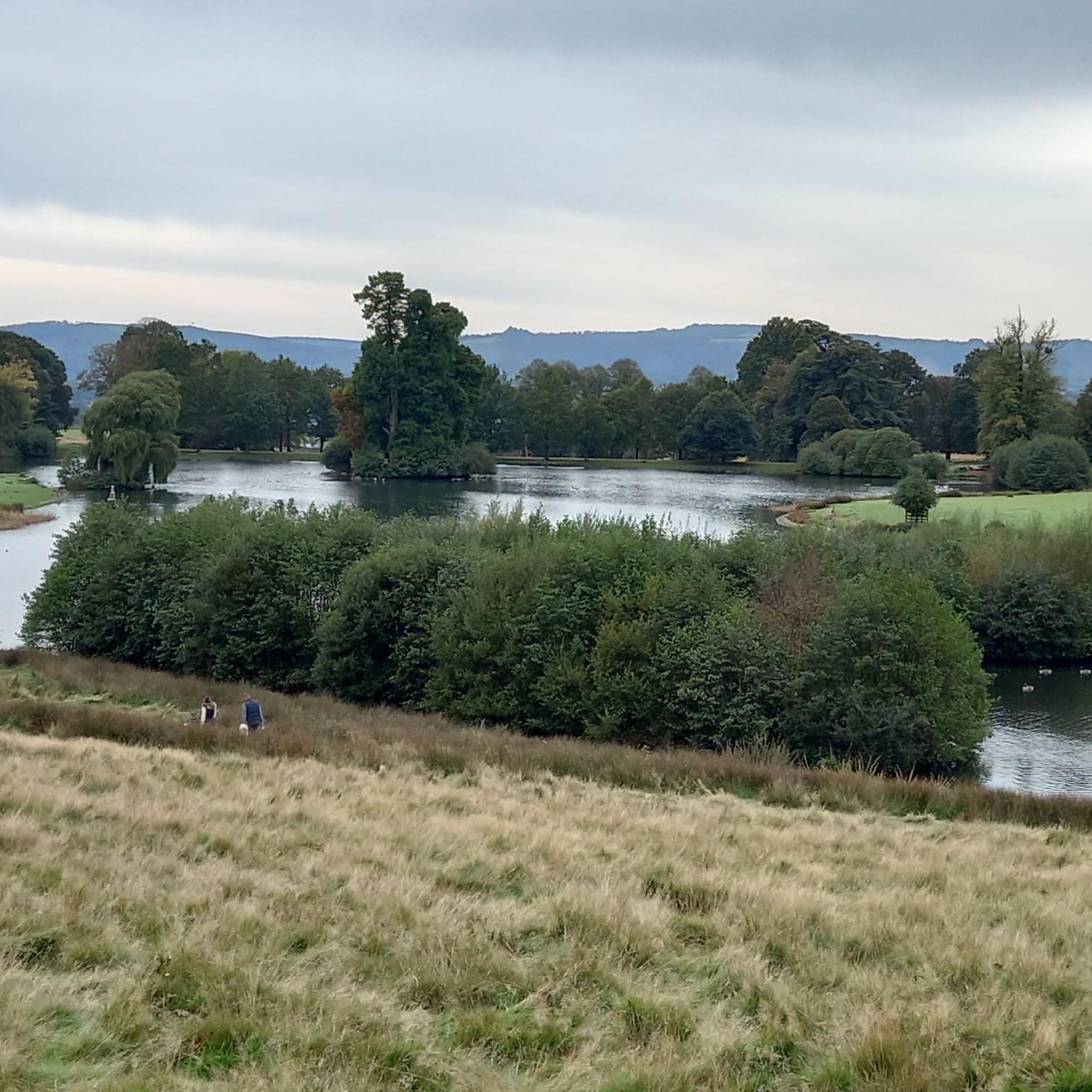
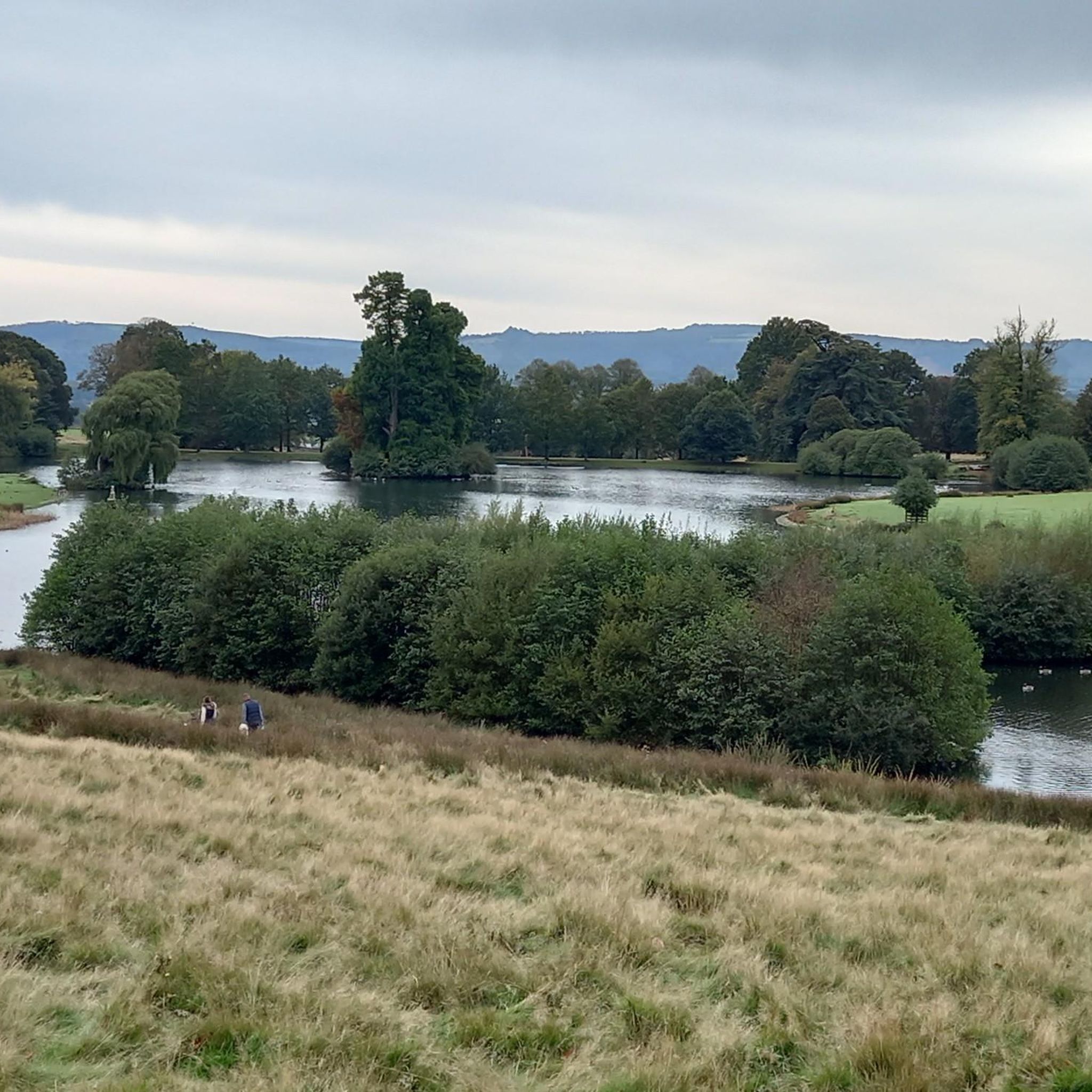
The views over the water of Upper Pond are beautiful. Such a stunning place to stop for a while and take stock of your surroundings.
1
0

South pond is a historic and scenic pond in Midhurst, West Sussex, England. It is fed by two streams that were once the boundaries of Saxon settlements, and it forms the division between the oldest part of Midhurst and West Lavington. The pond was created in the mid-1100s by one of the medieval lords of Midhurst, who dammed the streams to make a breeding pool for fish. The pond has been used for various purposes over the centuries, such as milling, fulling, leather production, and entertainment. The pond is now a nature reserve and a popular spot for walking, fishing, and birdwatching. It is part of the South Downs National Park and has a rich biodiversity of plants and animals. The pond is also home to the South Pond Group, a voluntary community group that works to care for and improve the pond and its surroundings. The group organizes regular events, activities, and projects to engage the public and enhance the pond’s beauty and value.
2
0
The current mill building dates from around 1780, although mills and forges have been exploiting the Downs spring water for at least 800 years. The mill's historic water-powered milling machine has been restored to working condition. Burton Mill is open to visitors on the Sunday of the National Mills Weekend in May and the National Heritage Weekend in September.
2
0
Burton Mill Pond is a beautiful place to visit. It is an atmospheric hammer pond and holding pond in the South Downs National Park, near Petworth, West Sussex. The pond is part of the Burton Mill and Chingford Ponds Local Nature Reserve (LNR) and the Burton Park Site of Special Scientific Interest (SSSI), which are nationally important for their wetland habitats, rare plants, birdlife, and invertebrate populations.
2
0

Burton Mill Pond is part of the Burton Mill and Chingford Ponds Local Nature Reserve (LNR). Enjoy the moment of calm as you pedal along the road skirting its north eastern shore. The pond was created in the late 16th century to power a forge. In the late 18th century the pond was part of a water mill for grinding corn. The large house by the road is the old mill.
1
0

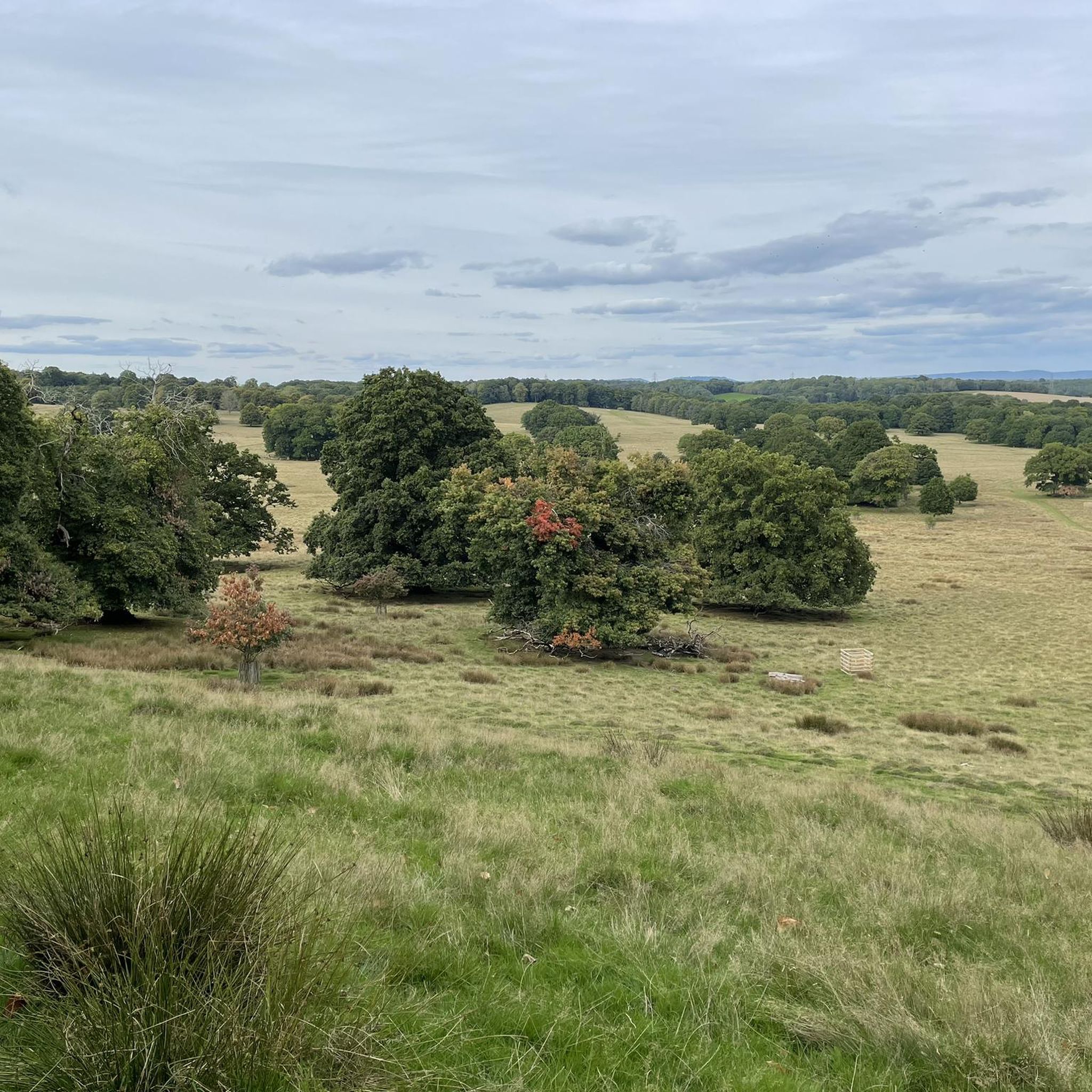
Upper Pond is a picturesque stretch of water that’s surrounded by lush parkland and ancient oaks. From this spot, you get a view of Petworth House across the water.
4
1

Frequently Asked Questions
What kind of natural features can I expect to see around Ebernoe's lakes?
The water bodies around Ebernoe, particularly within Ebernoe Common, are integral to an ancient wood pasture ecosystem. You'll find diverse habitats including open water, marshland, mixed woodland, bogs, and heath. These areas are rich in biodiversity, supporting over 70 bird species, 14 of the 17 British bat species (including rare Barbastelle and Bechstein's bats), over 100 species of lichens, and at least 1,000 species of fungi. At Burton and Chingford Ponds Local Nature Reserve, you can spot 24 species of dragonfly, bats, wildfowl, and water lilies.
Are there any historical sites associated with the lakes in Ebernoe?
Yes, the area is rich in history. Burton Mill Pond and Mill is a significant historical site, created in the 16th century to power a forge. The current mill building dates from around 1780 and features a restored, working water-powered milling machine. Furnace Pond in Ebernoe Common also has historical importance, having been created in the 1500s to power an iron furnace. Additionally, South Pond, Midhurst, was created in the 12th century as a breeding pool for fish.
Are the lakes around Ebernoe suitable for families with children?
Many of the notable water bodies around Ebernoe are family-friendly. Highlights like View of Upper Pond, Burton Mill Pond and Mill, and South Pond, Midhurst are all categorized as family-friendly. The tranquil settings and opportunities for nature observation make them great for outings with kids. Burton and Chingford Ponds Local Nature Reserve also offers diverse habitats for exploration.
What kind of wildlife can I see around the ponds in Ebernoe Common?
Ebernoe Common is a National Nature Reserve known for its exceptional biodiversity. Around ponds like Furnace Pond and Fish Pond, you might spot Daubenton's bats skimming the water for insects. The reserve is home to over 70 bird species, 14 of the 17 species of British bats (including rare Barbastelle and Bechstein's bats), and a rich variety of aquatic and marshland species. The surrounding meadows also feature wildflowers like Quaking-grass, Cowslip, Pepper-Saxifrage, and Betony.
Are there walking trails near the lakes around Ebernoe?
Yes, the area offers numerous walking opportunities. Public rights of way connect the ponds within Ebernoe Common with the surrounding landscape, allowing for exploration. For more structured routes, you can find various walking and running trails in the vicinity. Explore options like the 'Petworth Deer Park – View of Upper Pond loop' or the 'Chingford Pond – Black Pond loop' by visiting the Running Trails around Ebernoe guide.
Can I go cycling or gravel biking near these lakes?
Absolutely. The region around Ebernoe provides excellent opportunities for both cycling and gravel biking. You can find routes that pass by or near some of these water bodies. For gravel biking, consider routes like the 'South Pond, Midhurst – West Sussex Lanes loop'. For general cycling, options include the 'Kirdford Coffee Van – Kirdford Village Stores loop'. Detailed routes can be found in the Gravel biking around Ebernoe and Cycling around Ebernoe guides.
What is the best time to visit the lakes and ponds in Ebernoe?
The ponds and surrounding nature reserves are beautiful year-round. Spring and summer offer vibrant wildflowers and active wildlife, making it ideal for nature observation. Autumn brings rich colors to the woodlands. Even in winter, the tranquil settings provide a serene escape. For specific wildlife viewing, checking a local wildlife calendar might be beneficial, but generally, any time of year offers a unique experience.
Are there cafes or pubs near the lakes in Ebernoe?
While the immediate vicinity of the ponds within Ebernoe Common is rural, you can find amenities nearby. For example, South Pond, Midhurst is conveniently located just two minutes away from coffee shops. For pubs, you would typically find them in the surrounding villages and hamlets within the wider Ebernoe parish and West Sussex area.
Is wild swimming permitted in the lakes around Ebernoe?
The information available does not indicate that wild swimming is permitted or recommended in the specific ponds and lakes mentioned, such as Furnace Pond or Fish Pond within Ebernoe Common, or Burton Mill Pond. These water bodies are often part of nature reserves or have historical significance, where ecological preservation is a priority. It's always best to check local regulations or signage at each specific location regarding water activities.
What makes the ponds in Ebernoe Common unique compared to other lakes?
The ponds in Ebernoe Common, such as Furnace Pond and Fish Pond, are not large conventional lakes but rather historically and ecologically significant water bodies within an ancient wood pasture ecosystem. Furnace Pond, for instance, was created in the 1500s to power an iron furnace, giving it unique historical context. Both ponds have undergone meticulous restoration to balance open water with bankside vegetation, creating havens for diverse aquatic and marshland species. Their integration into a National Nature Reserve means they are crucial for supporting an exceptionally rich biodiversity, including rare bats and numerous bird species, making them unique for nature observation and historical appreciation.
What are the accessibility options for visitors to the lakes around Ebernoe?
While specific details on disabled access for every pond are not provided, the area is generally characterized by public rights of way connecting features within the natural landscape. Ebernoe Common's terrain is typical of a Low Weald woodland, which may include uneven paths. For specific accessibility needs, it is advisable to consult local visitor information or the Sussex Wildlife Trust for details on particular trails and sites within the National Nature Reserve.
Most popular attractions around Ebernoe

Get inspired with the komoot mobile app


Explore more
Still not found your perfect lake around Ebernoe? Check out the guides of these regions to see even more beautiful places.
