Top 20 Lakes around Brusy
Best lakes around Brusy are found within the Tuchola Forest, part of Poland's Pomeranian Lake District. This region is characterized by its scenic waterways, offering diverse natural beauty and recreational opportunities. The area provides a variety of landscapes, from tranquil shores to historical sites and ecological reserves. It is a popular destination for those seeking outdoor activities and natural exploration.
Best lakes around Brusy
- The most popular lakes is Lake Karsińskie, a lake that serves as an excellent starting…
Last updated: October 12, 2026
Lake Karsińskie
Highlight • Lake
Translated by Google •
Tip by

Mylof Dam
Highlight • Monument
For this purpose, in 1849, a dam and a …
Translated by Google •
Tip by

Sign up now to discover places like this
Get recommendations on the best single tracks, peaks, & plenty of other exciting outdoor places.
Charzykowy Marina
Highlight • Rest Area
Translated by Google •
Tip by
Lake Wielkie Gacno
Highlight • Lake
Translated by Google •
Tip by

Swornegacie Lakeside Relaxation Area
Highlight • Lake
Translated by Google •
Tip by

Sign up for free to discover even more lakes around Brusy.
Already have an account?
Start today with a free account
Your next adventure awaits.

Tips from the Community

You can climb the tower and admire the lake.
0
0
Swornegacie, a resort town with a nice view of the lake.
0
0

The modern yacht harbor in Charzykowy (run by the Chojnicki Sailing Club) is one of the largest marinas in Kaszuby, offering over 100-130 places for yachts and motorboats. The facility is located on Lake Charzykowskie, has been operational since 2007, and is a center for sailing in the Tuchola Forest.
0
0
The pier has been renovated, still heart-shaped:)
0
0
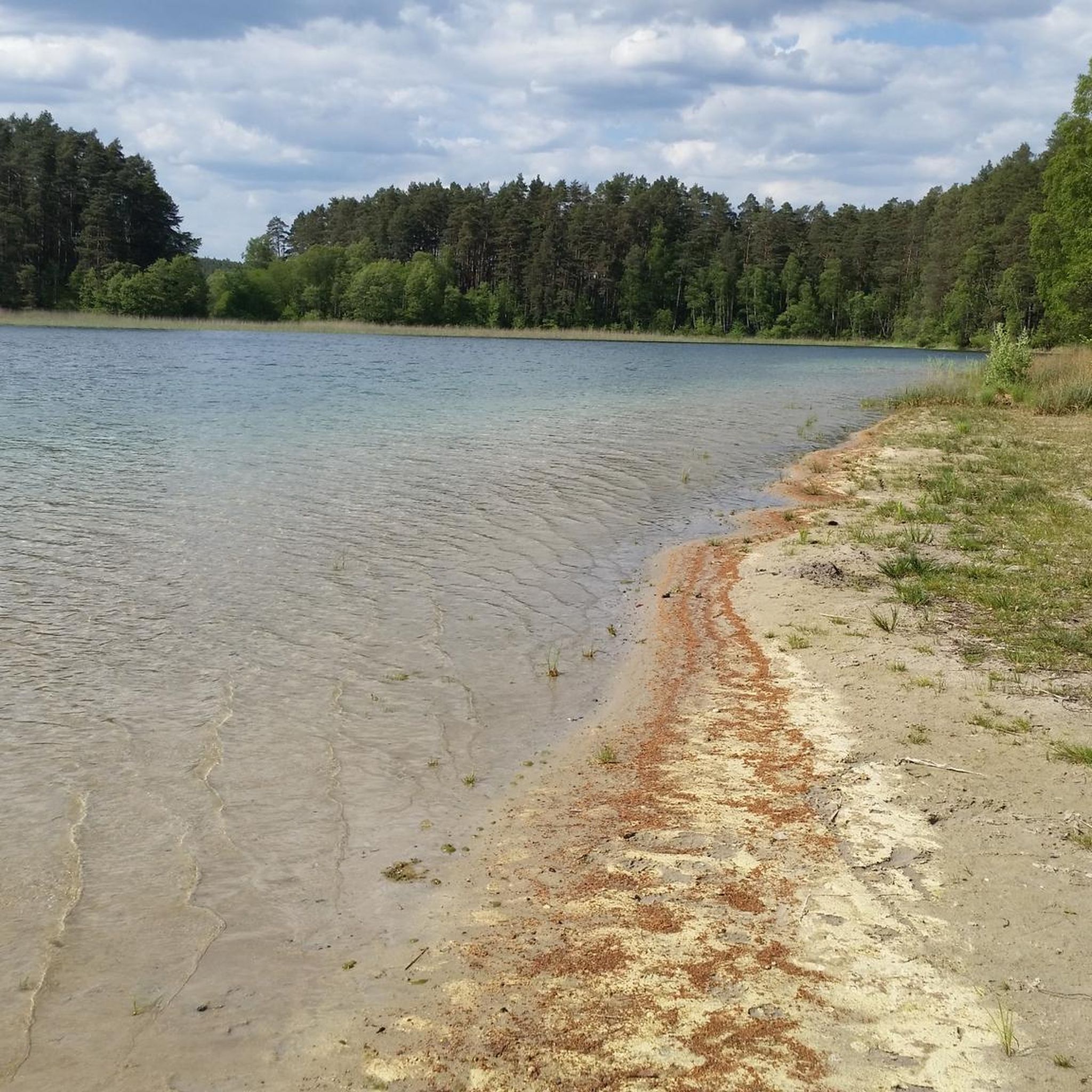
Lake Wielkie Gacno is a unique lobelia lake in the Tuchola Forest, known for its clear waters and distinctive vegetation, such as lake lobelia and quillwort. Despite the lack of fish, it attracts tourists with a heart-shaped wooden pier and a 6.6-kilometer-long nature trail. Around the lake, visitors can observe rare plant species, as well as animals and birds.
0
0

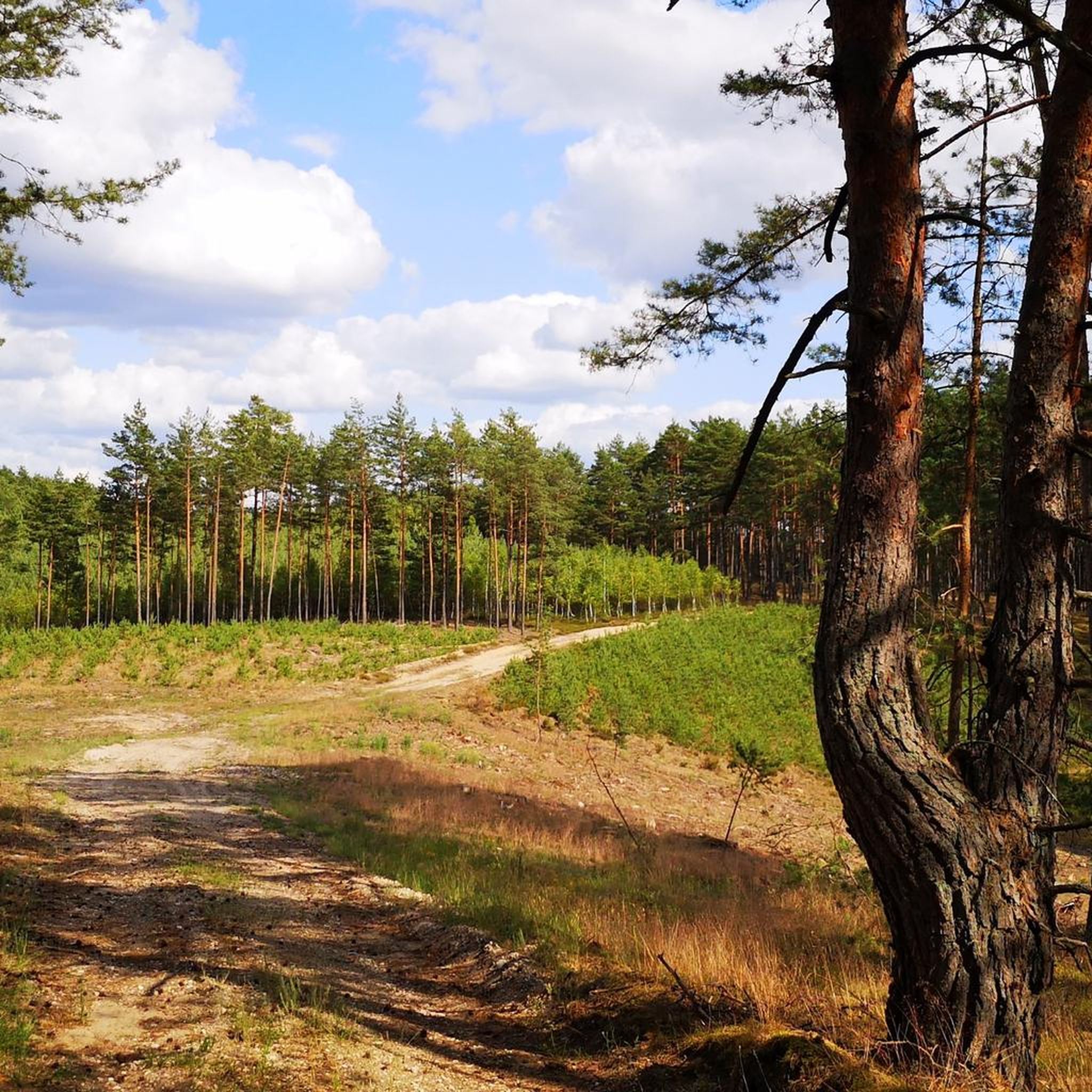
The roads and paths that make up the Kashubian Route are mostly of good or very good quality, but exploring the charms of the Tuchola Forest often requires tackling challenging sections rife with sandy climbs, numerous roots, and fallen trees. Unexpected climbs also require good fitness, leg strength, and proper riding technique. Therefore, they are not always suitable for families with small children.
0
0

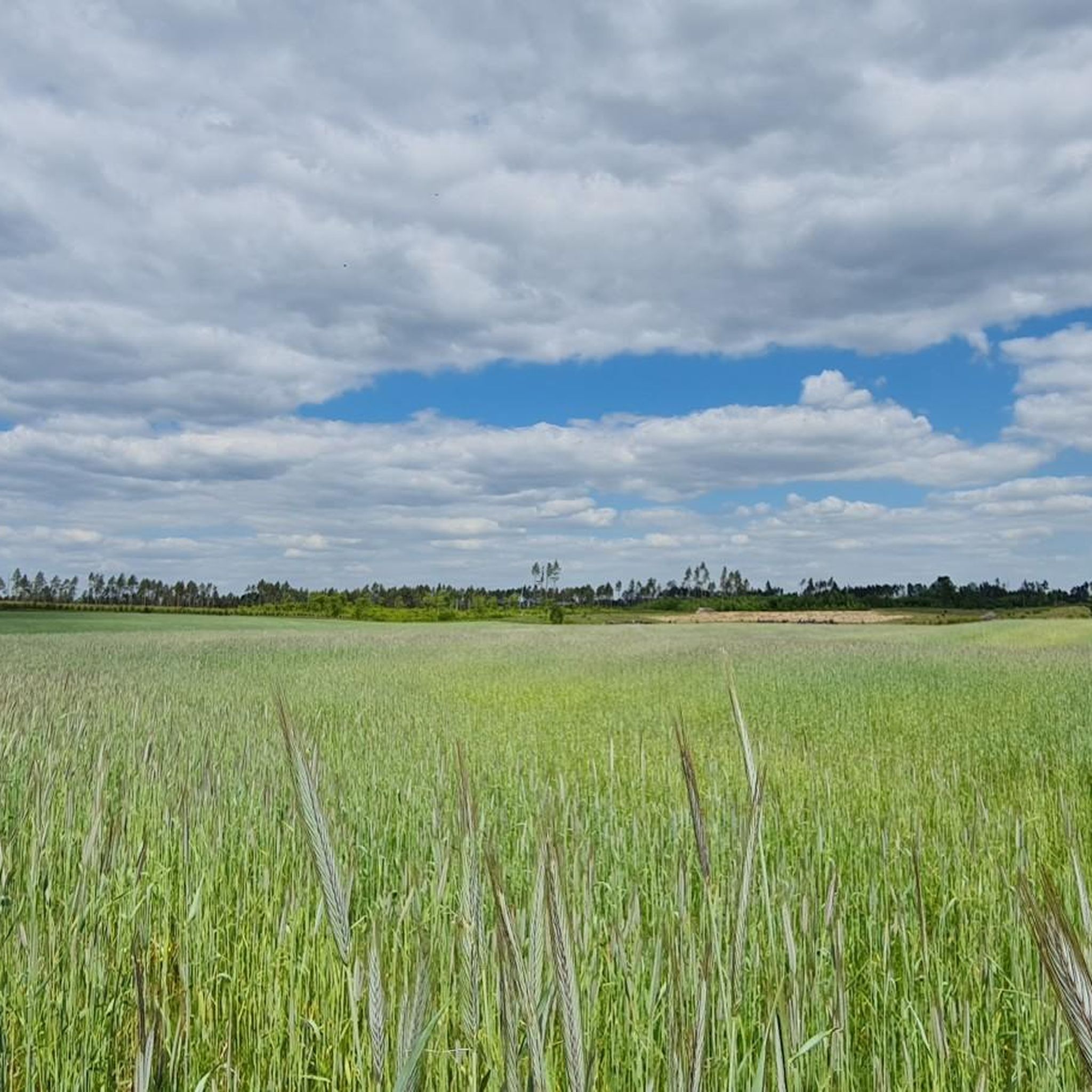
From the silence to the pounding in your ears. Sunshine, bikes, kayaks. What more could you want?
0
0

Provided that we consider Charzykowy as Kashubia... In my opinion, it is still the Człuchów Lake District, bordering the Tuchola Forest (Borowszczyzna). It does not detract from the charm of this place. I will return there soon.
0
0
Frequently Asked Questions
What are some of the most popular lakes to visit around Brusy?
Visitors frequently enjoy Lake Karsińskie, known as an excellent starting point for various activities, especially cycling. Lake Wielkie Gacno is cherished for its tranquility, bird sounds, and rustling trees, offering a serene escape. The historical Mylof Dam, one of Poland's oldest step dams, is also a must-see attraction.
Are there family-friendly lakes around Brusy?
Yes, several lakes around Brusy are suitable for families. Lake Karsińskie and Lake Wielkie Gacno are both highlighted as family-friendly. Additionally, the Mylof Dam area and the Zdradzonko Lake Ecological Area also welcome families, offering diverse experiences from historical exploration to nature observation.
What outdoor activities can I do near the lakes in Brusy?
The lakes around Brusy offer a wide range of outdoor activities. You can enjoy cycling on routes around Lake Karsińskie, or explore the region's extensive network of trails. For more structured activities, there are numerous cycling routes, MTB trails, and hiking paths available, such as the 'Scenic Forest Path by the Lake' or the 'Nature Education Center PNBT loop'.
Are there opportunities for kayaking or canoeing on Brusy's lakes and rivers?
Absolutely. The Brusy region is renowned for its kayaking opportunities. The Brda River kayaking trail, often considered one of Poland's most beautiful, passes through several lakes within the municipality, including Jezioro Małołąckie, Jezioro Łąckie, Jezioro Dybrzk, and Kosobudno. The Zbrzyca River, nicknamed 'Polish Amazonia,' also offers a scenic route through flow-through lakes like Somińskie, Kruszyńskie, and Laska, providing varied and picturesque experiences for kayakers.
Are there any protected ecological areas or nature reserves near Brusy's lakes?
Yes, the region is dedicated to preserving its natural heritage. The Zdradzonko Lake Ecological Area is a prime example, protecting natural water reservoirs, ponds, and habitats for rare species of plants, animals, and fungi. Additionally, Jezioro Laska (Laska Lake) is a faunistic reserve specifically established to conserve nesting sites for numerous water and marsh birds, including the mute swan, white-tailed eagle, and grey heron.
Are there any historical sites connected to the lakes in Brusy?
Yes, the Mylof Dam is a significant historical site. Constructed in 1849, it features one of Poland's oldest and only step dams. Originally built to produce hay for cavalry horses, its waters now power a still-operational hydroelectric plant, showcasing a unique blend of history and engineering.
When is the best time to visit the lakes around Brusy?
The lakes around Brusy are beautiful year-round, but the best time to visit for outdoor activities like cycling, hiking, and kayaking is typically from late spring to early autumn (May to September) when the weather is mild and pleasant. This period also offers the best conditions for observing wildlife and enjoying the lush natural landscapes.
Which lakes offer a peaceful and tranquil experience?
For a truly peaceful experience, Lake Wielkie Gacno is highly recommended. It is described as a charming and tranquil location, known for its serene atmosphere, the sounds of birds, and the rustling of trees. It's an ideal spot for those seeking a quiet escape into nature.
What kind of terrain can I expect on trails around Brusy's lakes?
The terrain around Brusy's lakes is varied, ranging from easy paths to more challenging routes. Many trails wind through the Tuchola Forest, featuring pine forests and some sandy sections, particularly near ecological areas like Zdradzonko Lake. You can find everything from gentle walks to moderate and difficult MTB trails, often with high banks along ribbon lakes like Jezioro Łąckie.
Where can I go birdwatching around Brusy?
Jezioro Laska (Laska Lake) is an excellent location for birdwatching. This faunistic reserve is a protected area specifically for conserving nesting sites for numerous species of water and marsh birds. You can observe mute swans, white-tailed eagles, black cormorants, and grey herons, among others, in their natural habitat surrounded by lush rush and submerged vegetation.
What do visitors particularly enjoy about the lakes around Brusy?
Visitors to the lakes around Brusy appreciate the diverse natural beauty and the wide range of recreational opportunities. Many enjoy the tranquility and peacefulness of spots like Lake Wielkie Gacno, while others are drawn to the active leisure options, such as the brilliant cycling routes around Lake Karsińskie. The historical significance of sites like Mylof Dam and the ecological importance of areas like Zdradzonko Lake also add to the region's appeal.
Are there easy walking trails around the lakes near Brusy?
Yes, there are options for easy walks around the lakes. While some trails can be more challenging, many areas offer gentle paths suitable for a leisurely stroll. For instance, the area around Lake Wielkie Gacno features a beautiful route in the forest leading to a resting place and viewpoint, which includes a charming footbridge, making it accessible for an easy walk.
Most popular routes around Brusy
Most popular attractions around Brusy

Get inspired with the komoot mobile app


Explore more
Still not found your perfect lake around Brusy? Check out the guides of these regions to see even more beautiful places.
