오노-블뢰리-생-심포리앙 최고의 라이딩 경로
4.5
(128)
2,444
자전거 타는 사람
46
라이딩
오노-블뢰리-생-심포리앙의 로드 사이클링 경로를 찾으시나요? 그렇다면 오노-블뢰리-생-심포리앙 로드 라이딩 컬렉션 중에서 가장 멋진 라이딩 장소를 아래에서 살펴보세요.
마지막 업데이트: 10월 19, 2026
38
자전거 타는 사람
165km
06:48
680m
680m
어려운 도로 자전거 타기. 우수한 체력 필요. 지면 대부분이 잘 포장되어 있고 라이딩하기 쉬움.
26
자전거 타는 사람
50.6km
02:01
220m
220m
보통 도로 자전거 타기. 좋은 체력 필요. 지면 대부분이 잘 포장되어 있고 라이딩하기 쉬움.

18
자전거 타는 사람
136km
05:40
850m
850m
어려운 도로 자전거 타기. 우수한 체력 필요. 지면 대부분이 잘 포장되어 있고 라이딩하기 쉬움.
5.0
(1)
17
자전거 타는 사람
51.0km
02:06
210m
210m
보통 도로 자전거 타기. 좋은 체력 필요. 지면 대부분이 잘 포장되어 있고 라이딩하기 쉬움.
19
자전거 타는 사람
129km
05:28
760m
760m
어려운 도로 자전거 타기. 우수한 체력 필요. 지면 대부분이 잘 포장되어 있고 라이딩하기 쉬움.
더 다양한 경로와 다른 탐험가들의 추천을 살펴보세요.
이미 komoot 계정이 있나요?
투어 추천은 다른 사람들이 komoot에서 완료한 수천 개의 활동을 바탕으로 구성되어 있습니다.
오늘 무료 계정으로 시작하세요
다음 모험이 기다리고 있어요.


커뮤니티 팁

파리 노트르담 대성당은 세계 고딕 건축의 가장 위대한 걸작 중 하나입니다. 프랑스 수도의 지리적, 역사적 중심부인 시테 섬에 위치한 이 대성당은 성모 마리아에게 봉헌되었으며, 5년간의 복잡한 복원 작업을 거쳐 2024년 12월에 공식적으로 대중에게 다시 개방되었습니다.
0
0

15세기에 원래 교회는 12세기에 지어졌을 가능성이 높으며 화재로 소실되었습니다. 재건축하는 동안 하단 측면이 추가되었습니다. 종탑은 19세기 말에 지어졌으며 벽에 그려진 모티프도 마찬가지입니다.
0
0
탑과 측랑은 원래 로마네스크 양식의 건물에 16세기와 18세기에 추가되었습니다. 1879년에는 성모 마리아 예배당이 높아졌습니다. 1906년에는 신고딕 양식으로 볼트가 건설되었습니다. 광장 모퉁이에는 15세기 루앙빌 생피에르 수도원의 입구 일부가 남아 있습니다. 클뤼니 문장이 새겨진 방패가 남아 있습니다.
0
0

The Moulin de Mormoulins is a watermill located on the Eure River in the hamlet of Mormoulins. This mill dates back to the 18th and 19th centuries and is a listed historical monument. You can admire the old stone building, the wooden wheel, and the canal that diverts water from the river as you pass in front of the mill. The mill is surrounded by green fields and trees, creating a peaceful and relaxing atmosphere.
0
0
The church of Bleury, dedicated to Saint Martin, probably dates from the end of the Middle Ages. It was remodeled and enlarged in the 16th century by the addition of a large chapel on the north side. The nave ends with a semicircular apse. The chapel to the north is extended by a square bell tower which once opened onto the nave through an arch that is now blocked but still visible. The chapel opens onto the nave through two pointed arches made of recently rendered clotted stone. It communicated with the ground floor of the courtyard through an arch that is now closed. Another filled-in arch appears on the wall between the chapel and the lower room of the courtyard. The church is covered with a paneled roof. A single beam is sculpted, the penultimate one on the west side. It supported, with the beam resting on the facade wall, a recently demolished gallery. Some of the nave's semi-circular windows are late, and the pointed arch openings have Gothic tracery. The square bell tower has a saddleback roof. It is pierced with pointed arch openings. Access to the building is from the south, under a modern porch that houses a portal surmounted by a shield with three fleurs-de-lis. A stone cornice runs under the roof to the south, supported by unsculpted modillions. Two 18th-century altarpieces were included in the Supplementary Inventory of Historic Monuments on June 17, 1975. 16th-century wall paintings depict the Mass of Saint Gregory. They were discovered in 1881 and classified as Historic Monuments on November 17, 1908. Their preservation is currently threatened by infiltration due to the poor condition of the roof structure. The Sauvegarde de l’Art Français provided aid of 75,000 F in 1994, thus contributing to the repairs undertaken to restore the framework, which will allow the walls to be cleaned up.
0
0
According to tradition, the church choir covers the remains of an older building, possibly dating back to the 6th century, which was built to house the saint's body. According to current knowledge, the commune of Saint-Piat (Sanctus Piatus in Latin) officially appeared in 1087, mentioned in a charter of the Nottonville Priory (Eure-et-Loir), on which it depended. The current building was rebuilt during the time of Francis I, as suggested by the date 1535 engraved on two buttresses of the apse and the date 1542 engraved on a piece of wood from the vault. This is according to a study by the SAEL (Eure-et-Loir Archaeological Society). The three-sided apses, the dripstone towers (horizontal members projecting from a wall), and the sculpted roof structures are a testament to the importance of the reconstructions carried out in the department during the 16th century. The church of Saint-Piat is one of them. While the church has not been officially recognized, it nevertheless contains objects that have attracted attention both for their antiquity and quality, but not always for good reason. Their artistic value, far from attracting only religious or aesthetic interest, has also aroused a covetousness that, unfortunately, remains for some of them. Fortunately, those still in place are carefully cared for and offer the curious a story to discover, a beauty to slowly ponder as they progress toward the choir.
0
0

so as not to forget that other nations came to help us stay free
0
0

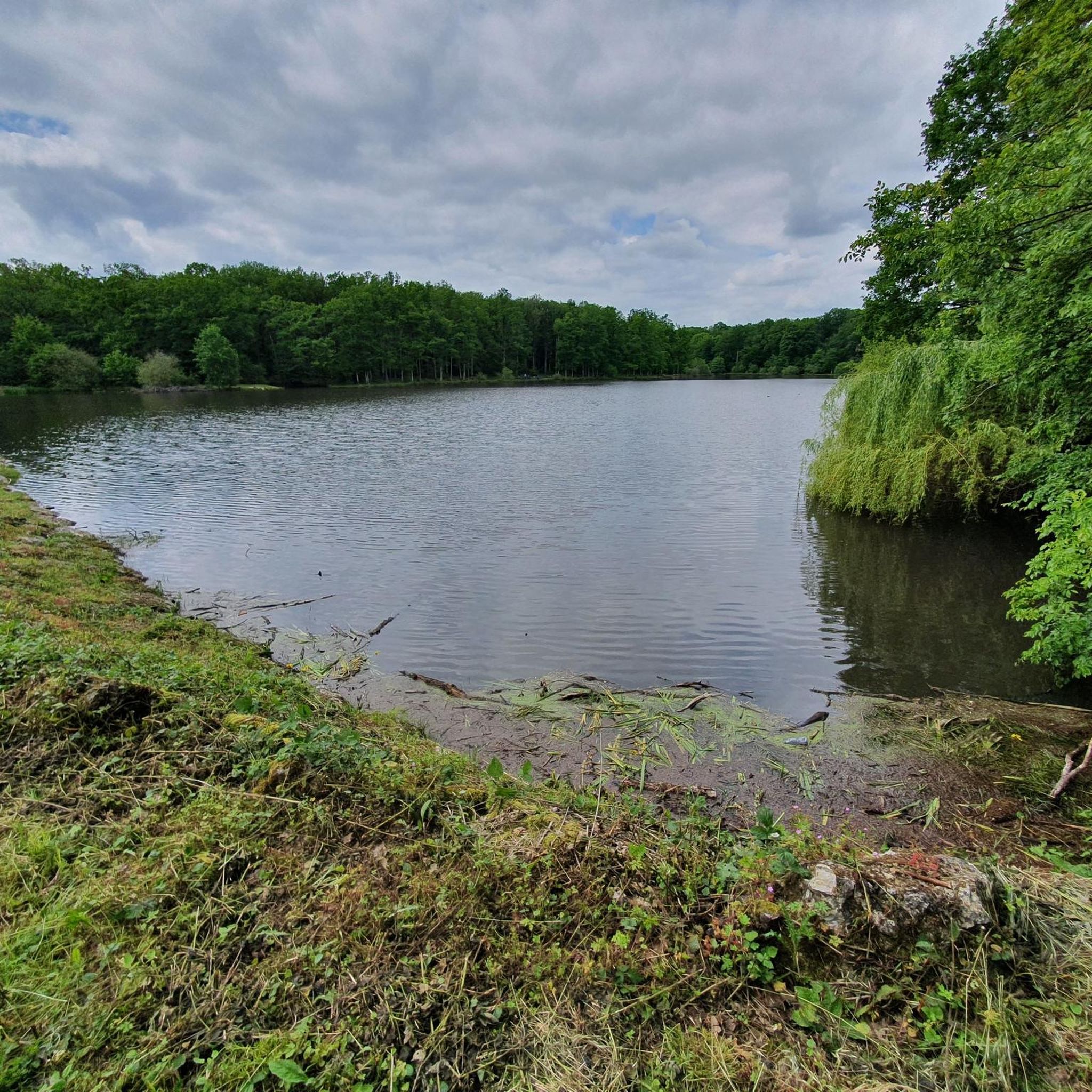
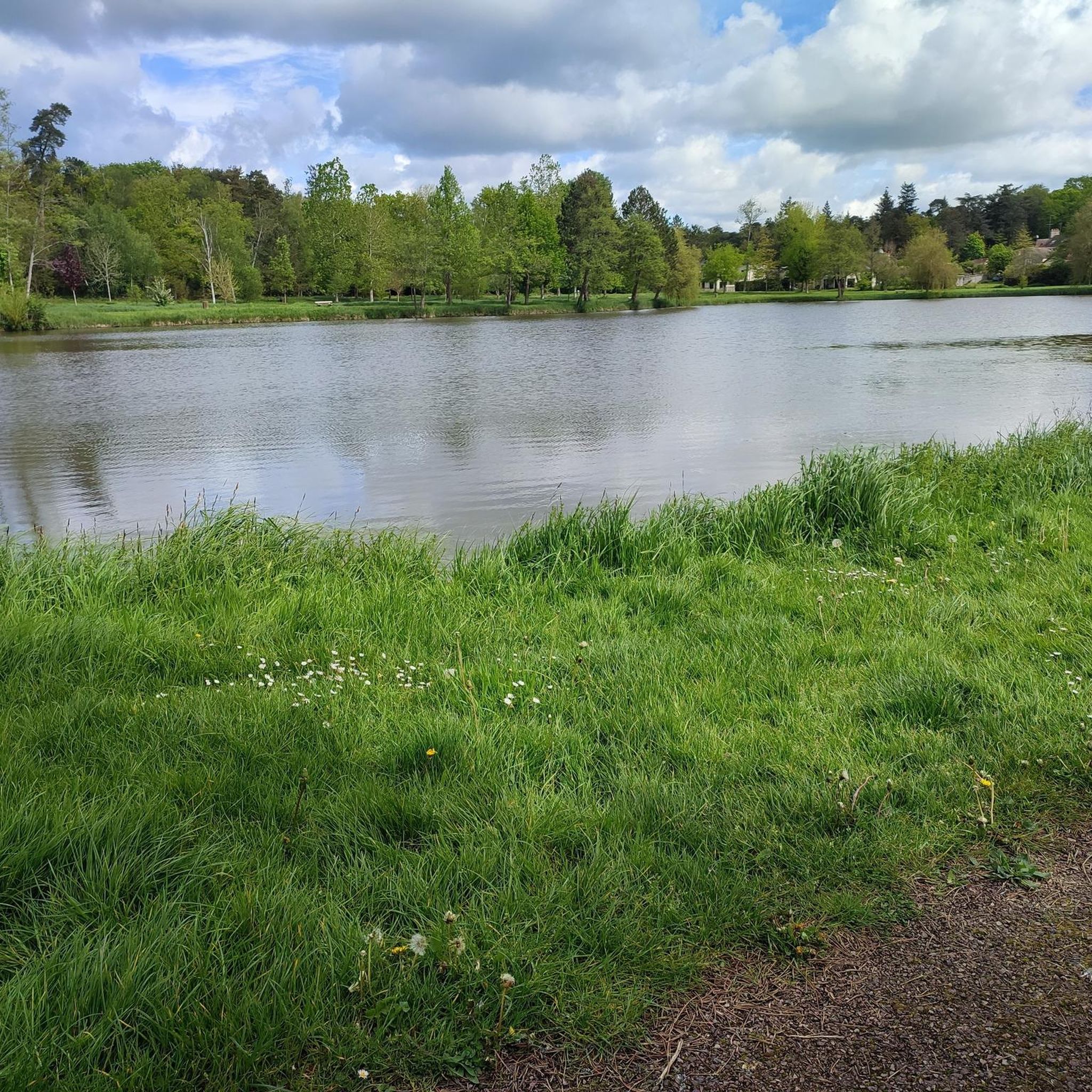
Very beautiful pond
0
0
오노-블뢰리-생-심포리앙 주변에서 가장 인기 있는 명소


더 살펴보기
다른 지역의 최고의 로드 사이클링 경로를 살펴보세요.
