에이밀리 최고의 라이딩 경로
4.5
(241)
5,451
자전거 타는 사람
38
라이딩
에이밀리의 로드 사이클링 경로를 찾으시나요? 그렇다면 에이밀리 로드 라이딩 컬렉션 중에서 가장 멋진 라이딩 장소를 아래에서 살펴보세요.
마지막 업데이트: 9월 8, 2026
5.0
(3)
50
자전거 타는 사람
50.2km
02:08
170m
170m
보통 도로 자전거 타기. 좋은 체력 필요. 투어 중 라이딩하기 어려운 비포장 구간이 있을 수 있음.
9
자전거 타는 사람
38.1km
01:30
120m
120m
초급용 로드 라이딩. 모든 체력 수준에 적합. 지면 대부분이 잘 포장되어 있고 라이딩하기 쉬움.

6
자전거 타는 사람
44.8km
01:44
160m
160m
초급용 로드 라이딩. 모든 체력 수준에 적합. 지면 대부분이 잘 포장되어 있고 라이딩하기 쉬움.
5
자전거 타는 사람
49.7km
01:57
170m
170m
초급용 로드 라이딩. 모든 체력 수준에 적합. 지면 대부분이 잘 포장되어 있고 라이딩하기 쉬움.
5
자전거 타는 사람
58.7km
02:20
250m
250m
보통 도로 자전거 타기. 좋은 체력 필요. 지면 대부분이 잘 포장되어 있고 라이딩하기 쉬움.
더 다양한 경로와 다른 탐험가들의 추천을 살펴보세요.
이미 komoot 계정이 있나요?
투어 추천은 다른 사람들이 komoot에서 완료한 수천 개의 활동을 바탕으로 구성되어 있습니다.
오늘 무료 계정으로 시작하세요
다음 모험이 기다리고 있어요.


커뮤니티 팁

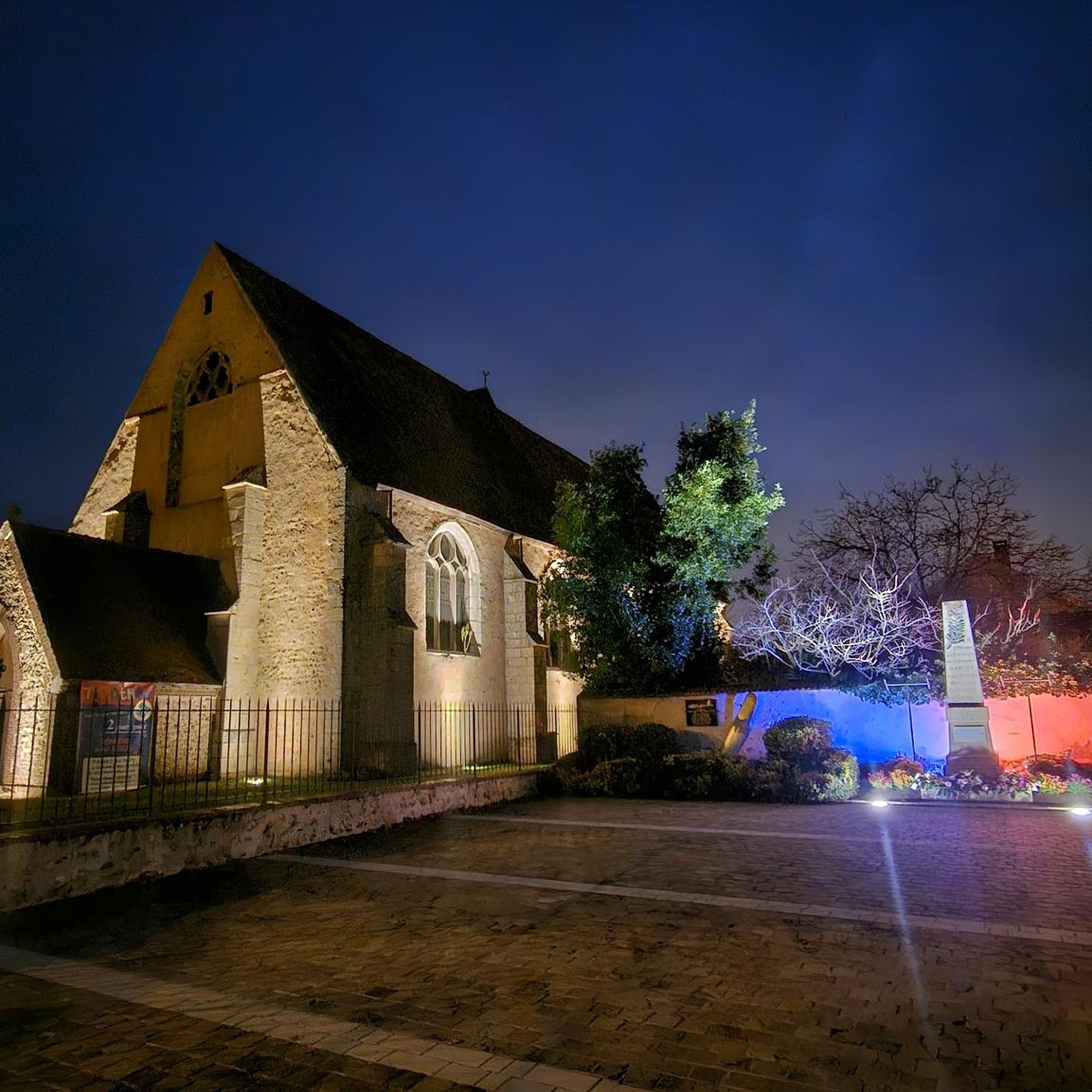
Of Romanesque origin, the church, surrounded by a cemetery, has a curious bell tower supported by machicolations and uprights of sandstone, making it one of the most unique in the region. Perhaps it was originally a bell gable, later augmented by a platform supported by these machicolations? In front of the entrance, a small building called a "caquetoire" (a small meeting place) allows the faithful to gather and converse. Inside the church, the furnishings date from the 18th and 19th centuries: a marble high altar and its gray-painted wooden altarpiece (18th century) – a painted wooden altarpiece of St. Joseph (late 18th or early 19th century) an altarpiece for the altar of the Virgin Mary (19th century) a baptismal font in red-veined marble (19th century) a waxed wooden pew (18th century) a waxed wooden choir stall upholstered in velvet paintings: the Assumption of the Virgin Mary by Octave Hauser (1839) and the Annunciation (18th century) The stained-glass windows date from 1874. The church and the eclipse A bit of history: The parish, established in the 13th century, was part of the deanery of Courville. The church's patron saint, Luperche or Luperchius, gave his name to the village. We must go back to the 4th century to find the first trace of this saint: At that time, Dacius, governor of the part of Spain that included Catalonia, Aragon, and the Kingdom of Valencia, was one of the most cruel ministers of persecution. Incited by the emperors Diocletian and Maximilian, he had eighteen confessors of Jesus Christ executed in the city of Zaragoza. In their honor, the poet Prudentius wrote hymns, and among these confessors, a certain martyr named Luperche became the patron saint of our church.
0
0

Thivars is mentioned in 966 in the Chartres cartulary. In the 12th century, the church became the property of Josaphat Abbey. The current church was built in the 16th century: a date of 1545 is engraved on a cherub in the turret. It is a very high construction but very irregular, this comes from the fact that it belongs to several eras: ogival style in the windows, the entrance door is Romanesque (it may be the door of the first Romanesque church) . The choir was formerly separated from the nave by an iron grille which disappeared during the French Revolution. The ceiling has pretty paneling dating from 1645. The two side altars are dedicated: one to Notre Dame des Victoires and the other to Saint Joseph. Among the furniture we can note an interesting painting which represents Our Lord pronouncing on a coin. In 1940, two bombs fell less than 30 m from the church, destroying the stained glass windows on the south side which were replaced by grisailles in 1987. Three pretty stained glass windows light up this church: Nativity stained glass window installed by Mr Campin in 1955 Stained glass windows of the village's patron saints, Saint Radegonde and Saint Hilaire, installed in 1900 and 1987 respectively.
1
0

The cathedral is the seat of the bishop of the Roman Catholic diocese of Chartres
6
0
A modest place of worship, built in the middle of a tiny village, the Favril church was there as early as 1250. Under the reign of Saint Louis, Saint-Pierre du Favril was already there. This is confirmed by a register of the diocese of Chartres, drawn up in 1250, which mentions a parish church dedicated to Saint-Pierre au Favril (Faverilium). The text adds that there was a priest and 56 parishioners.
0
0
This church has Saint Martin as patron or rather protector, chosen for his holiness, example of charity, faith and mercy. This charity he showed by offering half of his coat to a shivering poor man to warm him. His radiant faith as a hermit and monk, founder in Ligugé in 460 of the first monastic community in Gaul...
0
0

A dream of a cathedral 🥰 you should definitely visit it at two different times of the day, as the glass windows look completely different depending on the position of the sun - phenomenal
4
0

Very beautiful church and the public toilets next to it are perfect, even for filling water bottles too large for the classic sinks.
0
0
에이밀리 주변에서 가장 인기 있는 명소


더 살펴보기
다른 지역의 최고의 로드 사이클링 경로를 살펴보세요.
