에뽀트롤 최고의 라이딩 경로
4.3
(21)
453
자전거 타는 사람
92
라이딩
에뽀트롤의 로드 사이클링 경로를 찾으시나요? 그렇다면 에뽀트롤 로드 라이딩 컬렉션 중에서 가장 멋진 라이딩 장소를 아래에서 살펴보세요.
마지막 업데이트: 10월 19, 2026
4.6
(7)
71
자전거 타는 사람
51.3km
02:06
190m
190m
보통 도로 자전거 타기. 좋은 체력 필요. 투어 중 라이딩하기 어려운 비포장 구간이 있을 수 있음.
8
자전거 타는 사람
49.3km
01:56
200m
200m
초급용 로드 라이딩. 모든 체력 수준에 적합. 지면 대부분이 잘 포장되어 있고 라이딩하기 쉬움.

4.0
(1)
9
자전거 타는 사람
45.5km
01:44
130m
130m
초급용 로드 라이딩. 모든 체력 수준에 적합. 지면 대부분이 잘 포장되어 있고 라이딩하기 쉬움.
8
자전거 타는 사람
22.5km
00:51
50m
50m
초급용 로드 라이딩. 모든 체력 수준에 적합. 지면 대부분이 잘 포장되어 있고 라이딩하기 쉬움.
12
자전거 타는 사람
50.5km
01:58
150m
150m
초급용 로드 라이딩. 모든 체력 수준에 적합. 지면 대부분이 잘 포장되어 있고 라이딩하기 쉬움.
더 다양한 경로와 다른 탐험가들의 추천을 살펴보세요.
이미 komoot 계정이 있나요?
투어 추천은 다른 사람들이 komoot에서 완료한 수천 개의 활동을 바탕으로 구성되어 있습니다.
오늘 무료 계정으로 시작하세요
다음 모험이 기다리고 있어요.
에뽀트롤 주변 인기 장소

커뮤니티 팁


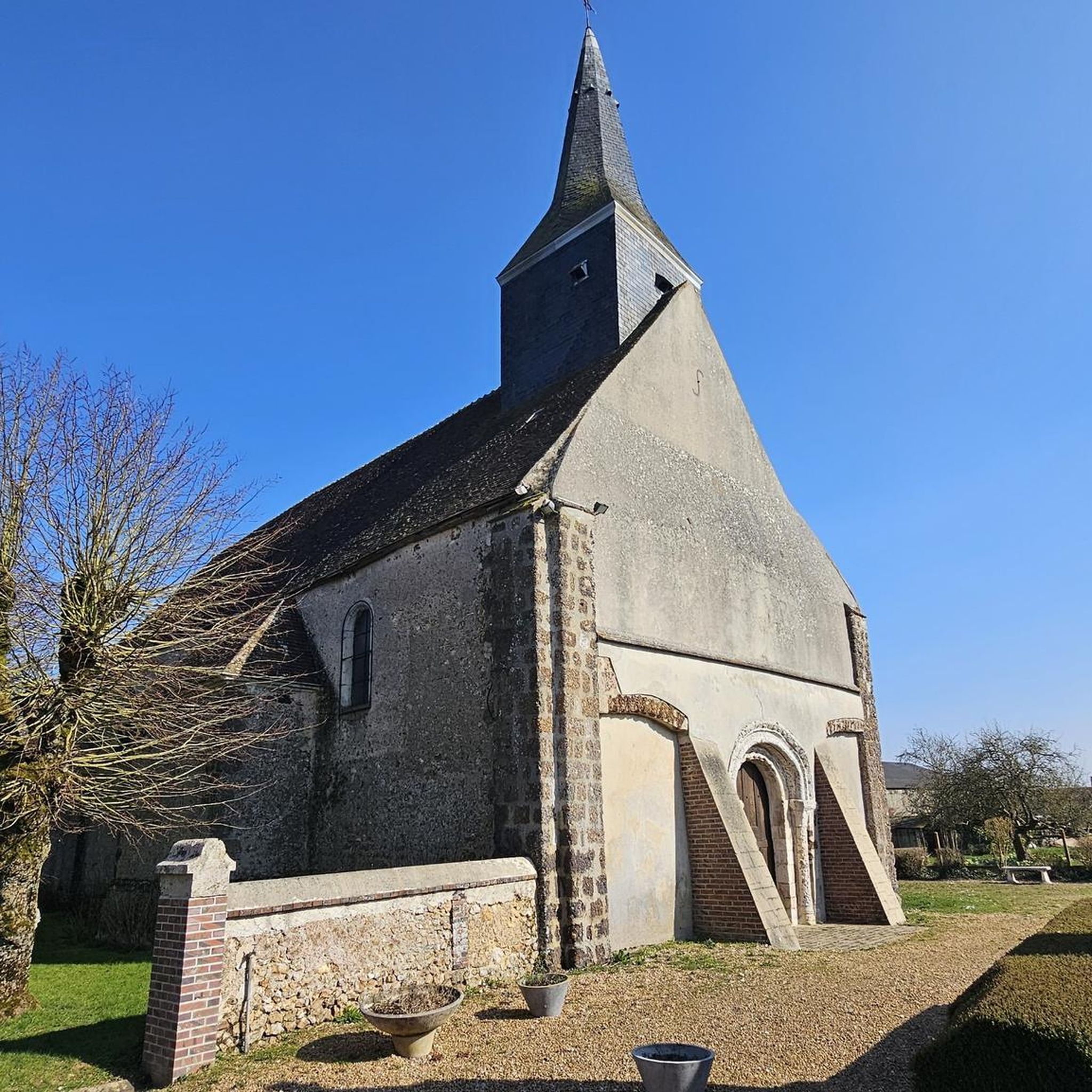
그 기원은 10세기로 거슬러 올라가며, 당시에는 St Thibaut- des-Vignes에게 봉헌된 작은 예배당에 불과했습니다. Saint-Thibault가 언제 그리고 왜 Saint-Julien이 되었는지는 알려지지 않았습니다. 당시 Coudray 주민들은 Saint-Martin-au-Val 수도원의 교회에 모였습니다. 14세기 말에 이르러서야 Saint-Julien du Coudray가 본당으로 설립되었습니다. 이 교회는 "길이 26m, 너비 8m의 건물로, 규암 및 부싯돌 석조로 지어졌으며, 둥근 후진, 우아하고 단순한 정면 출입구, 정사각형 종탑, 반원형 또는 낮은 아치형 창문이 있으며, 모두 측면 및 모서리 버팀목으로 지지되어 있어 의심할 여지 없이 로마네스크 양식의 영향을 받았습니다. 또한 내부 성가대석에는 벽에 새겨진 작은 반원형 성수대가 있습니다 (...)." 수세기에 걸쳐 이 교회는 손상되고 유지보수가 부족했습니다. 새로운 예배당을 지을 필요가 생겼습니다. 그러나 1998년과 1999년 사이에 Coudray 시는 구조물 전체의 개보수 작업을 진행했습니다: 서까래, 지붕, 벽 및 스테인드글라스. 폐쇄된 적이 없는 이 교회는 몇몇 모임에만 사용됩니다. La Chapelle de Semaine (또는 작은 예배당) 1893년까지 "오래된 Saint-Julien 교회"였던 본당 교회는 마을에서 멀리 떨어져 있었고 단순한 길로만 접근할 수 있었습니다. 1842년 Coudray의 본당 신부로 임명된 Boucher 신부는 시의회에 "사제관 마당에 있는 빵 굽는 오븐을 자신의 비용으로 예배당으로 개조할 수 있도록 허가해 달라"고 요청하는 아이디어를 냈습니다. 이를 통해 그는 악천후를 무릅쓰지 않고 매일 미사를 드릴 수 있었습니다. 1893년에 마을 중심부에 있는 다른 교회가 너무 멀다고 여겨졌던 "오래된 교회"를 대체했을 때, 더 이상 존재 이유가 없었습니다. 1905년에 공동체 유산이 되었고, 1987년에 시에서 복원되었습니다.
0
0
The main nave, ending in a semicircular apse, is preceded by a timber-framed porch and opens to the north onto a chapel through a wide archway. The timber-framed bell tower, clearly from the same period as the 17th-century wainscoting, rests on a base spanning the nave. A second nave is covered with quadripartite masonry vaults from different periods. Of a dressed stone tower, only the spiral staircase and the first level remain, built between the 11th and 13th centuries. The side aisle was built in the 14th century and enlarged in the 16th. 1660: Supposed collapse of the tower attached to the nave, of which only the first level remains. 1679: Paneling on the nave and probable construction of the small timber-framed spire. 19th century: Supposed construction of the timber-framed chapel. The church was under the jurisdiction of the chapter of Notre-Dame de Chartres (the chapter's name can be seen on the lock of the small door on the right and is painted on the walls of the capital with stars and the date 1733 L.M.M.P.).
0
0
Of Romanesque origin, the church, surrounded by a cemetery, has a curious bell tower supported by machicolations and uprights of sandstone, making it one of the most unique in the region. Perhaps it was originally a bell gable, later augmented by a platform supported by these machicolations? In front of the entrance, a small building called a "caquetoire" (a small meeting place) allows the faithful to gather and converse. Inside the church, the furnishings date from the 18th and 19th centuries: a marble high altar and its gray-painted wooden altarpiece (18th century) – a painted wooden altarpiece of St. Joseph (late 18th or early 19th century) an altarpiece for the altar of the Virgin Mary (19th century) a baptismal font in red-veined marble (19th century) a waxed wooden pew (18th century) a waxed wooden choir stall upholstered in velvet paintings: the Assumption of the Virgin Mary by Octave Hauser (1839) and the Annunciation (18th century) The stained-glass windows date from 1874. The church and the eclipse A bit of history: The parish, established in the 13th century, was part of the deanery of Courville. The church's patron saint, Luperche or Luperchius, gave his name to the village. We must go back to the 4th century to find the first trace of this saint: At that time, Dacius, governor of the part of Spain that included Catalonia, Aragon, and the Kingdom of Valencia, was one of the most cruel ministers of persecution. Incited by the emperors Diocletian and Maximilian, he had eighteen confessors of Jesus Christ executed in the city of Zaragoza. In their honor, the poet Prudentius wrote hymns, and among these confessors, a certain martyr named Luperche became the patron saint of our church.
0
0
At the exit of the village, you will notice the Saint-Aignan church; it was almost entirely rebuilt from 1895 onwards on the foundations of the old church after being destroyed by an unfortunate fire.
0
0
Avitus was born in Orléans and became a monk at Ménat in Auvergne. An abbot and pastor at heart, he was a model of selflessness and service. He was the third abbot of Micy (or Saint Mesmin) near Orléans. The hermit's life appealed to him, and he went to the Perche region with Saint Calais. He was a healing saint: in particular, he restored sight to a blind man and raised a dead man from the dead. His reputation grew, and his disciples encouraged him to found and build a monastery for them. He died around 530. His relics are kept at the Benedictine monastery of Saint Nicholas in Verneuil-sur-Avre.
0
0
The Church of Saint-Martin in Vieuvicq is a religious monument located in the commune of Vieuvicq, in the Centre-Val de Loire region. Although its existence is documented, available sources do not specify its construction period or the architectural or historical details that would place its origins in time. In the general context of the Centre-Val de Loire region, parish churches like Saint-Martin played a central role in the life of rural communities. They served not only as places of worship, but also as gathering points for social, religious, and sometimes administrative events. These buildings often reflected the local organization around the parish, shaping the landscape and the daily lives of the inhabitants.
0
0

According to biblical accounts, the apostle "Saint Jacques" was the first person to be executed for his faith, as recorded in the Acts of the Apostles, making him an early martyr (blood witness) of Christianity. His tomb in the town named after him, "Santiago de Compostela" (Galicia, Spain), is one of the most famous and important pilgrimage destinations in the world and is often ranked third after Jerusalem and Rome. Yesterday (July 25) was his feast day in the calendar of saints. When this date falls on a Sunday (this was last the case in 2021), the Catholic Church celebrates a special "Holy Year" there (extended by Pope Francis until 2022 due to the coronavirus pandemic).
0
0
에뽀트롤 주변에서 가장 인기 있는 경로
에뽀트롤 주변에서 가장 인기 있는 명소


더 살펴보기
다른 지역의 최고의 로드 사이클링 경로를 살펴보세요.
