20의 메자니노가지 명소 & 주요 장소
메자니노에는 둘러볼 만한 장소가 많답니다. 하이킹 또는 사이클링을 좋아한다면 메자니노에 숨겨진 20
가지 보석을 만날 수 있을 거예요. 이 지역의 주요 명소를 살펴보면서 다음 모험을 계획해보세요.
마지막 업데이트: 10월 11, 2026
파비아의 폰테 코페르토(덮개 다리)
하이라이트 • 다리
번역자 Google •
팁에 의해

치코뇰라 성과 전망대
하이라이트 • 성
번역자 Google •
팁에 의해

이런 장소를 발견하려면 지금 가입하세요
최고의 싱글 트랙, 봉우리 및 다양한 흥미로운 야외 장소에 대한 추천을 받아보세요.
파비아 비스콘티 성
하이라이트 • 성
번역자 Google •
팁에 의해

세탁하는 여인 동상
하이라이트 • 기념물
번역자 Google •
팁에 의해

산타 마리아 델 노벨로 성지
하이라이트 • 종교적 장소
Popular …
번역자 Google •
팁에 의해

무료로 가입하여 메자니노 주변의 더 많은 명소를 발견하세요.
이미 komoot 계정이 있나요?
오늘 무료 계정으로 시작하세요
다음 모험이 기다리고 있어요.

커뮤니티 팁

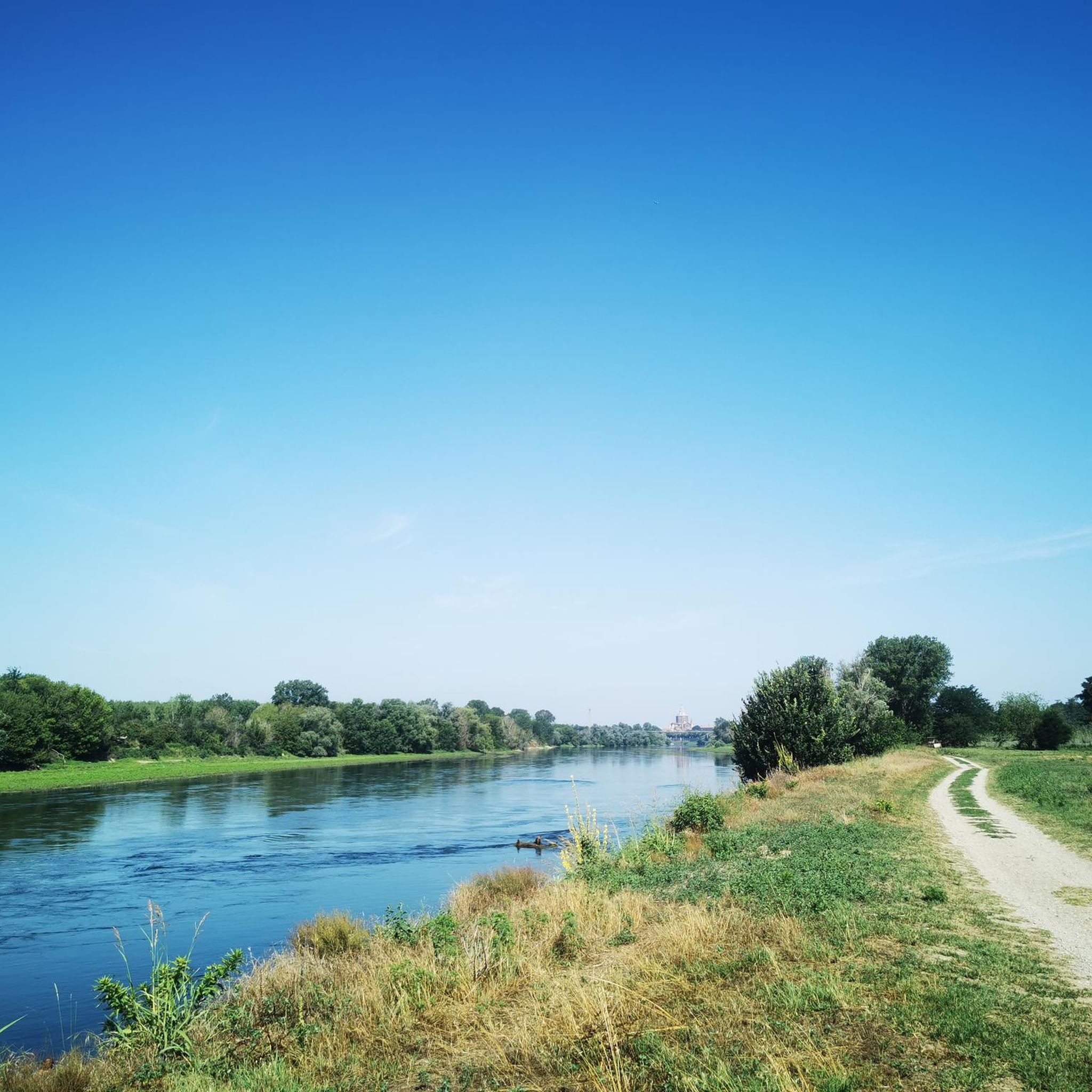
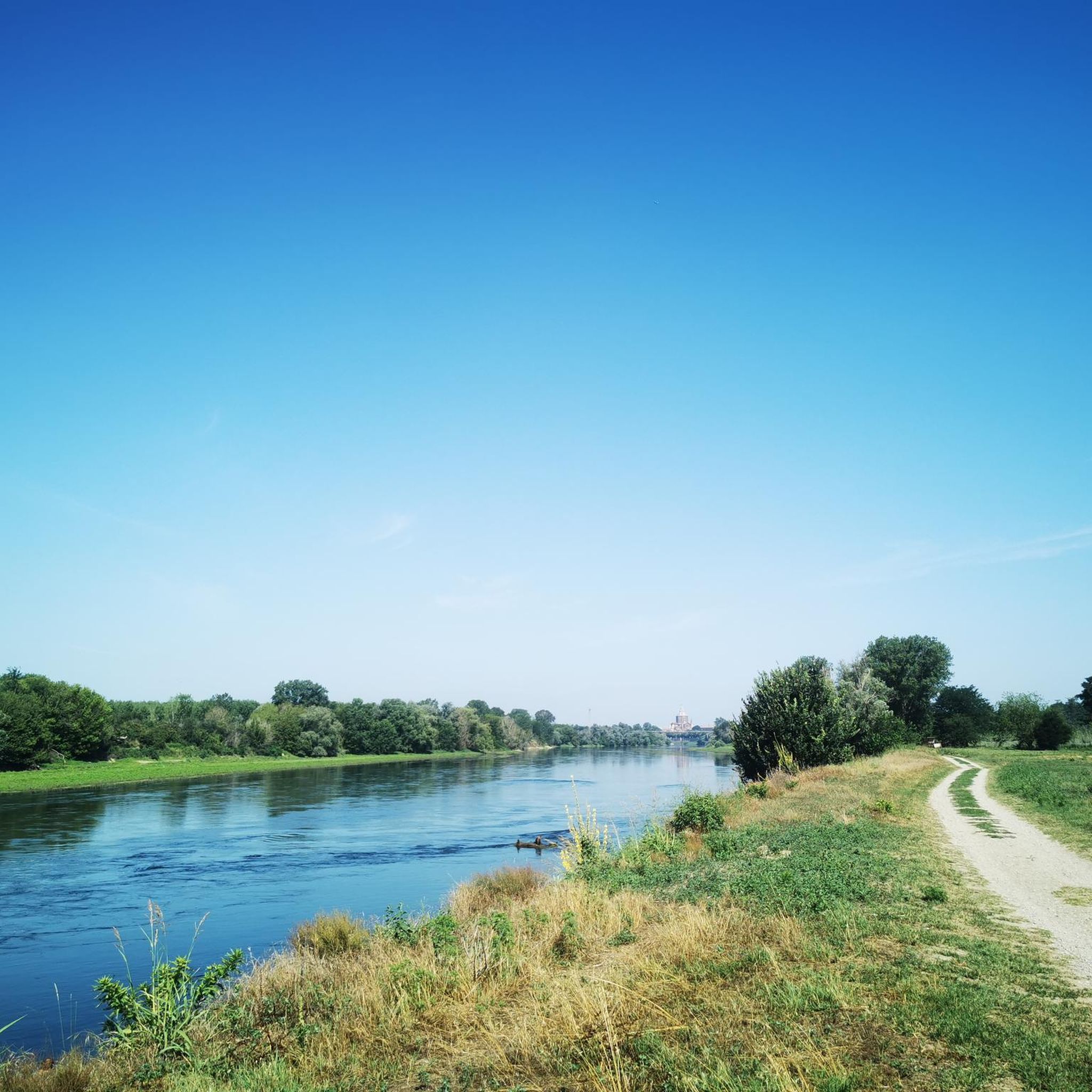
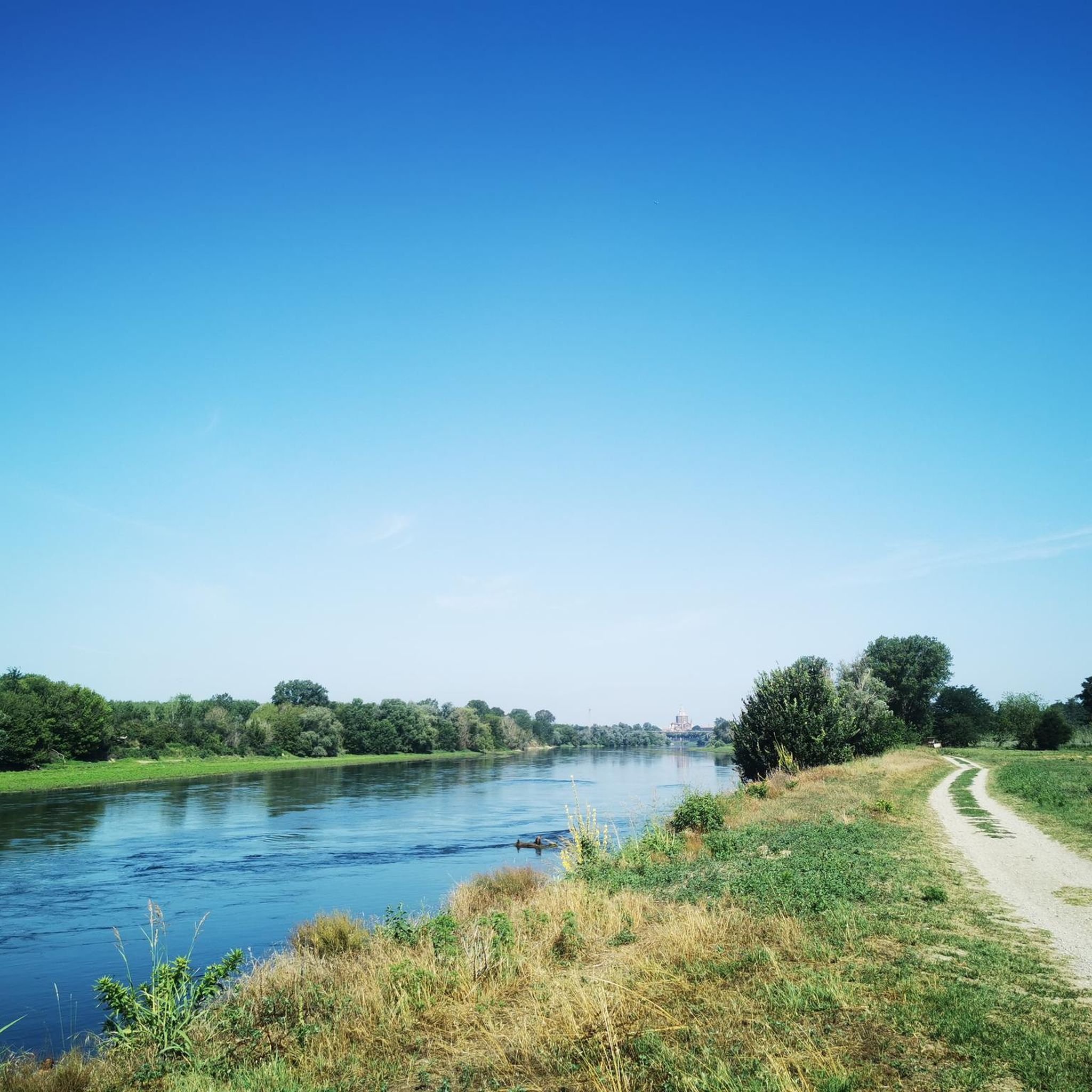
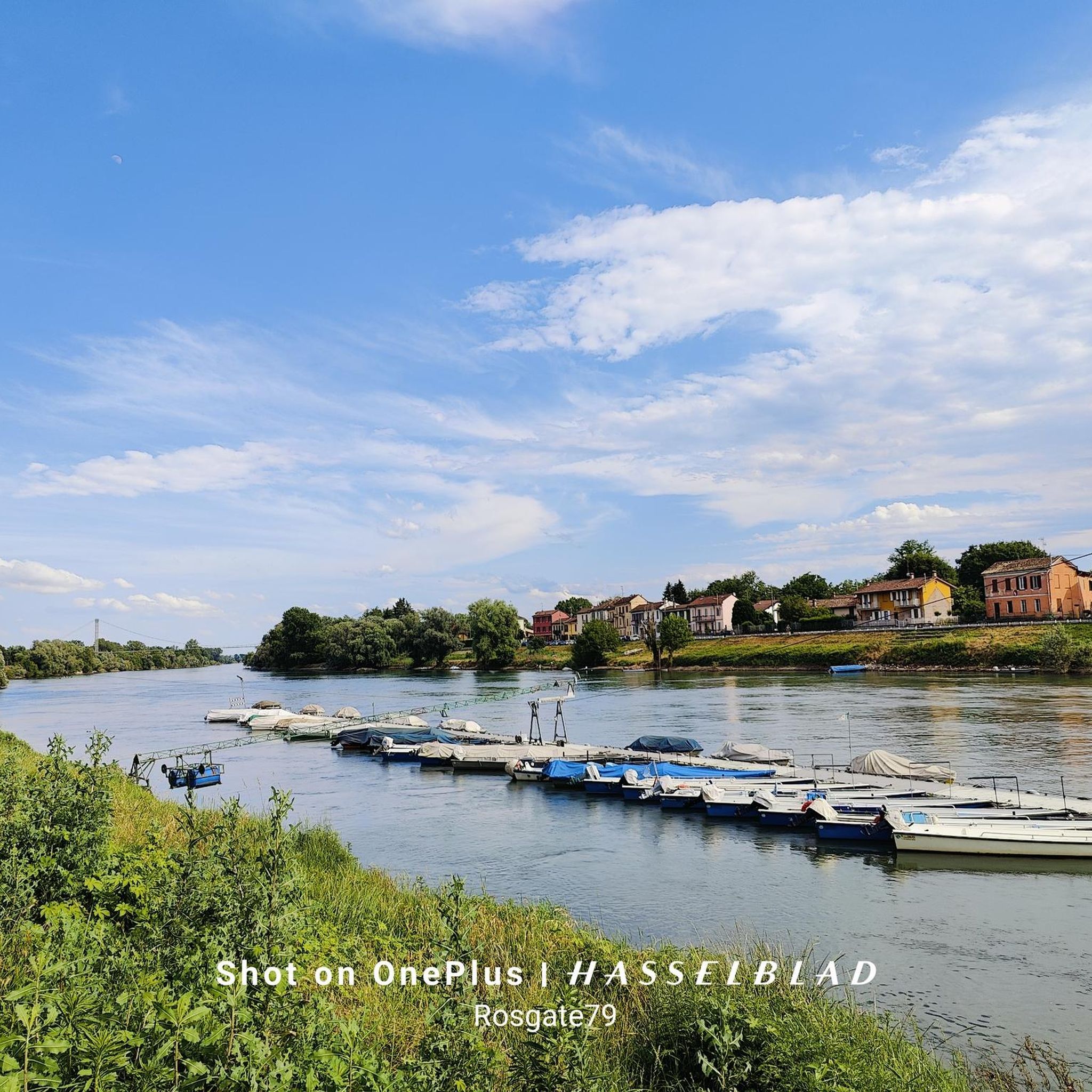
세탁부 기념비는 파비아에 위치한 유명한 청동 조각품으로, 보르고 티치노의 특징적인 지역에 있는 강변에 자리 잡고 있습니다. 이 작품은 유명한 폰테 코페르토를 건너자마자 왼쪽, 비아 밀라초 입구에 있습니다.
0
0

산타 마리아 델 노벨로 성소(노벨로 성소라고도 함)는 파비아현 트라바코 시코마리오에 위치한 매력적인 종교 건물입니다. 이 작은 시골 교회는 포 강 왼쪽 제방에서 아주 가까운 거리에 있는 범람원 지역 내의 인상적이고 외딴 곳에 자리 잡고 있습니다. 기원: 원래 구조는 1500년대 후반(또는 일부 지역 자료에 따르면 1600년대 초반)으로 거슬러 올라갑니다. 보나코사 가문이 의뢰하여 이전에 있던 시골 기도원 위에 지어졌으며, 이 기도원의 원래 프레스코화인 성모 마리아를 오늘날에도 내부에 보존하고 있습니다. 홍수로부터의 보호: 민간 전승에 따르면, 이 건물은 홍수에 대한 신의 보호를 기원하기 위해 정확히 그 지점에 세워졌습니다.
0
0

A memorial to the laundresses. Thanks to Willem VS for his excellent descriptions!
3
0

This imposing brick castle was built between 1360 and 1365 by order of Galeazzo Visconti and served as a fortification and residence. The north wing of the castle was destroyed at the battle of Pavia (1525) between the French and the Spanish. Petrarch loved the building and assembled a rich library there, which later moved to France. The large courtyard has arcades and an ornate loggia with twin windows.
7
0
According to legend, some pilgrims wanted to attend midnight mass in the city on Christmas Eve in 999, but due to the thick fog their boats could not cross the river. Suddenly, a man dressed in red arrived and promised that he would immediately build a bridge in exchange for the first soul to cross the bridge. The man in red was the devil, and only the Archangel Michael, who had come from the nearby church, recognized him. Michael pretended to agree to the deal, but once the bridge was built, a goat crossed it first. The bridge is therefore also known as the Ponte del Diavolo ("Devil's Bridge").
10
0
The covered bridge has its origins in Roman times. The current one was constructed in the 14th century and covered in 1583. Upstream of the bridge you can still see pillars of the original bridge, reconstructed after the Second World War. A memorial stone on the bridge tells that Albert Einstein stayed in Pavia for several months and loved the place.
8
0
The Statua della Lavandaia in Pavia is one of the symbols of the city. This beautiful sculpture, created by local artist Giovanni Scapolla in 1981, recalls the time when the banks of the Ticino River were populated by women who washed clothes in the river. Giovanni Scapolla was inspired by his mother, a famous washerwoman named 'Sciura Teresina', who always wore a traditional 'caplina' on her head. Names of the washerwomen: The washerwomen often had nicknames related to physical characteristics. The most famous was 'Angiuleta', but there were others such as 'Marieta dai pe tort' (with crooked feet) and 'Gianina la culona' (the plump one). Method: The women worked all day on the riverbank. The clothes were soaked overnight in large concrete containers and then washed by the river using a wooden board (‘a scägn’). Men and children collected the washed clothes and delivered them throughout the city. It was hard and unprofitable work, with only one or two lira each. Singing and entertainment: To pass the time, the washerwomen often sang. One of their favorite songs was “La donna è mobile” from Verdi's opera Rigoletto. They even adapted the text: 'La dona l'è UN MOBIL da met in sala, l'om l'è un asin da met in stala', referring to the fact that men walked around all day while the women stood still to to wash.
9
0

메자니노 주변에서 가장 인기 있는 명소


더 살펴보기
찾고 있는 하이라이트를 아직 못 찾으셨나요? 다른 지역의 주요 명소 가이드를 확인해보세요:
