20의 멘코니코가지 명소 & 주요 장소
멘코니코에는 둘러볼 만한 장소가 많답니다. 하이킹 또는 사이클링을 좋아한다면 멘코니코에 숨겨진 20
가지 보석을 만날 수 있을 거예요. 이 지역의 주요 명소를 살펴보면서 다음 모험을 계획해보세요.
마지막 업데이트: 9월 12, 2026
"파베제 '리틀 스텔비오'
하이라이트 (구간) • 자전거 도로
번역자 Google •
팁에 의해

보비오의 폰테 고보(악마의 다리)
하이라이트 • 다리
번역자 Google •
팁에 의해

이런 장소를 발견하려면 지금 가입하세요
최고의 싱글 트랙, 봉우리 및 다양한 흥미로운 야외 장소에 대한 추천을 받아보세요.
부트리오의 성 알버트 암자
하이라이트 • 종교적 장소
번역자 Google •
팁에 의해

Ponte Gobbo
하이라이트 • 다리
In the Middle Ages, the construction of a bridge was considered a miraculous feat. For this reason, the construction of such structures gave rise to …
번역자 Google •
팁에 의해

무료로 가입하여 멘코니코 주변의 더 많은 명소를 발견하세요.
이미 komoot 계정이 있나요?
오늘 무료 계정으로 시작하세요
다음 모험이 기다리고 있어요.

커뮤니티 팁

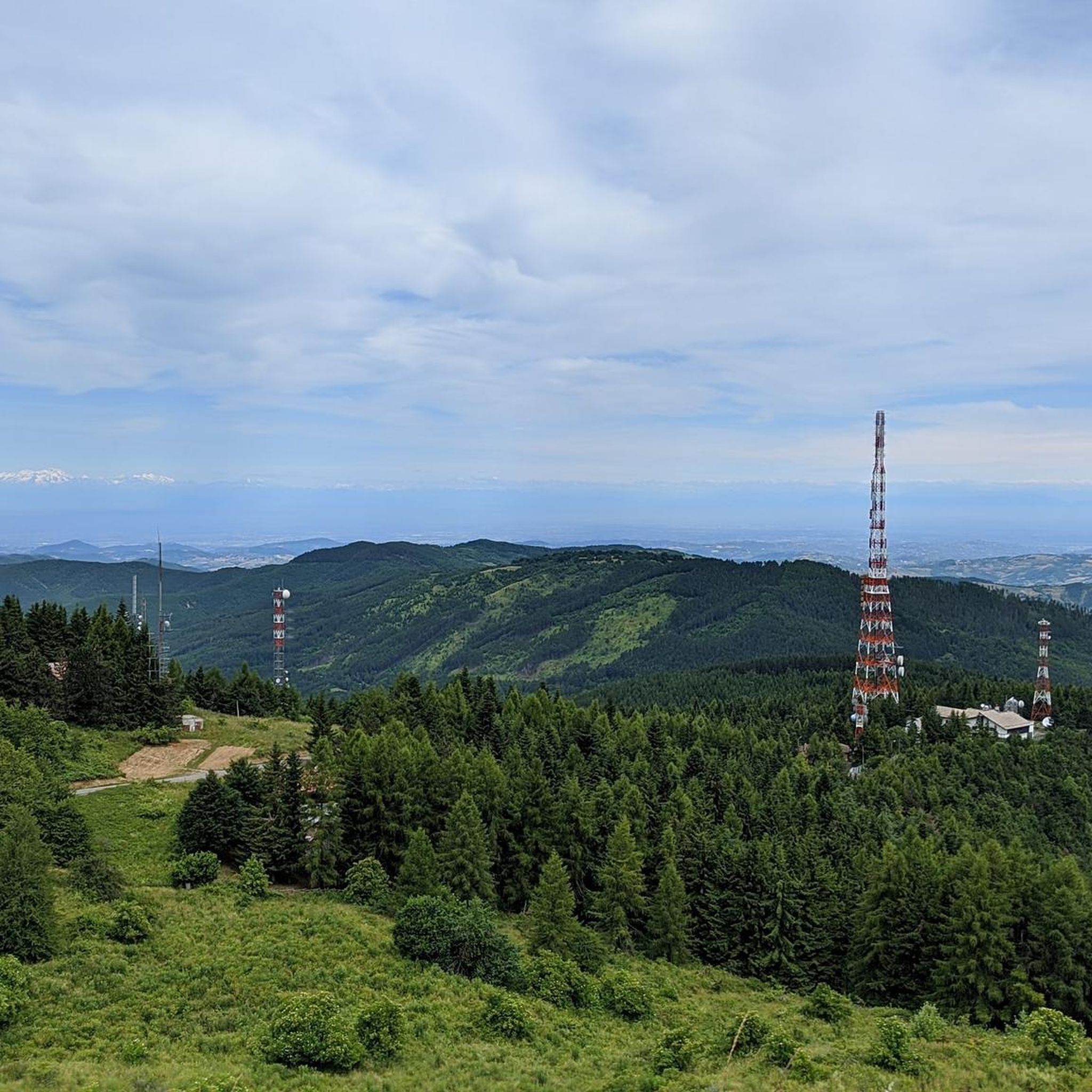
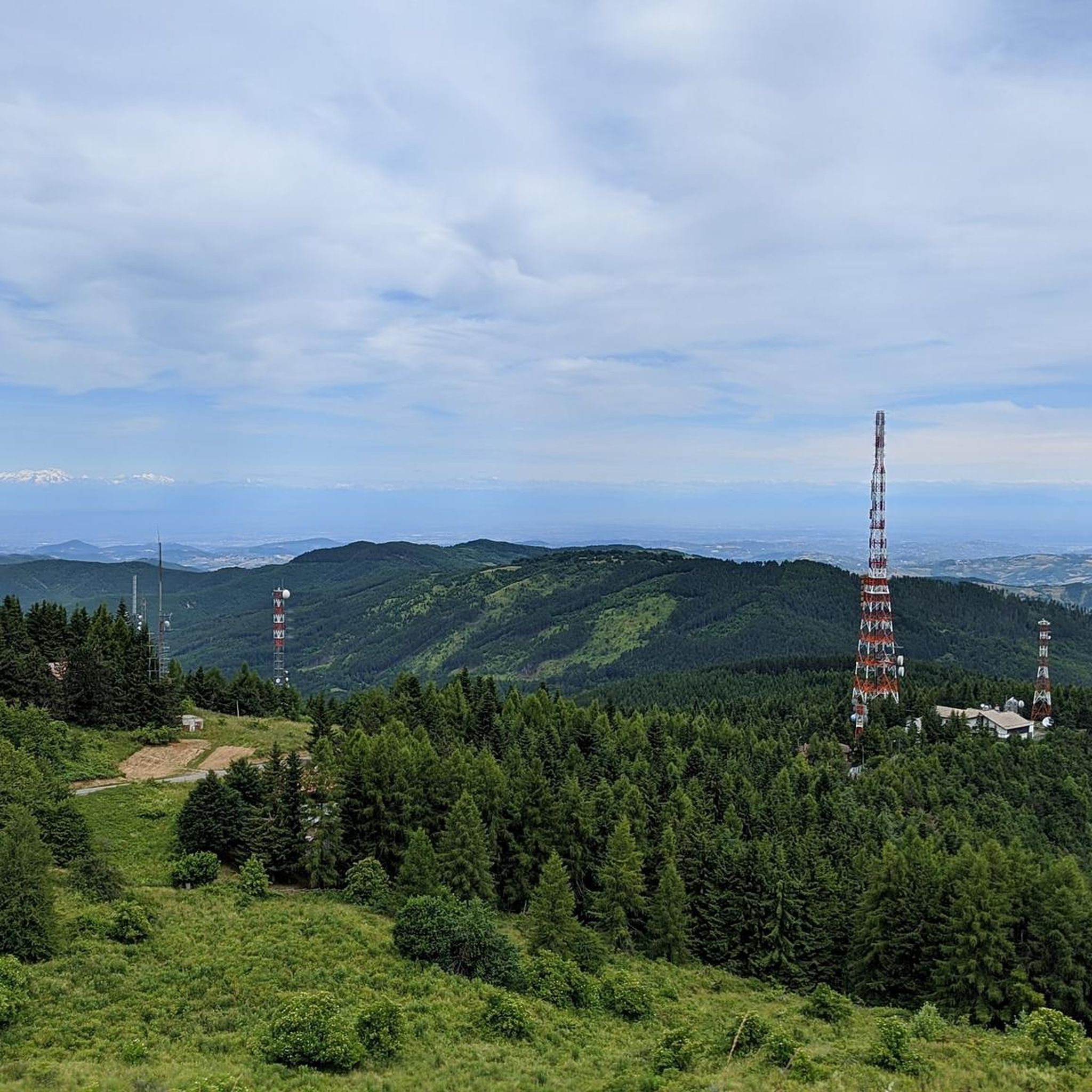
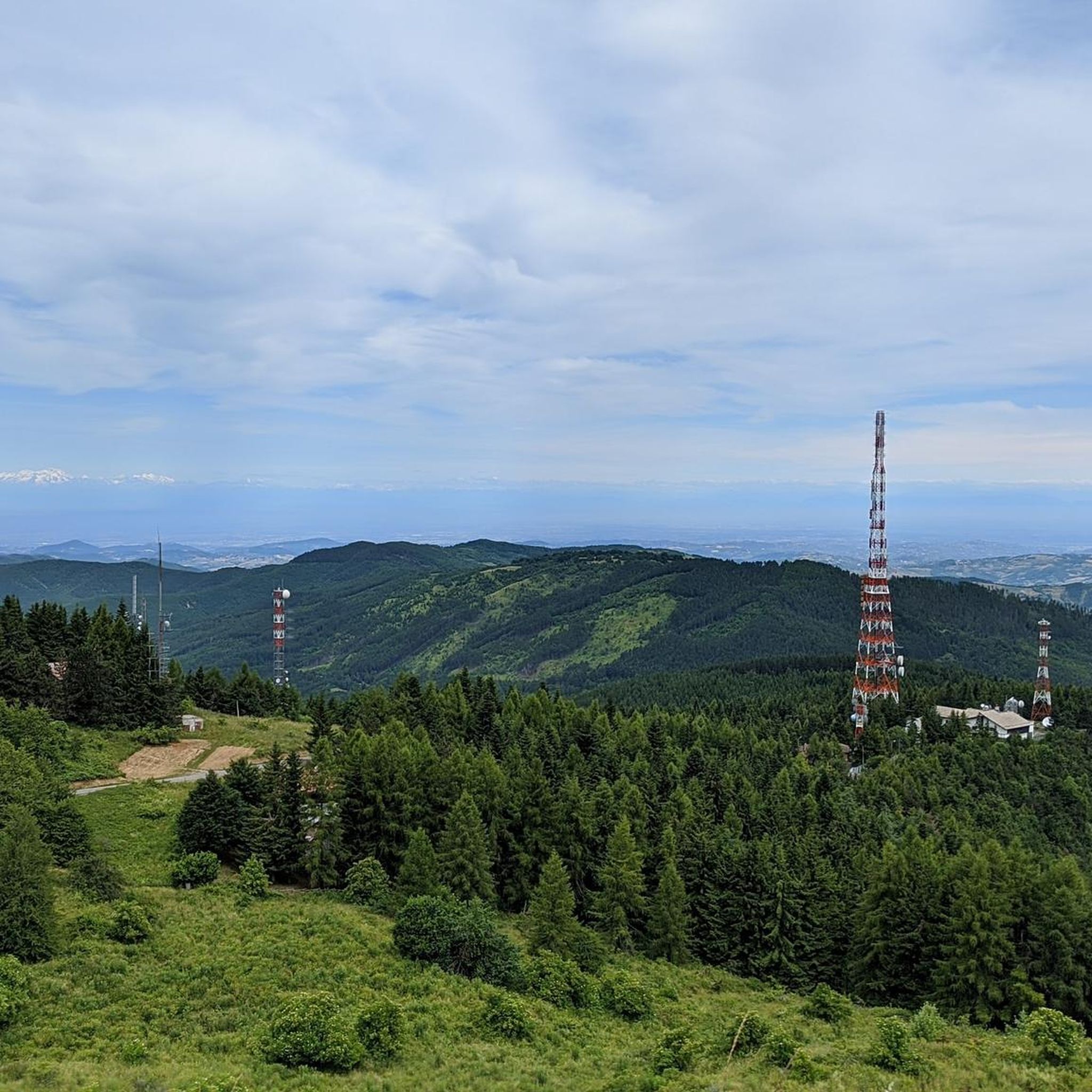
Oltrepò Pavese의 Il Piccolo Stelvio는 Trebecco 호수에서 Pometo 능선까지 이어지는 구불구불한 멋진 도로입니다. 위치: Oltrepò Pavese, Val Tidone와 Nizza 개울 계곡 사이. 약 20개의 연속적인 급커브와 250미터의 고도 상승을 포함한 4km의 오르막길.
0
0

11세기 수도원, 훌륭한 상태와 귀중한 프레스코화가 있습니다. 주의 깊게 방문할 가치가 있습니다.
0
0

very scenic and fun road near Lake Trebecco
1
0

Hunchback Bridge or Devil's Bridge In the Middle Ages, the construction of a bridge was considered a miraculous feat. For this reason, the construction of such structures gave rise to many legends, often involving the devil: joining two places that God had wanted separated was seen by many as a "diabolical" work. According to an ancient legend, Saint Columbanus, a 7th-century Irish monk, was eager to bring the word of God to the people living on the other bank of the Trebbia River, near the town of Bobbio. The devil promised to build the bridge in a single night, in exchange for the first mortal soul to cross it. The saint accepted. That night, the devil summoned several little devils who assisted him in the construction work, holding up the bridge's arches. The demons were of different heights, and thus the various arches of the bridge were of varying sizes. In the morning, the devil stationed himself at the end of the bridge to demand his payment. But Saint Columbanus outwitted him by having his poor, suffering and very sick dog (some say it was a bear) cross the bridge instead of a man. The enraged devil returned to hell, but not before kicking his handiwork, which has been crooked ever since. It is said that the footprints of the unfortunate animal that served as a guinea pig still remain in the crypt of the Church of Saint Columbanus. The Hunchback Bridge, also known as the Ponte Vecchio or, more precisely, the Devil's Bridge, is a Roman structure that has undergone numerous renovations over the centuries. The structure above dates back to the 7th century, but traces of an older bridge, dating back to before Columbanus' arrival, have been found underneath. The bridge, characterized by its undulating shape, irregular arches, and relatively narrow carriageway, is 280 meters long and connects the two banks of the river through a complicated succession of 11 irregular spans, varying in span and height, creating an undulating path from one end to the other. The Bobbio Bridge, now used only as a pedestrian crossing, is the very symbol of the city of San Colombano, as well as one of the strangest and most original architectural structures in Italy. Source: Emilia-Romagna Region
1
0

Beautiful paths and view. Bring the map as the hike is not well marked.
0
0

Beautiful ride between the provinces of PV and PC to do not immediately after a day of rain, terrain in parts clay and muddy. At km. 6.40 take the low variant because the one that gives the track is impassable.
0
0

I arrive in Bobbio from a less busy road and with a beautiful view of Ponte
0
0

멘코니코 주변에서 가장 인기 있는 명소


더 살펴보기
찾고 있는 하이라이트를 아직 못 찾으셨나요? 다른 지역의 주요 명소 가이드를 확인해보세요:
