4.8
(14)
153
자전거 타는 사람
8
라이딩
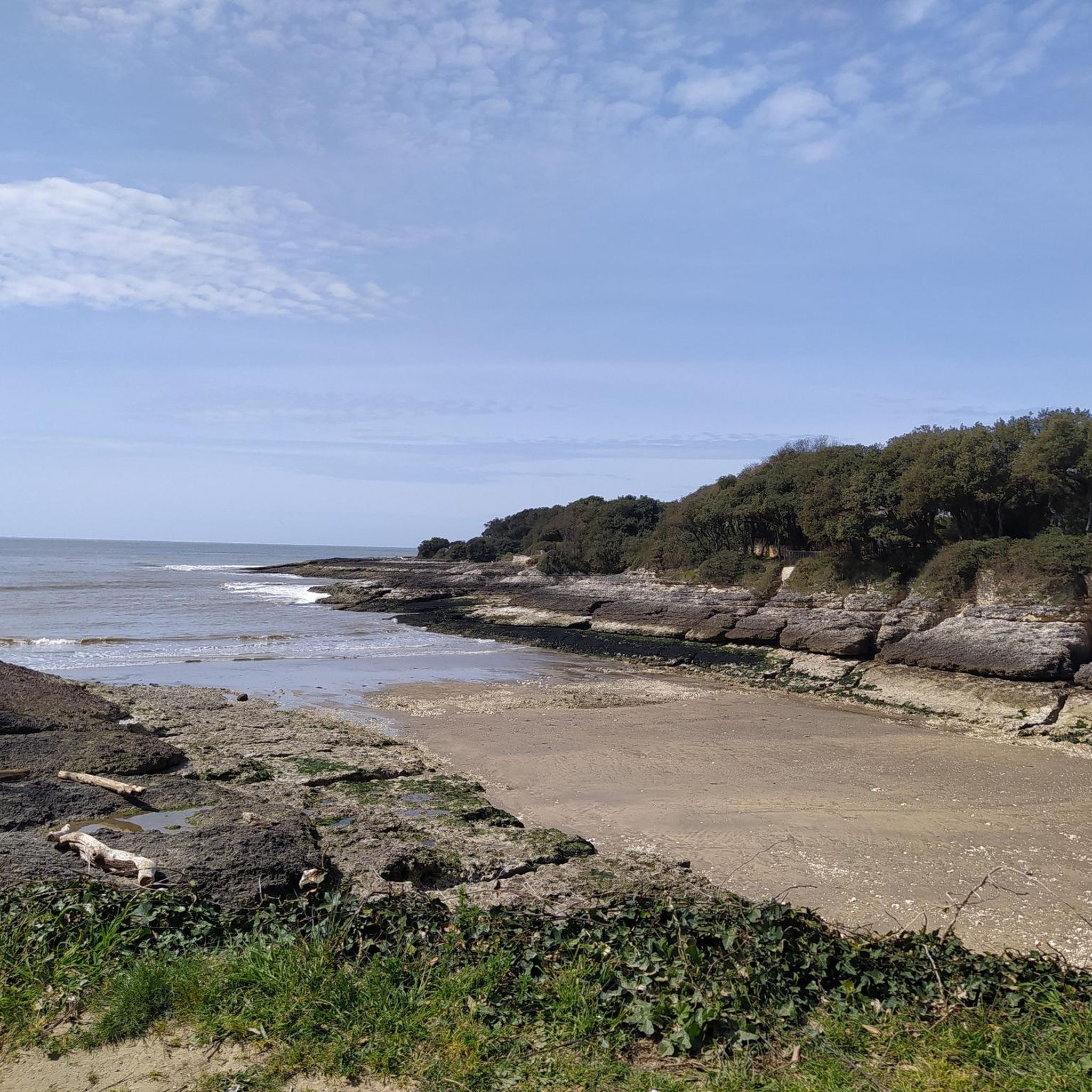
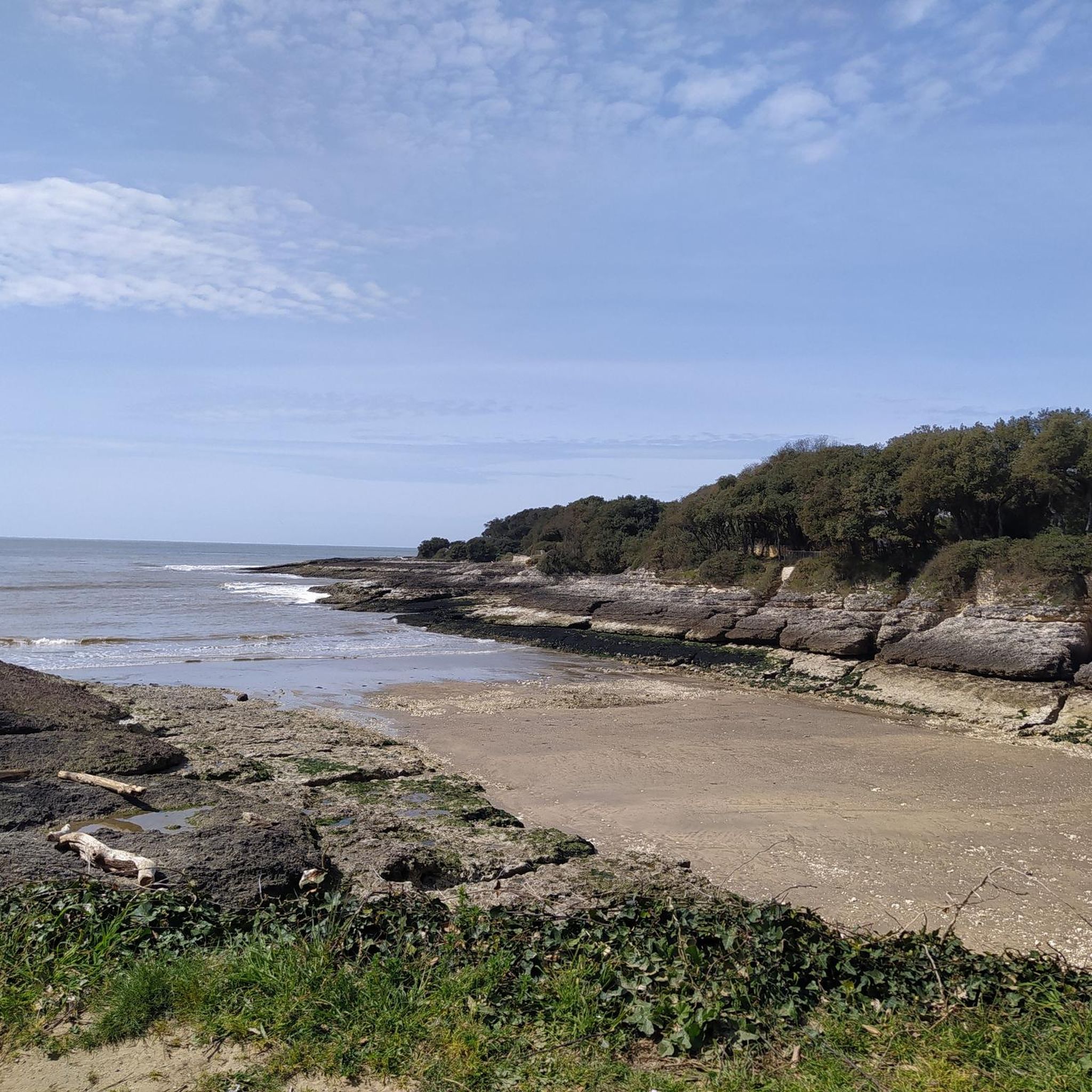
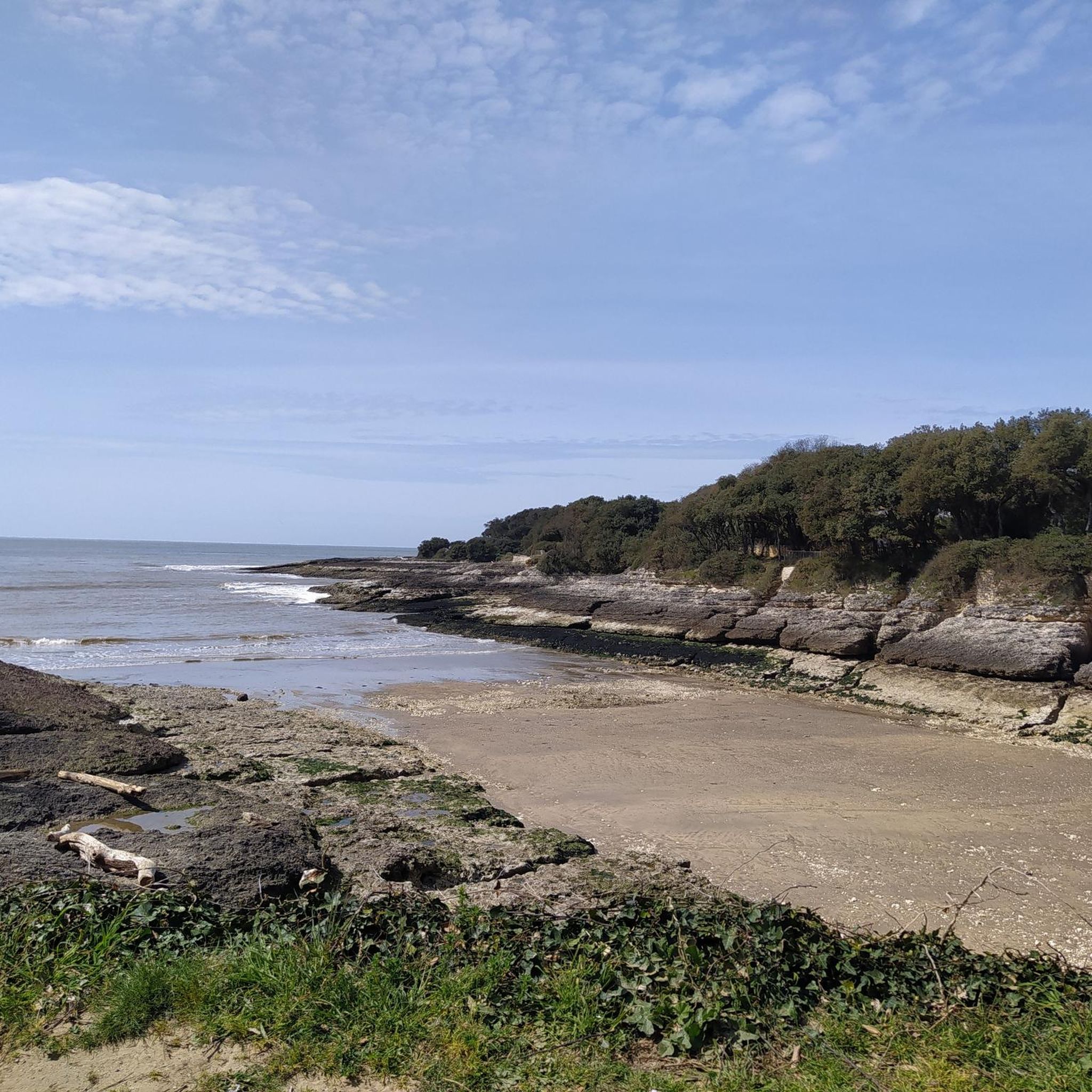
그래블 바이크를 타고 Vaux-Sur-Mer 주변을 달리면 대서양 연안부터 내륙의 숲, 강어귀 전망까지 다양한 풍경을 즐길 수 있습니다. 이 지역은 석회암 절벽, 모래 해변, 숲이 우거진 지역, 습지 등 다양한 지형이 특징입니다. Seudre와 Gironde 강어귀 사이에 위치하여 독특한 생태계와 경치 좋은 경로를 제공합니다. 그래블 바이크 경로는 종종 비포장 구간을 포함하여 자연과 도시 환경이 혼합된 경험을 선사합니다.
마지막 업데이트: 5월 5, 2026
5.0
(1)
38
자전거 타는 사람
81.7km
05:19
690m
690m
어려운 자갈길 타기. 우수한 체력 필요. 대부분 포장된 지면. 실력과 관계없이 누구나 갈 수 있음.
4.6
(5)
26
자전거 타는 사람
42.4km
02:44
320m
320m
보통 자갈길 타기. 좋은 체력 필요. 대부분 포장된 지면. 실력과 관계없이 누구나 갈 수 있음.

무료 회원 가입
4.3
(4)
60
자전거 타는 사람
36.5km
02:16
90m
90m
보통 자갈길 타기. 좋은 체력 필요. 대부분 포장된 지면. 실력과 관계없이 누구나 갈 수 있음.
5.0
(2)
23
자전거 타는 사람
32.1km
01:49
160m
160m
보통 자갈길 타기. 좋은 체력 필요. 대부분 포장된 지면. 실력과 관계없이 누구나 갈 수 있음.
5.0
(2)
6
자전거 타는 사람
23.1km
01:15
130m
130m
초급용 그래블 라이딩. 모든 체력 수준에 적합. 대부분 포장된 지면. 실력과 관계없이 누구나 갈 수 있음.
더 다양한 경로와 다른 탐험가들의 추천을 살펴보세요.
무료 회원 가입
이미 komoot 계정이 있나요?
투어 추천은 다른 사람들이 komoot에서 완료한 수천 개의 활동을 바탕으로 구성되어 있습니다.
오늘 무료 계정으로 시작하세요
다음 모험이 기다리고 있어요.
로그인 또는 가입하기
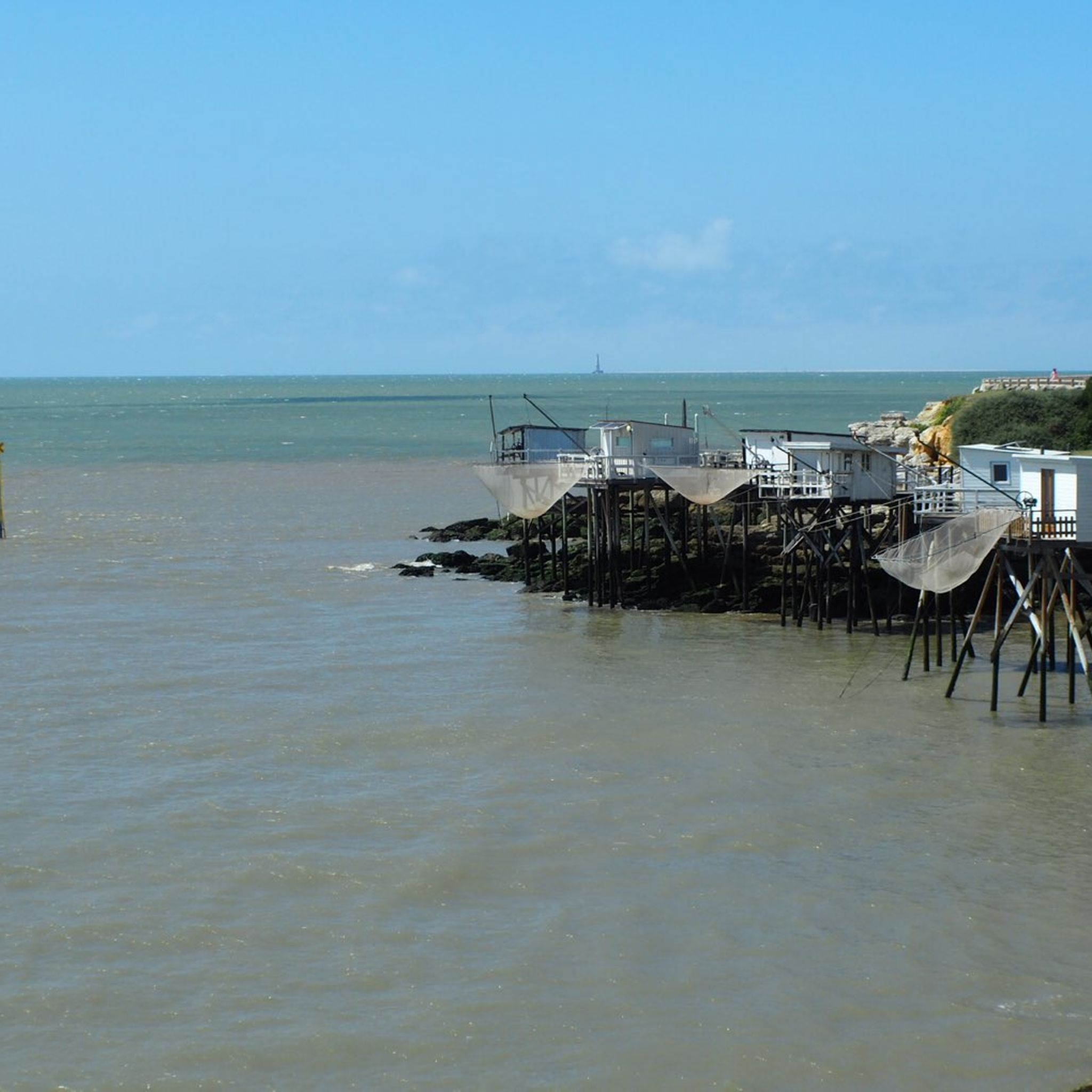
생-팔레-쉬르-메르의 카흘레(carrelets)는 샤랑트 해안의 가장 상징적인 요소 중 일부입니다. 그들의 역사는 전통적인 낚시, 관광의 발전, 지역 유산을 융합합니다. 🐟 카흘레의 기원 원래 "카흘레"라는 단어는 17세기부터 사용된 정사각형 어망을 지칭합니다. 1769년, 샤랑트 해안에서의 이 낚시 유형을 언급한 학자 앙리-루이 뒤아멜 뒤 몽소(Henri-Louis Duhamel du Monceau)의 글에서 정확한 설명을 찾을 수 있습니다. 👉 당시에는 아직 현재의 오두막이 아니라, 조잡한 구조물에서 조작되는 단순한 그물이었습니다. ⚓ 수공예 낚시 구조물 최초의 지역 카흘레는 어부들이 물 위로 올라서기 위해 직접 만든 단순한 나무 플랫폼이었습니다. 주로 바다로 나가지 않고 해안 근처에서 새우, 물고기, 게를 잡는 데 사용되었습니다. 👉 이는 바다 낚시보다 덜 위험한 가족적이고 연안적인 낚시였습니다. 🏖️ 19세기 – 20세기 초: 여가 활동으로의 전환 20세기 초, 생-팔레와 같은 해변 휴양지의 부상과 함께 카흘레는 진화했습니다. 휴가객과 유명 인사들이 이 관행을 받아들였습니다: 고정식 부두 건설, 기둥 위의 오두막 등장. 카흘레는 낚시 장소만큼이나 휴식 장소가 되었습니다. 👉 이미 해안의 엽서 같은 이미지에 기여하고 있었습니다. 🪵 1945년 이후: 대중화 및 확산 제2차 세계 대전 이후 카흘레의 수는 급격히 증가했습니다. 그것들은 대중적인 레저와 사교성의 상징이 되었습니다. 점진적으로 생계 수단에서 레크리에이션 활동으로 전환되었습니다. 🌊 폭풍과 재건 카흘레는 폭풍에 취약합니다: 1999년: 대규모 파괴 (일부 지역 최대 90%) 2010년 (신시아 폭풍): 새로운 피해. 많은 것들이 전통을 존중하여 동일하게 재건되었습니다. 🏛️ 오늘날: 보호받는 유산 샤랑트-마리팀에는 약 400개의 카흘레가 있습니다. 그것들은 다음과 같습니다: 공공 해양 구역에 통합됨 행정 허가로 할당됨 (종종 5년마다 갱신됨) 2018년부터 이 지역의 문화 유산으로 인정받고 있습니다. 👉 생-팔레에서는 특히 다음 장소에서 볼 수 있습니다: 악마의 다리(Pont du Diable) 콩시에 만(conche du Concié) 오튀르 우물(Puits de l’Auture)
0
0
Here you'll find a romantic little lighthouse, and behind it lies a garden with a bench overlooking the sea, a lovely place to stop for a break. Afterwards, you can continue along the cliff to the right until you reach Euro Velo 1 again.
0
0
Long sandy beach and beautiful sunset
1
0
the cycle path is great and comfortable because it is easy and smooth
0
0
The sight of the lady with the sonorous name "La Liberté éclairant le monde" (in English, "Lady Liberty" for short), impressively raising her arm with the torch, is probably familiar to almost everyone, and most people naturally immediately have the image of New York Harbor in the United States in mind. But perhaps many do not know that the famous Statue of Liberty was given to the American people by France (inaugurated in 1886 by US President Grover Cleveland).
0
0
The Terre-Nègre lighthouse is a landmark forming a cylindrical tower a little over 26 meters high. Located on the tip of Terre-Nègre, in the commune of Saint-Palais-sur-Mer, in Charente-Maritime, it is intended to mark the southern pass of the Gironde estuary and to signal the presence of a dangerous sandbank, the "Anglais bar". This building forms a tower-column 3.16 meters in diameter and 26.60 meters high. A spiral staircase with a central core of 143 steps leads to a summit platform equipped with a directional light. The tower is painted in two different colors to make it more visible: the upper part is red, the lower part is white. The base of the lighthouse is hidden by a building that once served as the keeper's accommodation. The installation of a beacon at this location was considered as early as 1763. De Kearney took over the beaconing plan four years later. Construction work on the tower began in 1770 and was completed in 1773, probably under the supervision of the Bordeaux engineer Claude Tardy. In 1807, the tower was raised. However, this work was considered insufficient by some of the estuary's navigators. In 1834, sailors from the nearby port of Royan sent a request to the Ministry of the Navy to study the possibility of equipping the tower with a light. However, this request was postponed the following year due to lack of sufficient funds. A new request from sailors prompted the lighthouse commission to experiment with a first light in 1836. Finally, on October 15, 1838, a fixed white 4th order light was permanently installed. The latter was replaced in 1856 by a fixed white light of the 4th order of a small dioptric model with a reinforced sector of the 5th order catoptric. It was equipped with new lights in 1899 and 1904. In 1939, it was electrified. During the German occupation, the lighthouse served as an observatory for the soldiers of the Wehrmacht. Damaged during the fighting of 1945 (presence of breaches at the top of the tower), it was restored in the immediate post-war period. In March 1947, the lighthouse was operational again. A light with 3 occultations — changing every 12 seconds — was installed. Its colors are white, red and green. Its current range is 18 miles. Listed as a Historic Monument since 2011, the lighthouse is not open to visitors. However, it can be admired from the outside and a pretty passage provides direct access to the coastal path.
0
0
The 12th century church (the oldest), was raised in the 18th century when the bell tower was transformed into a beacon for navigation. It is known as "Le Vieux Clocher". Saint-Pallais is a saint of the Catholic Church and the Orthodox Church. He was in the 6th century, the ninth bishop of Saintes. The history of the Romanesque church and the Old Bell Tower is perfectly summed up on the small information panel placed a few meters from the entrance: "The Romanesque church built under the name of Saint-Palais dates from the second half of the 12th century. At present, all that remains of this remarkable building are the choir, the apse, part of the bell tower and a section of the drip wall of the nave (in a construction, the drip wall is the wall carrying a gutter or a channel ending the roof slope and receiving the water as opposed to the gable wall). "The Old Bell Tower" dominates the tombs of the old cemetery, one of the exits of which opens onto the square on the south side of the new church. This 12th century church is distinguished by its architectural sobriety, a refined style and forms of a very Cistercian elegance. Unfortunately, time and wars have largely amputated the building. The octagonal bell tower is in its lower part authentically Romanesque: a semicircular bay adorned each of the faces, but only two of them have been preserved to the south and east. In order for the bell tower to serve as a landmark, a first raising of more than 2 meters was carried out in the first half of the 17th century. A second, a few years later, gave it its current height. Around 1770, a timber spire was added. The apse, vaulted in a cul-de-four is decorated with five basket-handle arcades resting on engaged columns. 3 bays with deep embrasure and framed by two small columns with bare capitals, provide lighting. A chamfered cord goes around the choir and the apse and delimits the vaults of the load-bearing walls. The climb to the top of the bell tower is recommended to enjoy a superb panorama of the Gironde estuary, the ocean, the Cordouan lighthouse, the residential areas of Saint-Palais, the national forest and the surrounding countryside.
0
0
다른 지역의 최고의 그래블 라이딩를 살펴보세요.