브로이예 주변 최고의 그래블 라이딩 코스
4.3
(14)
144
자전거 타는 사람
16
라이딩
그래블 바이크를 타고 Breuillet 주변을 달리면 프랑스 Charente-Maritime 지역의 Arvert 반도 전역에 걸쳐 다양한 풍경을 경험할 수 있습니다. 이 지역은 농경지와 포도밭, 광활한 삼림 지대가 펼쳐진 구릉진 고원 지대로, '작은 숲'을 의미하는 켈트족의 이름에서 유래했습니다. 북쪽으로는 Seudre 강 하구와 굴 양식장 및 풍부한 생물 다양성으로 유명한 독특한 습지대로 지형이 바뀝니다. 바다와 가까워 해안의 영향을 느낄 수 있으며, 많은 코스에서 'Côte sauvage'의 전망을 감상하거나 직접 접근할 수 있습니다.
Breuillet 주변 최고의 그래블 바이크 코스
- 가장 인기 있는 그래블 바이크 코스는 Royan…
마지막 업데이트: 9월 9, 2026
4.2
(6)
37
자전거 타는 사람
50.6km
03:05
360m
360m
보통 자갈길 타기. 좋은 체력 필요. 대부분 포장된 지면. 실력과 관계없이 누구나 갈 수 있음.
4.0
(1)
20
자전거 타는 사람
어려운 자갈길 타기. 좋은 체력 필요. 투어 중 자전거를 끌고 가야 하는 구간이 있을 수 있음.

5.0
(1)
2
자전거 타는 사람
22.4km
01:24
70m
70m
초급용 그래블 라이딩. 모든 체력 수준에 적합. 대부분 포장된 지면. 실력과 관계없이 누구나 갈 수 있음.
3
자전거 타는 사람
29.1km
01:49
110m
110m
초급용 그래블 라이딩. 모든 체력 수준에 적합. 대부분 포장된 지면. 실력과 관계없이 누구나 갈 수 있음.
9
자전거 타는 사람
64.8km
03:41
270m
270m
어려운 자갈길 타기. 좋은 체력 필요. 투어 중 자전거를 끌고 가야 하는 구간이 있을 수 있음.
더 다양한 경로와 다른 탐험가들의 추천을 살펴보세요.
이미 komoot 계정이 있나요?
투어 추천은 다른 사람들이 komoot에서 완료한 수천 개의 활동을 바탕으로 구성되어 있습니다.
오늘 무료 계정으로 시작하세요
다음 모험이 기다리고 있어요.
커뮤니티 팁

모르낙의 시장 건물은 중세 시대에 처음 등장했습니다. 1664년에야 비로소 그 존재를 증명하는 최초의 서면 증거가 나타났습니다. 이 건물들은 아마도 더 오래되었을 것이며 1550년대에 지어졌을 수 있습니다. 시장은 일반적으로 돌기둥으로 지지되고 타일로 덮인 목조 구조물입니다. 코즈와 피자니의 시장과 마찬가지로 종교 전쟁의 우여곡절을 겪고 손상되거나 파괴되었다가 평화가 회복된 후 재건되었을 것으로 추정할 수 있습니다. 모르낙 시장 건물의 위치는 유명한 박람회 장소였으며 주민들이 영주에게 지불하는 권리를 대가로 상품을 판매할 수 있도록 했습니다. 이는 영주에게 중요한 수입원이자 시장 건물을 완벽한 상태로 유지해야 하는 의무를 부과했습니다. 영주와 판매자를 구속하는 행위는 해당 시장 건물의 상품 판매 및 유지 보수 권리를 명시하는 계약을 봉인했습니다.
0
0

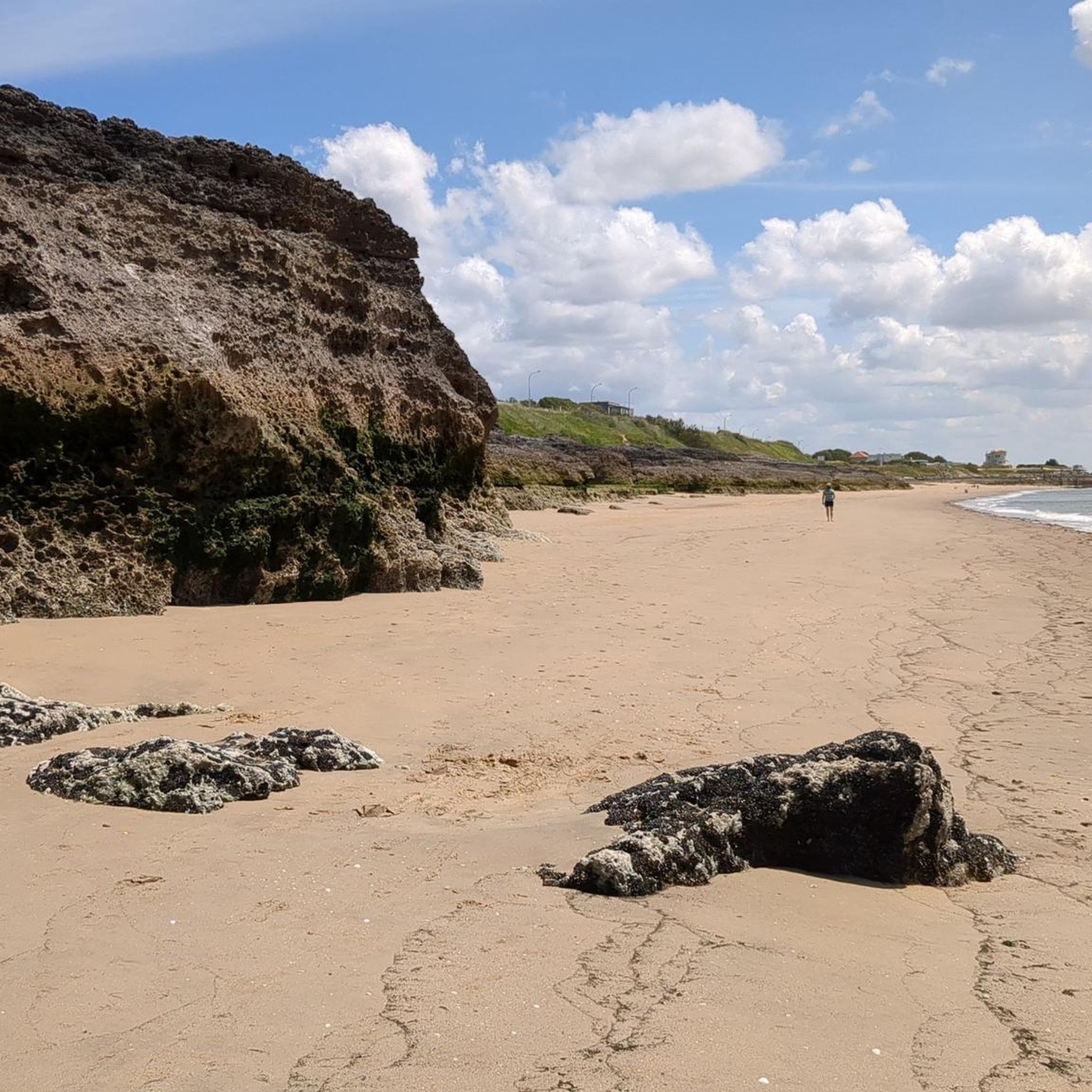
l'Embellie 해변은 해안가의 필수 방문지입니다. 이곳은 올레롱 섬의 탁 트인 전망을 자랑하는 특별한 자연 환경을 제공하며, 산악자전거 또는 자전거를 타는 동안 휴식을 취하기에 이상적입니다. 대양, 모래 언덕, 고운 모래 사이로 펼쳐지는 파노라마는 사계절 내내 장관입니다. 조용함을 즐기고, 풍경을 감상하고, 코스를 재개하기 전에 몇 장의 사진을 찍기에 완벽한 장소입니다.
1
0

그것을 위해 자연과 그 교회
0
0

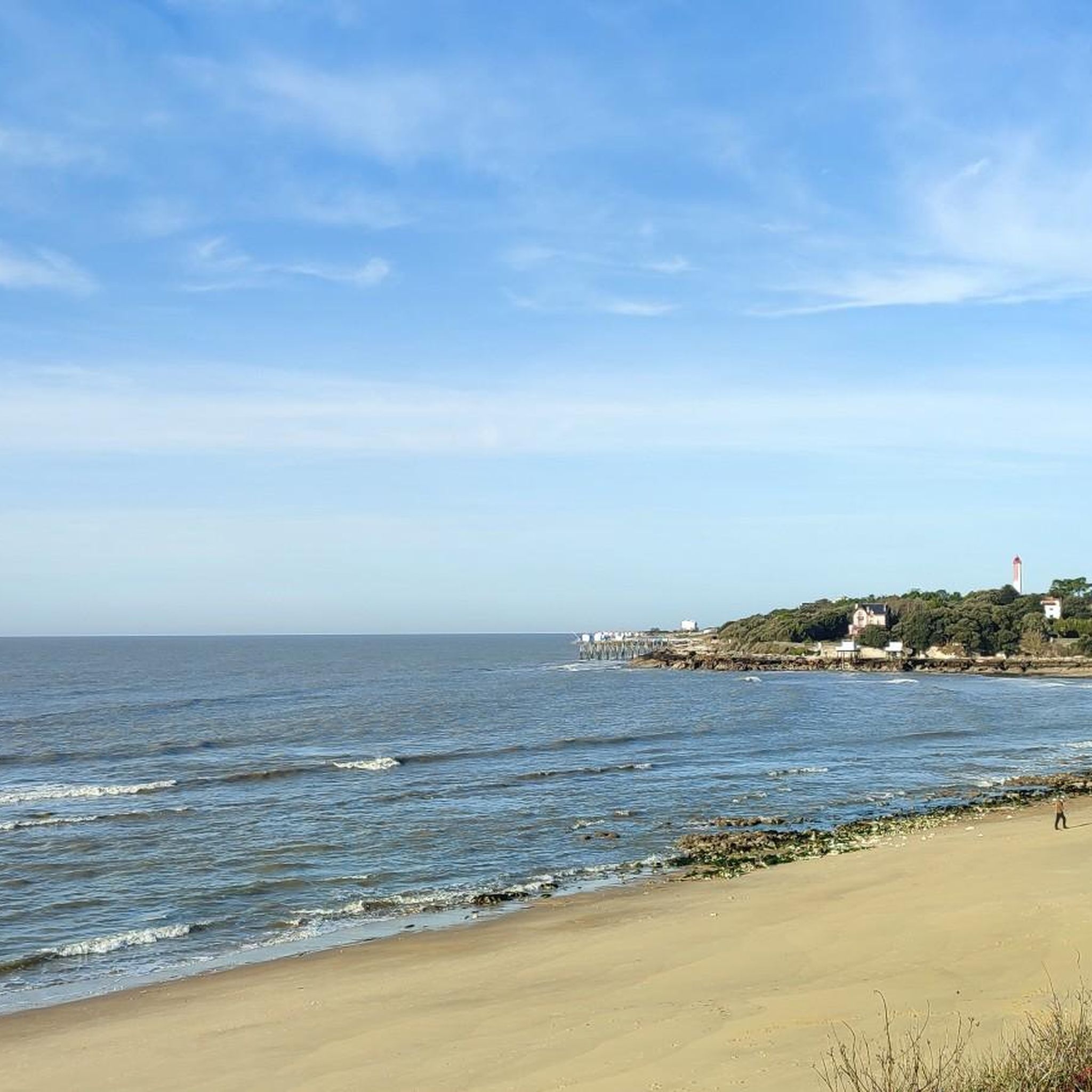
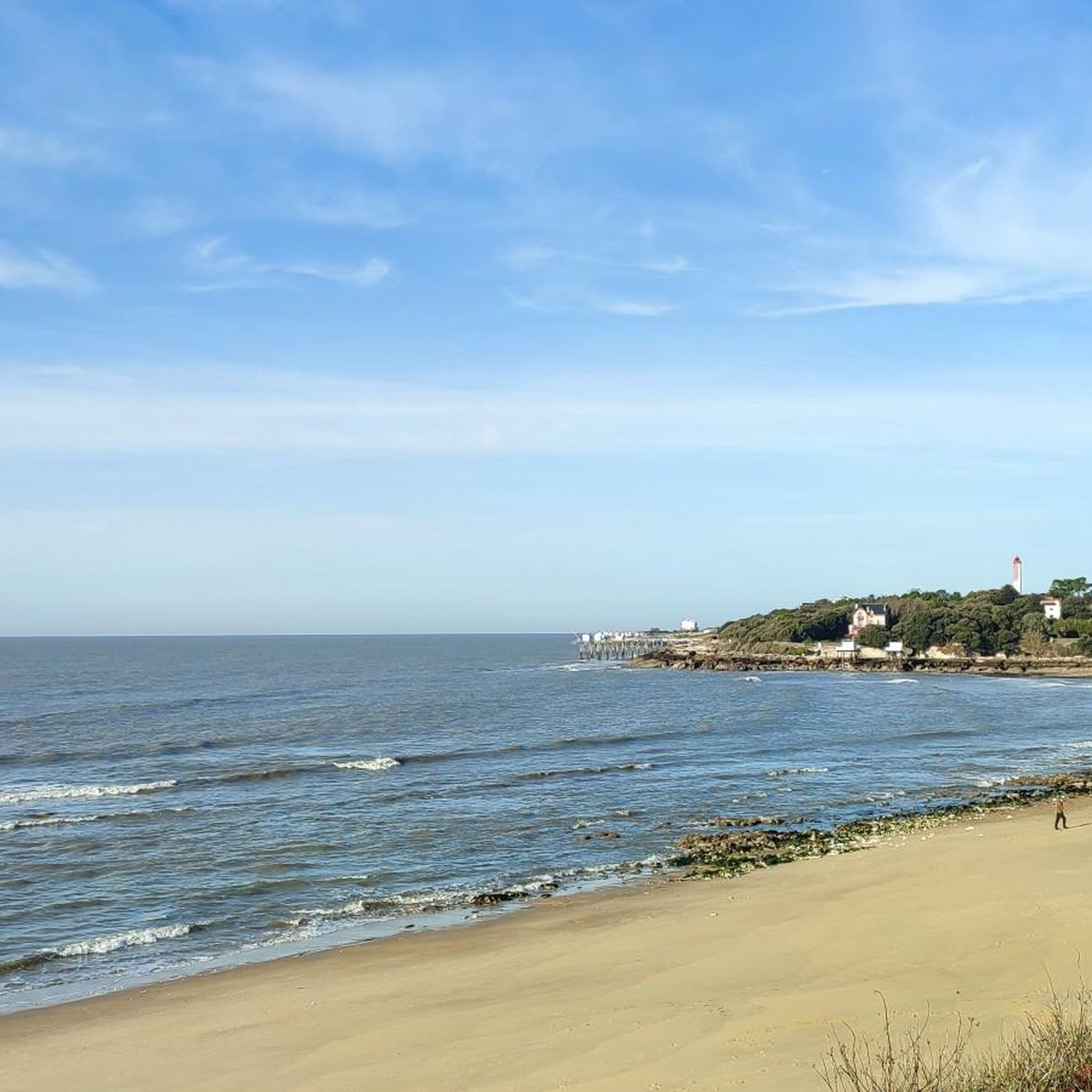
생-팔레-쉬르-메르의 카흘레(carrelets)는 샤랑트 해안의 가장 상징적인 요소 중 일부입니다. 그들의 역사는 전통적인 낚시, 관광의 발전, 지역 유산을 융합합니다. 🐟 카흘레의 기원 원래 "카흘레"라는 단어는 17세기부터 사용된 정사각형 어망을 지칭합니다. 1769년, 샤랑트 해안에서의 이 낚시 유형을 언급한 학자 앙리-루이 뒤아멜 뒤 몽소(Henri-Louis Duhamel du Monceau)의 글에서 정확한 설명을 찾을 수 있습니다. 👉 당시에는 아직 현재의 오두막이 아니라, 조잡한 구조물에서 조작되는 단순한 그물이었습니다. ⚓ 수공예 낚시 구조물 최초의 지역 카흘레는 어부들이 물 위로 올라서기 위해 직접 만든 단순한 나무 플랫폼이었습니다. 주로 바다로 나가지 않고 해안 근처에서 새우, 물고기, 게를 잡는 데 사용되었습니다. 👉 이는 바다 낚시보다 덜 위험한 가족적이고 연안적인 낚시였습니다. 🏖️ 19세기 – 20세기 초: 여가 활동으로의 전환 20세기 초, 생-팔레와 같은 해변 휴양지의 부상과 함께 카흘레는 진화했습니다. 휴가객과 유명 인사들이 이 관행을 받아들였습니다: 고정식 부두 건설, 기둥 위의 오두막 등장. 카흘레는 낚시 장소만큼이나 휴식 장소가 되었습니다. 👉 이미 해안의 엽서 같은 이미지에 기여하고 있었습니다. 🪵 1945년 이후: 대중화 및 확산 제2차 세계 대전 이후 카흘레의 수는 급격히 증가했습니다. 그것들은 대중적인 레저와 사교성의 상징이 되었습니다. 점진적으로 생계 수단에서 레크리에이션 활동으로 전환되었습니다. 🌊 폭풍과 재건 카흘레는 폭풍에 취약합니다: 1999년: 대규모 파괴 (일부 지역 최대 90%) 2010년 (신시아 폭풍): 새로운 피해. 많은 것들이 전통을 존중하여 동일하게 재건되었습니다. 🏛️ 오늘날: 보호받는 유산 샤랑트-마리팀에는 약 400개의 카흘레가 있습니다. 그것들은 다음과 같습니다: 공공 해양 구역에 통합됨 행정 허가로 할당됨 (종종 5년마다 갱신됨) 2018년부터 이 지역의 문화 유산으로 인정받고 있습니다. 👉 생-팔레에서는 특히 다음 장소에서 볼 수 있습니다: 악마의 다리(Pont du Diable) 콩시에 만(conche du Concié) 오튀르 우물(Puits de l’Auture)
0
0
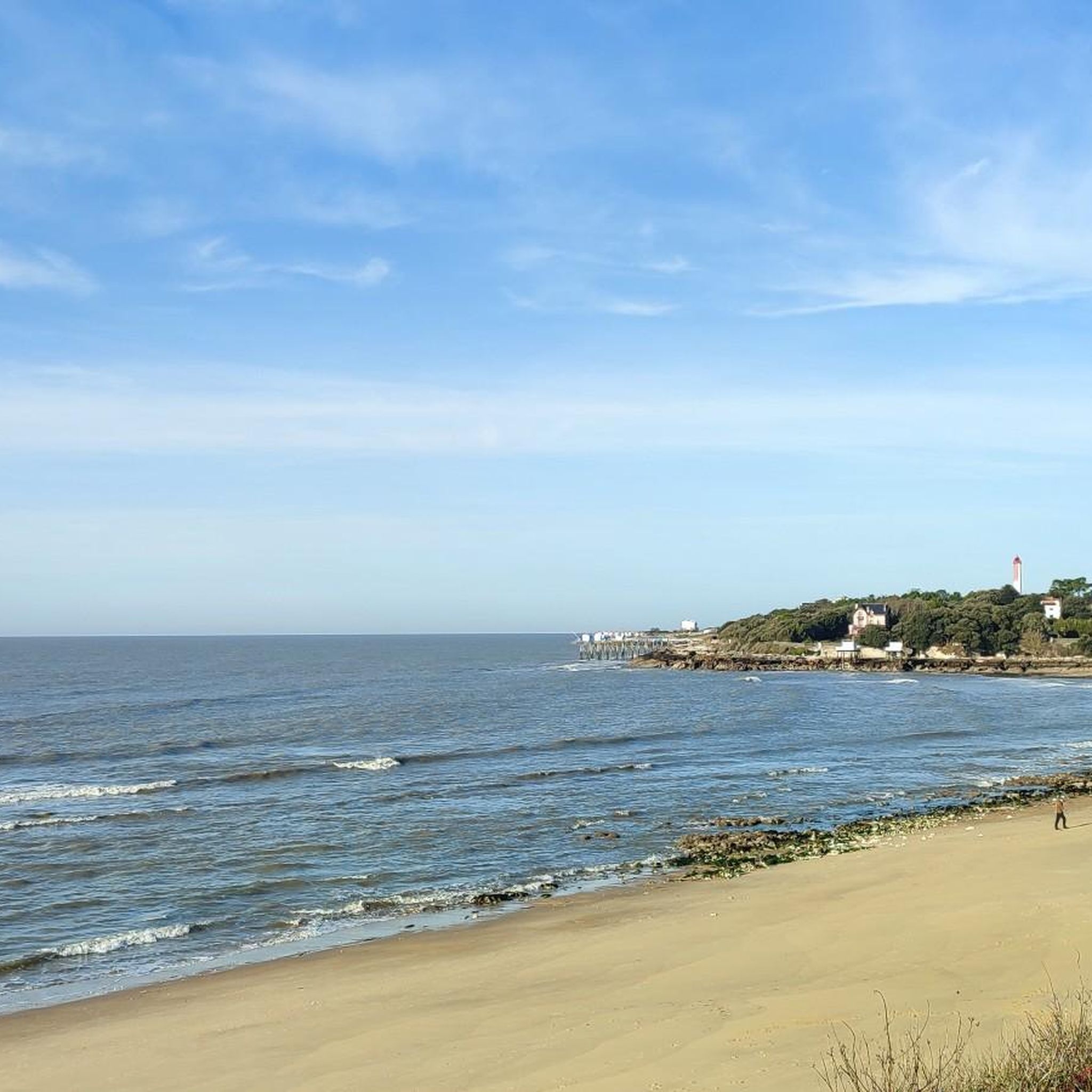
📍 Introducing the Gilet Cove The Gilet Cove is a small, natural beach on the oceanfront, located on Boulevard de la Conche de Gilet / Boulevard de la Falaise, in the town of Vaux-sur-Mer, just before Royan. 🌿 It's a sheltered, rocky cove, appreciated for its tranquility and more intimate setting compared to the larger urban beaches nearby. 🏖️ At high tide, the sea can completely cover this small beach, making the space very limited; at low tide, you can enjoy a patch of sand and rocks for relaxing or swimming. 🧭 Features & Tips 📍 Type of place: small, unsupervised beach, nestled among the rocks with sand and cliffs. 🏖️ Tides: access is best at low tide — at high tide the beach can disappear underwater. 🐶 Animals: prohibited from April 1st to September 30th (subject to municipal regulations). 👣 Access: via stairs from the boulevard above, surrounded by villas with sea views. 🚫 Lifeguard services: no lifeguard station or marked services. 📍 Location La Conche de Gilet is often considered the last small beach in Vaux-sur-Mer before reaching Royan/Pontaillac when following the coastline from Saint-Palais-sur-Mer.
0
0

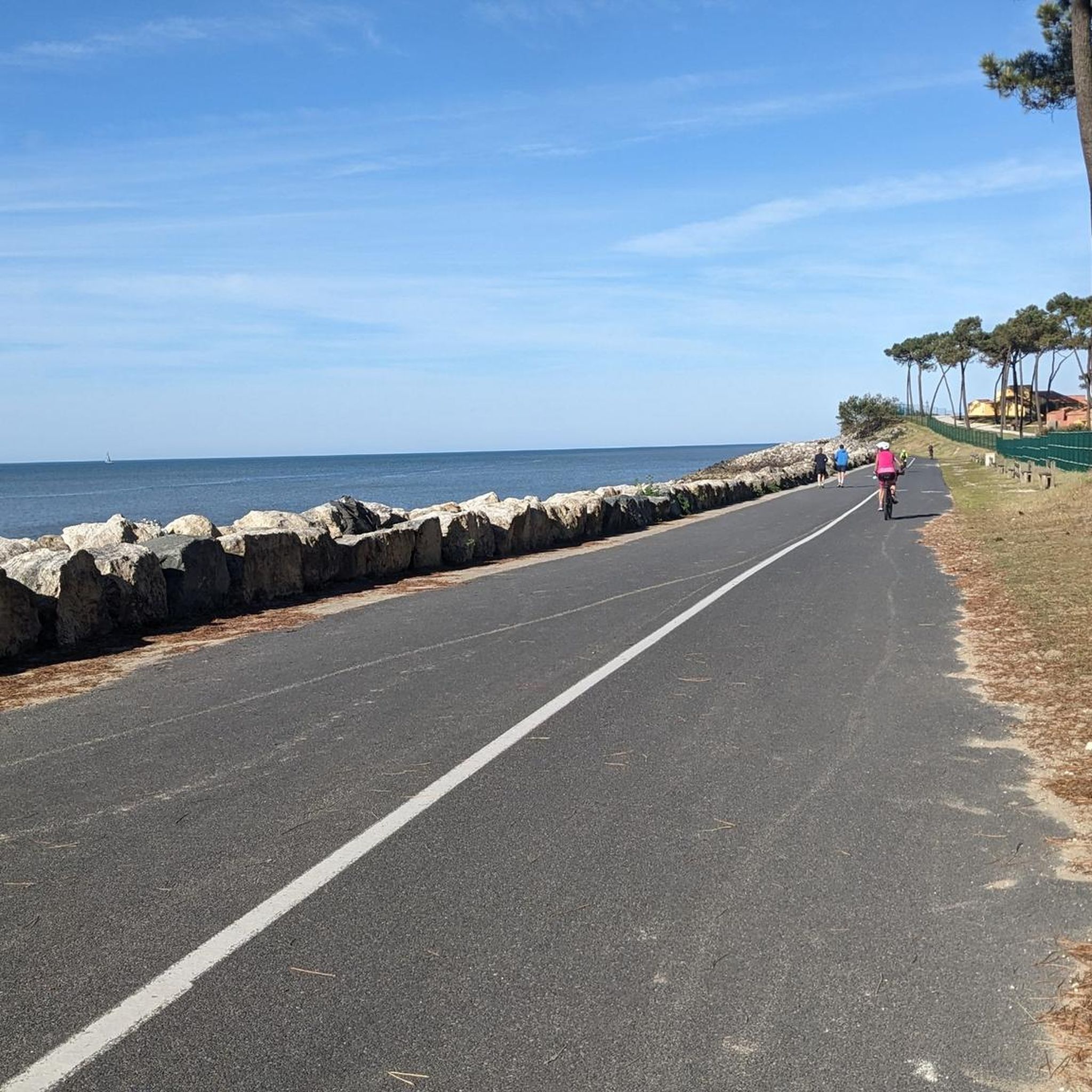
A beautiful trail with pine scents. A real treat.
0
0
브로이예 주변에서 가장 인기 있는 명소


더 살펴보기
다른 지역의 최고의 그래블 라이딩를 살펴보세요.
