복쉬르메르 최고의 워킹 & 하이킹 경로
4.8
(130)
1,350
등산객
26
하이킹
정확한 경로를 찾는 것이 때로는 어렵지만 복쉬르메르에서 하이킹을 하면 다양한 경치를 마음껏 감상할 수 있답니다. 복쉬르메르에서 가장 멋진 하이킹과 워킹 중에서 마음에 드는 활동을 시작해보세요.
마지막 업데이트: 8월 18, 2026
4.9
(15)
205
등산객
10.1km
02:37
60m
60m
보통 하이킹. 좋은 체력 필요. 실력과 관계없이 누구나 쉽게 갈 수 있는 길.
4.8
(18)
137
등산객
14.9km
03:55
110m
110m
보통 하이킹. 좋은 체력 필요. 실력과 관계없이 누구나 쉽게 갈 수 있는 길.

무료 회원 가입
4.6
(18)
186
등산객
8.20km
02:08
60m
60m
보통 하이킹. 좋은 체력 필요. 실력과 관계없이 누구나 쉽게 갈 수 있는 길.
5.0
(7)
137
등산객
6.23km
01:38
40m
40m
초급용 하이킹. 모든 체력 수준에 적합. 실력과 관계없이 누구나 쉽게 갈 수 있는 길.
5.0
(6)
21
등산객
8.92km
02:19
50m
50m
보통 하이킹. 좋은 체력 필요. 실력과 관계없이 누구나 쉽게 갈 수 있는 길.
더 다양한 경로와 다른 탐험가들의 추천을 살펴보세요.
무료 회원 가입
이미 komoot 계정이 있나요?
투어 추천은 다른 사람들이 komoot에서 완료한 수천 개의 활동을 바탕으로 구성되어 있습니다.
오늘 무료 계정으로 시작하세요
다음 모험이 기다리고 있어요.
로그인 또는 가입하기

커뮤니티 팁

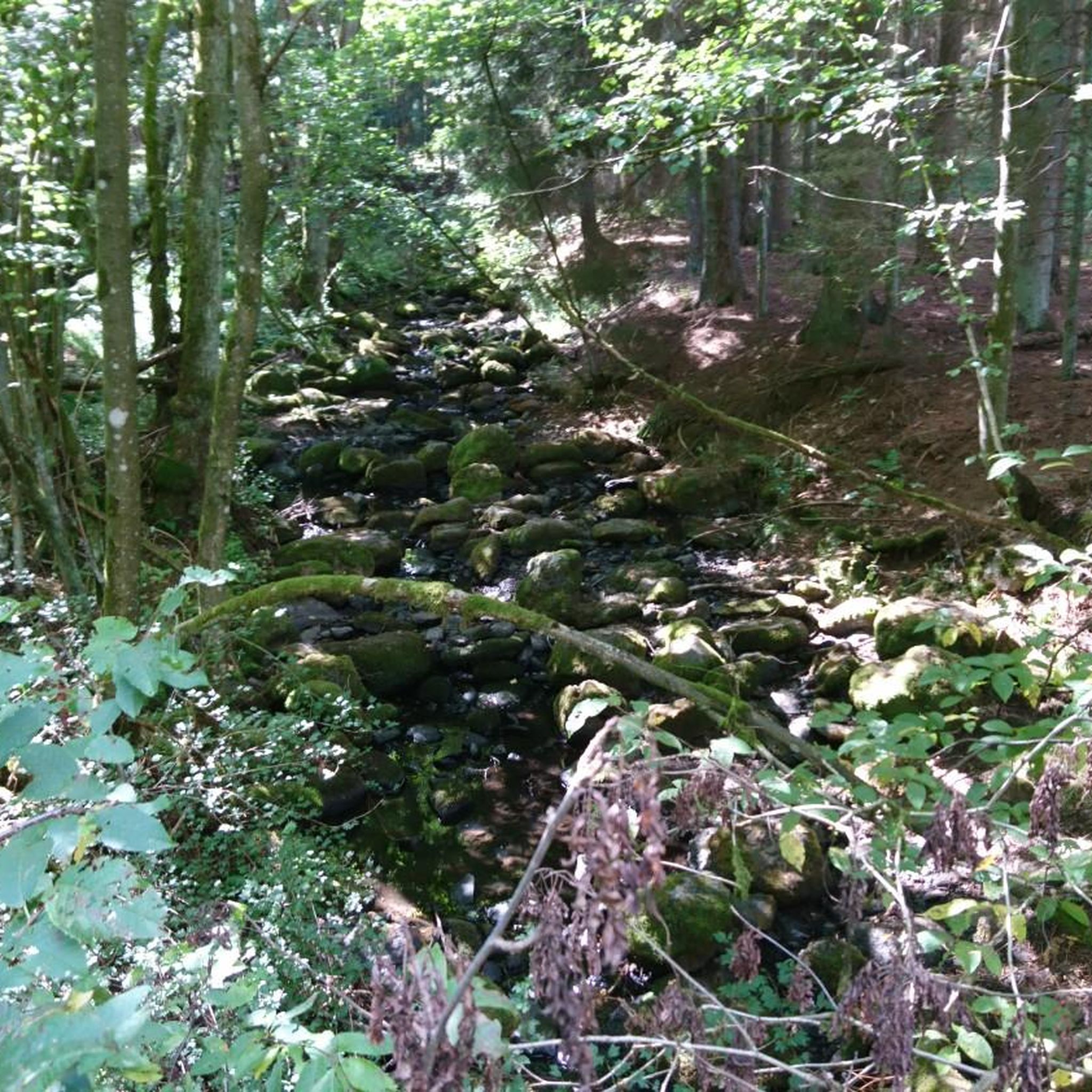
Vaux s/ Mer 중심부로 이어지는 작고 예쁜 공원이며, 어른과 아이 모두를 위한 장비가 매우 풍부한 스포츠 공원이 있습니다.
0
0

1955년부터 건축되어 1958년에 축성된 노트르담 드 로앙 교회는 다시 한번 똑바로 서고 자랑스러운 도시를 상징합니다. 철근 콘크리트 구조물은 1940년대 세계가 겪었던 슬픈 사건 이후 성스러운 예술의 부흥이라는 일반적인 흐름에 속합니다. 오늘날 이 건물은 현대 건축의 위업이자 걸작으로 여겨집니다. "이 콘크리트 대성당에 들어서면서, 침묵하라. 이곳의 모든 것은 열정, 엄격함, 거침, 금욕적인 아름다움이다. 희미한 빛은 바다처럼 변덕스럽고 끊임없이 변하지만, 잡을 수 없는 신성한 것을 노래한다." ANDRÉ MALRAUX 문화부 장관 (1958-1969)
1
0

📍 Origins and Beginnings The tradition of games and entertainment in Pontaillac dates back to the late 19th century, with gambling clubs such as the Kursaal (around 1880) and the Otrada (1892). These establishments preceded the current casino and catered to a seaside and aristocratic clientele; they combined games, cafes, and entertainment on the beach. In 1902, La Restauration was built in Pontaillac, on the site of various games and entertainment venues. It served as a cafe-restaurant but also attracted gambling enthusiasts, such as horse racing. 🎲 Construction of the Sporting/Casino (1930s) In the 1930s, La Restauration was replaced by a new building called the Sporting, designed by the architect Auguste Bluysen, a specialist in modern casinos of the time. Built of concrete on stilts directly on Pontaillac beach, the building features a rationalist and Art Deco architecture typical of the interwar period, sometimes surprising with its style reminiscent of the 1950s. 🪖 World War II During World War II, the Sporting remained open, primarily serving German soldiers. During the massive bombings of 1945, which destroyed much of Royan, the Pontaillac casino was one of the few to survive, as it was virtually untouched by the raids. 🎭 Post-War and Golden Age After the war, the casino became a central hub of Royan's social life. It reopened in 1948, and the 1950s and 60s constituted a cultural golden age, with a rich program of shows, concerts, dances, and galas. Under the leadership of its "musician-director" Roger Genty, major French and international stars performed on its stage: Josephine Baker, Jacques Brel, Sacha Distel, Georges Brassens, Fernand Raynaud, Henri Salvador, and others. 🎰 Contemporary Era In 1986, the casino was acquired by the Lucien Barrière group, which expanded its operations by modernizing the gaming areas, adding slot machines, a bar, restaurants, and other services, while maintaining its role as a year-round entertainment hub. Today, the Casino Barrière in Royan-Pontaillac is the only casino still operating in the Royan area, bearing witness to more than a century of seaside history, gaming, and entertainment.
0
0
The Church of the Assumption of Our Lady, also known as the Pontaillac Chapel, is a small 19th-century chapel built to serve the parishioners of the Pontaillac seaside district. Replaced around 1890 by a larger chapel (Our Lady of the Angels), it was deconsecrated and converted into a private residence, while retaining its heritage exterior: a discreet yet significant witness to the religious and urban history of Royan and its beaches. 📍 Location and context • The building is located on Boulevard de la Falaise in Royan, facing the ocean, in the Pontaillac/Vaux-sur-Mer district, right on the beach. 🏛️ Origins and Religious History 🛠️ Construction • Faced with the rise of seaside tourism in the mid-19th century, the Catholic community of Pontaillac wanted a place of worship near the beaches and the developing villas. • After disagreements with the parish priest of Royan regarding the location of a church, parishioners had this small Neo-Romanesque/Neo-Gothic chapel built in 1870 on the cliff, then administratively within the territory of Vaux-sur-Mer (and therefore outside the parish jurisdiction of Royan). 🙏 Liturgical Role and Replacement • For a few years, it served as the local place of worship for the faithful of the seaside district. • With the development of Pontaillac, the building proved too small and too far from the town center. • Thus, the construction of the larger Notre-Dame-des-Anges Chapel (still a Catholic chapel today) in the center of Pontaillac in 1891 eventually replaced this first place of worship. 🏗️ Deconsecration and Transformation 🏡 End of Religious Function • Once the new chapel (Notre-Dame-des-Anges) was built, the old chapel on the cliff gradually lost its religious function and ceased to be used for regular services. 🏠 Conversion into a Private Residence • The building was then deconsecrated (that is, removed from official Catholic worship) and transformed into a private residence. • Today, while the exterior still reflects its original function with its simple and traditional architecture, the interior has been adapted for residential use, having lost its liturgical purpose. 🗺️ Architecture and Style 🧱 Original Style The chapel features modest architecture, typical of small rural/seaside chapels of the 19th century: simple volumes, use of local materials, and small proportions suited to a limited community. • In the Neo-Gothic style, it forms a single nave of five bays, lit by a series of round-arched windows. • The façade, pierced by a rose window, is flanked by two buttresses and surmounted by a simple stone cross. 🏖️ Landscape Setting • Perched on the cliff above the beach, the building formerly offered worshippers a direct view of the ocean, a setting very characteristic of seaside chapels on the Atlantic coast. 📌 Historical and Heritage Significance • The former chapel illustrates the beginnings of organized religious life in Pontaillac before the growth and complete urban development of the area. • It is an architectural and historical testament to the first phase of the local community's development, before the construction of larger buildings in the town center. • Its conversion into a residence reflects the evolving uses of religious heritage in areas where the population and needs have changed over time.
0
0
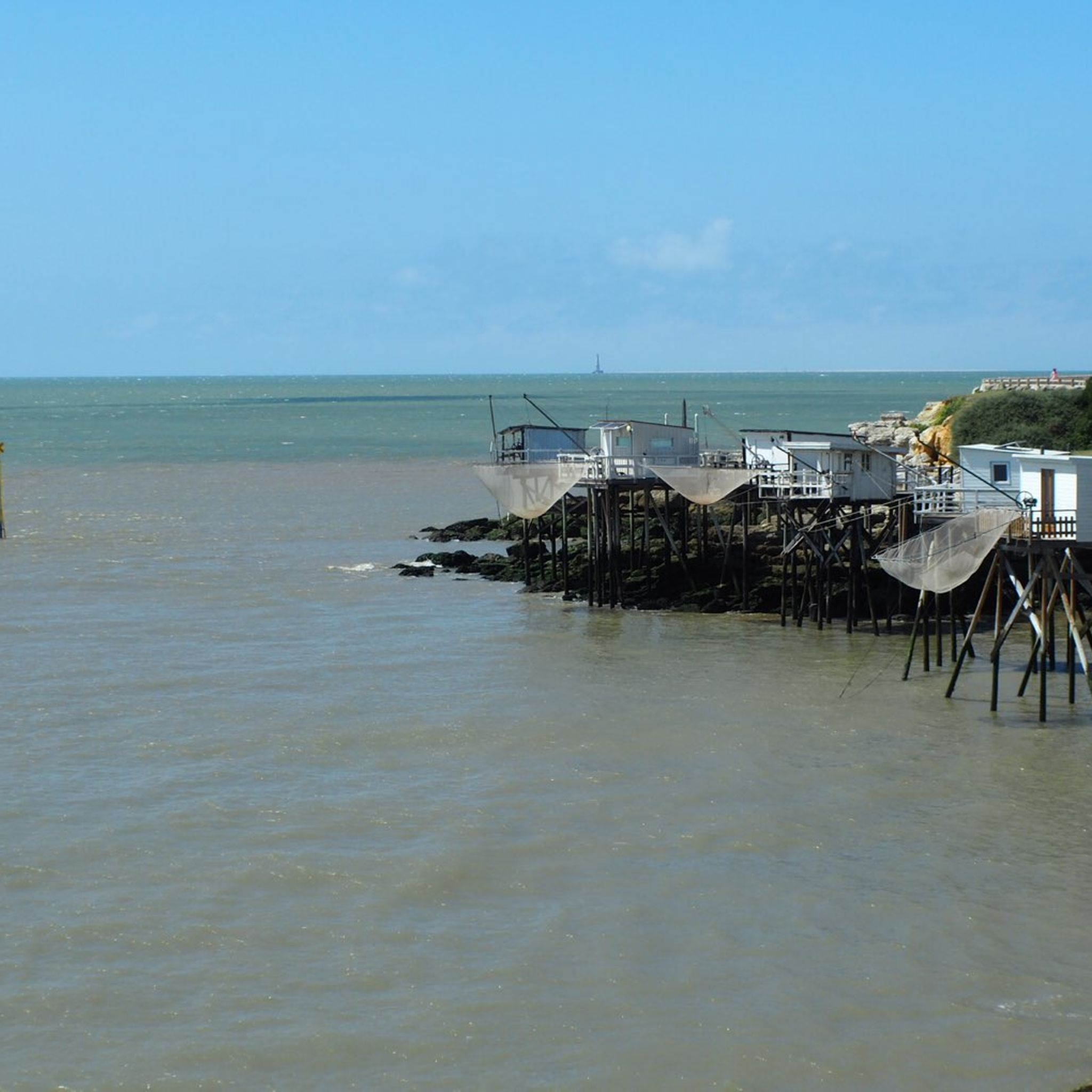
📍 Location Dr. Guillon's bathtubs are located along the Boulevard de la Côte d’Argent / Corniche de Pontaillac (between Royan and Vaux-sur-Mer), carved into the rocks of the Pontaillac cove facing the sea. They are still visible today, especially at low tide. 👨⚕️ Origin and Historical Context 📜 Dr. Frédéric-Auguste Guillon Frédéric-Auguste Guillon (1808-1890) was a physician, former naval surgeon, then a local councilor and practicing doctor in Royan. He contributed to the development of seawater therapy and thalassotherapy (treatments using seawater) on the Atlantic coast in the 19th century, a time when sea bathing was prescribed for health reasons. 🏖️ Construction of the "Bathtubs" In 1872, Dr. Guillon had a series of pools and bathtubs carved directly into the rocks of Bec des Brandes in Pontaillac. These pools were filled with seawater heated by the sun between tides. The aim was to offer natural therapeutic baths, particularly for treating scrofula, a chronic lymphatic and skin condition common at the time. 🛁 Description of the Facilities The facilities included: A large natural pool carved into the rock, Two large pools, Three individual bathtubs carved into the cliff face, which were filled with seawater at each tide. These structures provided access to seawater baths without having to directly face the currents or the depths of the ocean – a hygienic and medical approach ahead of its time. 🩺 Therapeutic Purpose At the time: Sea bathing was considered beneficial to health, improving circulation, treating chronic infections, and promoting overall well-being. Dr. Guillon's baths constituted an early form of thalassotherapy, combining the effects of seawater, sea air, and sunlight. 🌊 Heritage and Current Visibility Although the facilities are no longer used as treatment centers, the baths remain visible today on the rocks of Pontaillac, particularly at low tide. A tourist information panel installed by the city of Royan explains their origin and historical significance.
0
0
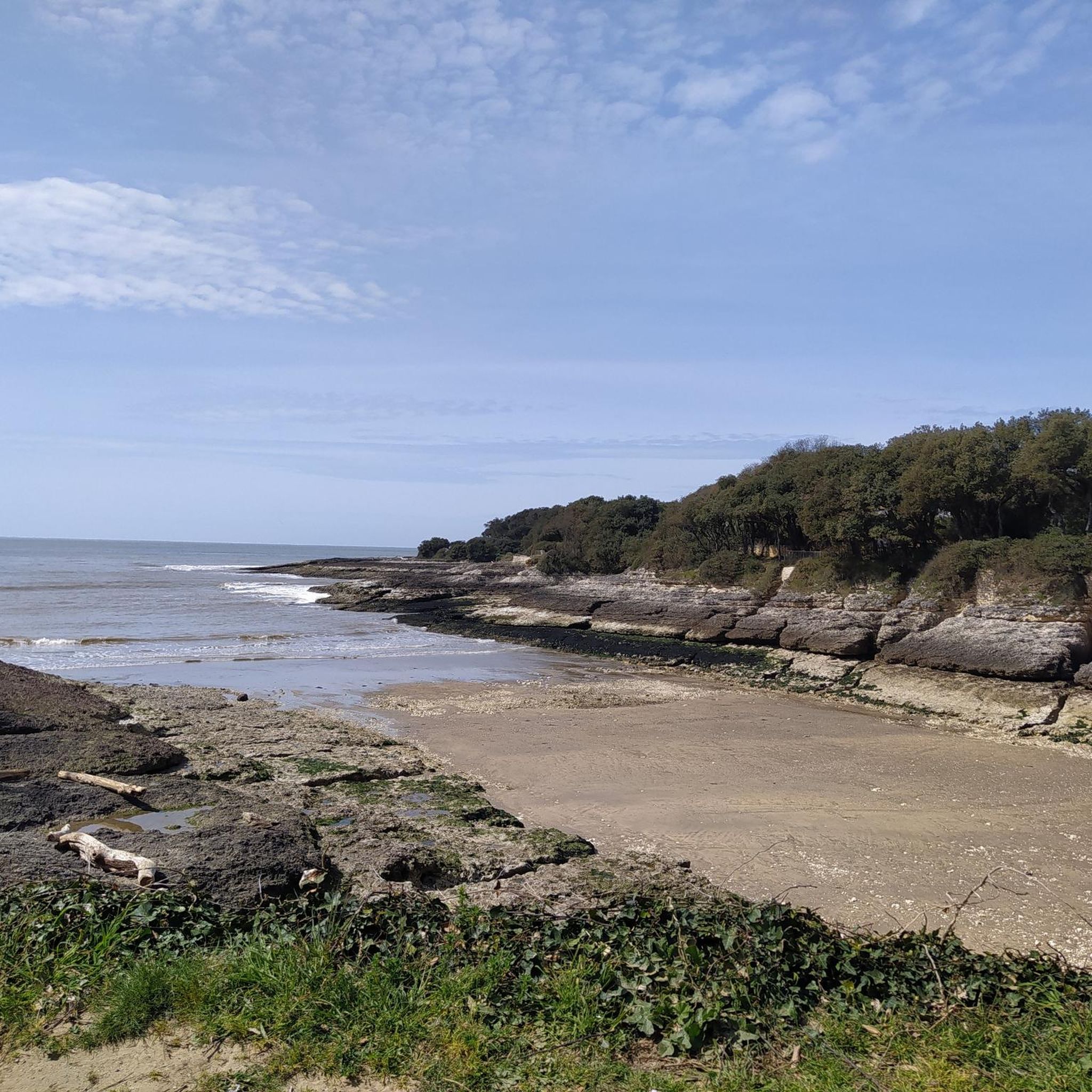
📍 Introducing the Gilet Cove The Gilet Cove is a small, natural beach on the oceanfront, located on Boulevard de la Conche de Gilet / Boulevard de la Falaise, in the town of Vaux-sur-Mer, just before Royan. 🌿 It's a sheltered, rocky cove, appreciated for its tranquility and more intimate setting compared to the larger urban beaches nearby. 🏖️ At high tide, the sea can completely cover this small beach, making the space very limited; at low tide, you can enjoy a patch of sand and rocks for relaxing or swimming. 🧭 Features & Tips 📍 Type of place: small, unsupervised beach, nestled among the rocks with sand and cliffs. 🏖️ Tides: access is best at low tide — at high tide the beach can disappear underwater. 🐶 Animals: prohibited from April 1st to September 30th (subject to municipal regulations). 👣 Access: via stairs from the boulevard above, surrounded by villas with sea views. 🚫 Lifeguard services: no lifeguard station or marked services. 📍 Location La Conche de Gilet is often considered the last small beach in Vaux-sur-Mer before reaching Royan/Pontaillac when following the coastline from Saint-Palais-sur-Mer.
0
0
🏖️ General Overview Chay Beach is a family-friendly, fine sandy beach located in Royan (Charente-Maritime), on the Côte d’Argent promenade between Pigeonnier Beach and Pointe du Chay. It stretches for approximately 200 meters and boasts a pleasant natural setting, with a cove bordered by rocks typical of the Charente coastline. 🏝️ Features • 🌊 Beach type: fine sand, sheltered cove. • 🏄♂️ Atmosphere: relatively calm and family-friendly, ideal for children and vacationers seeking relaxation away from the large urban beaches. • 🐾 Pets: prohibited from April 1st to September 30th. • 🫧 Water quality: excellent (Blue Flag label awarded for 2025). 🧭 Lifeguard and Safety • Swimming is supervised during the season (June to early September), with areas marked by red and yellow flags. • The area is classified as a Category 3 "Supervised Beach" and lifeguards are present during the indicated hours. 🪑 Amenities On-site, you can find: • 🏖️ Sun loungers, parasols, and mattresses for rent. • 🚿 Foot rinse and public restrooms. • 📶 Wi-Fi access, first aid station, and an area accessible to people with reduced mobility (assistance may be required depending on the slope). • 🍴 Beachfront restaurant ("Le Chay" bar-restaurant with sea views). 🚶♂️ Atmosphere and Activities • 🎈 Ideal for families and leisurely strolls. • 🌞 People come here for swimming, playing on the sand, flying kites, or simply relaxing by the ocean. • 🅿️ Parking is available nearby, and the beach is easily accessible on foot or by bike from Royan town center in just a few minutes. 🧭 Practical Tips • 📆 Best time to visit: summer for supervised swimming and full services, but also during the off-season for a more peaceful atmosphere. • ☀️ Arriving early in the morning makes parking easier during peak season. • 🐶 Dogs are not allowed during the summer season; check the signs on site during the off-season.
0
0

복쉬르메르 주변에서 가장 인기 있는 명소


더 살펴보기
다른 지역의 최고의 하이킹를 살펴보세요.
