복쉬르메르 최고의 MTB 라이딩 경로
4.4
(456)
2,088
자전거 타는 사람
97
라이딩
복쉬르메르에 있는 멋진 산악자전거 라이딩 경로를 따라 어디로 가 볼까요? 복쉬르메르에 있는 MTB 경로 컬렉션 중에서 가장 멋진 장소를 아래에서 살펴보세요.
마지막 업데이트: 8월 21, 2026
4.5
(39)
207
자전거 타는 사람
보통 산악 자전거 타기. 좋은 체력 필요. 실력과 관계없이 누구나 갈 수 있음.
4.5
(15)
44
자전거 타는 사람
32.1km
01:56
120m
120m
초급용 산악자전거 라이딩. 모든 체력 수준에 적합. 실력과 관계없이 누구나 갈 수 있음.

무료 회원 가입
4.5
(6)
19
자전거 타는 사람
32.5km
02:11
160m
160m
보통 산악 자전거 타기. 좋은 체력 필요. 뛰어난 라이딩 실력이 필요함.
5.0
(1)
5
자전거 타는 사람
42.6km
02:39
210m
220m
보통 산악 자전거 타기. 좋은 체력 필요. 실력과 관계없이 누구나 갈 수 있음.
4.3
(7)
12
자전거 타는 사람
35.6km
02:21
210m
210m
보통 산악 자전거 타기. 좋은 체력 필요. 뛰어난 라이딩 실력이 필요함.
더 다양한 경로와 다른 탐험가들의 추천을 살펴보세요.
무료 회원 가입
이미 komoot 계정이 있나요?
투어 추천은 다른 사람들이 komoot에서 완료한 수천 개의 활동을 바탕으로 구성되어 있습니다.
오늘 무료 계정으로 시작하세요
다음 모험이 기다리고 있어요.
로그인 또는 가입하기

커뮤니티 팁

모르낙의 시장 건물은 중세 시대에 처음 등장했습니다. 1664년에야 비로소 그 존재를 증명하는 최초의 서면 증거가 나타났습니다. 이 건물들은 아마도 더 오래되었을 것이며 1550년대에 지어졌을 수 있습니다. 시장은 일반적으로 돌기둥으로 지지되고 타일로 덮인 목조 구조물입니다. 코즈와 피자니의 시장과 마찬가지로 종교 전쟁의 우여곡절을 겪고 손상되거나 파괴되었다가 평화가 회복된 후 재건되었을 것으로 추정할 수 있습니다. 모르낙 시장 건물의 위치는 유명한 박람회 장소였으며 주민들이 영주에게 지불하는 권리를 대가로 상품을 판매할 수 있도록 했습니다. 이는 영주에게 중요한 수입원이자 시장 건물을 완벽한 상태로 유지해야 하는 의무를 부과했습니다. 영주와 판매자를 구속하는 행위는 해당 시장 건물의 상품 판매 및 유지 보수 권리를 명시하는 계약을 봉인했습니다.
0
0

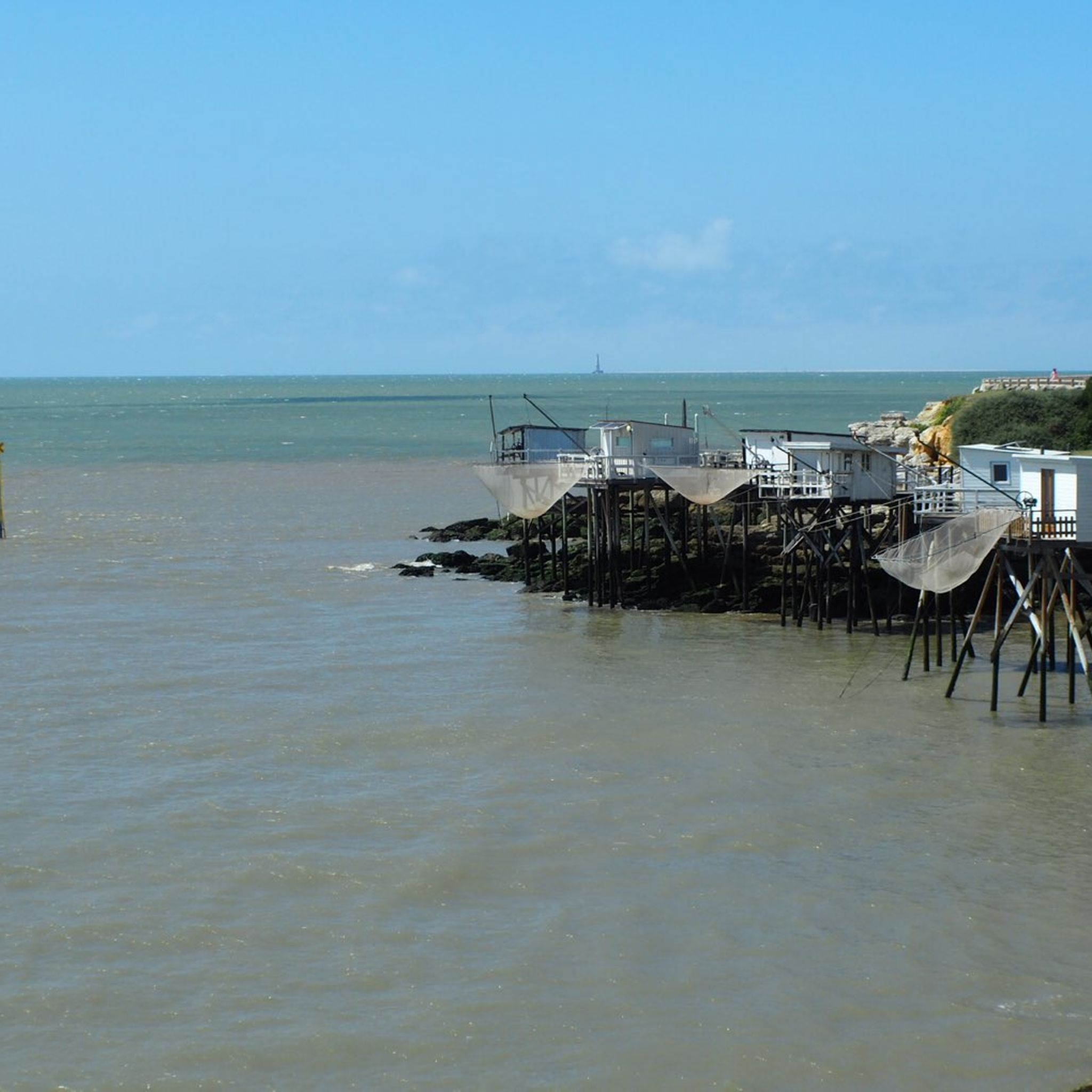
Gironde 강어귀의 남쪽 통로를 표시하고 위험한 모래톱인 la barre à l'Anglais의 존재를 알리기 위해 St-Palais-sur-Mer 지역의 Terre-Nègre 곶에 위치하고 있습니다.
0
0

Here you'll find a romantic little lighthouse, and behind it lies a garden with a bench overlooking the sea, a lovely place to stop for a break. Afterwards, you can continue along the cliff to the right until you reach Euro Velo 1 again.
0
0

Easily accessible place, only the last meters are prohibited for cyclists.
0
0

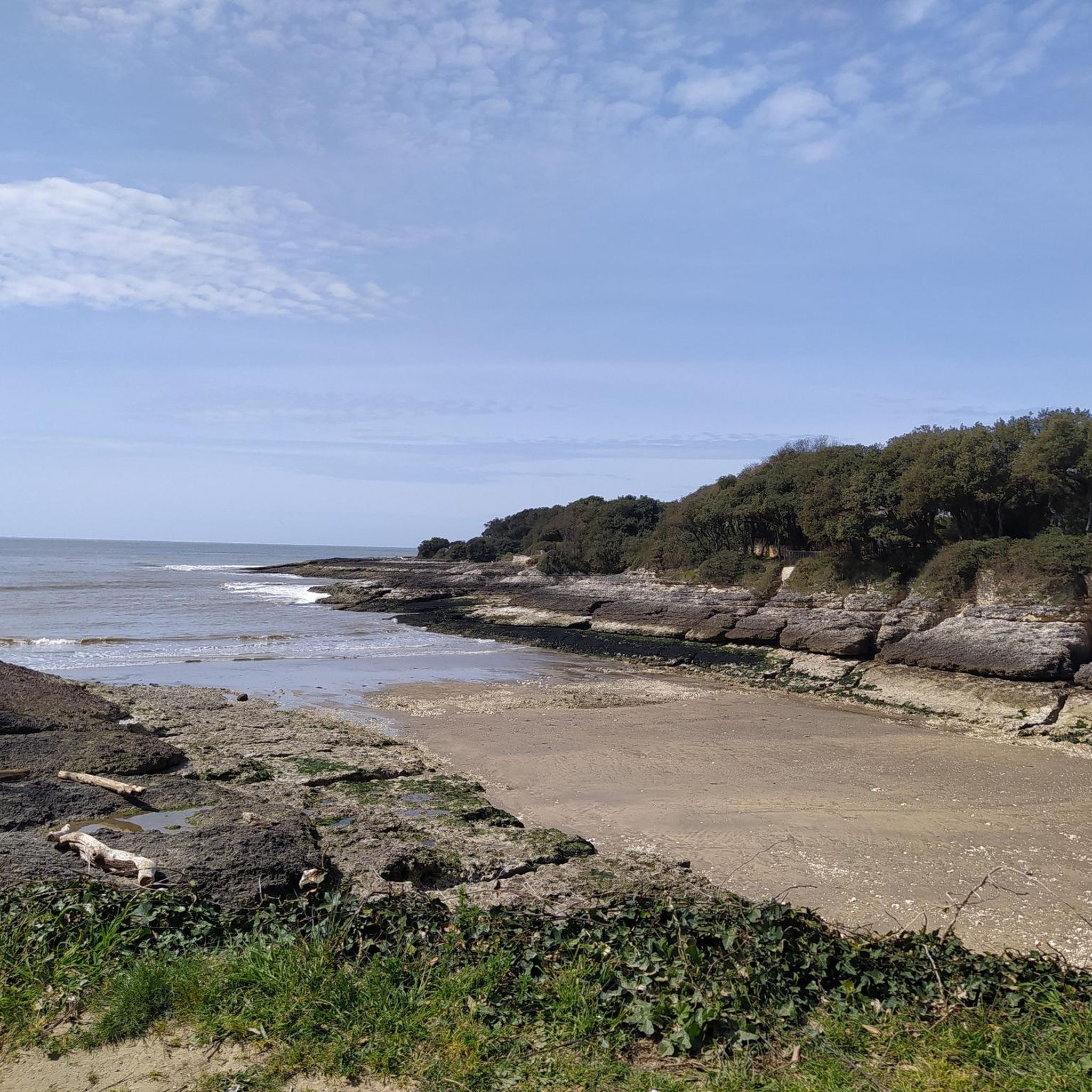
The tides are constantly changing the landscape.
0
0

The Terre-Nègre lighthouse is a landmark forming a cylindrical tower a little over 26 meters high. Located on the tip of Terre-Nègre, in the commune of Saint-Palais-sur-Mer, in Charente-Maritime, it is intended to mark the southern pass of the Gironde estuary and to signal the presence of a dangerous sandbank, the "Anglais bar". This building forms a tower-column 3.16 meters in diameter and 26.60 meters high. A spiral staircase with a central core of 143 steps leads to a summit platform equipped with a directional light. The tower is painted in two different colors to make it more visible: the upper part is red, the lower part is white. The base of the lighthouse is hidden by a building that once served as the keeper's accommodation. The installation of a beacon at this location was considered as early as 1763. De Kearney took over the beaconing plan four years later. Construction work on the tower began in 1770 and was completed in 1773, probably under the supervision of the Bordeaux engineer Claude Tardy. In 1807, the tower was raised. However, this work was considered insufficient by some of the estuary's navigators. In 1834, sailors from the nearby port of Royan sent a request to the Ministry of the Navy to study the possibility of equipping the tower with a light. However, this request was postponed the following year due to lack of sufficient funds. A new request from sailors prompted the lighthouse commission to experiment with a first light in 1836. Finally, on October 15, 1838, a fixed white 4th order light was permanently installed. The latter was replaced in 1856 by a fixed white light of the 4th order of a small dioptric model with a reinforced sector of the 5th order catoptric. It was equipped with new lights in 1899 and 1904. In 1939, it was electrified. During the German occupation, the lighthouse served as an observatory for the soldiers of the Wehrmacht. Damaged during the fighting of 1945 (presence of breaches at the top of the tower), it was restored in the immediate post-war period. In March 1947, the lighthouse was operational again. A light with 3 occultations — changing every 12 seconds — was installed. Its colors are white, red and green. Its current range is 18 miles. Listed as a Historic Monument since 2011, the lighthouse is not open to visitors. However, it can be admired from the outside and a pretty passage provides direct access to the coastal path.
0
0
The SAINT-PIERRE church dominates the village from its fortified bell tower. Original in many ways, the Romanesque building houses a holy water font made of a real shell. From the side, you reach the small garden of the chevet, well hidden. Stone sarcophagi (Merovingian or Carolingian depending on the source) bear witness to the archaeological excavations that the church has undergone. There are many stories in Mornac but that of the fire of August 2, 1943 marked the identity of the village. Indeed, the bell tower has not always had this appearance. It had the more traditional shape of a spire until lightning struck it. Many young students come to Mornac-sur-Seudre to participate in the clearing and the excavations that follow. Seduced by the local atmosphere, many of them stayed and opened the first craft workshops in the village, some of which are still present, such as pottery and leather.
0
0
복쉬르메르 주변에서 가장 인기 있는 명소


더 살펴보기
다른 지역의 최고의 MTB 트레일를 살펴보세요.
