20의 뢰크니츠가지 명소 & 주요 장소
뢰크니츠에는 둘러볼 만한 장소가 많답니다. 하이킹 또는 사이클링을 좋아한다면 뢰크니츠에 숨겨진 20
가지 보석을 만날 수 있을 거예요. 이 지역의 주요 명소를 살펴보면서 다음 모험을 계획해보세요.
마지막 업데이트: 10월 23, 2026
블랑켄제-북 국경 횡단
하이라이트 • 휴식 공간
번역자 Google •
팁에 의해


이런 장소를 발견하려면 지금 가입하세요
최고의 싱글 트랙, 봉우리 및 다양한 흥미로운 야외 장소에 대한 추천을 받아보세요.
Buk 휴게소 및 자전거 수리소
하이라이트 • 휴식 공간
번역자 Google •
팁에 의해


오늘 무료 계정으로 시작하세요
다음 모험이 기다리고 있어요.

커뮤니티 팁

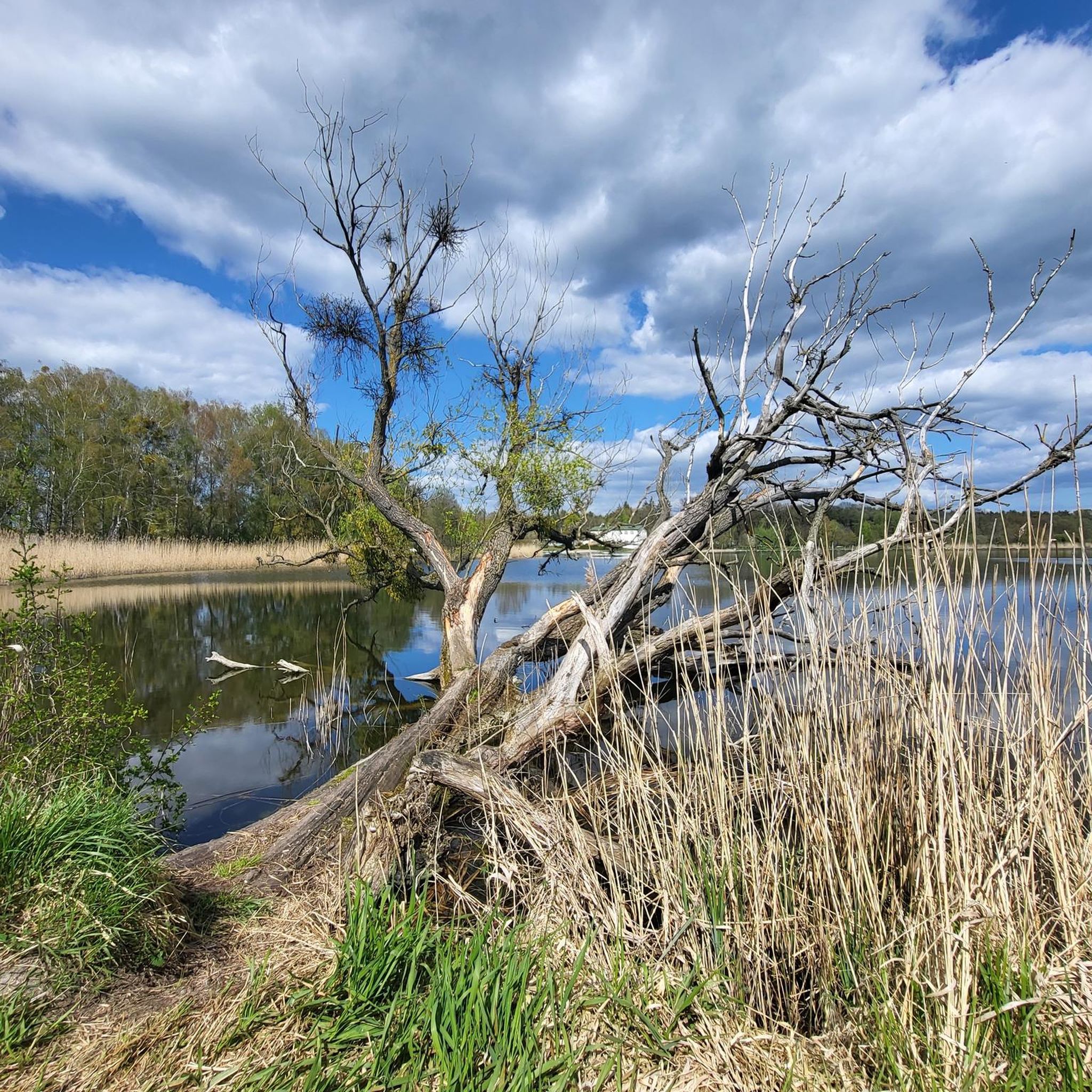
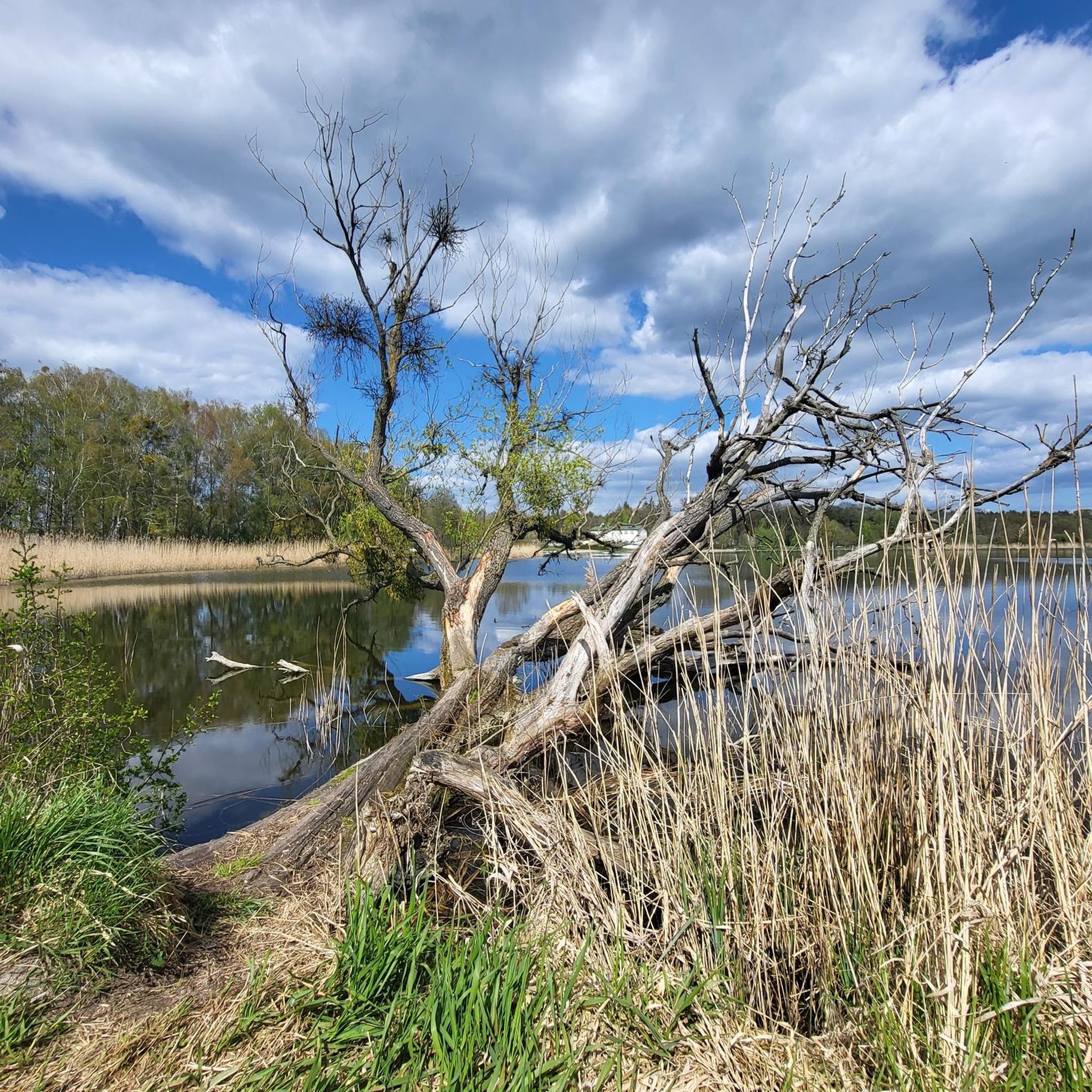
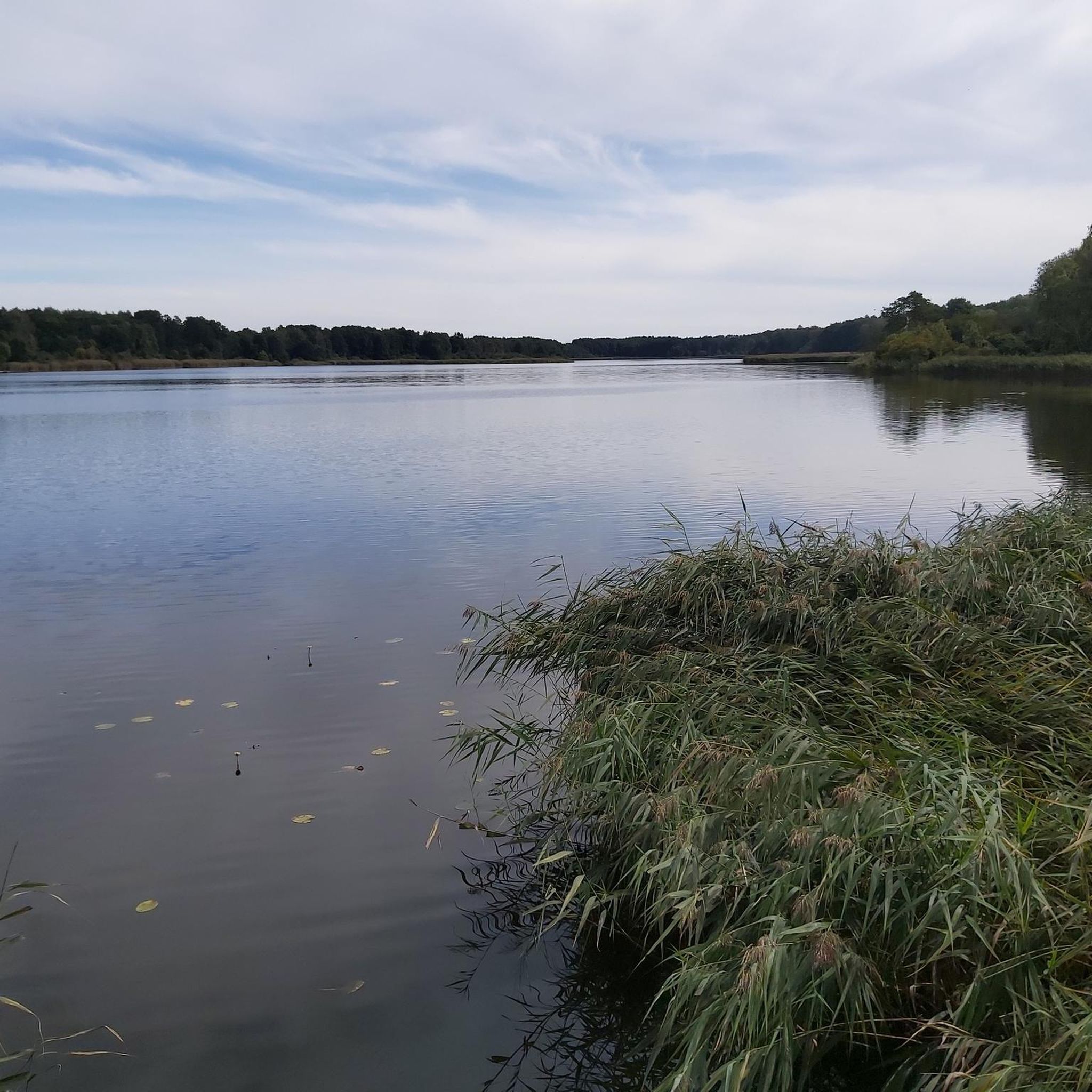
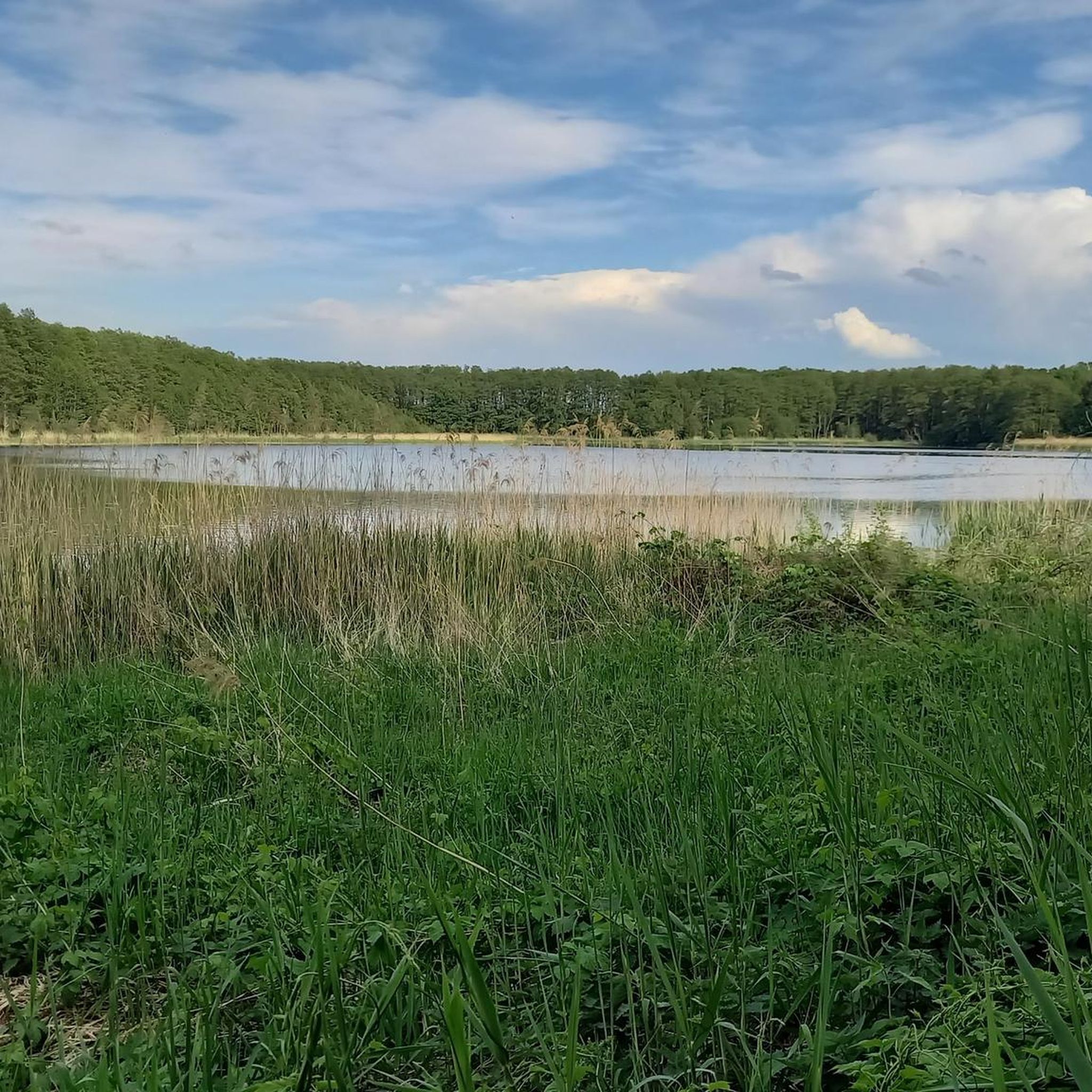
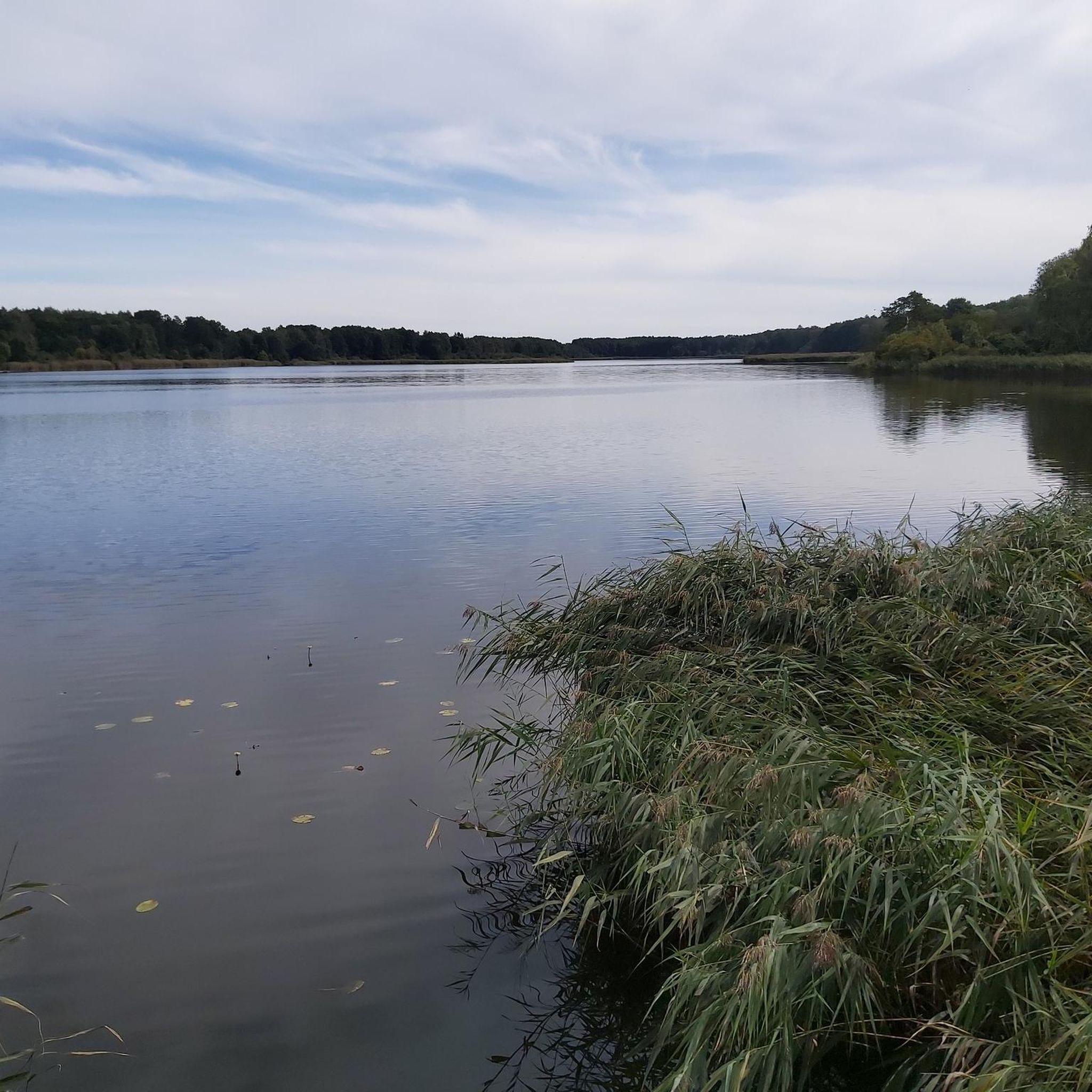
야외 수영장, 보트 대여, 다이빙 타워가 있는 정말 아름다운 수영 호수입니다. 여름에는 붐비는 발트해 해변을 원하지 않는 모든 사람들에게 핫플레이스입니다. 바로 옆에는 „Haus am See“ 호텔이 있습니다. 저녁에 베란다에 앉아 맥주를 마시며 모기가 물어뜯는 것을 구경하기에 완벽합니다.
0
0


Very pretty to look at but unfortunately inaccessible behind a fence.
0
0

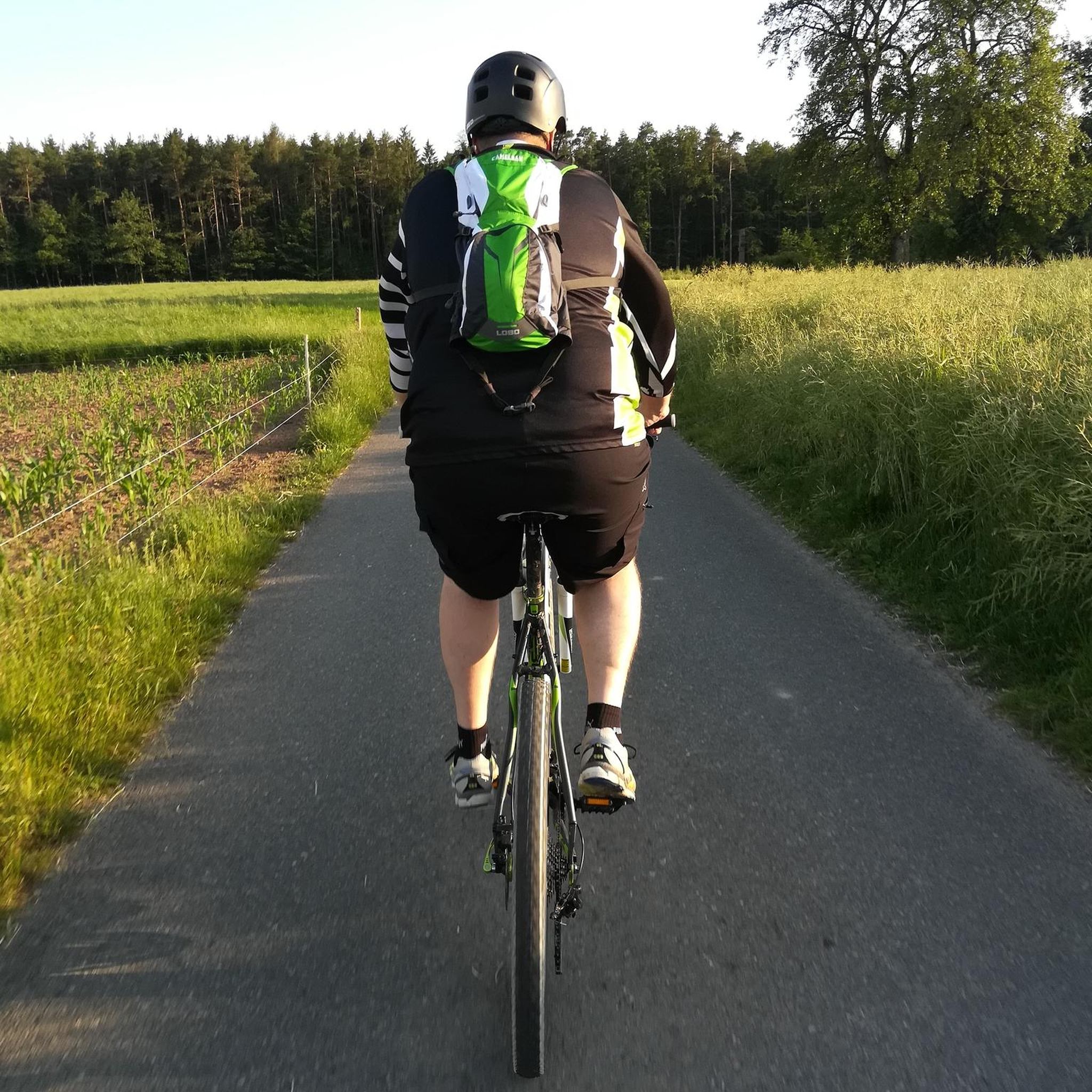
Nice lake. You can visit the swimming pool in the summer season, cycle around it from spring to autumn, and walk around it all year round. there is a restaurant by the beach
0
0

The history of the city dates back to 1127, when the Slavs built a defensive stronghold in the Randow River valley. The first mention of a defensive structure in Löcknitz dates back to 1212, and in 1242 a bridge was built in place of the ford. For years, the border between Pomerania and Brandenburg running through here justifies the fortified character of the town. Once Löcknitz belonged to the Pomeranian princes, once to the Branderburgians. In the book Medieval Castles of Western Pomerania, Zbigniew Radacki wrote that the stronghold belonged to the bishops of Kamień. In 1280, a document on the division of the Kołobrzeg land was signed in the "castrum Lokenitz". In 1390, Bishop Filip von Rehberg renounced the castle to the princes of Szczecin, who gave it to the Wusses, knights from Lębork, "hus civitas i terra Lockenitze" for 3,000 marks towards the debt. Around 1400, the stronghold received a brick form, and in 1479 it came into the possession of the Schulenburg family. Then the place was rebuilt many times, in the mid-16th century it was converted into a Renaissance-style manor house. It lost its strategic importance in 1720 after the annexation of Brandenburg and Pomerania to Prussia.
2
0
Directly on the shore of Lake Lebehner See, a new representative manor house was built between 1907 and 1912, commissioned by the Cologne cement manufacturer Carl Königs and his wife Ursula, née von Dewitz. The old manor house then served as the estate manager's house. The previous owners of the Königs, who owned the estate from 1905 until the expropriation in 1945, were the Brandeck-Nadrense families, who sold it to the von Ramin family, who in turn sold it to the Gamp brothers. After 1945, both houses were initially used as refugee accommodation, and later also for municipal purposes and rural consumption. Today they are private property. The renovation of the manor house has started.
3
0
Directly on the shores of Lake Lebehner See, a new, stately manor house was built between 1907 and 1912 by Cologne cement manufacturer Carl Königs and his wife Ursula, née von Dewitz. At the time, the old manor house served as the estate manager's home. The Königs' previous owners, who owned the estate from 1905 until its expropriation in 1945, were the Brandeck-Nadrense family, who sold it to the von Ramin family, who in turn sold it to the Gamp brothers. After 1945, both houses initially served as refugee quarters, and later also for communal purposes and rural consumption. Today, they are privately owned. Renovation of the manor house has begun.
2
1
뢰크니츠 주변에서 가장 인기 있는 명소


더 살펴보기
찾고 있는 하이라이트를 아직 못 찾으셨나요? 다른 지역의 주요 명소 가이드를 확인해보세요:
