20의 배드 로닥가지 명소 & 주요 장소
배드 로닥에는 둘러볼 만한 장소가 많답니다. 하이킹 또는 사이클링을 좋아한다면 배드 로닥에 숨겨진 20
가지 보석을 만날 수 있을 거예요. 이 지역의 주요 명소를 살펴보면서 다음 모험을 계획해보세요.
마지막 업데이트: 10월 23, 2026

코부르크 시장 광장
하이라이트 • 역사적 장소
번역자 Google •
팁에 의해

이런 장소를 발견하려면 지금 가입하세요
최고의 싱글 트랙, 봉우리 및 다양한 흥미로운 야외 장소에 대한 추천을 받아보세요.


골드베르크제(코부르거 메어)
하이라이트 • 호수
번역자 Google •
팁에 의해

무료로 가입하여 배드 로닥 주변의 더 많은 명소를 발견하세요.
이미 komoot 계정이 있나요?
오늘 무료 계정으로 시작하세요
다음 모험이 기다리고 있어요.

커뮤니티 팁

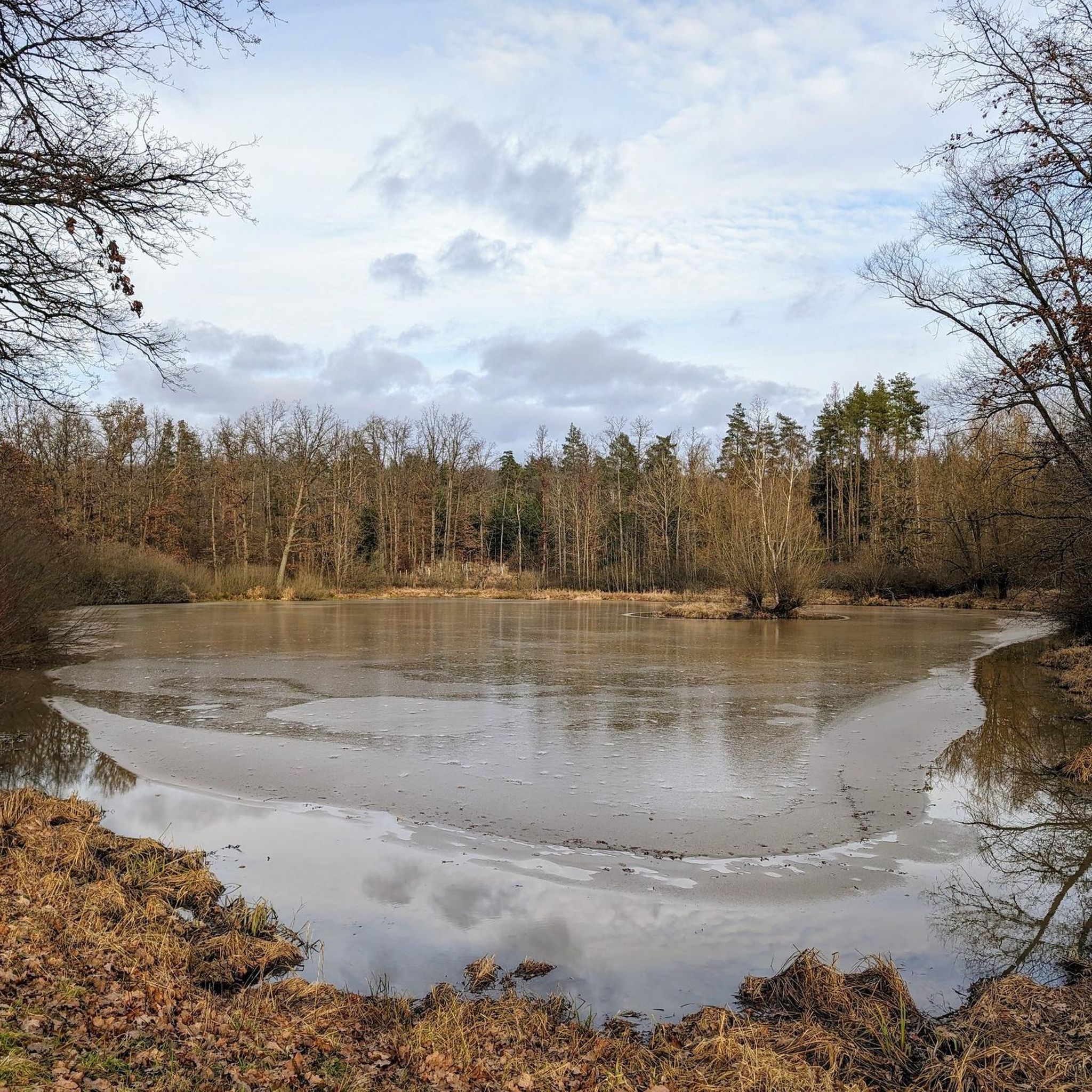
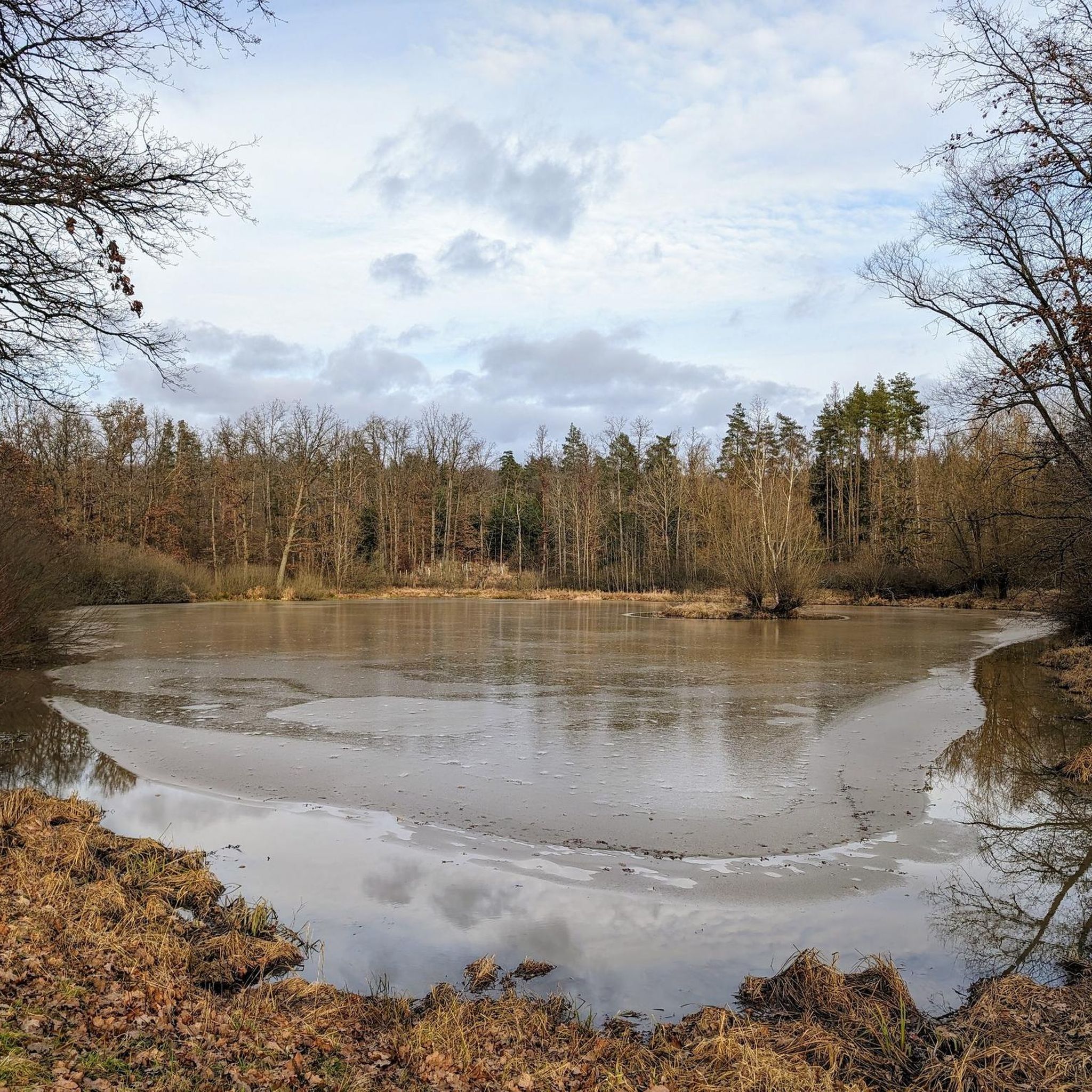
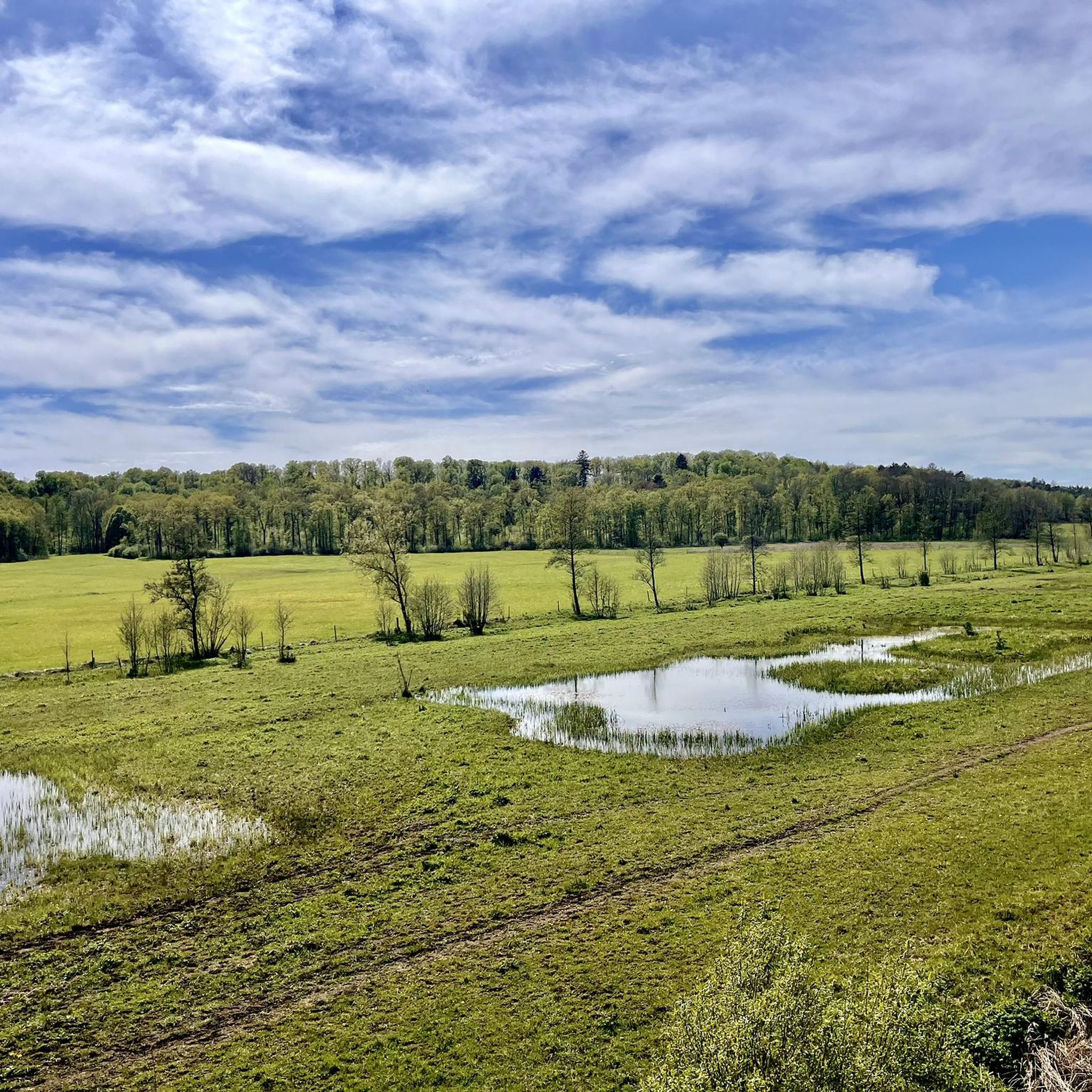
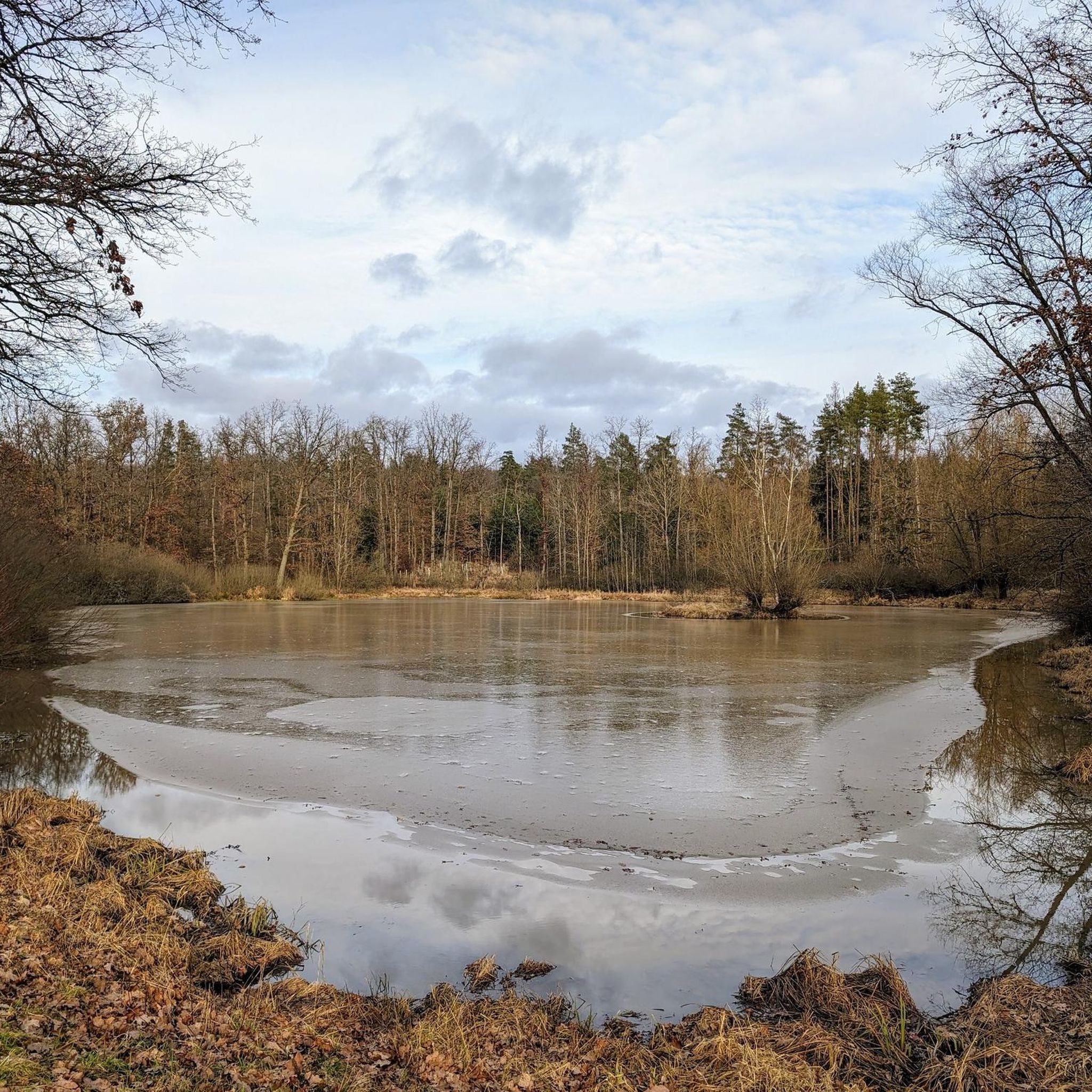
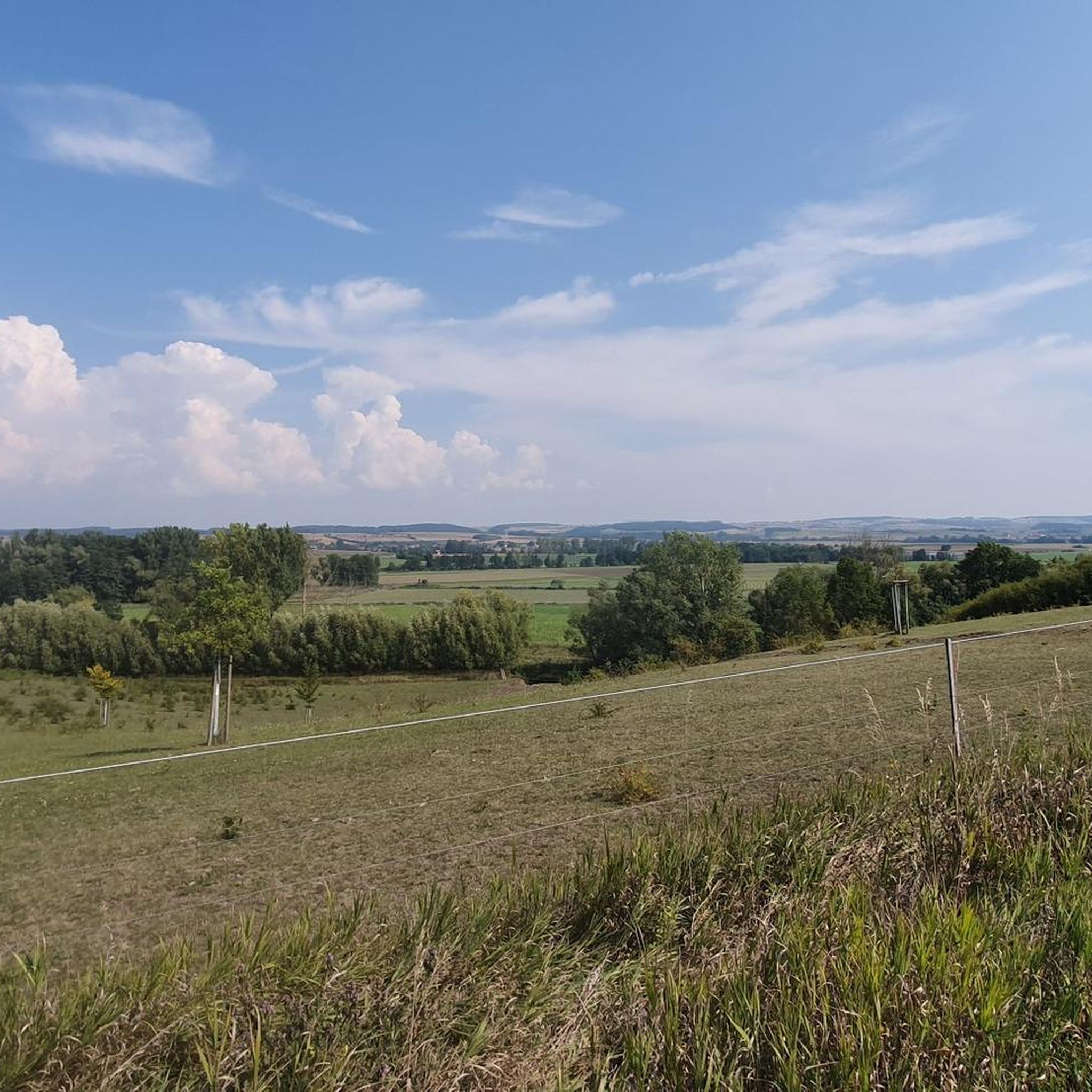
Goldbergsee, a 145-hectare reservoir, was originally created as a flood control basin. Today, it is one of the most popular recreational areas in Coburg. The lake was created at the end of 2010. Since then, it has become a popular destination for day trips. The idyllic surroundings offer beautiful views of the majestic Callenberg Castle, which overlooks the lake, and the Glender Wiesen bird sanctuary.
19
0

The monument shows the prince consort in the robes of a Knight of the Trouser Order. In his hands he holds the blueprint of London's Crystal Palace, a building he designed himself for the first World Exhibition in London in 1851, and a marshal's baton. The larger-than-life statue, cast in bronze, was made based on a model by the English sculptor William Theed the Younger. Source: https://www.touren-lutherland-thueringen.de/mobile/de/punkt/denkmal/prinz-albert-denkmal/19383999/
11
2
첫 번째 층의 무도회장 위에는 똑같이 큰 홀이 있었습니다. 그곳의 들보 천장은 오늘날에도 세 개의 회전식 나무 기둥 위에 놓여 있습니다. 이곳은 시민들의 자랑이었으며 도시의 대표적인 연회 공간으로 여겨졌습니다. 벽에는 역대 모든 시장들의 초상화가 장식되어 있었습니다. 이곳에서는 부유한 시민들의 결혼식이 거행되었고 온갖 종류의 '춤추는 즐거움'과 '연회'가 열렸습니다. 군주들도 기꺼이 이 축제에 대한 도시의 초청에 응했습니다.
10
1
코부르크 시청에 대한 가장 오래된 기록은 14세기 마지막 10년에서 나옵니다. 1405년과 1407년에는 교회 뜰에 있는 시청이 언급되었고, 1414년에는 시장에 있는 "새로운 시청"이 언급되었습니다. 시청은 과거에 도시의 영주에 대한 정치적, 경제적 독립을 상징했습니다. 이 독립은 14세기에 코부르크 주민들이 쟁취한 것이었습니다. 이미 1324년에 도시는 세금을 징수할 권리를 가졌고, 1331년에는 확장된 도시 권리가 뒤따랐습니다. 따라서 이러한 권리와 자유를 집행할 수 있는 당국도 필요했습니다. 6명의 위원으로 구성된 의회는 1343년에 처음으로 언급되었습니다. 늦어도 1351년부터 이 의회는 시장을 선출했습니다. 이 시기에 첫 번째 시청이 모리츠 교회 옆에 세워졌을 것으로 추정됩니다. 현재의 시청은 1414년에 새로 조성된 시장에 마련되었습니다. 높은 경사 지붕과 그 위에 시계가 부착된 지붕창이 있었습니다.
9
1


The path around the Goldbergsee can be enjoyed at any time of year. Many water birds can be observed, part of the path leads through the forest, the rest along the lake. If you prefer peace and quiet, you should come during the week, as it can get crowded at the weekend.
5
0

In 1543, Duke Johann Ernst of Saxony decided to move his court from the Veste Coburg down into the city and chose the site of the dissolved Franciscan monastery, along which the city wall ran to the east. The monastery was in the area of the former middle courtyard. Recent research attributes the architectural design to the Saxon architect Nikolaus Gromann.[1] The building shows clear stylistic parallels with the work of Gromann, who may also have been close to the building project in organizational terms as the appointed court architect of Johann Ernst's half-brother, Elector Johann Friedrich. The complex was built until around 1547 under the construction management of Caspar Vischer. A complex was created around two square courtyards, which could be entered from the south via Steingasse.[2] The buildings of the first courtyard with the stair tower, the corner bay window and the dormer windows from this period are still preserved.[3] Between the courtyards was the three-storey princely building, which was accessed via another large stair tower on the north side and had a large hall and a dining room. The palace chapel and other living quarters were located around the second courtyard on the east side, the kitchen on an irregular floor plan to the north and other subordinate rooms to the west. This complex can still be seen with various subordinate extensions on Bieler's floor plan from 1679. It is unclear whether the third courtyard with the stables had already begun in 1543. Only paid craftsmen were employed for the construction and not, as was usual at the time, serf laborers. This special feature is said to have been the reason for the visit of Emperor Charles V in 1547. Charles is said to have given the newly occupied complex the name Ehrenburg on this occasion. The new city palace was inhabited as the residence of a ruling duke until the death of Johann Ernst in 1553 and was then only used extensively.
8
2
Until 1881, the Coburg state parliament met in the regimental room in the Coburg town hall. The Coburg savings bank, which had been housed in the town hall since 1821, decided in 1936 to build a new building. This was to consist of a new building along Rosengasse, which was completed in August 1939. In addition, in a second construction phase, the savings bank building at Markt 2/3, which stands next to the town hall and has a rococo facade, the so-called Nonnenmacherhaus, was to be demolished and the town hall extended to Rosengasse with new rooms for the savings bank and the town police. The town hall was to receive a new, uniform symmetrical facade design with a second Coburg bay window on the corner of Markt/Rosengasse. At Adolf Hitler's request, the reconstruction plans were presented to him in the Reich Chancellery on March 2, 1938 and met with his approval. According to plans by Reinhard Claaßen, the bay window was to include historical depictions from the period 1922 to 1933 and a sculpture with the "Head of the Führer". The outbreak of the Second World War put an end to the implementation of these plans. Source: Wikipedia
8
0
배드 로닥 주변에서 가장 인기 있는 명소


더 살펴보기
찾고 있는 하이라이트를 아직 못 찾으셨나요? 다른 지역의 주요 명소 가이드를 확인해보세요:
