20의 미더가지 명소 & 주요 장소
미더에는 둘러볼 만한 장소가 많답니다. 하이킹 또는 사이클링을 좋아한다면 미더에 숨겨진 20
가지 보석을 만날 수 있을 거예요. 이 지역의 주요 명소를 살펴보면서 다음 모험을 계획해보세요.
마지막 업데이트: 8월 30, 2026

블레스베르크 전망탑
하이라이트 • 전망대
번역자 Google •
팁에 의해

이런 장소를 발견하려면 지금 가입하세요
최고의 싱글 트랙, 봉우리 및 다양한 흥미로운 야외 장소에 대한 추천을 받아보세요.
무료 회원 가입
코부르크 시장 광장
하이라이트 • 역사적 장소
번역자 Google •
팁에 의해


호프가르텐 코부르크
하이라이트 • 숲
번역문 보기
팁에 의해

무료로 가입하여 미더 주변의 더 많은 명소를 발견하세요.
무료 회원 가입
이미 komoot 계정이 있나요?
오늘 무료 계정으로 시작하세요
다음 모험이 기다리고 있어요.
로그인 또는 가입하기
커뮤니티 팁

In 1543, Duke Johann Ernst of Saxony decided to move his court from the Veste Coburg down into the city and chose the site of the dissolved Franciscan monastery, along which the city wall ran to the east. The monastery was in the area of the former middle courtyard. Recent research attributes the architectural design to the Saxon architect Nikolaus Gromann.[1] The building shows clear stylistic parallels with the work of Gromann, who may also have been close to the building project in organizational terms as the appointed court architect of Johann Ernst's half-brother, Elector Johann Friedrich. The complex was built until around 1547 under the construction management of Caspar Vischer. A complex was created around two square courtyards, which could be entered from the south via Steingasse.[2] The buildings of the first courtyard with the stair tower, the corner bay window and the dormer windows from this period are still preserved.[3] Between the courtyards was the three-storey princely building, which was accessed via another large stair tower on the north side and had a large hall and a dining room. The palace chapel and other living quarters were located around the second courtyard on the east side, the kitchen on an irregular floor plan to the north and other subordinate rooms to the west. This complex can still be seen with various subordinate extensions on Bieler's floor plan from 1679. It is unclear whether the third courtyard with the stables had already begun in 1543. Only paid craftsmen were employed for the construction and not, as was usual at the time, serf laborers. This special feature is said to have been the reason for the visit of Emperor Charles V in 1547. Charles is said to have given the newly occupied complex the name Ehrenburg on this occasion. The new city palace was inhabited as the residence of a ruling duke until the death of Johann Ernst in 1553 and was then only used extensively.
8
2

Magnificent palace, formerly the residence of the Coburg dukes, with art by Dutch and Flemish masters.
17
2
Beautiful and quiet Christmas market in the heart of Coburg. No crowds and pushing like on other markets. Quite vividly and comfortably in the dark also Ramon table.
21
2
Collections of decorative and fine art in the former palace of the Saxon electors with a glass museum.
16
0

The weekly market in Coburg takes place on the market square every Wednesday and Saturday, always in the morning until around 1:00 p.m. Cut flowers as well as garden and balcony plants are offered at various stands throughout the year. Depending on the season, there are strawberries, asparagus, pumpkins or cherries that compete with the fruit and vegetables that are available all year round at the stalls. The weekly market is a colourful, fragrant trading place for bread and sausage products, cheese, eggs and fresh meat. Almost all the goods on offer come from the region. All of Coburg meets here to get hold of the loveliest tulips, to buy groceries or simply to have a chat. Every Saturday there is also a farmer's market in Steinweg, where local direct producers sell their products from the region.
15
2
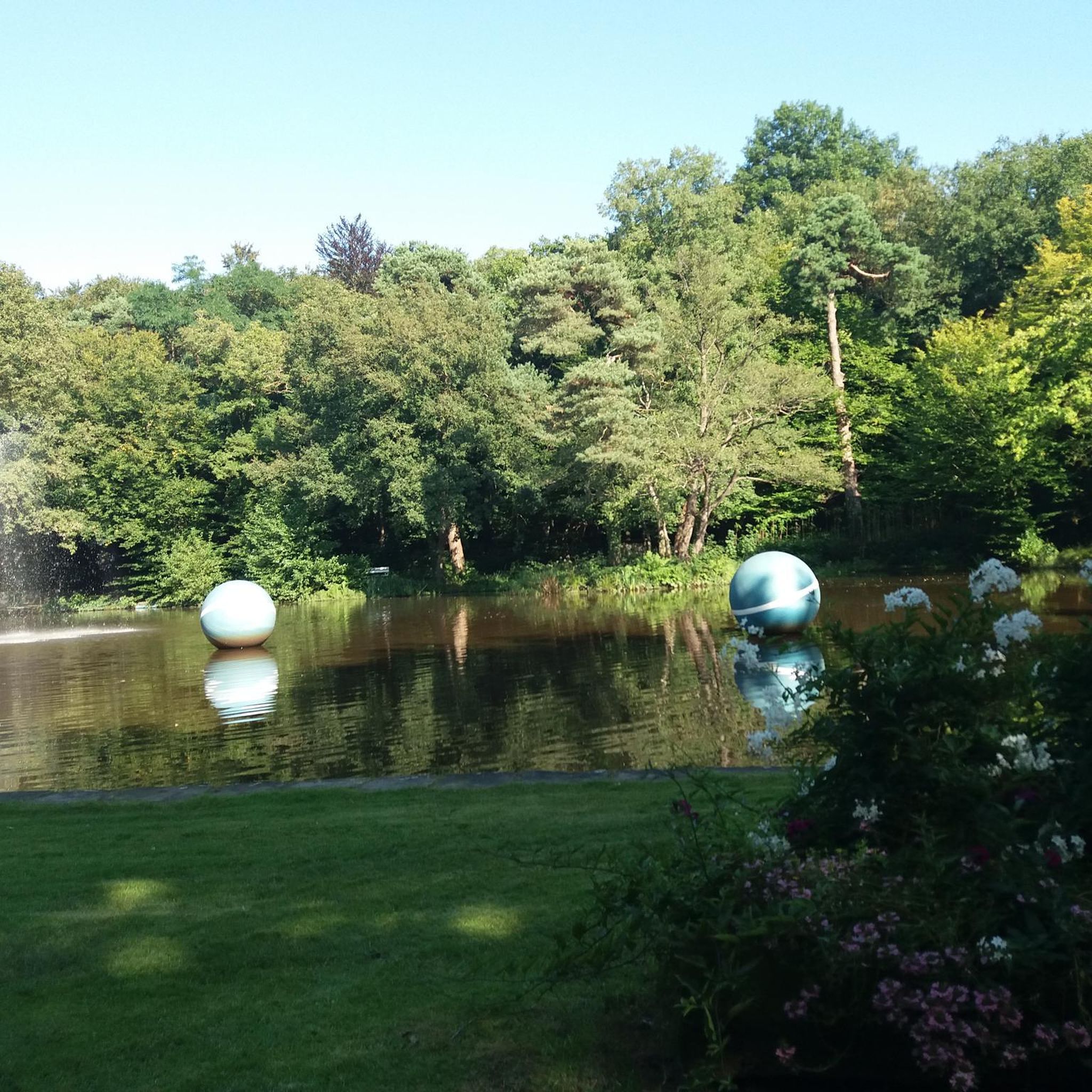
코부르크 호프가르텐은 코부르크의 슐로스플라츠와 베스테 사이에 펼쳐진 넓은 조경 공원입니다.
9
1

If you would like to receive comprehensive information, follow this link: https://de.m.wikipedia.org/wiki/Schloss_Ehrenburg
16
3
The market square was laid out in the early 15th century and was paved only a few decades later. Seven lanes lead from the market square to the old town. The monument to Prince Albert of Saxe-Coburg and Gotha has been enthroned in the middle since 1865. To the north is the town hall in the style of the German late Renaissance with gables decorated with figures and Coburg oriels, opposite is the Renaissance town hall. A colorful weekly market takes place here twice a week, where the people of Coburg buy vegetables, meat and flowers. At night, the square impresses with a sophisticated lighting concept. In 2018, the specialist magazine "GEO" voted it the most beautiful market place in Bavaria. Source: https://www.coburg.de/coburg-erleben/sehenswuerdigungen/marktplatz/marktplatz.php
26
2


더 살펴보기
찾고 있는 하이라이트를 아직 못 찾으셨나요? 다른 지역의 주요 명소 가이드를 확인해보세요:
