블루멘홀츠 최고의 워킹 & 하이킹 경로
4.5
(3768)
13,720
등산객
36
하이킹
Komoot에 등록된 블루멘홀츠 내 트레일 및 경로 컬렉션 중에서 하이킹과 워킹을 가장 멋지게 즐길 수 있는 곳을 알려드릴게요. 아래에서 각 경로의 상세 정보를 모두 확인한 후, 블루멘홀츠 속 자연에서 즐거운 시간을 누려보세요.
마지막 업데이트: 10월 14, 2026
4.9
(10)
26
등산객
보통 하이킹. 좋은 체력 필요. 실력과 관계없이 누구나 쉽게 갈 수 있는 길.
4.7
(7)
17
등산객
8.37km
02:14
100m
100m
보통 하이킹. 좋은 체력 필요. 실력과 관계없이 누구나 쉽게 갈 수 있는 길.

4.0
(4)
13
등산객
19.6km
05:09
150m
150m
어려운 하이킹. 우수한 체력 필요. 실력과 관계없이 누구나 쉽게 갈 수 있는 길.
4.0
(2)
8
등산객
9.28km
02:25
60m
60m
보통 하이킹. 좋은 체력 필요. 실력과 관계없이 누구나 쉽게 갈 수 있는 길.
4.8
(11)
27
등산객
8.94km
02:20
60m
60m
보통 하이킹. 좋은 체력 필요. 실력과 관계없이 누구나 쉽게 갈 수 있는 길.
더 다양한 경로와 다른 탐험가들의 추천을 살펴보세요.
이미 komoot 계정이 있나요?
투어 추천은 다른 사람들이 komoot에서 완료한 수천 개의 활동을 바탕으로 구성되어 있습니다.
오늘 무료 계정으로 시작하세요
다음 모험이 기다리고 있어요.
커뮤니티 팁

길을 관리해주시는 분들께 감사드립니다.
0
0


The Wanzka Mill is a historic mill ruin in the Wanzka district of the Blankensee municipality. It is located near Lake Wanzka on the Nonnenbach stream, in the heart of the Nonnenbachtal nature reserve. The mill was originally built in the 16th century as a grain mill and later developed into one of the largest milling sites in the Mecklenburg-Strelitz district. Partially destroyed during World War II, the mill remained in operation until the 1950s, continuing to supply electricity to the surrounding area. In the GDR, there were plans to make more intensive use of the Nonnenbach stream's hydropower, which is still evident today in the mill's structural design – with several water chambers for wheels and later turbines. Today, the Wanzka Mill is a three-story ruin and a popular destination for hikers and nature lovers. It offers not only impressive insights into the region's technical and industrial history but also picturesque views of the surrounding lakes and hills.
1
0


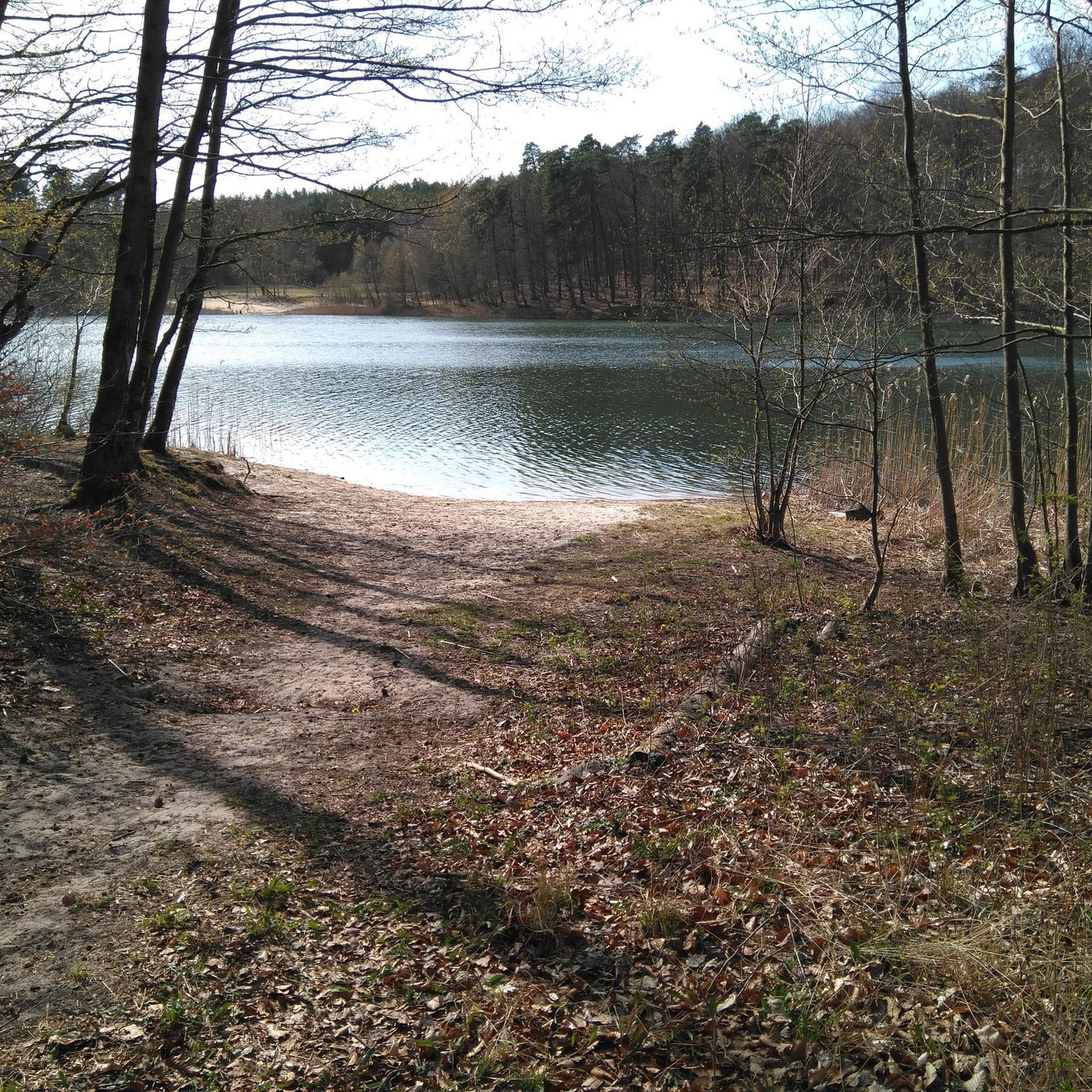
Very suitable for a short break to cool down and relax.
0
0
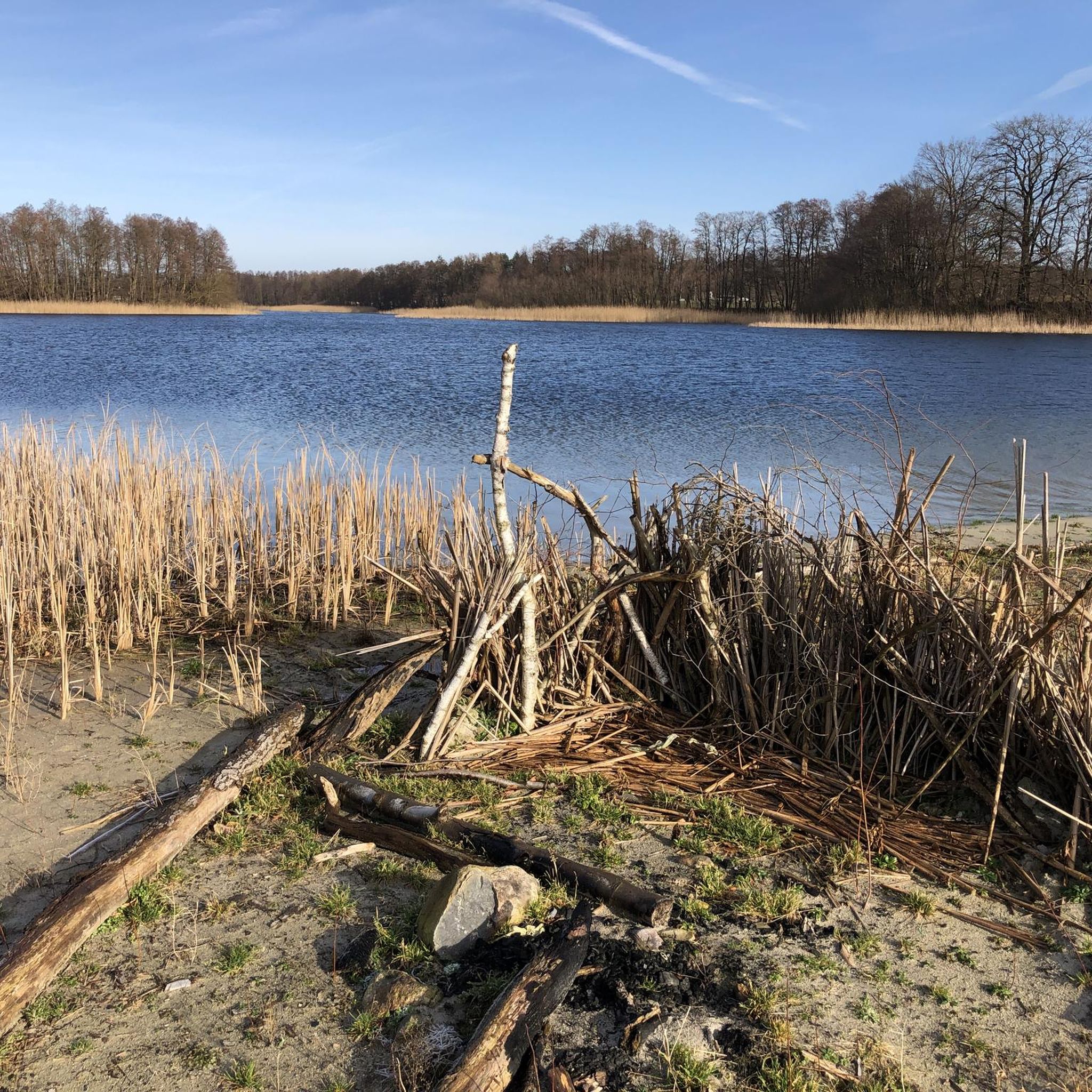
Small bathing establishment...freely accessible, plenty of places to sit. Longer jetty with ladder or direct access to the water...unfortunately a bit overgrown with weeds.
1
0
블루멘홀츠 주변에서 가장 인기 있는 명소


더 살펴보기
다른 지역의 최고의 하이킹를 살펴보세요.
