4.4
(2228)
9,408
등산객
275
하이킹
클라이네 뮈리츠 최고의 하이킹과 워킹을 찾으시나요? 그렇다면 아름다운 Mecklenburgische Seenplatte 호수 주변에 있는 경로 컬렉션을 아래에서 살펴보세요. 클라이네 뮈리츠에 있는 하이킹 트레일 중에서 마음에 드는 곳을 선택해 언제든지 야외 활동을 하면 돼요.
마지막 업데이트: 5월 31, 2026
4.2
(9)
71
등산객
9.28km
02:21
20m
20m
보통 하이킹. 좋은 체력 필요. 실력과 관계없이 누구나 쉽게 갈 수 있는 길.
4.5
(6)
18
등산객
12.9km
03:16
30m
30m
보통 하이킹. 좋은 체력 필요. 실력과 관계없이 누구나 쉽게 갈 수 있는 길.

무료 회원 가입
4.8
(14)
69
등산객
19.3km
04:54
50m
50m
보통 하이킹. 좋은 체력 필요. 실력과 관계없이 누구나 쉽게 갈 수 있는 길.
4.6
(5)
24
등산객
4.88km
01:14
10m
10m
초급용 하이킹. 모든 체력 수준에 적합. 실력과 관계없이 누구나 쉽게 갈 수 있는 길.
4.3
(3)
17
등산객
13.0km
03:18
30m
30m
보통 하이킹. 좋은 체력 필요. 실력과 관계없이 누구나 쉽게 갈 수 있는 길.
더 다양한 경로와 다른 탐험가들의 추천을 살펴보세요.
무료 회원 가입
이미 komoot 계정이 있나요?
투어 추천은 다른 사람들이 komoot에서 완료한 수천 개의 활동을 바탕으로 구성되어 있습니다.
오늘 무료 계정으로 시작하세요
다음 모험이 기다리고 있어요.
로그인 또는 가입하기
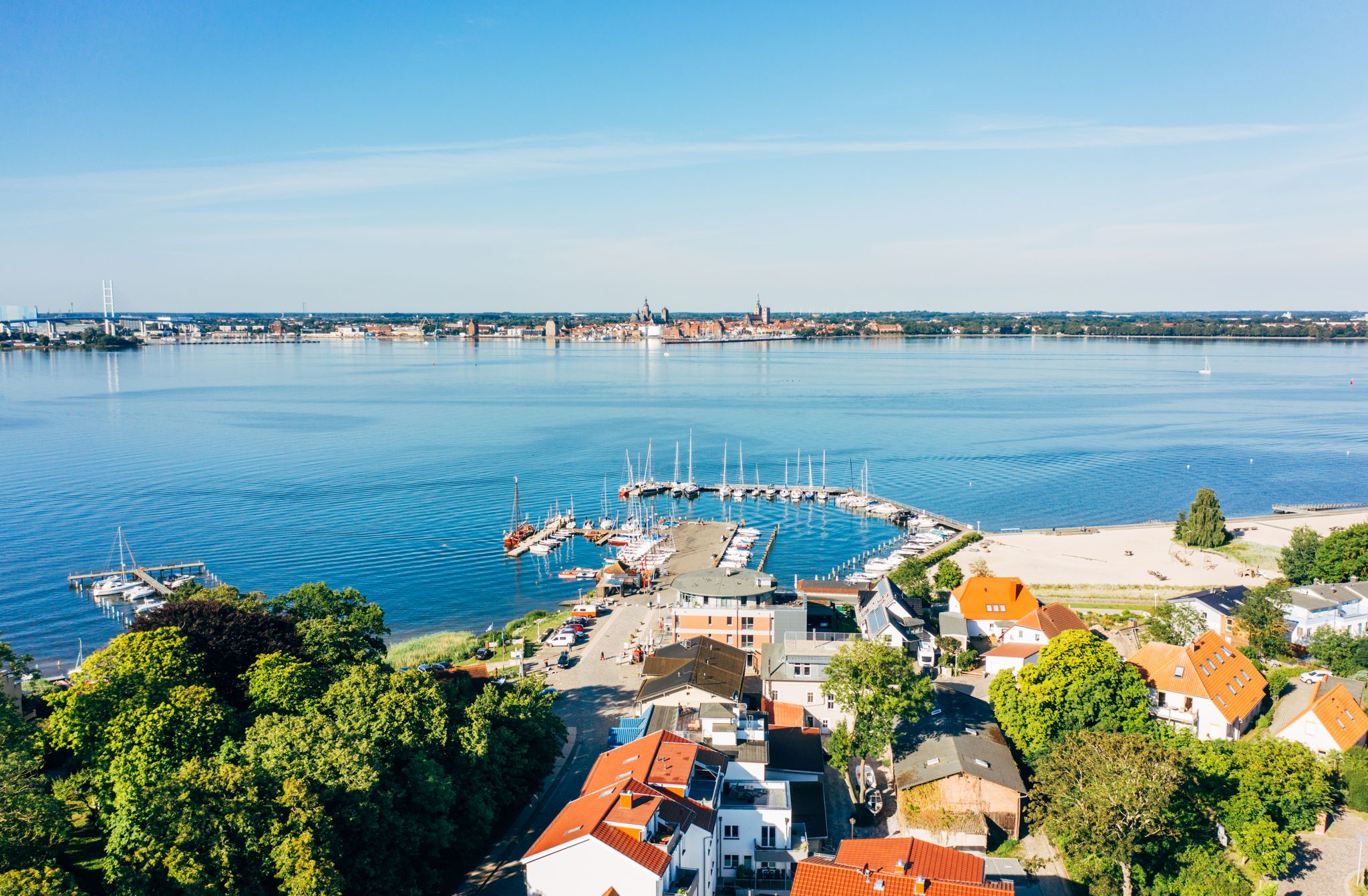
A very nice stop if you are hiking nearby and need a break and something to eat. There was a large selection of fish sandwiches, and they also had sturgeon, smoked pike and eel.
0
0
The long history of this estate village is interwoven with the manor house built in 1698, a story that continues to this day. The last lord of the manor was Schulse von Bülow, whose grave is located nearby near the former tower castle. He died shortly before the end of World War II, just before the Russians arrived. Today, Ludorf is a romantic hotel. The oriental-style church is as much a part of the ensemble as a Tudor-style house and the farm buildings typical of an estate.
2
0
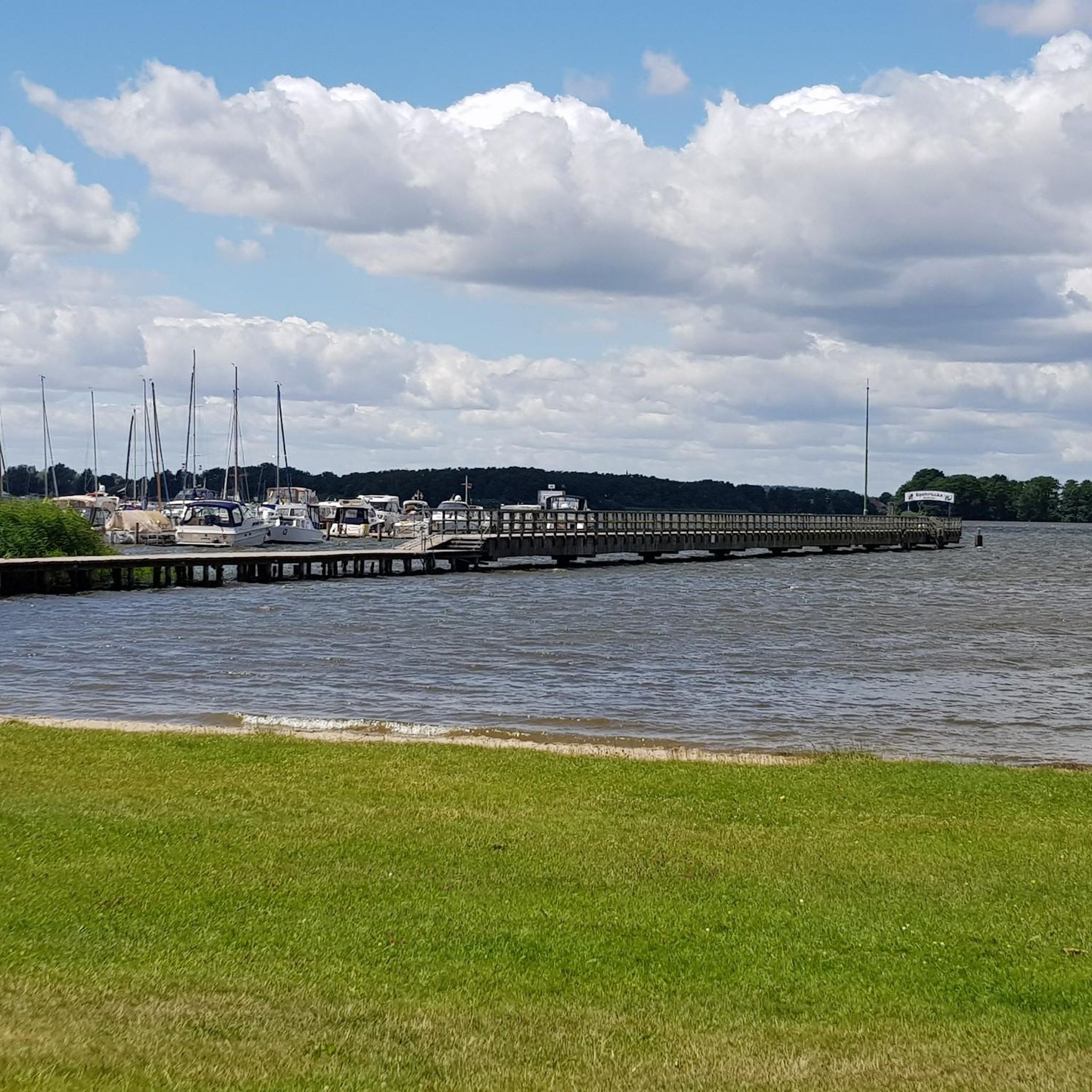
There's a sailing school and boat rental nearby, but you can also simply dream of the freedom on the water as you walk by.
0
0
The Rechlin Wall (1948–1993): A Historical Overview The Rechlin Wall was an important border fortification in the Mecklenburg Lake District, which existed from 1948 to 1993. It was built in the wake of the political tensions following World War II and served primarily as part of the inner-German border between East and West Germany. Origin and Purpose After the end of World War II and the division of Germany, the Rechlin Wall was built as part of the Berlin Wall and the inner-German border. The aim was to protect the GDR from escape attempts from the West and to secure the border. The wall was a complex system of walls, barbed wire, watchtowers, and border fortifications. Construction and Expansion Construction began immediately after the founding of the GDR in 1948. Over the years, the border fortification was continuously reinforced and expanded to make escape attempts more difficult. The Wall in Rechlin was part of an extensive border system that shaped the region around Rechlin and the Mecklenburg Lake District. Habitat and Impact The border imposed significant restrictions on the people in the region. Families were separated, and the area around the Wall was heavily guarded. The Wall influenced the daily lives of residents and shaped the landscape until its dismantling. Dismantling and End of the Wall With the political change in Germany and the peaceful revolutions in the GDR, the opening of the borders began in 1989. The Rechlin Wall was gradually dismantled, and by 1993, the border system was completely removed. Today, only a few remnants remain, recalling the turbulent history. Significance Today The former border installation is a memorial to the division of Germany and symbolizes the overcoming of borders. In Rechlin and the surrounding area, there are memorials and information centers that document the history of the Wall and inform visitors about the events.
0
0
The Rechlin Wall (1948–1993) The Rechlin Wall was a significant border fortification in the Mecklenburg Lake District, existing from 1948 to 1993. It was built in response to the political tensions following World War II and primarily served as part of the inner-German border between East and West Germany. After the end of World War II and the division of Germany, the Rechlin Wall was constructed as part of the Berlin Wall and the inner-German border. Its purpose was to protect the GDR from escape attempts from the West and to secure the border. The wall was a complex system of walls, barbed wire, watchtowers, and border fortifications. Construction and Expansion Construction began immediately after the founding of the GDR in 1948. Over the years, the border fortifications were continuously reinforced and expanded to hinder escape attempts. The wall in Rechlin was part of an extensive border system that shaped the region around Rechlin and the Mecklenburg Lake District. Living Space and Impact The border led to significant restrictions for the people in the region. Families were separated, and the area around the wall was heavily guarded. The wall influenced the daily lives of the residents and shaped the landscape until its dismantling. Dismantling and End of the Wall With the political changes in Germany and the peaceful revolutions in East Germany, the opening of the borders began in 1989. The Rechlin Wall was gradually dismantled, and by 1993 the border system had been completely removed. Today, only a few remnants are visible, serving as reminders of its eventful history. Significance Today The former border fortifications are a memorial to the division of Germany and symbolize the overcoming of borders. In Rechlin and the surrounding area, there are memorials and information centers that document the history of the wall and inform visitors about the events.
0
6
다른 지역의 최고의 하이킹를 살펴보세요.