메디스 최고의 라이딩 경로
4.0
(211)
6,165
자전거 타는 사람
317
라이딩
메디스의 로드 사이클링 경로를 찾으시나요? 그렇다면 메디스 로드 라이딩 컬렉션 중에서 가장 멋진 라이딩 장소를 아래에서 살펴보세요.
마지막 업데이트: 9월 10, 2026
24
자전거 타는 사람
56.0km
02:25
360m
360m
보통 도로 자전거 타기. 좋은 체력 필요. 지면 대부분이 잘 포장되어 있고 라이딩하기 쉬움.
16
자전거 타는 사람
55.2km
02:06
110m
110m
보통 도로 자전거 타기. 좋은 체력 필요. 지면 대부분이 잘 포장되어 있고 라이딩하기 쉬움.

6
자전거 타는 사람
34.4km
01:22
120m
130m
초급용 로드 라이딩. 모든 체력 수준에 적합. 지면 대부분이 잘 포장되어 있고 라이딩하기 쉬움.
8
자전거 타는 사람
56.9km
02:27
210m
210m
보통 도로 자전거 타기. 좋은 체력 필요. 지면 대부분이 잘 포장되어 있고 라이딩하기 쉬움.
5
자전거 타는 사람
36.8km
01:30
150m
150m
초급용 로드 라이딩. 모든 체력 수준에 적합. 지면 대부분이 잘 포장되어 있고 라이딩하기 쉬움.
더 다양한 경로와 다른 탐험가들의 추천을 살펴보세요.
이미 komoot 계정이 있나요?
투어 추천은 다른 사람들이 komoot에서 완료한 수천 개의 활동을 바탕으로 구성되어 있습니다.
오늘 무료 계정으로 시작하세요
다음 모험이 기다리고 있어요.

커뮤니티 팁

Gironde 강어귀의 남쪽 통로를 표시하고 위험한 모래톱인 la barre à l'Anglais의 존재를 알리기 위해 St-Palais-sur-Mer 지역의 Terre-Nègre 곶에 위치하고 있습니다.
0
0

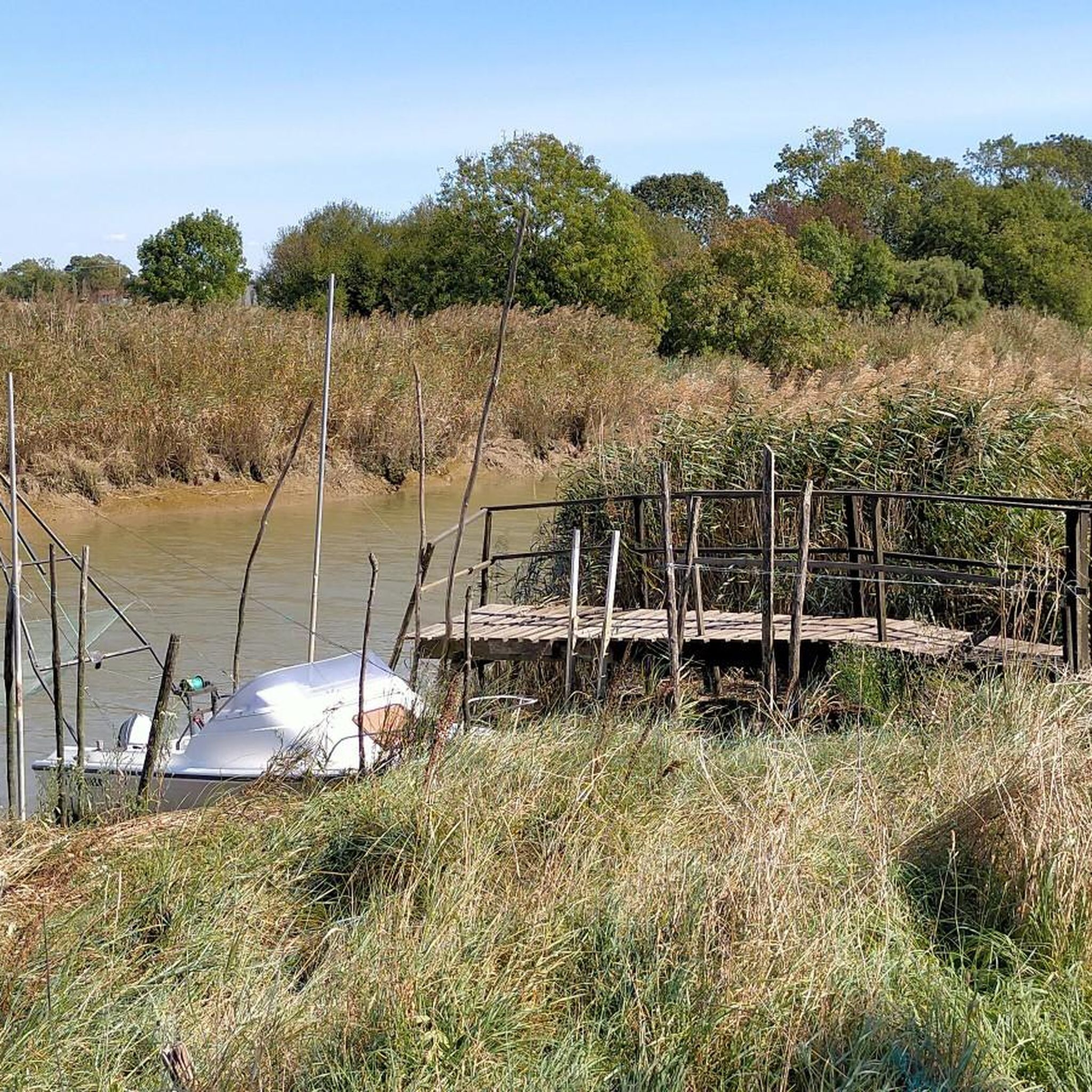
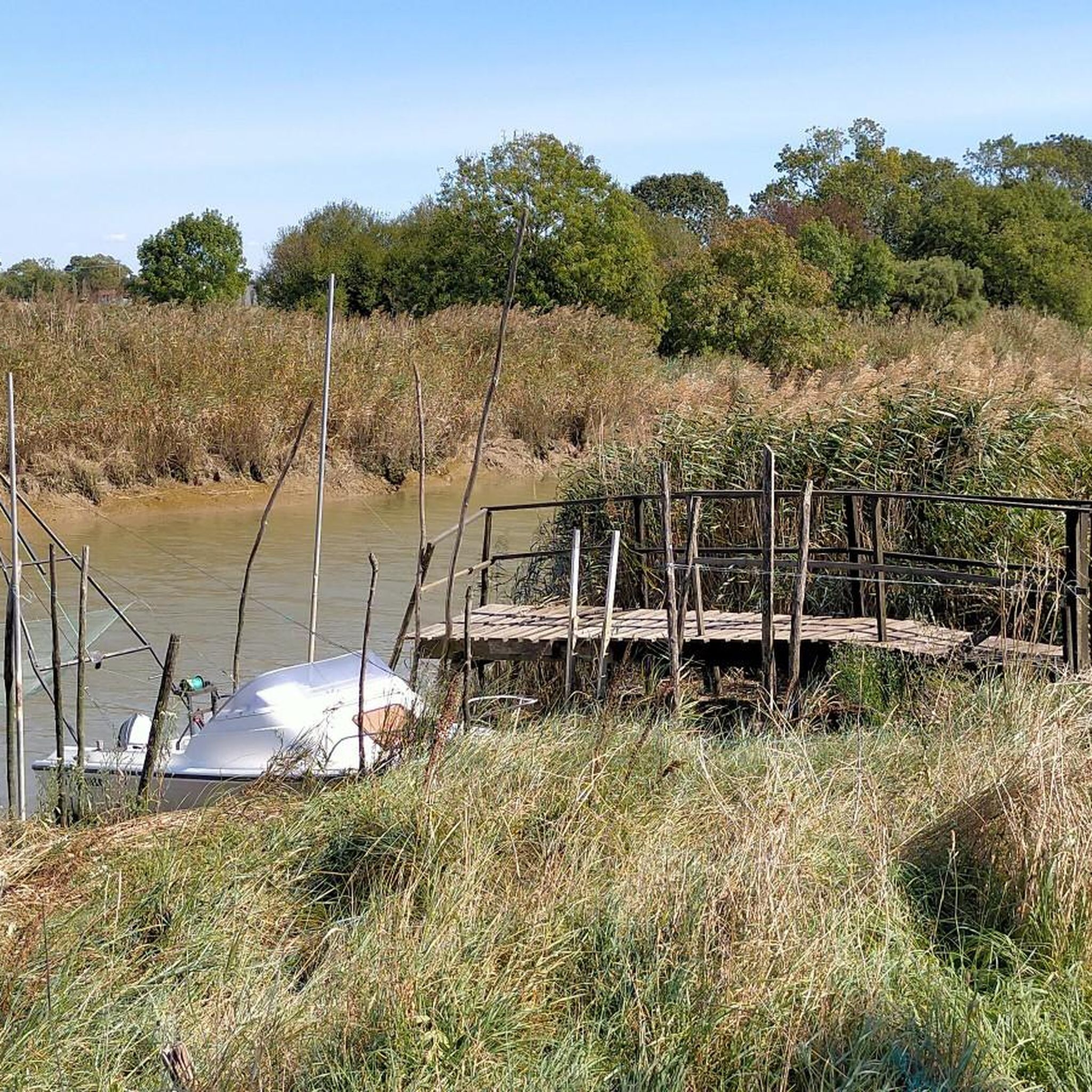
생-팔레-쉬르-메르의 카흘레(carrelets)는 샤랑트 해안의 가장 상징적인 요소 중 일부입니다. 그들의 역사는 전통적인 낚시, 관광의 발전, 지역 유산을 융합합니다. 🐟 카흘레의 기원 원래 "카흘레"라는 단어는 17세기부터 사용된 정사각형 어망을 지칭합니다. 1769년, 샤랑트 해안에서의 이 낚시 유형을 언급한 학자 앙리-루이 뒤아멜 뒤 몽소(Henri-Louis Duhamel du Monceau)의 글에서 정확한 설명을 찾을 수 있습니다. 👉 당시에는 아직 현재의 오두막이 아니라, 조잡한 구조물에서 조작되는 단순한 그물이었습니다. ⚓ 수공예 낚시 구조물 최초의 지역 카흘레는 어부들이 물 위로 올라서기 위해 직접 만든 단순한 나무 플랫폼이었습니다. 주로 바다로 나가지 않고 해안 근처에서 새우, 물고기, 게를 잡는 데 사용되었습니다. 👉 이는 바다 낚시보다 덜 위험한 가족적이고 연안적인 낚시였습니다. 🏖️ 19세기 – 20세기 초: 여가 활동으로의 전환 20세기 초, 생-팔레와 같은 해변 휴양지의 부상과 함께 카흘레는 진화했습니다. 휴가객과 유명 인사들이 이 관행을 받아들였습니다: 고정식 부두 건설, 기둥 위의 오두막 등장. 카흘레는 낚시 장소만큼이나 휴식 장소가 되었습니다. 👉 이미 해안의 엽서 같은 이미지에 기여하고 있었습니다. 🪵 1945년 이후: 대중화 및 확산 제2차 세계 대전 이후 카흘레의 수는 급격히 증가했습니다. 그것들은 대중적인 레저와 사교성의 상징이 되었습니다. 점진적으로 생계 수단에서 레크리에이션 활동으로 전환되었습니다. 🌊 폭풍과 재건 카흘레는 폭풍에 취약합니다: 1999년: 대규모 파괴 (일부 지역 최대 90%) 2010년 (신시아 폭풍): 새로운 피해. 많은 것들이 전통을 존중하여 동일하게 재건되었습니다. 🏛️ 오늘날: 보호받는 유산 샤랑트-마리팀에는 약 400개의 카흘레가 있습니다. 그것들은 다음과 같습니다: 공공 해양 구역에 통합됨 행정 허가로 할당됨 (종종 5년마다 갱신됨) 2018년부터 이 지역의 문화 유산으로 인정받고 있습니다. 👉 생-팔레에서는 특히 다음 장소에서 볼 수 있습니다: 악마의 다리(Pont du Diable) 콩시에 만(conche du Concié) 오튀르 우물(Puits de l’Auture)
0
0

Here you'll find a romantic little lighthouse, and behind it lies a garden with a bench overlooking the sea, a lovely place to stop for a break. Afterwards, you can continue along the cliff to the right until you reach Euro Velo 1 again.
0
0

Easily accessible place, only the last meters are prohibited for cyclists.
0
0

Perfect beachside bike trail along the boulevard, with several rest stops with seating and beach acces.
0
0
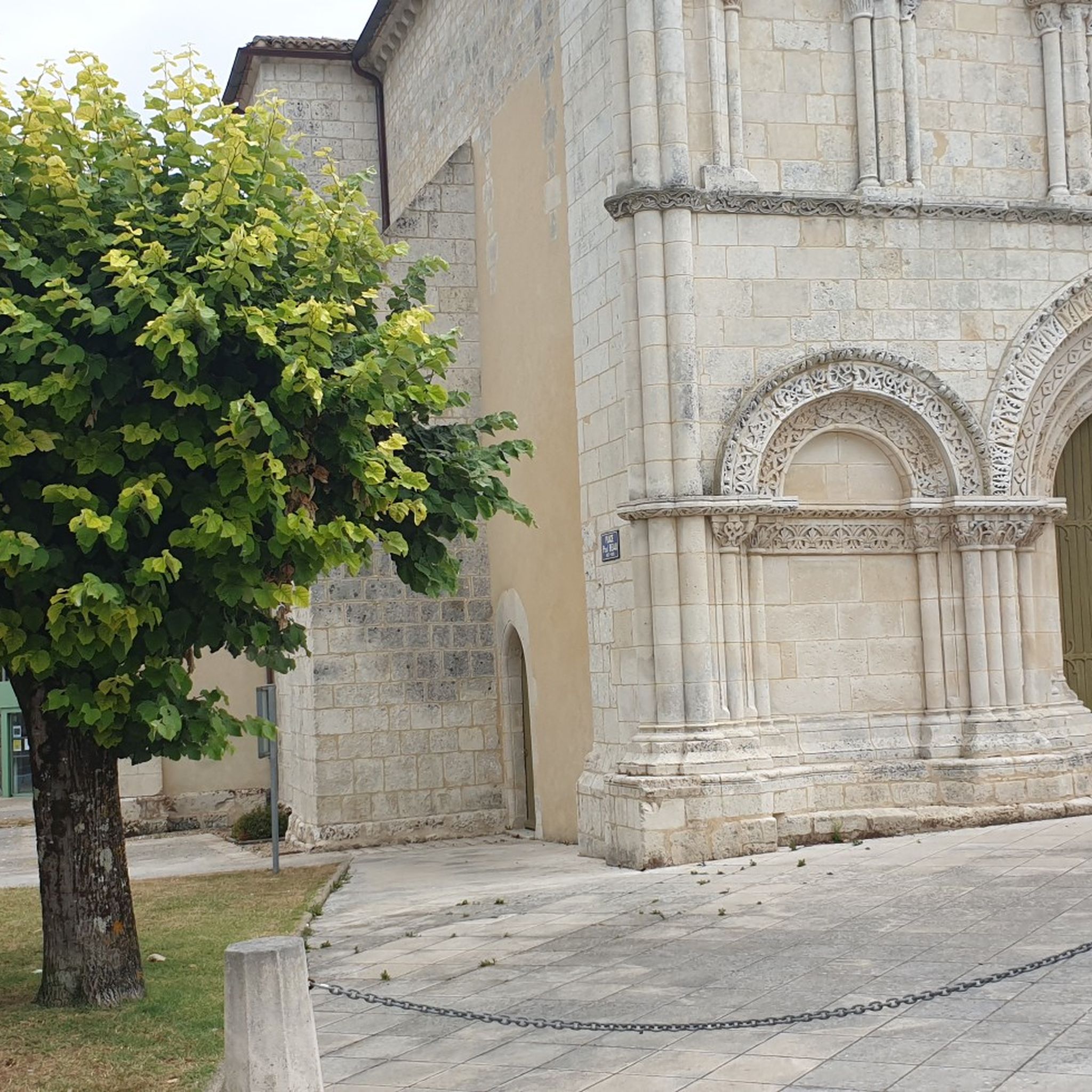
The church suffered little damage during the Hundred Years' War and the Wars of Religion. From the end of the 18th century, maintenance work was undertaken mainly inside the church. In 1822, the reconstruction of the bell tower framework began, followed in 1852 by the restoration of the west facade. A further restoration took place around 1860, and the sacristy was enlarged by the construction of a semicircular annex extending the Romanesque apse. Beginning in 1880, a roof repair campaign began, and a new belfry was installed in the bell tower. From 1890 to 1900, the cemetery surrounding the church was moved to the "Fief des Rentes," and the former burial site was transformed into a public square. Starting in 1926, the choir roof was replaced and the bell tower was made watertight. In 1971, the work program included the renovation of the exterior walls, the demolition of the false apse and the sacristy that concealed the apse of the south transept. In 1990, the main door was replaced with oak leaves, the stones were repointed, and the collapsed arch keystone was reinstalled. In the 2000s, the municipality repaired the mechanism of the two belfry bells, and the building was illuminated and maintenance work was carried out.
0
0
The Church of Our Lady of Corme-Écluse, the seat of a former Benedictine priory of the Abbey of the Ladies of Saintes, was donated around 1104 by Ramnulfus Focaudi (Bishop of Saintes between 1083 and 1106) to the Royal Abbey of Saint-Jean-d'Angély "so that he might always enjoy it and possess it in perpetuity." This abbey was thus responsible for the reconstruction of the sanctuary in the mid-12th century in the Romanesque style. A plaque affixed to the south wall of the nave contains a few historical snippets, still legible: 1200, the Benedictines completed the construction and adorned the church with an oak statue of the Blessed Virgin; 1327, the Abbot of Saint-Jean-d'Angely and an envoy of Pope John XXII prayed before the venerated image; In 1628, a pilgrimage was established to venerate the statue; In 1733, the statue was mutilated. The desecrator was punished. The church's plan is a slightly asymmetrical Latin cross (the north arm of the transept is longer than the south arm). The nave consists of two bays covered by pointed barrel vaults. It is lit by three symbolic windows rebuilt in the 13th century. A transverse arch separates the nave from the transept, whose crossing, under the bell tower, is covered by a cupola on squinches. The south arm of the transept opens onto an apse with a semi-dome vault. However, the north arm, rebuilt in the 17th century in the Romanesque style, is slightly longer than the south arm, and is designed on a rectangular plan without an apse. This arm has a portal with columns and toric rollers. After passing the triumphal arch, the choir begins with a straight bay covered with a semi-circular barrel vault and ends with a semi-circular vaulted arch.
0
0
Upon arriving in Corme-Écluse, it's only natural to stop at the church square, the heart of the Cormillon village. On this square, facing the town hall, stands the Church of Notre-Dame. Walk around it to admire the architectural details characteristic of the 12th-century Saintonge Romanesque style. The church was the seat of a former Benedictine priory of the Abbey of the Ladies of Saintes. The sculpted decoration of the Abbey of the Ladies certainly inspired that of the church of Corme-Écluse. This was often the case; mother abbeys were taken as examples by the priories that depended on them in terms of architecture and sculpture. In some cases, it is even assumed that the sponsors, artists, or craftsmen were the same people or at least from the same circle, sometimes descendants. Since the 13th century, the monument has been the destination of numerous pilgrimages that continue to this day. The pilgrimage takes place on the third Sunday of July in the convent gardens, followed by a procession to the Church of Our Lady.
0
0
메디스 주변에서 가장 인기 있는 명소


더 살펴보기
다른 지역의 최고의 로드 사이클링 경로를 살펴보세요.
