20의 라 그리페리-생-심포리앙가지 명소 & 주요 장소
라 그리페리-생-심포리앙에는 둘러볼 만한 장소가 많답니다. 하이킹 또는 사이클링을 좋아한다면 라 그리페리-생-심포리앙에 숨겨진 20
가지 보석을 만날 수 있을 거예요. 이 지역의 주요 명소를 살펴보면서 다음 모험을 계획해보세요.
마지막 업데이트: 10월 5, 2026

에글리즈 생피에르 드 이에르-브루아주
하이라이트 • 종교적 장소
번역자 Google •
팁에 의해

이런 장소를 발견하려면 지금 가입하세요
최고의 싱글 트랙, 봉우리 및 다양한 흥미로운 야외 장소에 대한 추천을 받아보세요.
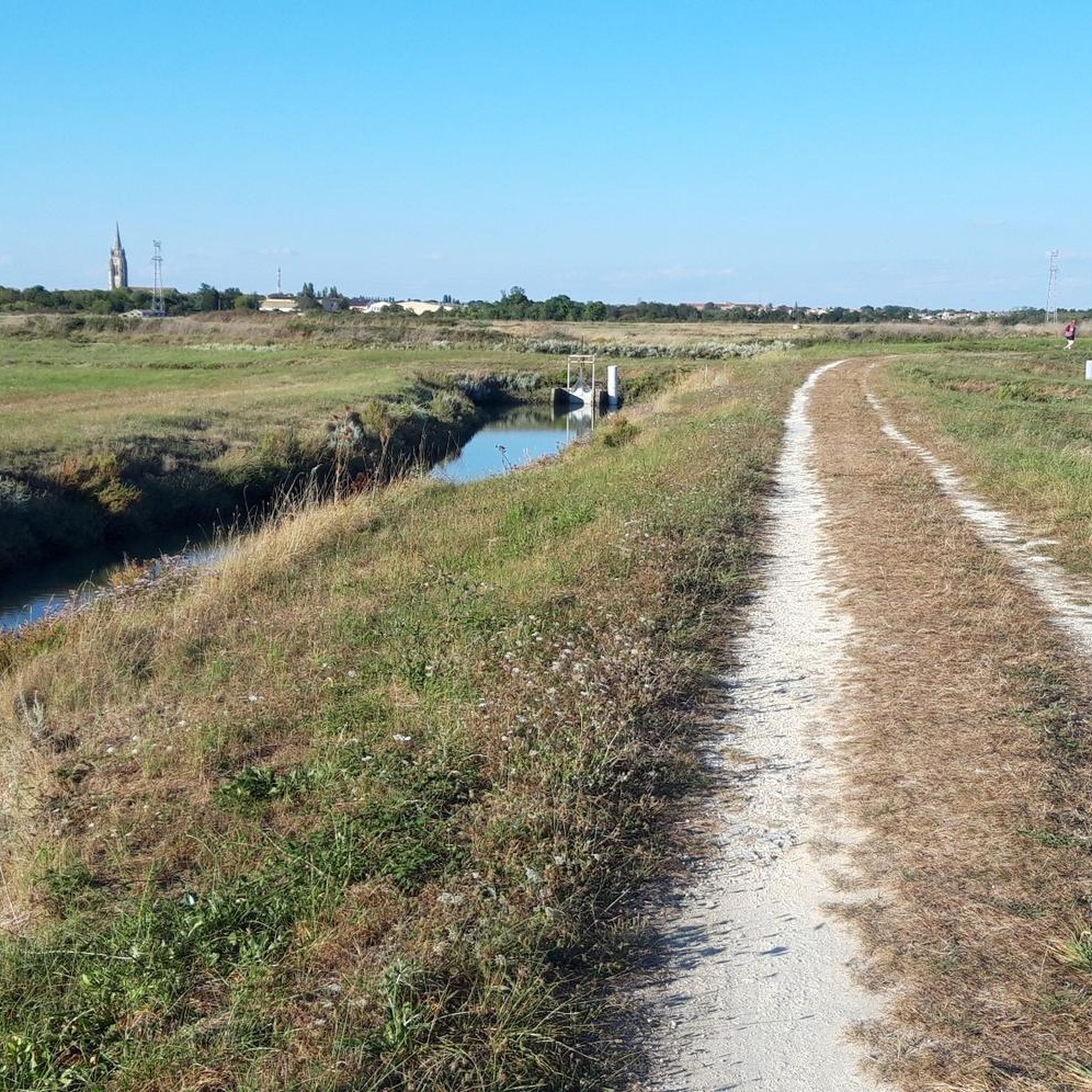
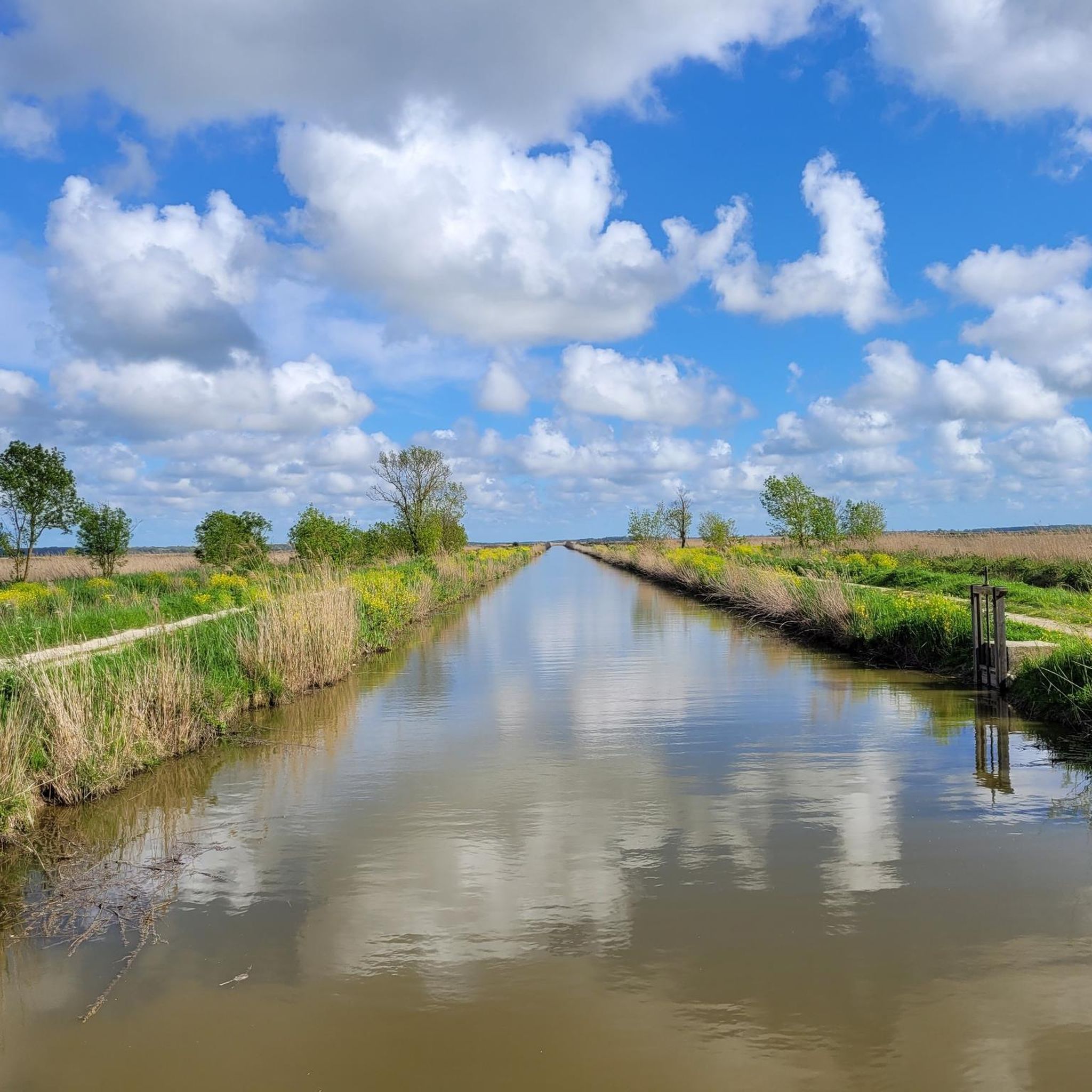
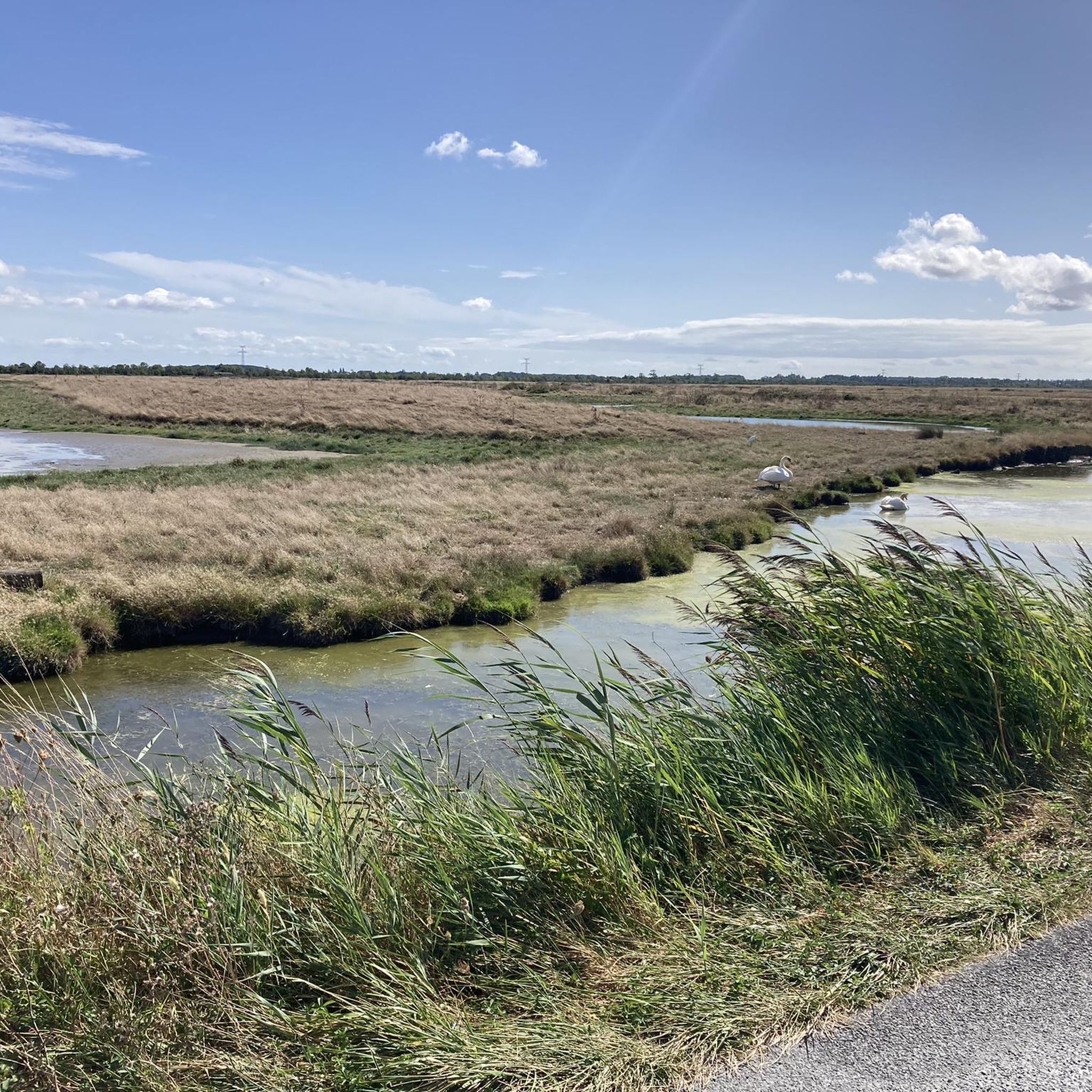
모르낙-쉬르-쇠드르 습지
하이라이트 • 자연
Once a fishing and …
번역자 Google •
팁에 의해

Mornac-sur-Seudre의 생피에르 교회
하이라이트 • 종교적 장소
번역자 Google •
팁에 의해

마렌느 생 피에르 교회
하이라이트 • 종교적 장소
번역자 Google •
팁에 의해
무료로 가입하여 라 그리페리-생-심포리앙 주변의 더 많은 명소를 발견하세요.
이미 komoot 계정이 있나요?
오늘 무료 계정으로 시작하세요
다음 모험이 기다리고 있어요.

커뮤니티 팁

Very beautiful church. A must-see!
0
0

fortified village, former port of departure for the Americas, today it is located approximately 1.5km from the shore...
0
0

The SAINT-PIERRE church dominates the village from its fortified bell tower. Original in many ways, the Romanesque building houses a holy water font made of a real shell. From the side, you reach the small garden of the chevet, well hidden. Stone sarcophagi (Merovingian or Carolingian depending on the source) bear witness to the archaeological excavations that the church has undergone. There are many stories in Mornac but that of the fire of August 2, 1943 marked the identity of the village. Indeed, the bell tower has not always had this appearance. It had the more traditional shape of a spire until lightning struck it. Many young students come to Mornac-sur-Seudre to participate in the clearing and the excavations that follow. Seduced by the local atmosphere, many of them stayed and opened the first craft workshops in the village, some of which are still present, such as pottery and leather.
0
0

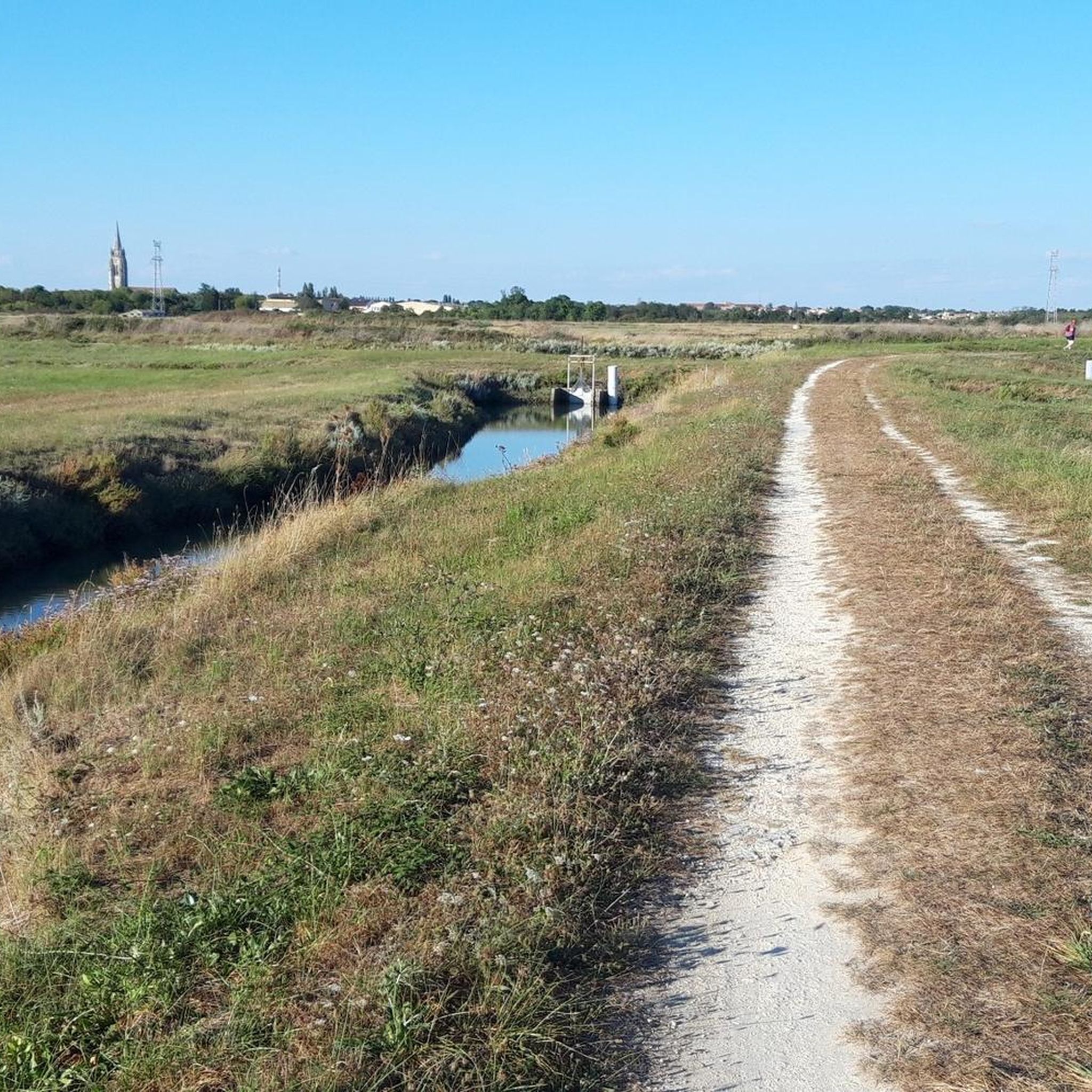
The bell tower of this church is visible from afar! Coming from the north and from the port of Cayenne, it towers high above the landscape. The interior of the church is in need of renovation, but the stained glass windows beautifully depict various saints and biblical stories.
0
0
Succeeding a Merovingian church whose remains were discovered in 1951 (as well as a cemetery dating from the 6th century), the foundation of the current church could date back to the 10th or 11th century. with a modernization in the 12th century, where it takes more or less its current appearance. The bell tower was destroyed during the Hundred Years' War and then rebuilt with the facade in the 15th century. A fire due to a violent storm affected the bell tower in 1943. The upper part was reinterpreted by the addition of square bays giving it a defensive character. The slate spire has not gone up. The Saint-Pierre church is a Romanesque building with certain archaic features. The facade, of great severity, dates from the 15th century. Almost devoid of ornamentation, it consists of a broken arched portal with prismatic moldings, confined by a Gothic niche (on the right) and surmounted by a narrow bay. The nave, formerly divided into 5 bays, now has only 4, separated by columns backed by pilasters. The whole was originally covered with ribbed vaults, destroyed in 1837, replaced by an arched vault and subsequently dismantled in turn. The nave is covered with an exposed framework. Large transept arches delimit the square of the transept, covered with a barlong dome on squinches. The crosspieces are covered with a pointed barrel vault, and are extended by apsidioles. Semi-circular arcades, supported by fine columns with capitals decorated with plant or geometric motifs, punctuate the walls of the apse, covered with an oven bottom where traces of frescoes dating from the 12th century are visible, although degraded. century. The walls of the nave, the transept and part of the choir retain traces (from the 17th century) of the funeral liter of a lord of Mornac. The exterior offers, on the north wall, the remains of a Romanesque portal (11th century). The bedside, typical of the Saintongeais Romanesque, is made up of 3 horizontal registers, delimited by cords. The last level is made up of an arcade formed of arched arcades carried by columns with capitals decorated with plant, animal or geometric motifs. The whole is surmounted by a cornice with modillions where animals and human or demonic faces are represented. Buttress columns topped with capitals decorated with interlacing and stylized plants punctuate the walls
0
0
Nestled in the heart of the marshes of the Presqu’Île d’Arvert, Mornac-sur-Seudre is a small village with a dual face: oyster farming by tradition and artisanal by passion. It is a “Village of Stones & Water” (as the Charente-Maritime label promises) and is one of the “Most Beautiful Villages of France®”, and it also has the “Ville et Métiers d’” label. Art",. Mornac is a village where you have to take your time to soak up its atmosphere and charm. So you park your car in the large car park and visit it on foot to savor every detail and exchange with locals generous with anecdotes and craftsmen eager to share their know-how. Here, everything is on a human scale. We discover the village through the Place des Halles. The shelter, made of wood and supported by stone pillars, is ideal for meeting and resting. The terraced houses replace the old fortifications which protected the town in the Middle Ages. From Les Halles the main street takes you to the port. However, you should not hesitate to stroll through the small streets and alleys of the old town where you can literally get lost! This spiral part of Mornac is called the “Arab quarter”. The church dominates the village from its fortified bell tower. Original in many ways, the Romanesque building houses a font made of real shell. On August 2, 1943, lightning caused a fire which changed the appearance of the bell tower. The port is bordered by traditional and typical cabins. Each one has different colors. There is something for every taste. The small Seudre road allows you to follow them to the foot of the estuary. We arrive, at the very end, at the “goule de l’ach’neau”. We feel alone in the world. Everything is flat, horizontal. It’s time to tell you: the name Mornac means “calm waters”. From the port, possibility of a sea trip..... depending on the tide!!! For those on land, from Chemin de la Corderie, you can take the marked Détours® loops, between April and October, on the embankments of the pedestrian cutoffs. Possibility of taking advantage of guided tours of the village during the season. Mornac and its marshes can also be visited by bike using the shared Chemins de la Seudre routes. If the walk seems too long to you, you can combine the bike ride with the Train des Mouettes (Mornac-sur-Seudre is a stopover station for the tourist train)
0
0

This Saint Pierre de Sale Catholic church is characterized by its majestic bell tower door from the fifteenth century. It was placed under monument protection in 1840. Climbing the bell tower is possible in summer.
0
0

There you can discover a unique blend of Romanesque architecture and medieval history. The church, which dates from the 11th or 12th century, has a characteristic tower and a severe 15th century facade. Don't miss the intriguing barlong dome of the transept and the remains of Merovingian sarcophagi near the choir.
3
0


더 살펴보기
찾고 있는 하이라이트를 아직 못 찾으셨나요? 다른 지역의 주요 명소 가이드를 확인해보세요:
