Attractions and Places To See around Coustouges - Top 20
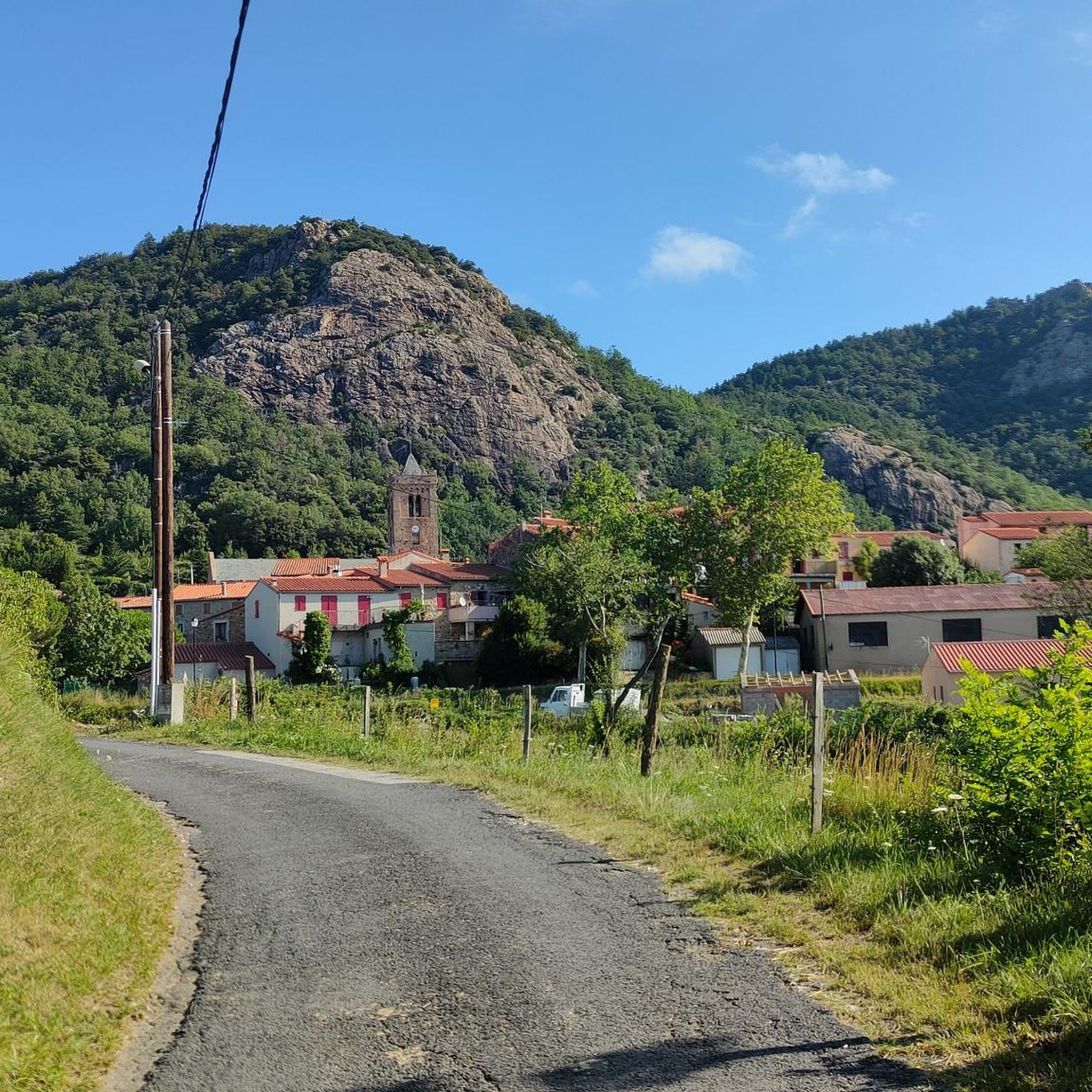
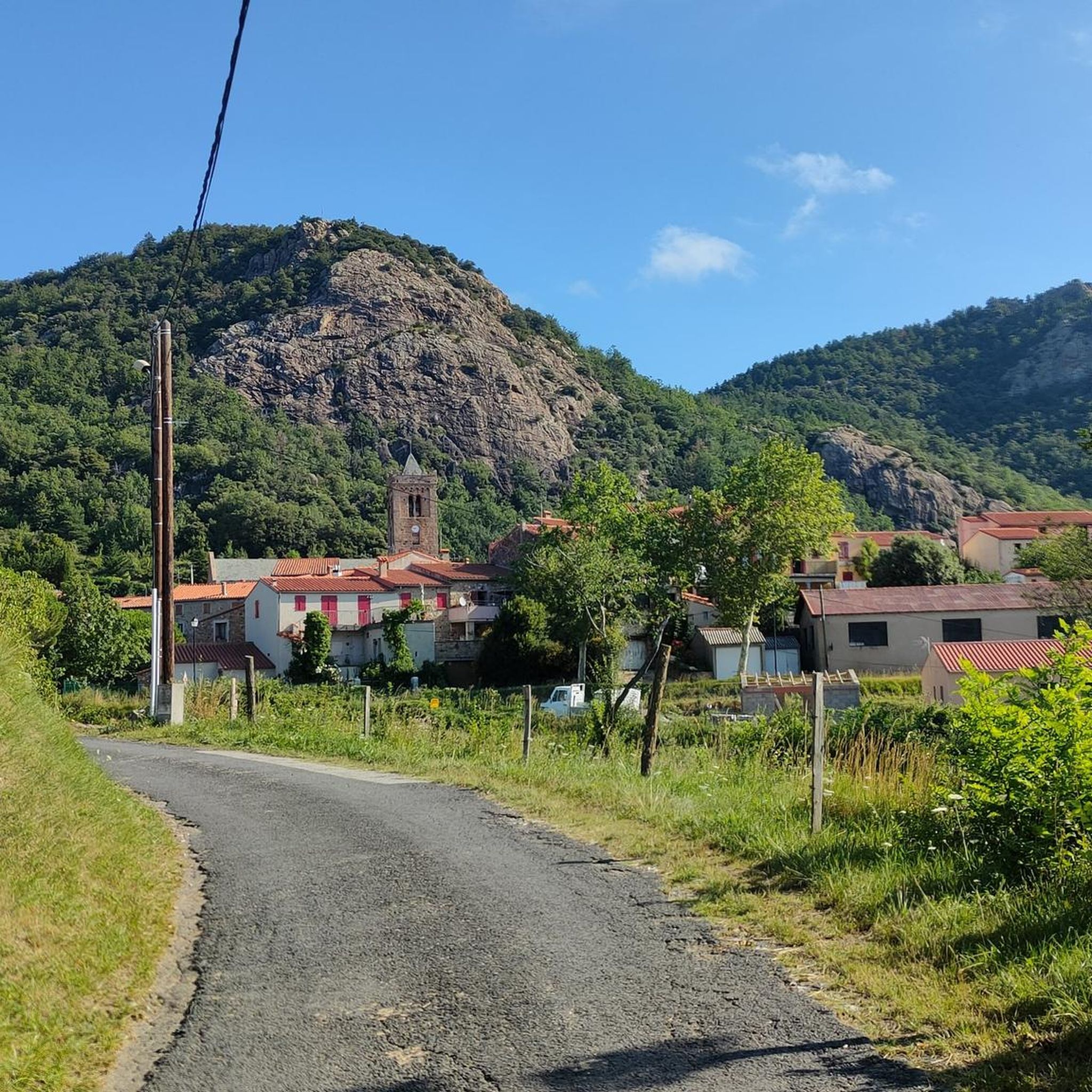
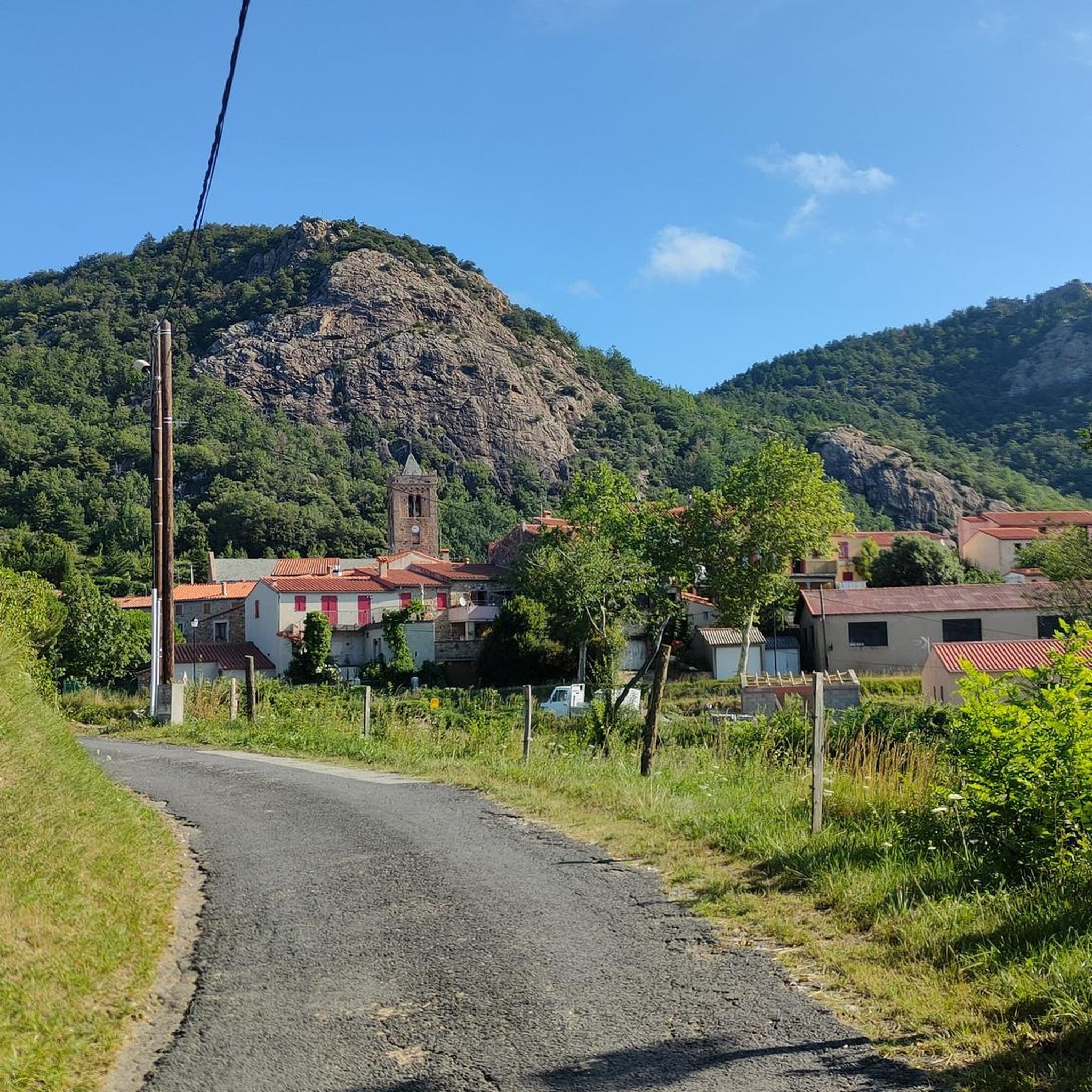
Best attractions and places to see around Coustouges, a village in the Catalan hinterland near the Spanish border, offers a blend of historical landmarks and natural beauty. The area is characterized by its tranquil setting, Romanesque architecture, and ancient past, including prehistoric standing stones. Visitors can explore mountain trails and the Riu Major valley, which forms a natural boundary between France and Spain. This region provides an ideal setting to appreciate the natural beauty of the Vallespir.
Best attractions and…
Last updated: October 9, 2026
Mare de Déu del Mont Summit
Highlight • Summit
Tip by

Valentí Bridge
Highlight • Bridge
Translated by Google •
Tip by

Sign up now to discover places like this
Get recommendations on the best single tracks, peaks, & plenty of other exciting outdoor places.
Pont d'en Bertran
Highlight • Bridge
Translated by Google •
Tip by

Puig de Bassegoda
Highlight • Summit
Translated by Google •
Tip by

Pou de la Neu Pass
Highlight • Mountain Pass
Translated by Google •
Tip by

Sign up for free to discover even more attractions around Coustouges.
Already have an account?
Start today with a free account
Your next adventure awaits.

Tips from the Community

Hello, I wanted to save money for a new silicone basting brush because my old brush lost bristles in the sauce. After weeks of losses on the usual sites, I took a big gamble at https://ivy-bets.com.de/ when my balance was almost zero. A wild feature with a sudden multiplier brought me an amount that was more than enough for two silicone brushes, a marinating container, and even a bowl. For players from Germany, the verification here went pleasantly quickly.
0
2

You can't just drive to Sadernes and park at the moment. You need a QR code to reserve a parking space. You can download this in advance via a website or at a checkpoint on one of the access roads. The cost was 6 euros. The best thing is to do it in advance, because the first time we came in the weekend everything was already occupied and we had to go back.
1
0

This pass was important as a passage between regions, especially in activities such as transhumance or the transport of goods. The snow wells that give the place its name were also key elements in the economy of the mountainous areas. The term "Pou de la Neu" refers to the snow or ice wells that were traditionally used to store snow during the winter. These structures, dug into the ground or built with stones, served to preserve ice that was later transported to the lower areas for use in food, medicine or food preservation.
1
0

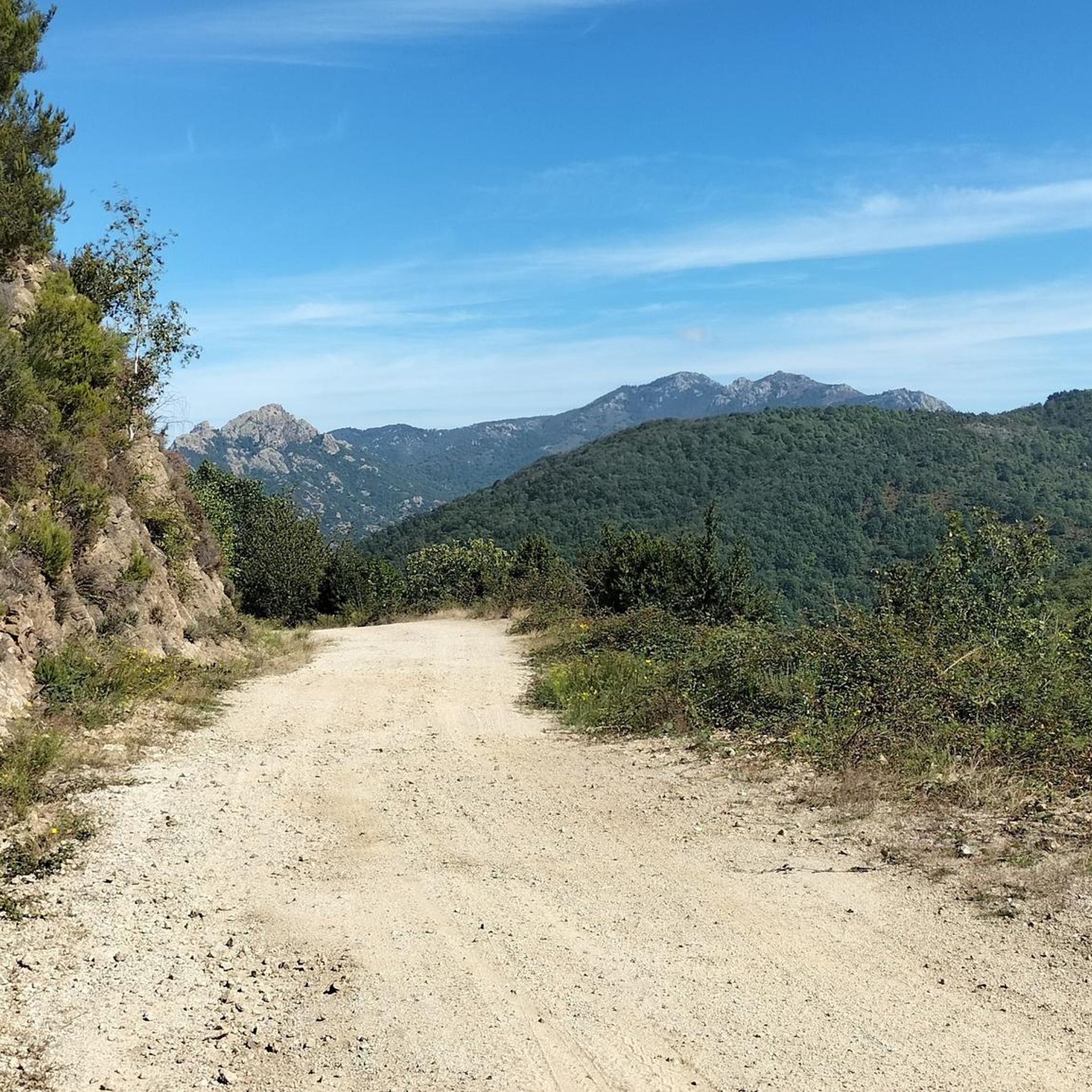
This hiking pass is a real hub of hiking trails that go to both France and Spain. The views there are magnificent.
3
1

At 1,373 meters high, the Puig de Bassegoda is located on the border between the regions of La Garrotxa and Alt Empordà. The climb accumulates a lot of positive unevenness in a short distance. For this reason, in the last section it has staples and chains to help itself.
2
1

Medieval bridge with a single large semicircular arch. It crosses the Sant Aniol river. It was an obligatory passage for smugglers, charcoal burners and traders. The bridge is located at the access to the Sant Aniol d'Aguja route and the Valencian path that leads to Sales de Llierca.
0
0
Bridge of the municipality of Albanyà included in the Inventory of the Architectural Heritage of Catalonia. It is located northwest of the urban area of the town of Albanyà, on the course of the Muga river. The structure is built of unworked stone of various sizes, bonded with plenty of lime mortar. According to the inscription located on one of the breakwaters of the structure, the bridge was built by Ysidro Bertran in 1891.
1
1

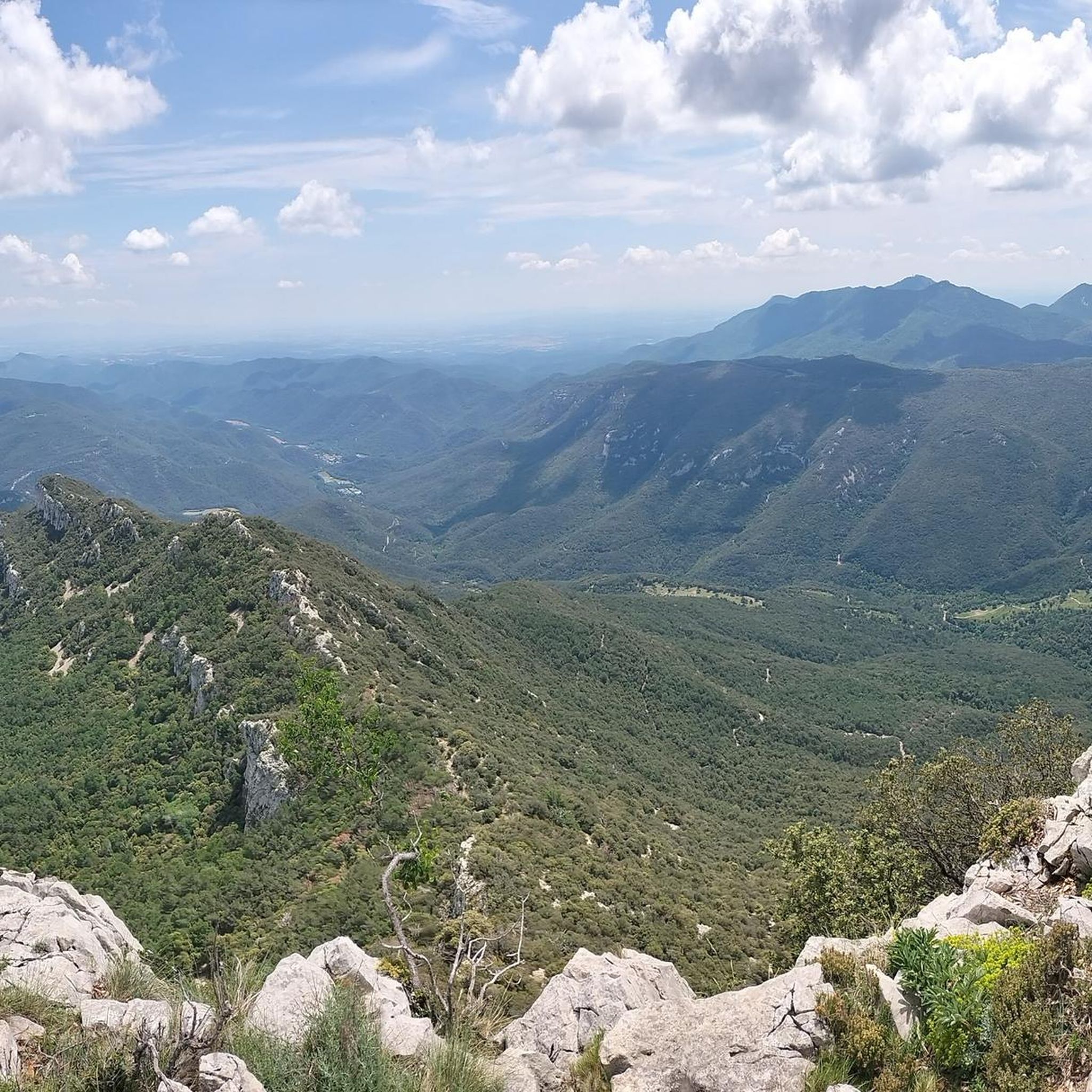
the views upon arrival pay for all the effort of the climb
3
0
Frequently Asked Questions
What historical and cultural sites can I explore directly in Coustouges village?
In Coustouges, you can visit the magnificent 12th-century Romanesque Sainte-Marie Church, known for its pink sandstone, impressive chevet, and regional ironwork door. The Municipal Hall also hosts a permanent exhibition with dinosaur egg castings and Roman and paleontological remains. Don't miss the Pont Transfrontalier du Riu Major, a cross-border bridge connecting to Spain, and the ancient standing stones and dolmens near the Riu Major, hinting at the region's prehistoric past.
Are there any notable natural viewpoints or scenic spots near Coustouges?
Yes, Coustouges offers several scenic spots. You can hike up Le Roc, a large cliff overlooking the village, for panoramic views of the Canigou peak and the Riu Major valley. The Mare de Déu del Mont Summit also provides breathtaking views over the Garrotxa, the Pyrenees, and the Mediterranean Sea. Another excellent viewpoint is Pou de la Neu Pass, which offers magnificent vistas and serves as a hub for hiking trails.
What kind of hiking opportunities are available around Coustouges?
Coustouges is surrounded by diverse mountain trails suitable for various durations and skill levels. You can find marked paths and leaflets at the town hall. For specific routes, consider exploring the hiking guide around Coustouges, which includes trails like the moderate 'Puig de la Gavarra – Bac Grillera Castle loop' or the easy 'Roc del Bau – Rock of the Cross loop from Coustouges'.
Are there any challenging climbs or trails for experienced hikers?
Absolutely. For a challenging experience, the Mare de Déu del Mont Summit offers a long and rewarding climb with significant gradients. Another demanding ascent is Puig de Bassegoda, which features staples and chains in its final section due to its steepness, providing excellent 360º views from the Gulf of Roses to Canigó.
What are some unique historical sites beyond the main village attractions?
Beyond the village, you can discover the nearby hamlet of Villeroge, home to the small but worthwhile Church of St. Michael, first mentioned in 936. Additionally, the Santa Bàrbara de Pruneres is a beautifully restored Romanesque hermitage from the 12th or 13th century, offering great views of the Alta Garrotxa.
Can I find places to eat or drink near the attractions?
Yes, at the summit of Mare de Déu del Mont Summit, there is a restaurant and café with a wonderful outdoor terrace, perfect for enjoying refreshments with panoramic views. In Coustouges itself, the Maison du Rire offers food and wine pairing tasting workshops.
What kind of wildlife and flora can I expect to see in the Coustouges region?
The region around Coustouges boasts a rich diversity of plant and animal life. You might spot gentians, lavender, wild strawberries, various orchids, and edible fungi like ceps and morels. The area is also home to a wide range of butterflies, dragonflies, and birds of prey such as eagles and kites. Wild boars, deer, foxes, badgers, hares, and toads are also present.
Are there any family-friendly activities or attractions nearby?
While Coustouges itself is more focused on history and nature, nearby St Laurent de Cerdans (5 km away) offers a public swimming pool, which can be a great family activity. The Réserve Africaine de Sigean, an animal reserve with thousands of animals, is also within reasonable distance and makes for an exciting family outing.
What is the best time of year to visit Coustouges for outdoor activities?
Coustouges is ideal for those seeking tranquility and a connection with nature. While specific seasonal recommendations aren't provided, the region's diverse flora and fauna suggest that spring and summer offer vibrant natural beauty, perfect for hiking and exploring. The presence of a public swimming pool in nearby St Laurent de Cerdans also indicates summer as a good time for outdoor enjoyment.
What mountain biking trails are available around Coustouges?
For mountain biking enthusiasts, there are several trails in the vicinity. You can explore routes like the 'Saint-Laurent Church – Domeine de Falgos barrier loop' or the 'La Gorga de les Dones – Maçanet de Cabrenys loop'. More options and details can be found in the MTB Trails around Coustouges guide.
Are there any unique bridges or gorges to explore?
Yes, the Valentí Bridge is a medieval bridge with a single large arch, offering beautiful views of the gorge below. It serves as access to the Sant Aniol d’Aguja route and the Valencian path, and you can walk down to the water to explore the boulders.
What is the significance of the Riu Major valley?
The Riu Major valley is historically significant as it has served as the official frontier between France and Spain since the Treaty of the Pyrenees in 1659. It's a natural boundary that adds to the unique cross-border character of Coustouges.
Most popular routes around Coustouges
Most popular attractions around Coustouges

Get inspired with the komoot mobile app


Explore more
Still not found the Highlight you’re looking for? See guides of the top attractions in other regions:
