Studland And Godlingston Heath National Nature Reserve
Studland And Godlingston Heath National Nature Reserve
The best running trails in Studland And Godlingston Heath National Nature Reserve
4.7
(117)
16,317
runners
351
runs
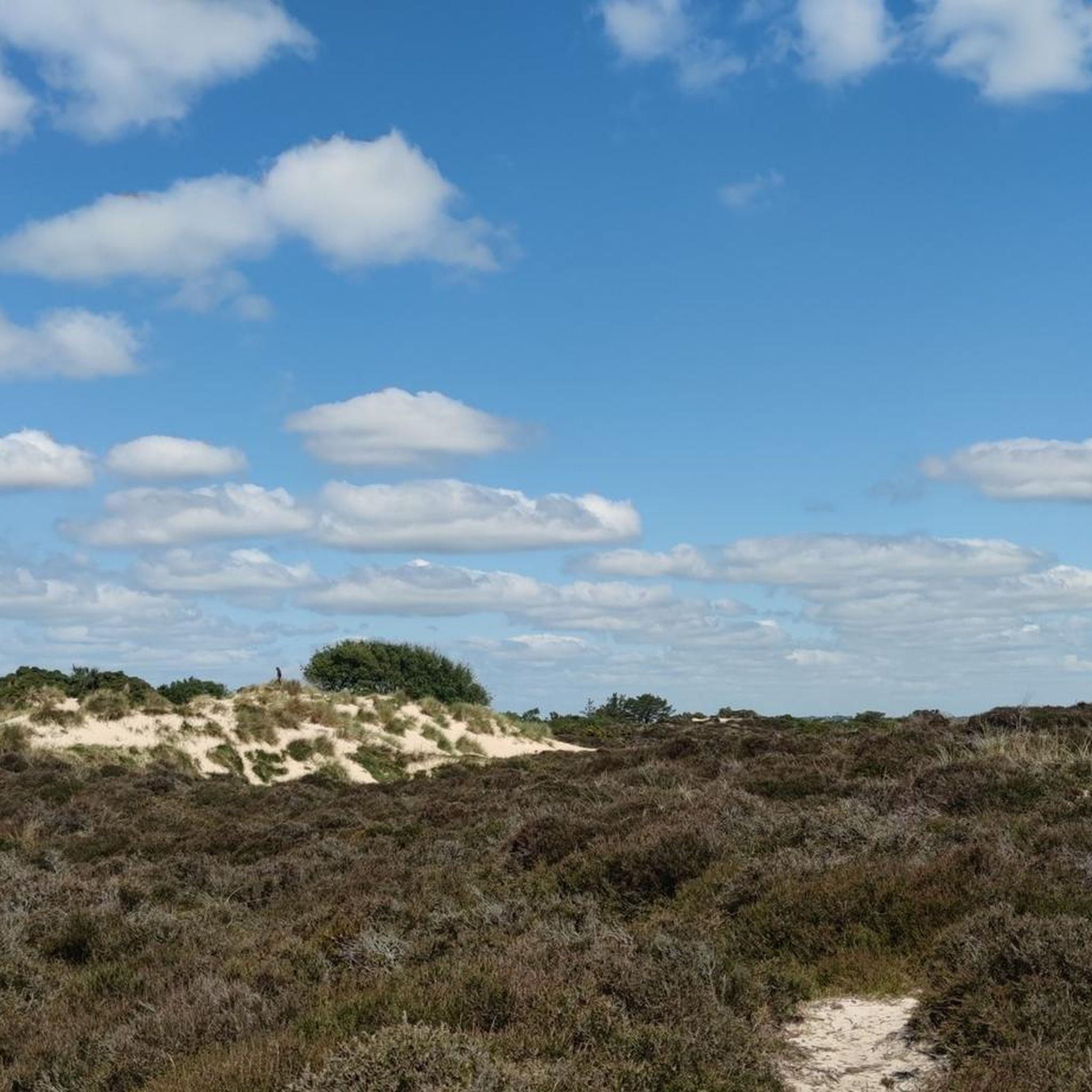
Jogging in Studland And Godlingston Heath National Nature Reserve offers a diverse landscape for runners, characterized by its coastal and heathland environments. The region features long sandy beaches, extensive sand dunes, and protected heathland with a mix of dry and wet areas. This varied terrain provides options ranging from flat, scenic routes along the coast to gently undulating paths through the heath.
Best jogging routes in Studland And Godlingston Heath National Nature Reserve
- The most popular jogging route is Old…
Last updated: October 18, 2026
5.0
(5)
67
runners
Moderate run. Good fitness required. Mostly accessible paths. Some sure footedness required.
122
runners
Moderate run. Good fitness required. Mostly paved surfaces. Suitable for all skill levels.

50
runners
10.4km
01:14
30m
30m
Moderate run. Good fitness required. Mostly paved surfaces. Suitable for all skill levels.
42
runners
55.6km
06:51
1,050m
1,050m
Hard run. Very good fitness required. Mostly paved surfaces. Suitable for all skill levels.
22
runners
Moderate run. Good fitness required. Mostly paved surfaces. Suitable for all skill levels.
Get access to more routes and recommendations from other explorers.
Already have an account?
Our route recommendations are based on thousands of hikes, rides, and runs completed by other people on komoot.
Start today with a free account
Your next adventure awaits.
Popular around Studland And Godlingston Heath National Nature Reserve
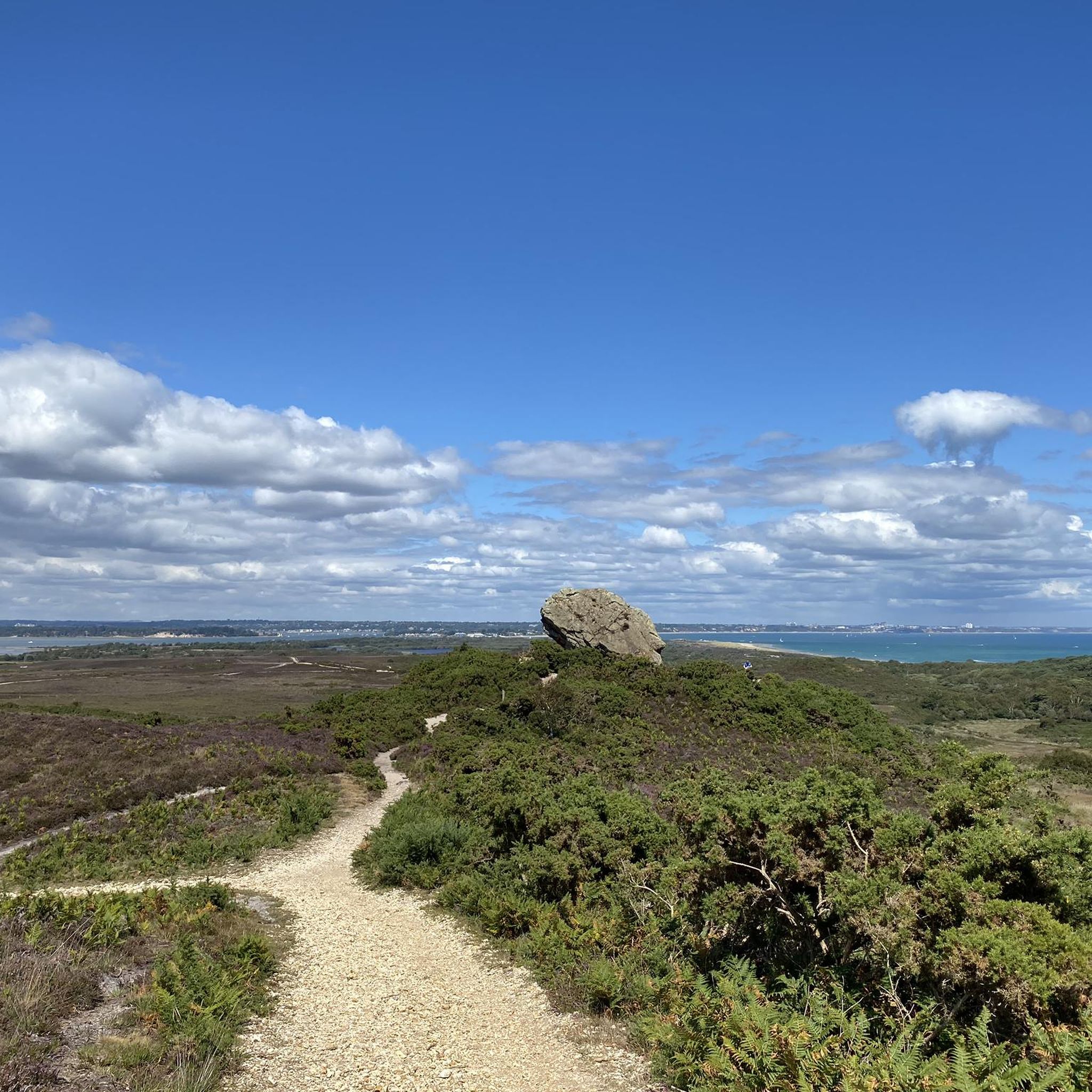
Hiking in Studland And Godlingston Heath National Nature Reserve
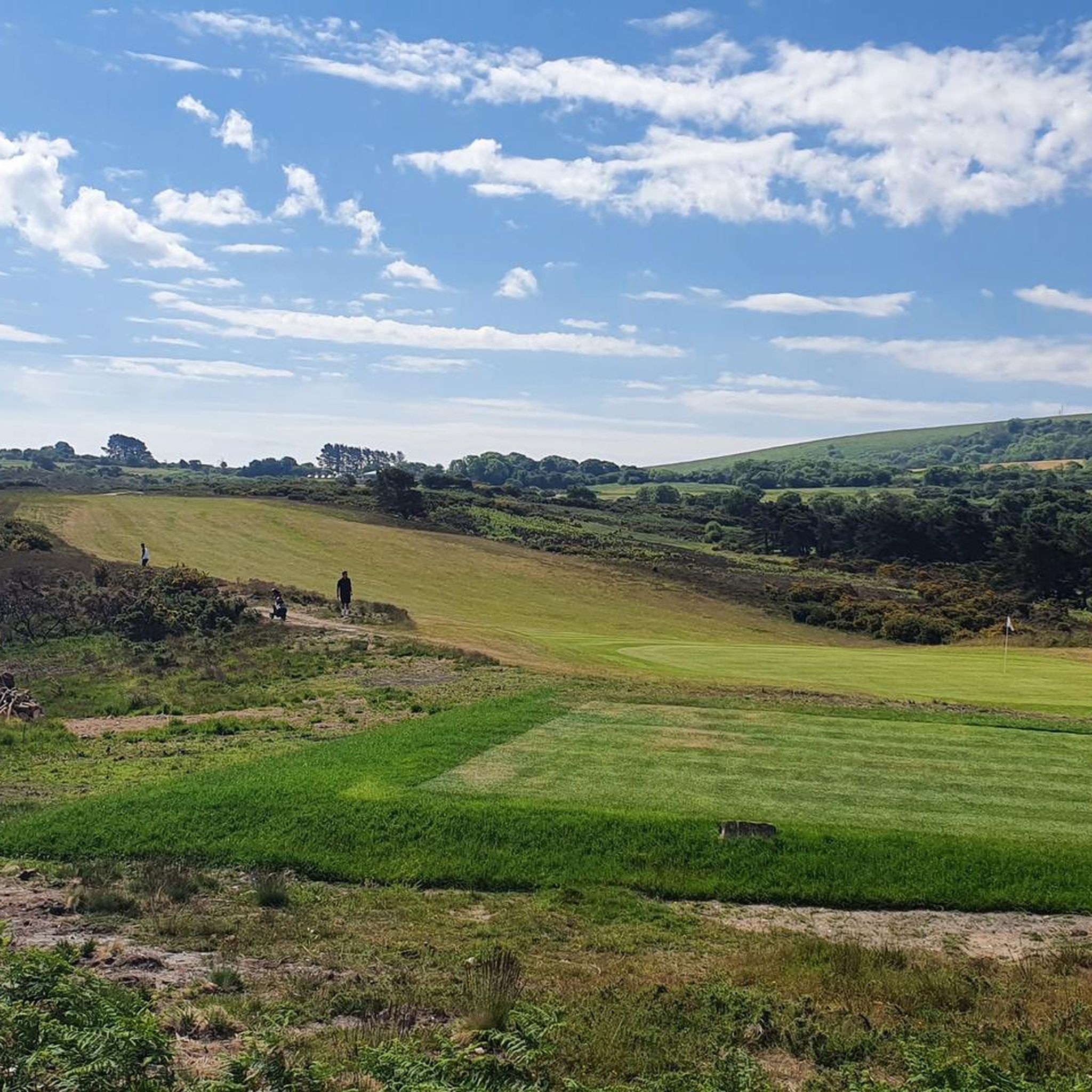
Cycling in Studland And Godlingston Heath National Nature Reserve
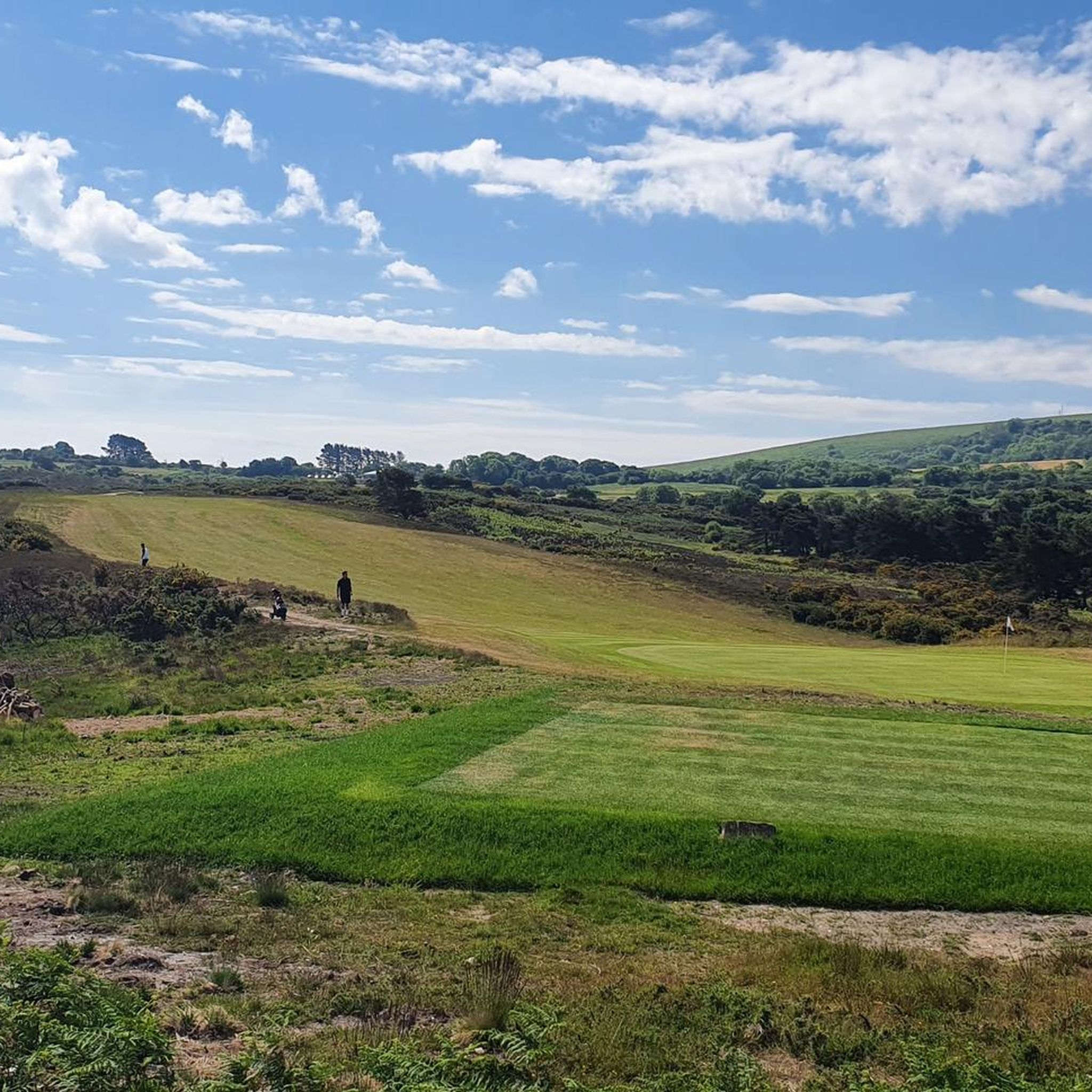
MTB Trails in Studland And Godlingston Heath National Nature Reserve
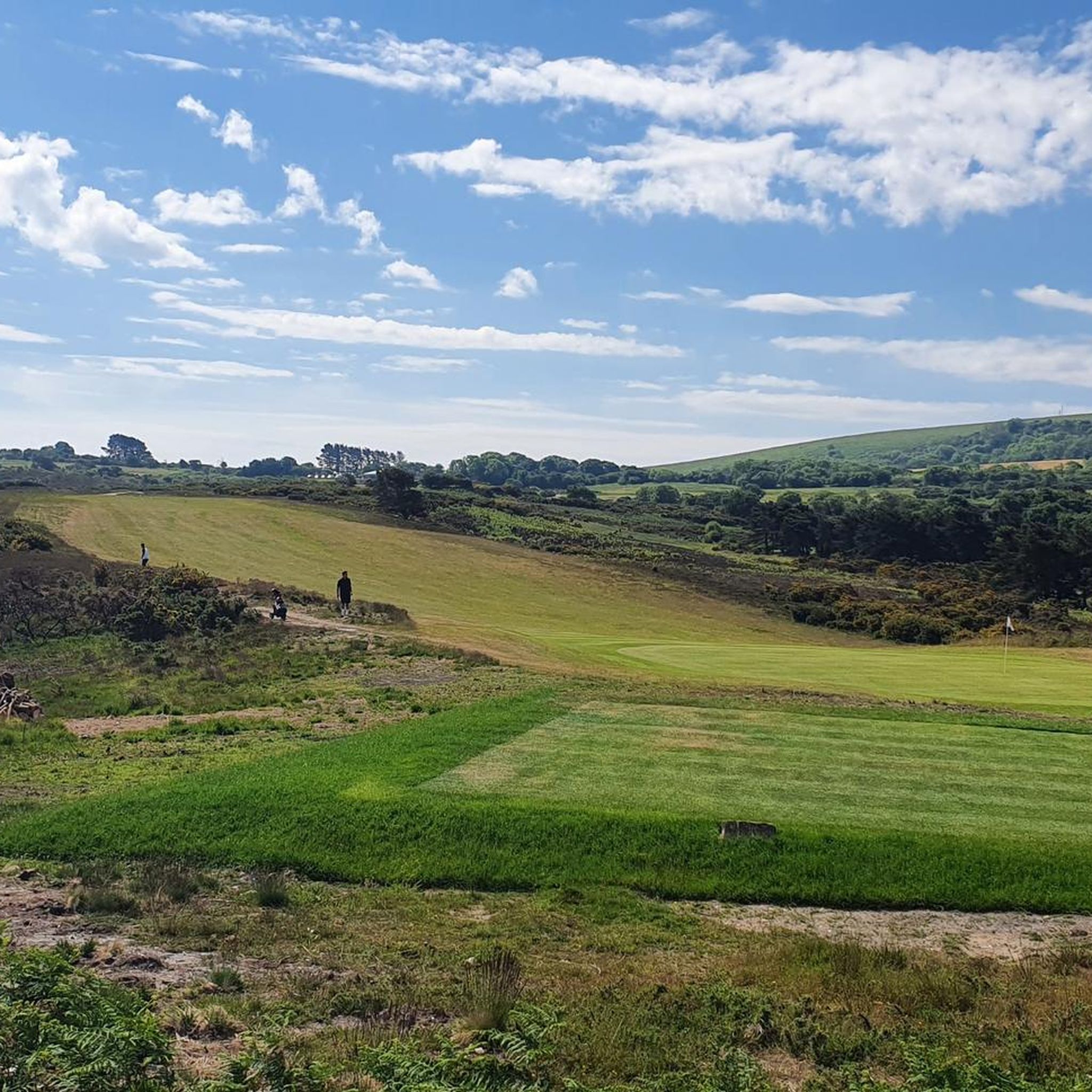
Road Cycling Routes in Studland And Godlingston Heath National Nature Reserve
Gravel biking in Studland And Godlingston Heath National Nature Reserve
Tips from the Community

Corfe Castle offers breathtaking, panoramic views of the Purbeck Hills and rolling Dorset countryside. From its hilltop ruins, you can see the historic Swanage Railway steam trains passing below. On clear days, the vistas stretch across the vibrant heathlands all the way to Poole Harbour and the distant sea.
0
0

Only public loos around
0
0


A great space for lunch and to explore for heading back up onto the coast path
0
0

Formerly an "anvil" shape with a flat top, in 1970 it fell on one end and one side, leaving the top at an angle of about 45°.
0
0
Worth MatraversClick to open side panel for more information is a quintessential Dorset village of limestone cottages and duck ponds. Steeped in history, it features the Norman St. Nicholas Church. The Square and Compass pub is famous for its cider and fossil museum. It serves as a gateway to the rugged Jurassic Coast paths.
0
0
Frequently Asked Questions
How many running routes are available in Studland And Godlingston Heath National Nature Reserve?
There are nearly 400 running routes recorded in Studland And Godlingston Heath National Nature Reserve on komoot. These routes offer a diverse range of experiences, from easy coastal jogs to more challenging heathland trails.
What types of terrain can I expect on the jogging trails?
The reserve offers a diverse mix of terrain for runners. You can expect long stretches of sandy beach, extensive sand dunes, public roads, gravel paths, and grass pathways through the heathland. Some areas of Godlingston Heath can be muddy after rain, so appropriate footwear is recommended.
Are there any easy or family-friendly running routes in the area?
Yes, there are 44 easy running routes available, many of which are suitable for families. The long, flat stretches of Studland Bay Beach provide an excellent, scenic option for a relaxed jog. For specific routes, you can explore options on komoot.
What interesting landmarks or natural features can I see while running?
While running, you can encounter several notable features. The iconic chalk stacks of Old Harry Rocks are a highlight, offering stunning coastal views. You might also pass the mysterious Agglestone Rock, a 400-tonne sandstone formation, or explore the diverse landscapes of Godlingston Heath. Along the coast, you can also spot World War II fortifications. The freshwater lagoon, Little Sea, is another point of interest, especially for birdwatching.
Are there any circular running routes in Studland And Godlingston Heath National Nature Reserve?
Yes, many of the running routes in the reserve are circular, allowing you to start and finish at the same point. An example is the Godlingston Heath loop from Studland, which takes you through the heart of the heathland.
What do other runners enjoy most about jogging here?
The running routes in Studland And Godlingston Heath National Nature Reserve are highly rated by the komoot community, with an average score of 4.6 stars from over 120 reviews. Runners often praise the stunning coastal views, the varied terrain, and the opportunity to experience both sandy beaches and tranquil heathland. Over 22,000 runners have used komoot to explore the area.
Are there any routes that combine coastal views with historical sites?
Absolutely. The Old Harry Rocks – Studland Bay and Fort Henry loop from Studland Bay Marine Conservation Zone is a moderate 10.9 km route that offers expansive coastal views and passes by historical World War II fortifications, providing a blend of natural beauty and heritage.
Can I find challenging running routes in the reserve?
While many routes are moderate, the reserve does offer more challenging options, particularly those that incorporate the undulating terrain of the heathland or longer distances. There are 66 difficult routes recorded on komoot for those seeking a more strenuous run. The National Trust also hosts a regular 'Trust10' 10k trail run, which is known for its challenging, multi-terrain course with breathtaking views.
What is the best time of year to go jogging in Studland And Godlingston Heath?
Studland and Godlingston Heath is beautiful year-round. Spring and autumn offer pleasant temperatures and vibrant scenery, with migratory birds and blooming heathland. Summer is ideal for coastal runs, though it can be busier. In colder months, the reserve supports numerous overwintering wildfowl, offering unique wildlife spotting opportunities, but some heathland areas can become muddy.
Are there any routes that offer panoramic views?
Yes, many routes provide panoramic vistas. The Old Harry Rocks & the Purbeck Way loop from Knoll Beach, Studland offers spectacular views of the iconic chalk stacks and Poole Harbour. Additionally, routes through Godlingston Heath often provide expansive views across the heath to Little Sea and Studland Bay.
What wildlife might I encounter on the running trails?
Studland and Godlingston Heath is a haven for wildlife. You might spot all six native British reptile species, including the rare sand lizard and smooth snake. Birdwatchers can look out for Dartford warblers year-round, and numerous migratory and overwintering birds, especially around Little Sea. The area also boasts a rich population of dragonflies and damselflies.
Most popular routes in Studland And Godlingston Heath National Nature Reserve
Most popular attractions in Studland And Godlingston Heath National Nature Reserve

Get inspired with the komoot mobile app


Explore more
Browse the best Running Trails & Routes in other regions.
