Studland And Godlingston Heath National Nature Reserve
Studland And Godlingston Heath National Nature Reserve
The best cycling routes in Studland And Godlingston Heath National Nature Reserve
4.5
(510)
9,818
riders
233
rides
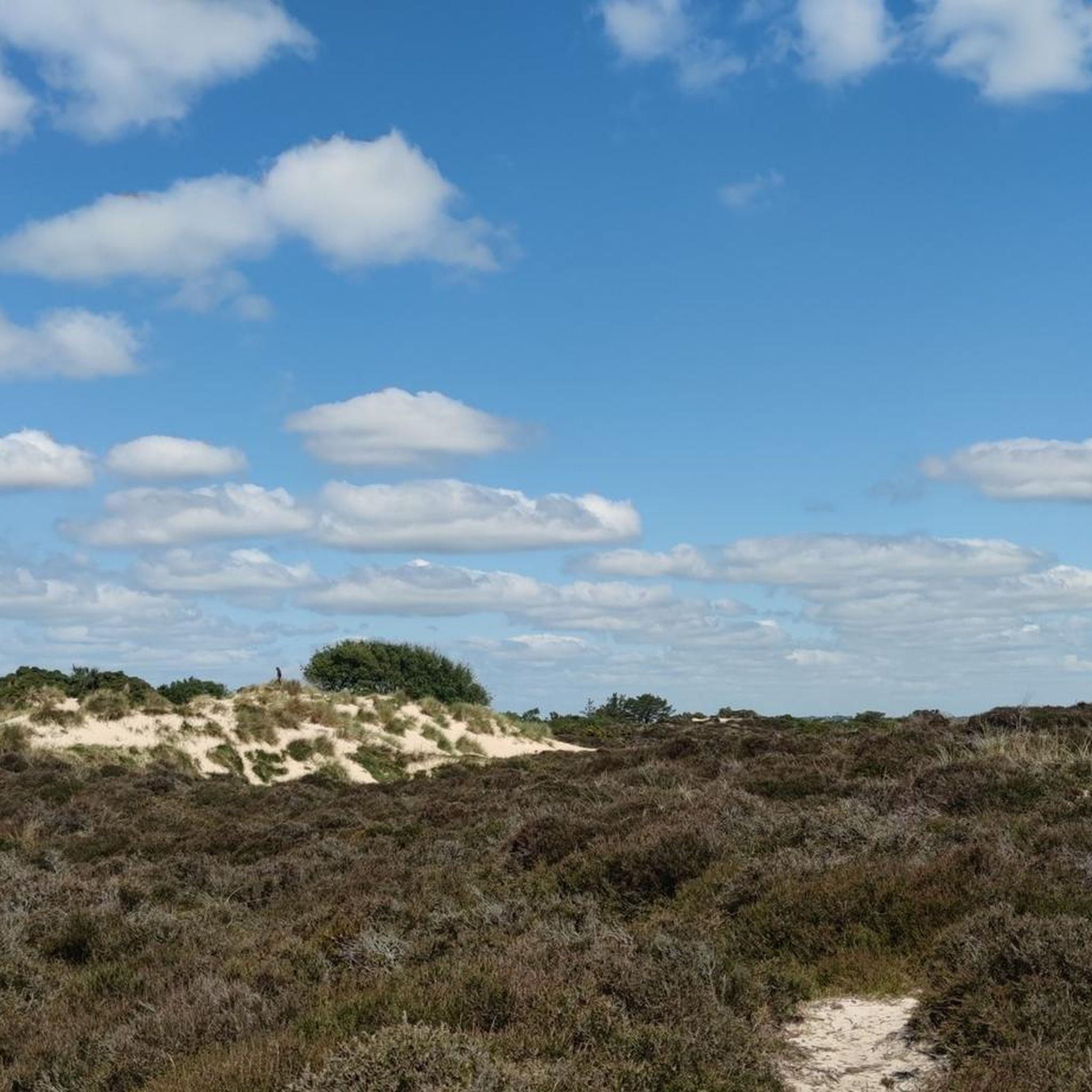
Touring cycling in Studland And Godlingston Heath National Nature Reserve features diverse landscapes, including lowland heath, expansive sand dunes, and tranquil peat bogs. The region encompasses a four-mile sandy beach and offers views of the iconic chalk formations of Old Harry Rocks. This area is part of the Jurassic Coast, a UNESCO World Heritage Site, characterized by rugged coastlines and elevated chalk downlands.
Best touring cycling routes in Studland And Godlingston Heath National Nature Reserve
- The most popular touring cycling…
Last updated: October 18, 2026
4.5
(2)
40
riders
Hard bike ride. Good fitness required. You may need to push your bike for some segments of this route.
5.0
(1)
22
riders
42.4km
02:49
590m
590m
Hard bike ride. Very good fitness required. You may need to push your bike for some segments of this route.

3.0
(1)
27
riders
Hard bike ride. Great for any fitness level. You may need to push your bike for some segments of this route.
5.0
(1)
19
riders
Hard bike ride. Great for any fitness level. You may need to push your bike for some segments of this route.
6
riders
70.7km
04:41
1,020m
1,020m
Hard bike ride. Very good fitness required. Mostly paved surfaces. Suitable for all skill levels.
Get access to more routes and recommendations from other explorers.
Already have an account?
Our route recommendations are based on thousands of hikes, rides, and runs completed by other people on komoot.
Start today with a free account
Your next adventure awaits.
Popular around Studland And Godlingston Heath National Nature Reserve
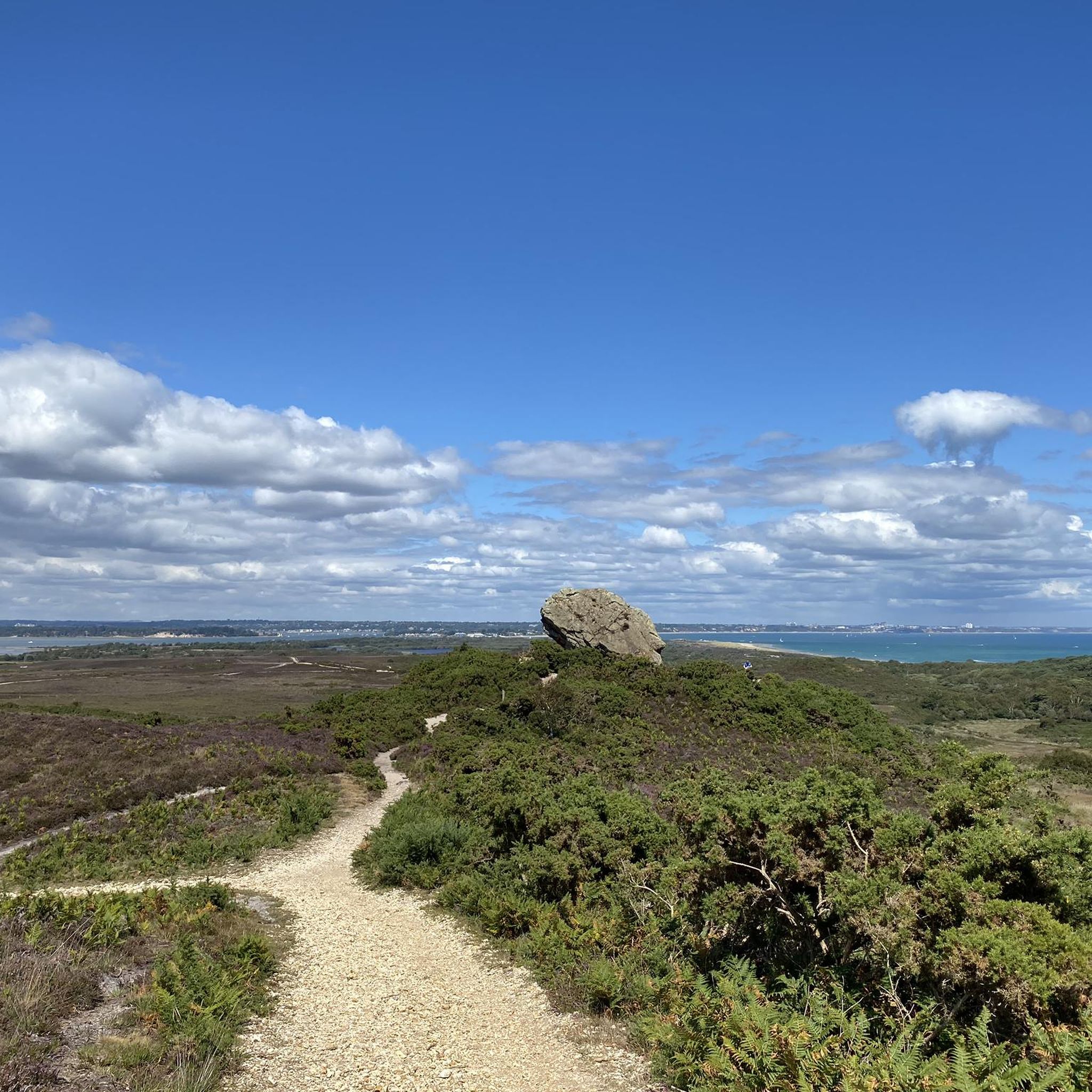
Hiking in Studland And Godlingston Heath National Nature Reserve
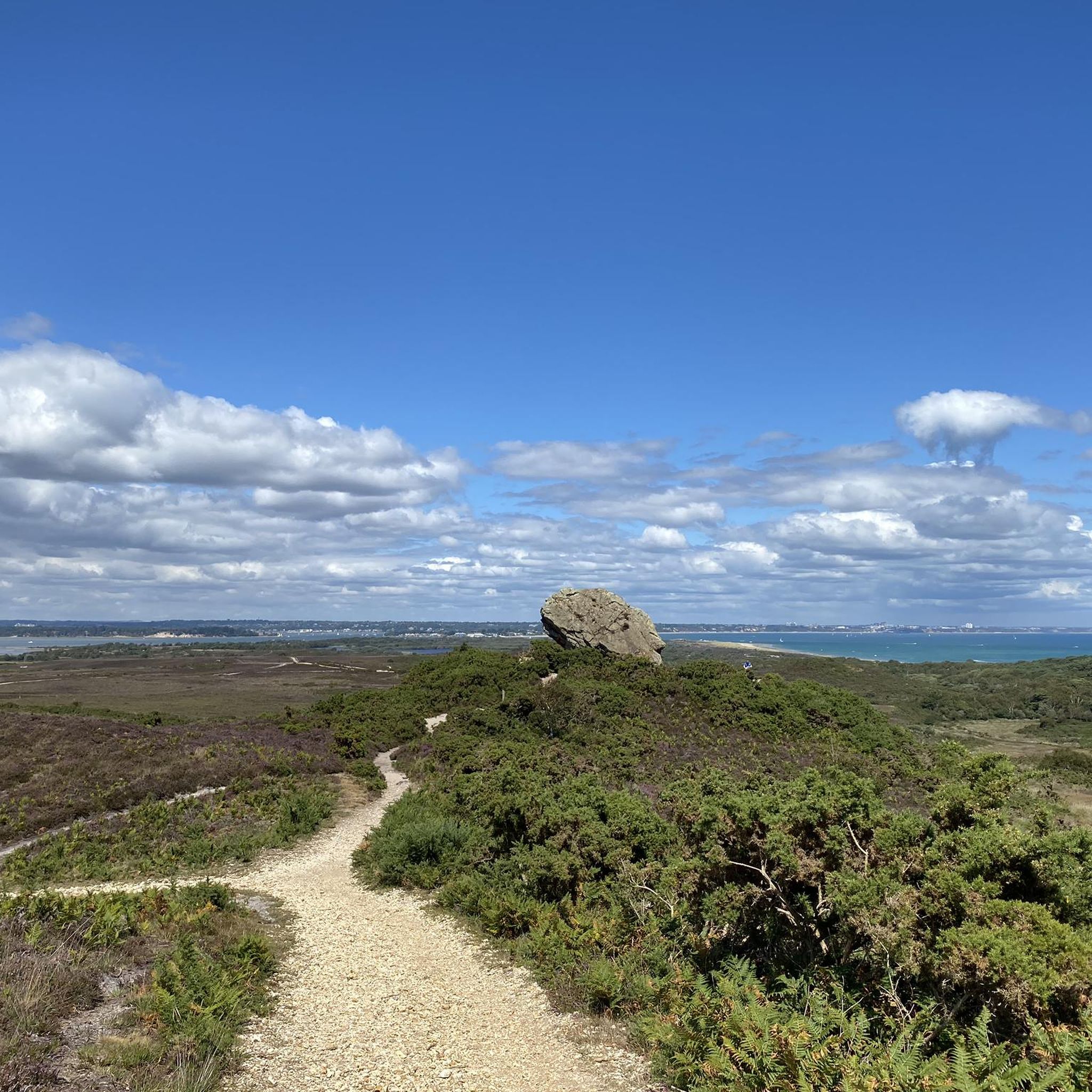
Running Trails in Studland And Godlingston Heath National Nature Reserve
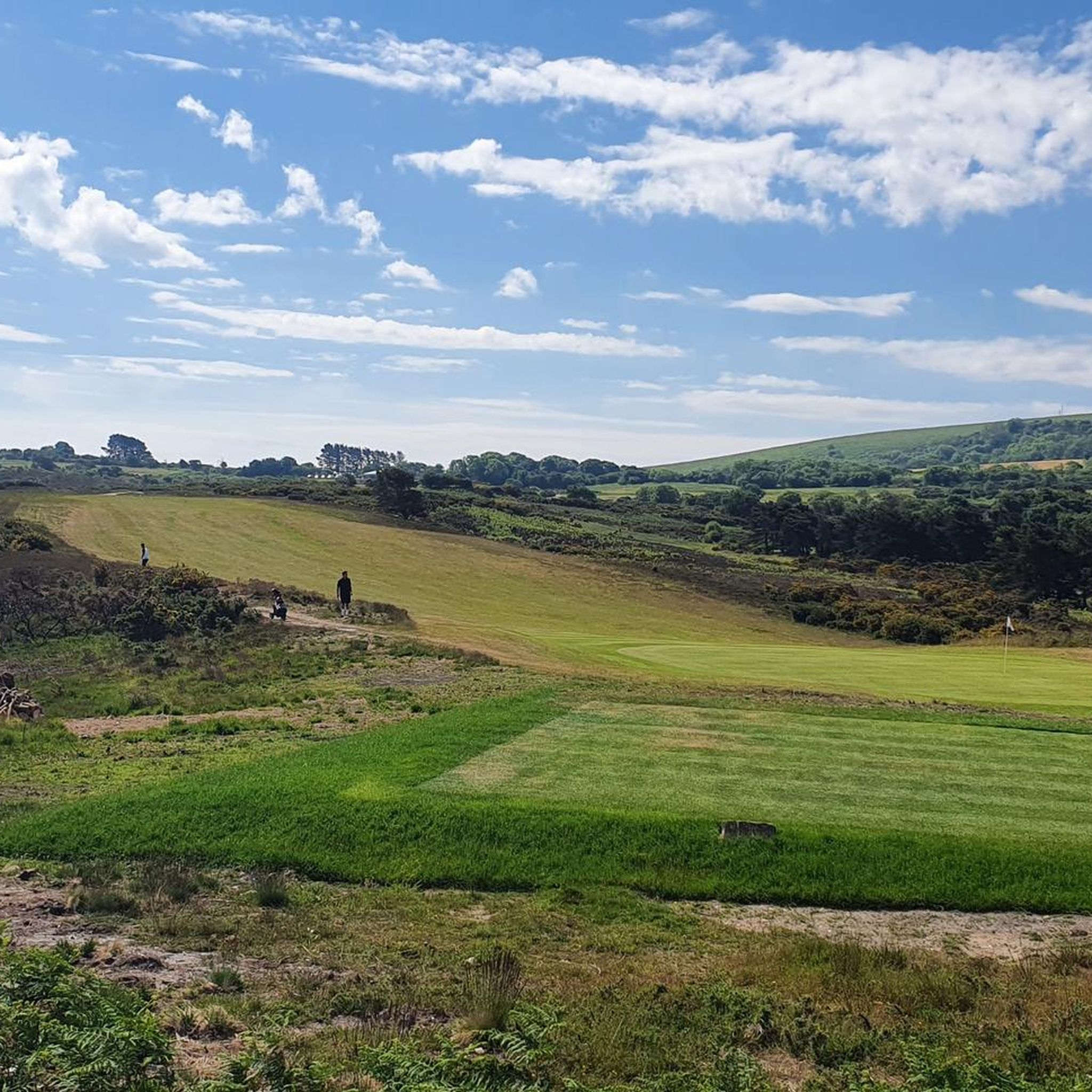
MTB Trails in Studland And Godlingston Heath National Nature Reserve
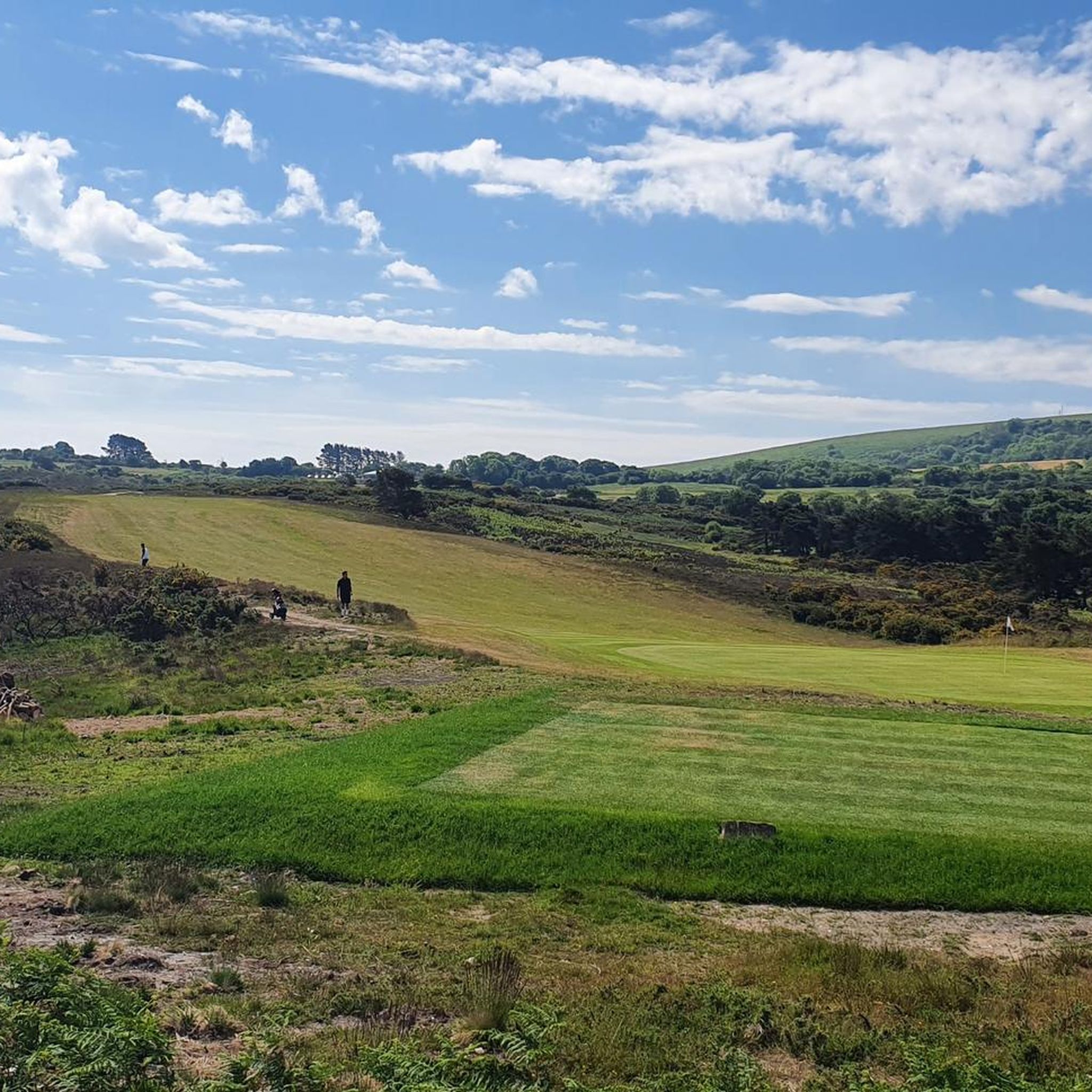
Road Cycling Routes in Studland And Godlingston Heath National Nature Reserve
Gravel biking in Studland And Godlingston Heath National Nature Reserve
Tips from the Community

Corfe Castle offers breathtaking, panoramic views of the Purbeck Hills and rolling Dorset countryside. From its hilltop ruins, you can see the historic Swanage Railway steam trains passing below. On clear days, the vistas stretch across the vibrant heathlands all the way to Poole Harbour and the distant sea.
0
0
Combination of gripping tracks to deep sand ruts. Could get quite tricky if not careful.
0
0
It's a very narrow road, ridiculous hills and not for the faint hearted.
0
0
Gazing south from the ridge, Swanage appears nestled within its limestone bowl. The emerald valley rolls toward the blue bay, where the Victorian town meets the sea, framed perfectly by the towering Purbeck Hills.
0
0
The "Why" Behind the Hill Burt didn't just put it there because it looked nice. He dedicated it to his uncle and mentor, John Mowlem (another massive figure in Swanage history). But there was a practical side, too: A Landmark: It served as a waypoint for ships navigating the tricky waters around Old Harry Rocks. The View: Burt was obsessed with showing off the beauty of his hometown. By placing it on the ridge, he essentially gave people a reason to climb the hill and look down at the town he was helping to build. The Great Disappearing Act (WWII) If you look closely at the obelisk today, it looks remarkably "clean." That’s because the one you see now is a reconstruction. During World War II, the original stone obelisk was considered a "navigational hazard." The British military was worried that German pilots would use the tall, white stone pillar as a landmark to help them find their bearings for bombing raids on nearby Bournemouth or Poole. So, in 1941, they knocked it down. For decades, it lay in pieces in the grass. It wasn't until 1973 that the Encombe Estate and local residents gathered the resources to rebuild it (using a mix of the original stone and some fresh Purbeck masonry) to celebrate "Plant a Tree in '73"—though ironic, as there isn't a tree in sight on that windy ridge!
0
0
If you’ve been hiking those ridges, that lone stone pillar standing guard over Swanage has likely caught your eye. It’s officially known as the Ballard Down Obelisk (or the Burt Memorial), and the story behind it is a classic tale of Victorian pride, a bit of eccentricity, and some very literal "re-gifting." The "Stolen" Monument The obelisk wasn't originally built for the Purbeck Hills. It actually started its life in London. In the mid-1800s, it served as a monument to a man named James Thompson, standing near the entrance to the Vauxhall Bridge. However, when the bridge was being rebuilt in the late 19th century, the obelisk became an "obstruction" and was destined for the scrap heap. Enter George Burt: The Man Who Moved London Swanage looks the way it does today largely because of George Burt, a local businessman who ran a massive masonry firm in London. He had a habit of taking "architectural leftovers" from London and shipping them back to Swanage as ballast on his empty stone boats. When he saw the obelisk was going to be demolished in 1892, he stepped in. He didn't just save it; he dismantled it, shipped it down the coast, and hauled it all the way to the top of Ballard Down.
0
0
Studland Bay features well-maintained gravel paths winding through the Godlingston Heath and dunes. These accessible trails offer stunning coastal views and link the beaches, providing a stable, year-round surface for walkers and cyclists.
0
0

Frequently Asked Questions
How many touring cycling routes are available in Studland And Godlingston Heath National Nature Reserve?
There are over 250 touring cycling routes in Studland And Godlingston Heath National Nature Reserve, offering a wide range of options for different skill levels and preferences. You'll find everything from easy road rides to more challenging off-road adventures.
What are the typical difficulty levels for touring cycling routes in the reserve?
The routes in Studland And Godlingston Heath National Nature Reserve cater to various abilities. Approximately 79 routes are considered easy, 87 are moderate, and 86 are difficult. This means you can find trails suitable for a relaxed ride or a more strenuous challenge.
What kind of terrain can I expect when cycling in Studland And Godlingston Heath National Nature Reserve?
You'll encounter diverse terrain, including well-paved roads, firm gravel paths, and softer heathland tracks. The reserve features expansive sand dunes, tranquil peat bogs, and areas of alder and willow carr. Be aware that some heathland sections can become unpaved, muddy, and slippery, especially in wet winter weather, so a suitable bike and tires are recommended.
Are there any family-friendly cycling routes in the area?
Yes, there are routes suitable for families. Simpler options, like the 'Bike to the Beach Route' mentioned in regional research, are largely flat and follow off-road trails, providing pleasant heathland and coastal views. While specific family-friendly routes aren't detailed in the provided data, the presence of 79 easy routes suggests many suitable options for cycling with children.
What are some notable natural features or landmarks I can see along the cycling routes?
Cycling routes often provide stunning views of the iconic chalk formations of Old Harry Rocks and the historic Corfe Castle. You can also explore the internationally important lowland heath, sand dunes, and freshwater lagoons like the 'Little Sea'. Don't miss the colossal Agglestone Rock, steeped in local folklore, or the scenic Godlingston Heath itself.
Are there any circular cycling routes available?
Yes, many routes are designed as loops, allowing you to start and end in the same location. For example, the Swanage Beach – Old Harry Rocks loop from Studland Bay Marine Conservation Zone offers coastal views, and the Gravel Path on Cycle Route 2 – View of Corfe Castle loop from Studland provides scenic views of Corfe Castle.
What is the best time of year to go touring cycling in Studland And Godlingston Heath National Nature Reserve?
The region offers enjoyable cycling throughout the year, but conditions vary. Spring and summer provide pleasant weather for exploring the heathlands and coast. Autumn brings beautiful colors, though you should be prepared for potentially muddy and slippery heathland paths, especially after rain. Winter cycling is possible, but some unpaved sections may become challenging.
Can I spot any wildlife while cycling in the reserve?
Yes, the heathlands are home to unique wildlife. Cyclists have the opportunity to observe all six native British reptile species, including the rare sand lizard and smooth snake, as well as birds like the Dartford warbler. Keep an eye out for these creatures as you pedal through the diverse habitats.
What do other touring cyclists enjoy most about cycling here?
The area is highly rated by the komoot community, with an average score of 4.5 stars from over 420 reviews. Reviewers often praise the diverse landscapes, ranging from lowland heath to sandy beaches, and the stunning panoramic views of landmarks like Old Harry Rocks and Corfe Castle. The variety of routes catering to different skill levels is also frequently highlighted.
Are there routes that offer views of Brownsea Island?
Yes, you can find routes that provide scenic views of Brownsea Island. The Studland Bay – View of Brownsea Island loop from Studland Bay Marine Conservation Zone is a coastal trail that offers glimpses of the island.
Where can I find routes that include the National Cycle Network Route 2?
The area is well-integrated with the National Cycle Network Route 2. For example, the Gravel Path on Cycle Route 2 – Studland Bay loop from Studland is a route that utilizes this network, offering a mix of gravel paths and scenic views.
Are there any very long touring cycling routes for experienced riders?
For experienced riders seeking a longer challenge, routes like the View of Corfe Castle – Studland Bay loop from Studland Bay Marine Conservation Zone cover a significant distance of nearly 70 km with substantial elevation gain, providing an extensive exploration of the region's diverse landscapes.
Most popular routes in Studland And Godlingston Heath National Nature Reserve
Most popular attractions in Studland And Godlingston Heath National Nature Reserve

Get inspired with the komoot mobile app


Explore more
Browse the best Cycling routes in other regions.
