Attractions and Places To See around Saint-Python - Top 20
Best attractions and places to see around Saint-Python include historical sites and natural features within this commune in the Nord department of France. The area offers a glimpse into its past through architectural landmarks and proximity to cultural and recreational sites. Visitors can explore a mix of historical monuments and natural landscapes. The region provides opportunities for walking routes and discovering local heritage.
Best attractions and places to see around Saint-Python
- The most popular attractions is Menhir known as Le…
Last updated: September 12, 2026
Avesnes-le-Sec
Highlight • Settlement
Translated by Google •
Tip by

Country house of the Abbey of Saint-Aubert in Cambrai
Highlight • Historical Site
Translated by Google •
Tip by
Sign up now to discover places like this
Get recommendations on the best single tracks, peaks, & plenty of other exciting outdoor places.
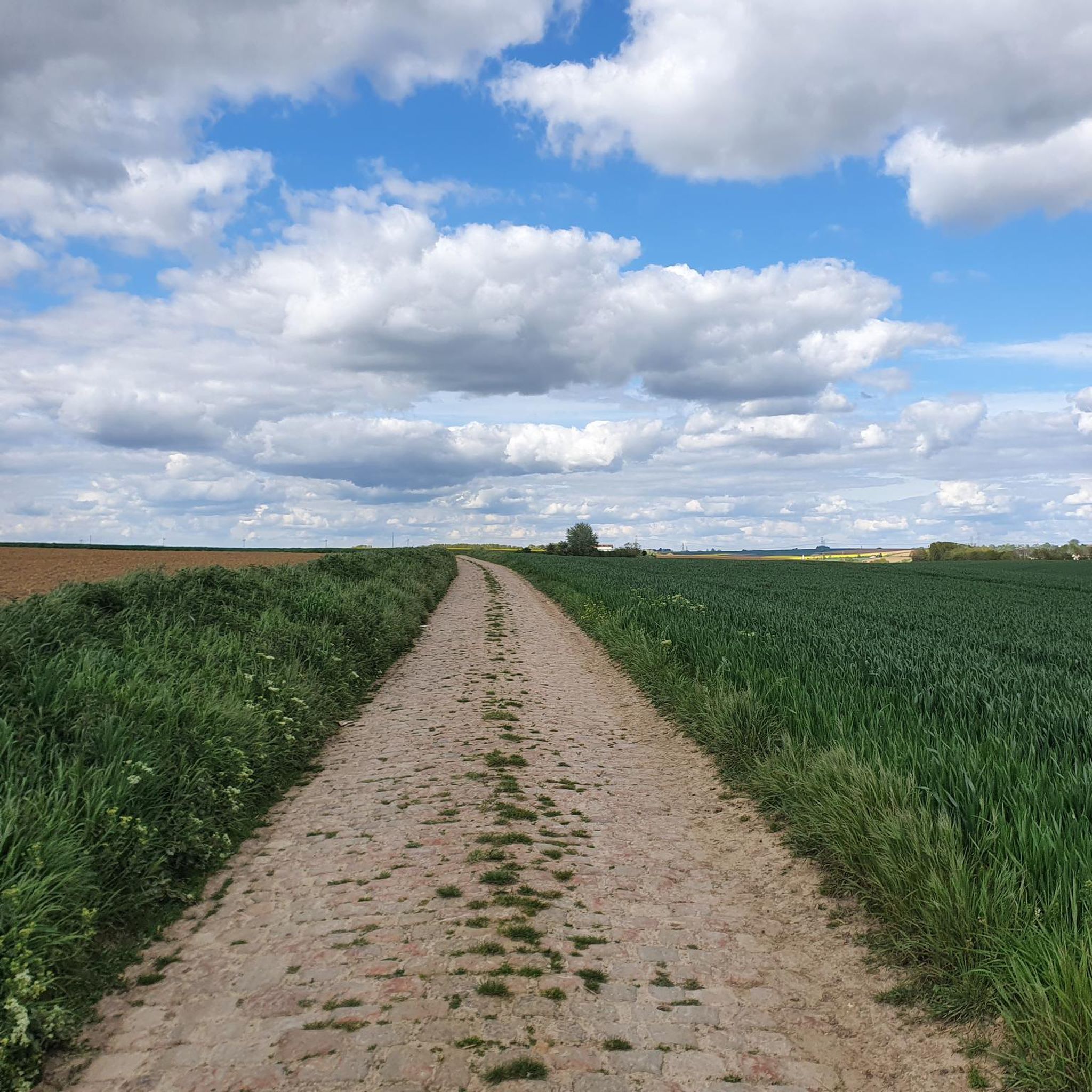
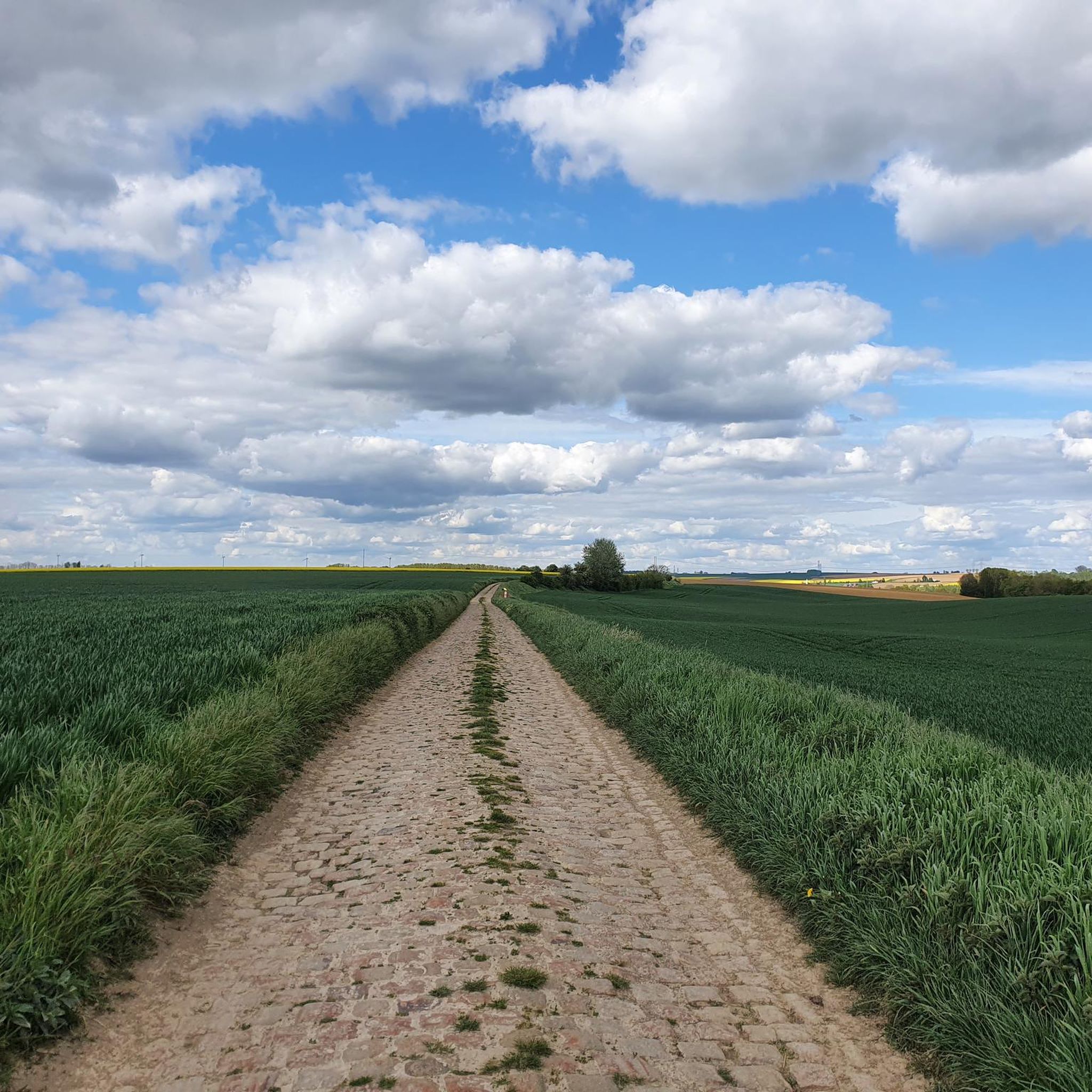
Quiévy to Saint-Python Cobbled Sector
Highlight (Segment) • Cycleway
It is quite trying due to its length and its climbs!
Translated by Google •
Tip by

Moulin du Tordoir
Highlight • Monument
Translated by Google •
Tip by

Menhir known as Le Gros Caillou or Grès Montfort
Highlight • Historical Site
The place allows you to take a short break and enjoy a very beautiful view.
The paths are very rolling and very well maintained.
Translated by Google •
Tip by
Sign up for free to discover even more attractions around Saint-Python.
Already have an account?
Start today with a free account
Your next adventure awaits.



Tips from the Community

The image speaks for itself
0
0

a beautiful place to rest
0
0

Beautiful walk between countryside and village. Pretty paths and alleys. To discover
0
0

magnificent view of the Ecaillon valley
0
0

Centuries ago, our ancestors discovered the possibility of harnessing the power of the elements - which could be useful on the one hand, but also a threat on the other - for various purposes. Such mills are an example of human ingenuity: the heavy millstones with which, for example, grain was ground into grain or oil was pressed, could be powered with the help of the wind or - as here - water.
0
0

Avesnes-le-Sec is a commune in the French Northern Department, in the Hauts-de-France region. It has an area of 10.4 km² and has 1,445 inhabitants (2020). It is part of the arrondissement of Valenciennes and the canton of Denain. Avesnes-le-Sec has a number of sites and heritage that testify to its history and culture. Some examples are: Avesnes-le-Sec Communal Cemetery Extension, a war cemetery from the First World War, where 65 British soldiers are buried. The ruins of the Moulin de Pierre, a tower mill from the 18th century, built with white limestone from the region. The mill was destroyed by a German shell in 1918. The Saint Aubertus Church, a Gothic church from the 12th century, dedicated to the patron saint of the municipality. The church has a remarkable portal with sculptures and an organ from the 19th century. Avesnes-le-Sec is also a pleasant place for walking or cycling, thanks to its green surroundings and its proximity to the River Somme. There are several routes and paths that run along the water or through the countryside. One of the most beautiful routes is the Voie verte du cavalier d'Agincourt, which connects Aniche to Escaudain over a distance of 12 km.
5
0
The castle was built in the 17th century and was completed in the 19th century. Originally owned by the Abbaye Saint-Aubert de Cambrai, the castle was built on land owned by the abbey. The plans are said to have belonged to Ange-Jacques Gabriel or Alexandre-Théodore Brongniart. The castle was sold as national property during the Revolution. With the help of a stooge, Count François Marie Joseph de Frahan became the owner. It was sold by his descendants to Pierre Joseph Danjou in 1853 and then to Nicolas Meriaux in 1884. In 1887, Marie-Adélaide Verkinder, wife of deputy Ernest Déjardin, acquired the château. It passed to her daughter and son-in-law, Ambassador Pierre Lefèvre-Pontalis. During the First World War, the castle became the headquarters of Jagdgeschwader and Baron Manfred von Richthofen lived there. The castle, its moats and bridges have been classified as a historical monument since September 21, 1983, while the outbuildings, the old building on the edge of road number 4, the facades and roofs of the pigeon tower and the pavilion in the park and the perimeter wall with its gates since the same date have been registered as a historical monument.
5
0

Nice place in good weather. Easy access. Families, athletes... nothing bad and a small bench to take a break before going back to the countryside :-)
0
0
Frequently Asked Questions
What historical sites can I explore in and around Saint-Python?
Saint-Python and its surroundings offer a rich historical tapestry. Within the commune, you can find the historic Saint-Python's Castle (also known as Cardon Castle) and the smaller Leterme Castle. The village church, reconstructed in 1536, is another significant site. Nearby, you can visit Avesnes-le-Sec, a commune with a war cemetery and the ruins of an 18th-century mill. The Country house of the Abbey of Saint-Aubert in Cambrai, a 17th-century castle, is also a notable historical monument.
Are there any castles to visit in Saint-Python?
Yes, Saint-Python is home to two castles. The prominent Saint-Python's Castle (Cardon Castle) has a long history, including a restoration in 2008 after a fire. Additionally, the commune features the smaller Leterme Castle, built in 1908. Nearby, the Country house of the Abbey of Saint-Aubert in Cambrai, a 17th-century castle, is also accessible.
What natural attractions or viewpoints are there near Saint-Python?
For natural beauty and views, the Menhir known as Le Gros Caillou or Grès Montfort is a must-see. This megalith offers a magnificent view of the Ecaillon valley and is surrounded by well-maintained paths perfect for a short break. Further afield, the Forest of Mormal, about 18 km away, provides extensive natural landscapes for outdoor activities.
Are there family-friendly activities or attractions in the Saint-Python area?
Yes, there are several family-friendly options. The Menhir known as Le Gros Caillou or Grès Montfort is considered family-friendly, with easy access and well-maintained paths. For more recreational fun, Le Fleury, an amusement park located about 16.8 km away in Wavrechain-sous-Faulx, offers various activities. The Base de Loisirs de l'Étang du Pont Rouge, a leisure base with a pond, is also a good option for families, approximately 12.5 km from Saint-Python.
What kind of outdoor activities can I do around Saint-Python?
The area around Saint-Python is excellent for outdoor enthusiasts. You can find numerous routes for hiking, cycling, and mountain biking. For detailed routes, explore the Hiking around Saint-Python, Cycling around Saint-Python, and MTB Trails around Saint-Python guides. The Forest of Mormal also offers opportunities for outdoor exploration.
Are there hiking trails available near Saint-Python?
Absolutely. There are several hiking trails around Saint-Python, catering to various difficulty levels. Popular routes include the 'Moulin Labbez loop from Haussy' (8.6 km, moderate) and the 'Fountain – Wallerand Mill on the River Selle loop from Haussy' (10.3 km, moderate). You can find more options and detailed information in the Hiking around Saint-Python guide.
Can I find cycling routes around Saint-Python?
Yes, Saint-Python is a great area for cycling. You can find routes like the 'Fountain loop from Solesmes' (18.3 km, easy) or the 'Solesmes Calvary – Haspres loop from Solesmes' (34.5 km, moderate). For a challenging experience, the Quiévy to Saint-Python Cobbled Sector is a 3.7 km paved section used in the Paris-Roubaix race. Discover more routes in the Cycling around Saint-Python guide.
What is the "Quiévy to Saint-Python Cobbled Sector" and what is its significance?
The Quiévy to Saint-Python Cobbled Sector is a 3.7 km long paved section renowned for its use in the Paris-Roubaix cycling race. It's considered a challenging 4-star sector due to its length, climbs, and rough stones, making it a significant test for cyclists. The strip has been in use since 1973 and was last repaved in 2007. At its end, you can find the historic Ferme de la Fontaine au Tertre, which served as a field hospital during WWI.
What is the <a href="https://www.komoot.com/highlight/3449586" target="_blank" rel="noopener">Moulin du Tordoir</a>?
The Moulin du Tordoir is a historical oil mill that harnessed the force of a waterfall to crush oilseeds. It stands as an example of human ingenuity in utilizing natural elements for practical purposes centuries ago. It's a very scenic spot, appreciated by visitors for its historical significance and picturesque setting.
Are there any museums or cultural sites near Saint-Python?
Yes, several cultural sites and museums are within a short drive. The Musée Départemental Matisse in Le Cateau-Cambrésis, dedicated to Henri Matisse, is about 10.3 km away. The Caudrésien Museum of Lace and Embroidery in Caudry, approximately 8.9 km from Saint-Python, showcases the region's lacemaking heritage. Additionally, the UNESCO World Heritage Belfries of Cambrai and Douai are within 18 km and 35 km respectively, offering significant architectural and historical interest.
What do visitors enjoy most about the attractions around Saint-Python?
Visitors particularly enjoy the blend of historical significance and natural beauty. The Menhir known as Le Gros Caillou or Grès Montfort is praised for its magnificent views of the Ecaillon valley and well-maintained paths, perfect for a break. The historical insights offered by sites like Avesnes-le-Sec and the ingenuity displayed by the Moulin du Tordoir are also highly appreciated.
Are there any dog-friendly places or trails around Saint-Python?
While specific dog-friendly designations for trails are not detailed, many outdoor areas and walking routes in natural settings are generally suitable for dogs on a leash. The well-maintained paths around the Menhir known as Le Gros Caillou or Grès Montfort could be a pleasant option for a walk with your dog. When exploring, always ensure your dog is under control and respect local regulations regarding pets.
Most popular routes around Saint-Python

Get inspired with the komoot mobile app


Explore more
Still not found the Highlight you’re looking for? See guides of the top attractions in other regions:
