4.8
(39)
642
달리기 하는 사람
71
러닝
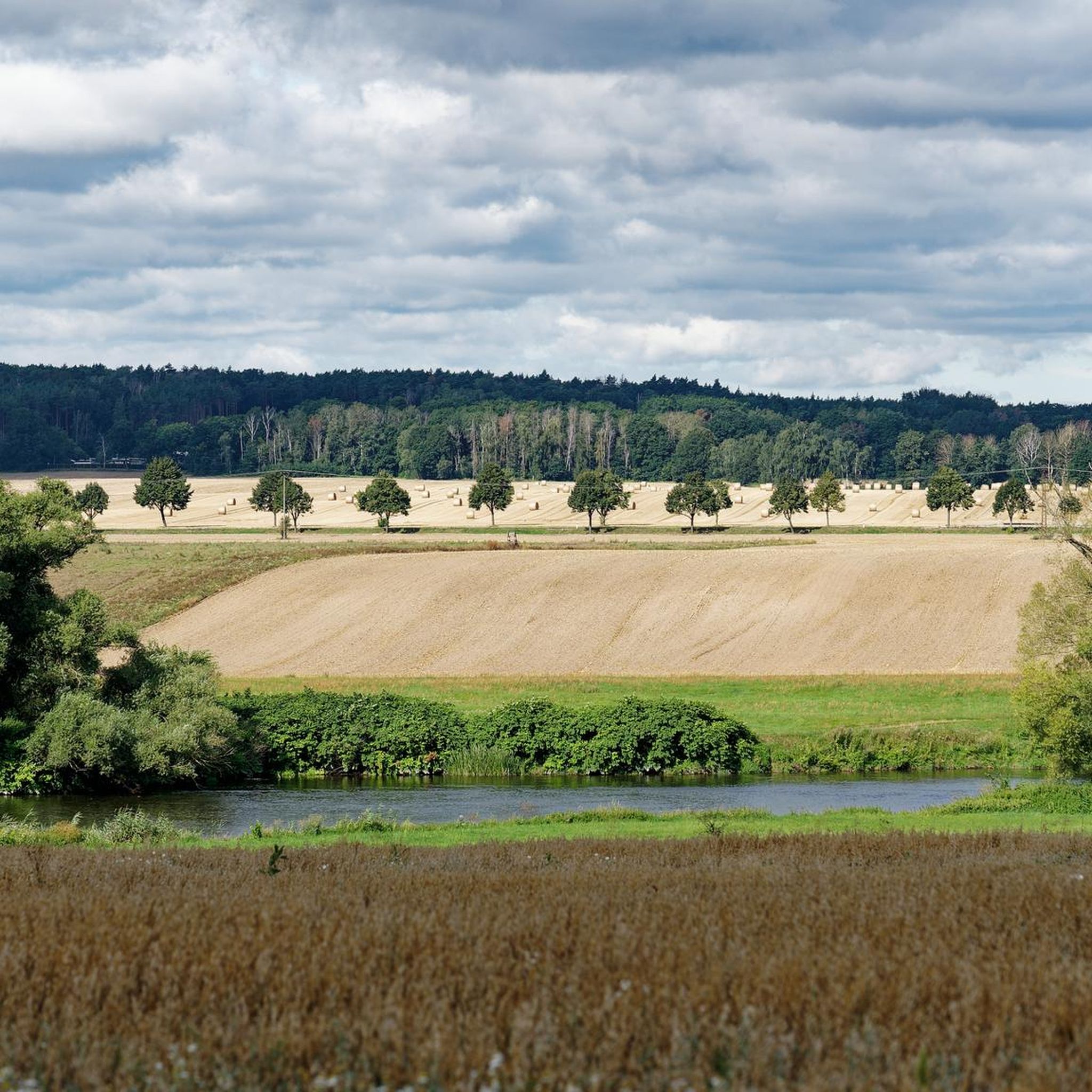
Wurzen 주변 조깅은 지역을 가로질러 흐르며 수많은 강변 길을 제공하는 Mulde 강으로 특징지어지는 다양한 풍경을 제공합니다. 지형은 일반적으로 평평하거나 완만하게 구불거리는 편이며 고도 변화가 거의 없어 다양한 체력 수준의 사람들이 접근하기 좋습니다. 러너들은 도시 지역, 역사적 랜드마크, 그리고 지역 채석장과 수변 지역의 풍경을 포함한 자연 환경을 탐험할 수 있습니다. 이 지역의 길 네트워크는 짧고 쉬운 조깅 코스와 장거리 달리기 트레일을 모두 제공합니다.
마지막 업데이트: 5월 12, 2026
3.7
(3)
47
달리기 하는 사람
10.8km
01:08
50m
50m
보통 조깅. 좋은 체력 필요. 대부분 포장된 지면. 실력과 관계없이 누구나 갈 수 있음.
5.0
(2)
31
달리기 하는 사람
11.4km
01:11
30m
30m
보통 조깅. 좋은 체력 필요. 대부분 포장된 지면. 실력과 관계없이 누구나 갈 수 있음.

무료 회원 가입
4.2
(12)
26
달리기 하는 사람
13.8km
01:26
30m
30m
보통 조깅. 좋은 체력 필요. 대부분 포장된 지면. 실력과 관계없이 누구나 갈 수 있음.
21
달리기 하는 사람
8.03km
00:52
30m
30m
보통 조깅. 좋은 체력 필요. 대부분 포장된 지면. 실력과 관계없이 누구나 갈 수 있음.
15
달리기 하는 사람
22.4km
02:26
150m
150m
어려운 조깅. 우수한 체력 필요. 대부분 포장된 지면. 실력과 관계없이 누구나 갈 수 있음.
더 다양한 경로와 다른 탐험가들의 추천을 살펴보세요.
무료 회원 가입
이미 komoot 계정이 있나요?
투어 추천은 다른 사람들이 komoot에서 완료한 수천 개의 활동을 바탕으로 구성되어 있습니다.
오늘 무료 계정으로 시작하세요
다음 모험이 기다리고 있어요.
로그인 또는 가입하기
우르젠 주변 인기 장소
자전거를 타고 라이프지흐를 탐험해보세요 - 자연이 되찾은 공업지대
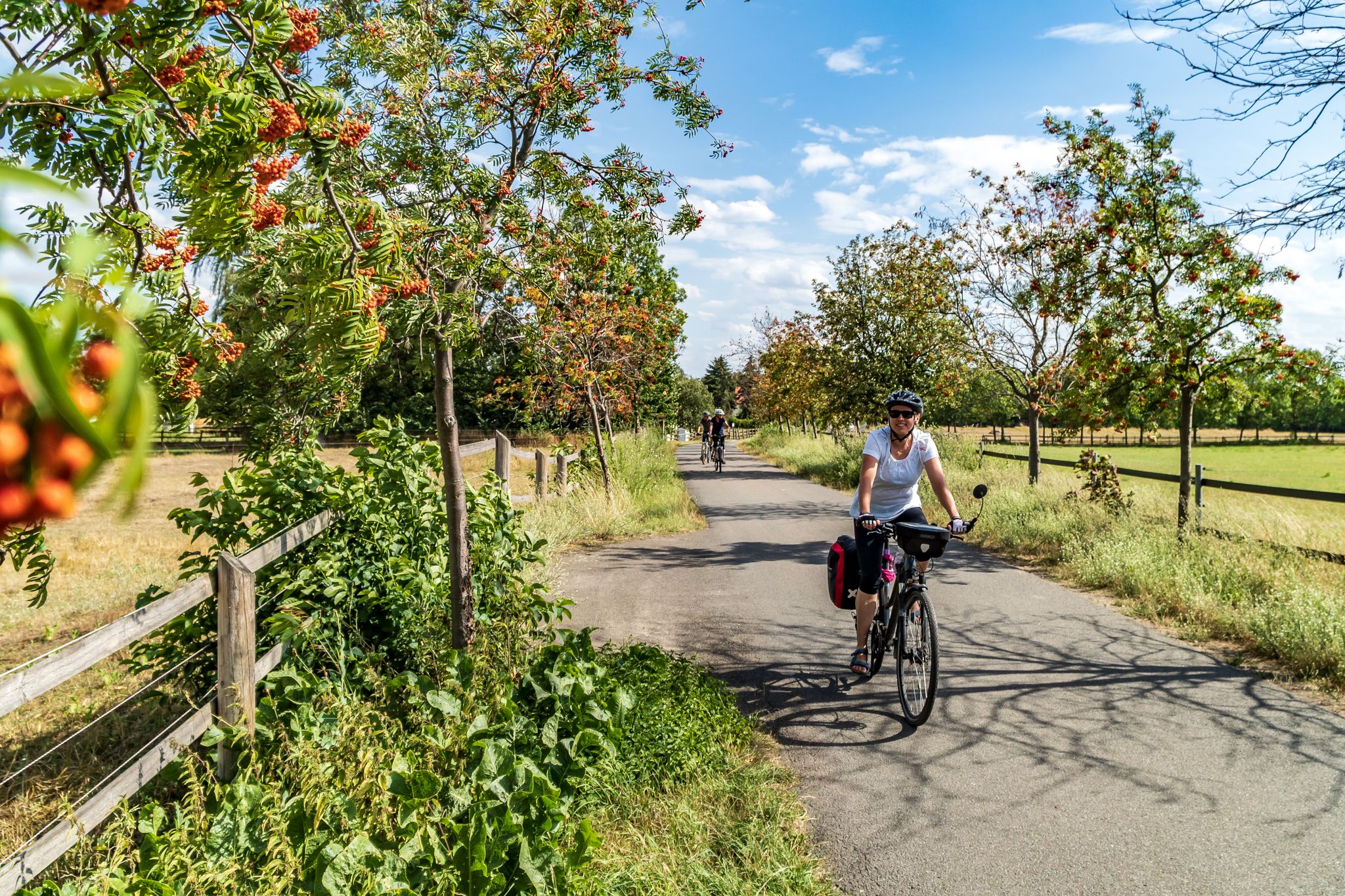
Cycling into the countryside – urban escapism around Leipzig
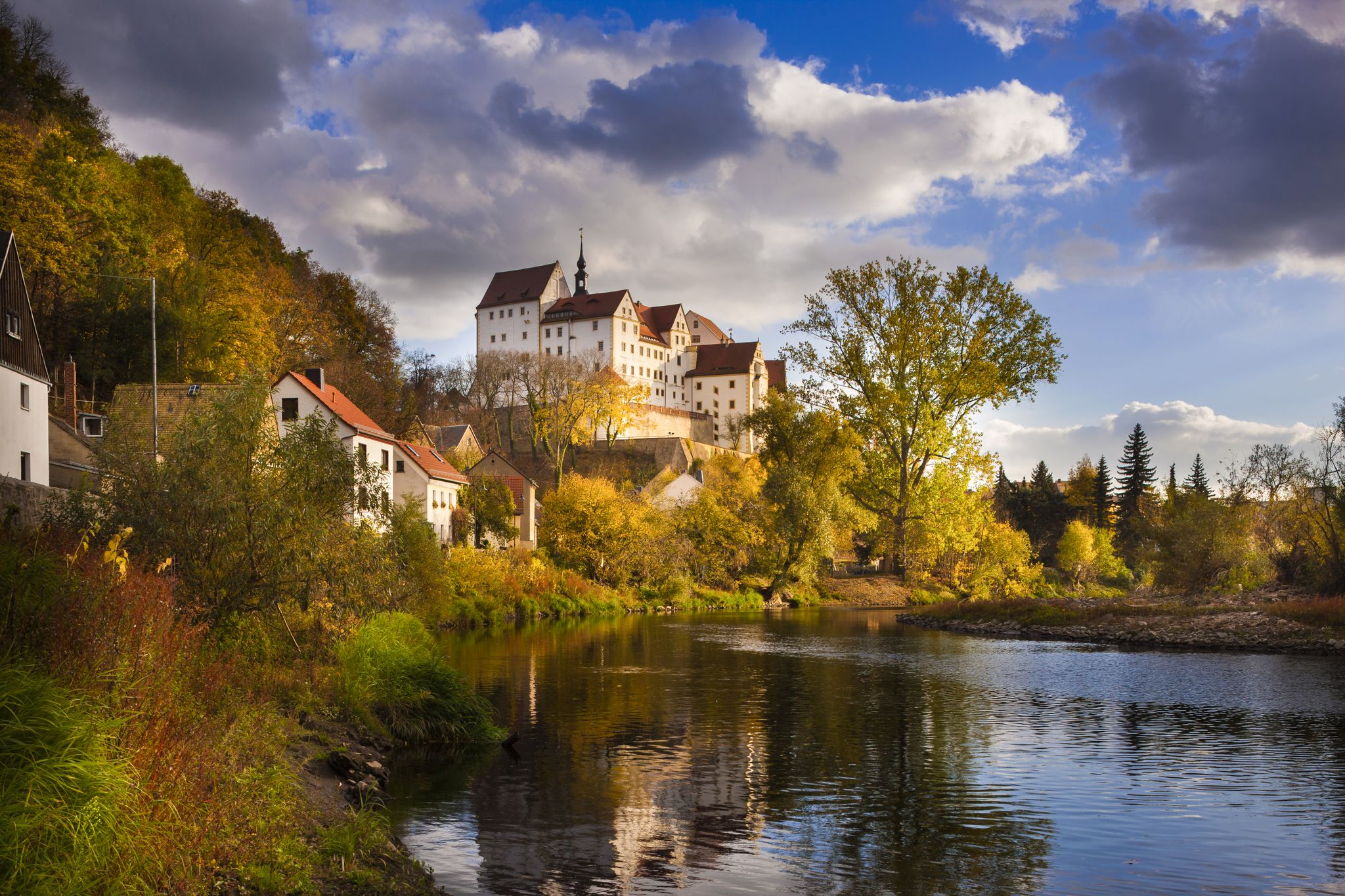
Experience art, culture and handicrafts – Germany’s Mulde Cycle Path

Rafting. Climbing. Hiking — awesome fun around Leipzig
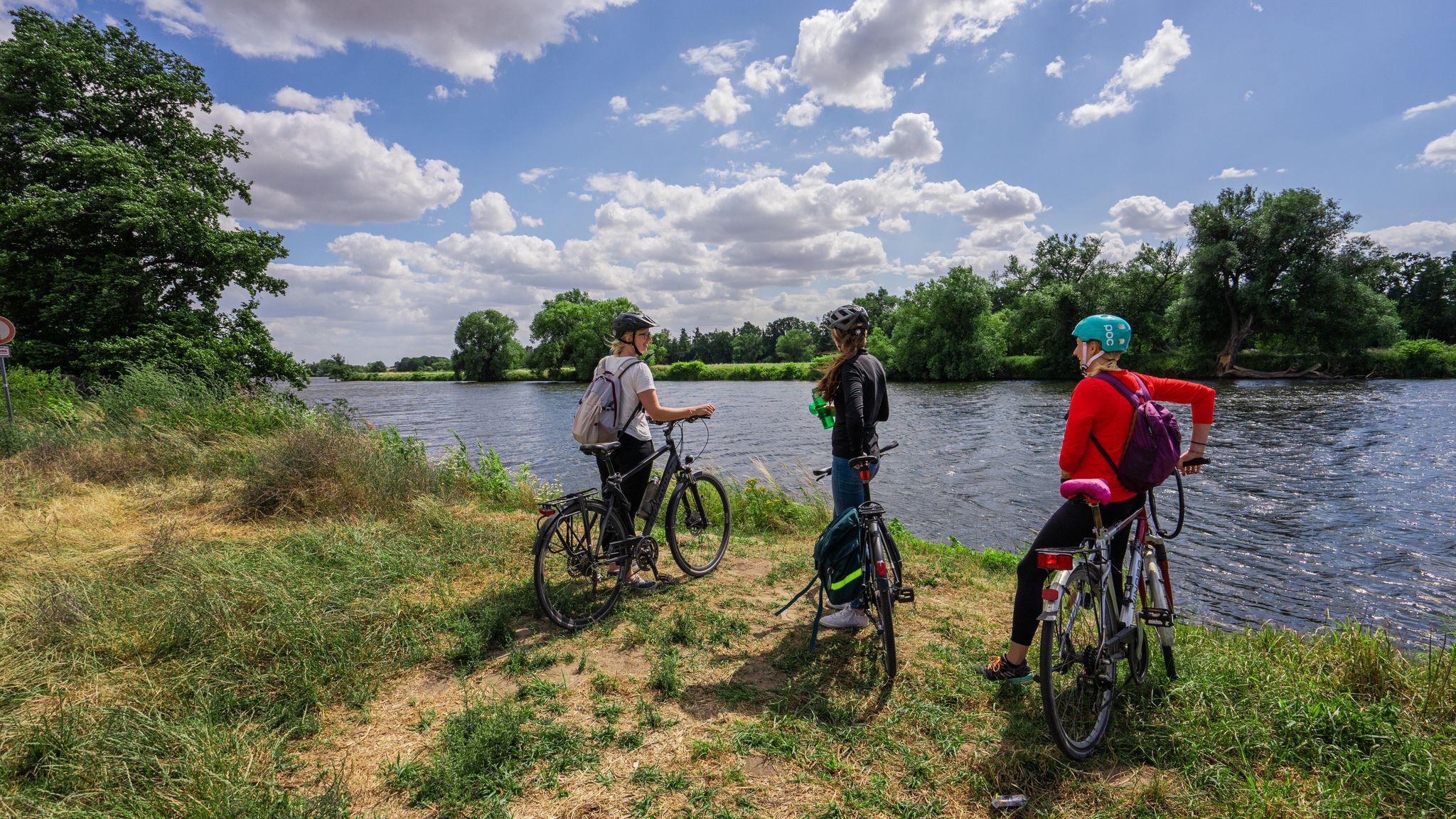
뮌데 사이클링 경로
Farmer's shops — escape to the country
우르젠 사이클링
우르젠 하이킹
우르젠 로드 사이클링 경로
우르젠 MTB 트레일
Wurzen. Jürgen Schmidt still vividly remembers September 9, 2004 – the late afternoon when the then Prime Minister of Saxony, Georg Milbradt (CDU), climbed into the excavator to signal the start of construction of the new Mulde Bridge. Thirty-three months later – on May 23, 2007 – the mammoth project concluded with a celebration and fireworks display.
1
0
In Beucha, Kiebitzgrund 1a "zur Seerose"...very good food
0
0
Between 1509 and 1513, Bishop Johann VI of Saalhausen had the chancel added, whose ribbed cell vault still stands today. The church tower was also completed during this period.[1] In 1499, the church burned down completely and was rebuilt in 1513 in the late Gothic style. With the help of Elector Johann Friedrich, the pastor Johann Hofmann from Thammenhain became the first Evangelical Lutheran pastor at St. Wenceslai on September 12, 1539. Since then, the church has been Protestant.[2] During the Thirty Years' War – during the "Wurzen Martyrdom Week" in March 1637 – it was destroyed again. In 1663, the citizens of Wurzen began its reconstruction. In 1673, St. Wenceslai was completed as a post-Gothic hall church with a four-bay nave and octagonal pillars.[3] In 1673, lightning struck the church tower, causing part of it to collapse. As a result, it was shortened to the height of the bell tower in 1679, rebuilt as an octagon, and given a Baroque, slate-covered dome complete with lantern, spire, and turret finial.[4] After the extensive renovation in 1873 and 1874, the church, partly because its gallery had been equipped with two rows of seats, offered space for 880 people – a number appropriate for the then prosperous small town with a burgeoning economy and a high proportion of residents belonging to the Evangelical Lutheran denomination. The next major renovation took place between 1926 and 1927.[5] Source: https://de.wikipedia.org/wiki/Stadtkirche_St._Wenceslai
3
0
After Wurzen was first mentioned in a document by Emperor Otto I in 961 as "vurzine civitas" (as the center of the castle ward at the Mulde crossing on the old salt road from Magdeburg to Bohemia), the Wencels suburb, among others, soon developed as an old settlement center with its own church of St. Wenceslas. St. Wenceslas (according to an old folk tradition) is considered a saint of merchants and traders, but also of thieves, robbers, and highwaymen. Our parish church of St. Wenceslas, which defines the townscape, stands on Sperlingsberg. The walled-in head of a Slavic idol sacrificial stone, on the inside left corner of the north portal, indicates the hill's Slavic past as a sanctuary: a symbol of the victory of the Christian church over the Slavic nature religion. Thus, the idol must now support the church building. It must be noted that this interpretation is not scientifically proven. Its location as a city church "outside the walls" is considered a unique feature. Hence the saying recorded in Schöttgen's Chronicle (1717): "When the people of Wurzen are supposed to go to church, they run out the gate." It was founded in the mid-13th century and first mentioned in a document in 1275. In 1340 AD, it is mentioned as a "little chapel" in the St. Wenceslas churchyard and "incorporated" into the Wurzen collegiate chapter, meaning that services and income from St. Wenceslas accrued to the canons. As the main church, it soon replaced the older St. James's Church, which by 1340 was only ministered to by a "vicarius" (a vicar who "served further up the hill"). The current church dates essentially from the beginning of the 16th century. The date on the tower entrance, M:CCCCC:XIII (1513), probably indicates the provisional completion of a new building during this period. It is a late Gothic hall church (four-bay nave with octagonal pillars). The mighty square tower still has a gable roof in Dilich's 1628 city view. Source: https://de.wikipedia.org/wiki/Stadtkirche_St._Wenceslai
3
0
The Evangelical Lutheran City Church of St. Wenceslai in Wurzen is a three-aisled hall church whose current appearance dates from 1663 to 1673. The church belongs to the Evangelical Lutheran Church of Saxony in Wurzen, in the Leipzig district of Saxony. It is a cultural monument in the Free State of Saxony. Its patron saint is the martyr Wenceslas of Bohemia. With its distinctive church tower, it is an integral part of the cityscape. Source: https://de.wikipedia.org/wiki/Stadtkirche_St._Wenceslai
3
0
다른 지역의 최고의 러닝 트레일 & 경로를 살펴보세요.