20의 모아레-플라바스-크레피옹가지 명소 & 주요 장소
모아레-플라바스-크레피옹에는 둘러볼 만한 장소가 많답니다. 하이킹 또는 사이클링을 좋아한다면 모아레-플라바스-크레피옹에 숨겨진 20
가지 보석을 만날 수 있을 거예요. 이 지역의 주요 명소를 살펴보면서 다음 모험을 계획해보세요.
마지막 업데이트: 10월 9, 2026
두오몽 유골 보관소
하이라이트 • 기념물
Let us never forget this horror!
번역자 Google •
팁에 의해


이런 장소를 발견하려면 지금 가입하세요
최고의 싱글 트랙, 봉우리 및 다양한 흥미로운 야외 장소에 대한 추천을 받아보세요.
두오몽 유골 안치소 종탑
하이라이트 • 기념물
번역자 Google •
팁에 의해
플뢰리-드방-두오몽
하이라이트 • 기타
번역자 Google •
팁에 의해

무슬림 병사 기념비
하이라이트 • 기념물
번역자 Google •
팁에 의해
무료로 가입하여 모아레-플라바스-크레피옹 주변의 더 많은 명소를 발견하세요.
이미 komoot 계정이 있나요?
오늘 무료 계정으로 시작하세요
다음 모험이 기다리고 있어요.



커뮤니티 팁

An observation tower from which, apart from the cemetery, you can see the battlefield (now overgrown with trees) of Verdun.
3
0

The Ossuary of Douaumont is an impressive memorial that holds the remains of more than 130,000 unknown French and German soldiers who died during the Battle of Verdun (1916). The bones are visible through small windows in the base – a confronting reminder of the horrors of war. In front of the ossuary is the Nécropole nationale de Douaumont, the largest French military cemetery of the First World War, with 16,142 graves, including a Muslim and Jewish plot. The complex was recognized as a UNESCO World Heritage Site in 2023.
8
0
Since 2006, a monument has stood on the hill of Douaumont in memory of the 30,000 Muslim soldiers who died for France during the First World War. Inaugurated by President Jacques Chirac, it consists of a semicircular gallery with Arab architectural elements. In the middle is a column with the inscription: “À la mémoire des soldats musulmans morts pour la France”. The monument recognizes the diversity of the French army and honors the contribution of soldiers from North Africa and other parts of the then French empire.
8
0
The Mémorial de Verdun, located near the ruined village of Fleury-devant-Douaumont, is a leading museum and commemoration site for the Battle of Verdun (1916). The museum displays more than 2,000 objects and uses authentic objects, photographs and audiovisual installations to show how French and German soldiers experienced this battle – in the exact same place where they fought.
8
3

The Ossuary tower, also known as the 'Lantern of Death', is 46 m high and offers a beautiful view of the battlefield. The bell tower was donated by the Americans and is, together with the chapel, one of the oldest parts of the monument. Halfway up the climb, you can see the equipment and some scenes highlighting the soldiers of each camp behind glass. At the top of the tower you can enjoy the view, signs indicate in which direction you are looking. Here you will also find the two symbols of the monument: the beacon and the bell. The red and white light of the beacon swings over the battlefield every night and can be seen from dozens of kilometres away. Louise Anne Charlotte, the bell of victory, was donated by the American Mrs. Thorburn Van Buren. She was cast in Orléans and is honoured in every procession through the towns in the vicinity of Douaumont. The bell was inaugurated in 1929 by the founder of the Ossuary, Monsignor Ginisty, and rings three times a day and during major ceremonies to remind everyone of the fate of the fallen soldiers.
2
0
The official name of this memorable location is 'Monument Muslim Soldiers'. The monument was built in memory of the 30,000 Muslim soldiers who died at Verdun in the First World War. On 26 June 2006, French President Chirac inaugurated this monument on the hill of Douaumont in memory of the thousands of Muslims who fell for France during the First World War. The monument is a circular gallery of 25 by 19 metres with an arched vault and Arabic battlements. Inside is a column with the text: 'To the soldiers Muslims Died for France " Source: Trace of War
4
0
This monument is in memory of the 30,000 Muslim soldiers who died at Verdun in the First World War. On 26 June 2006, French President Chirac inaugurated this monument on the hill of Douaumont in memory of the thousands of Muslims who fell for France during the First World War. The monument is a circular gallery of 25 by 19 metres with an arched vault and Arabic battlements. Inside is a column with the text: 'To the soldiers Muslims Died for France " Source: Trace of War
7
0

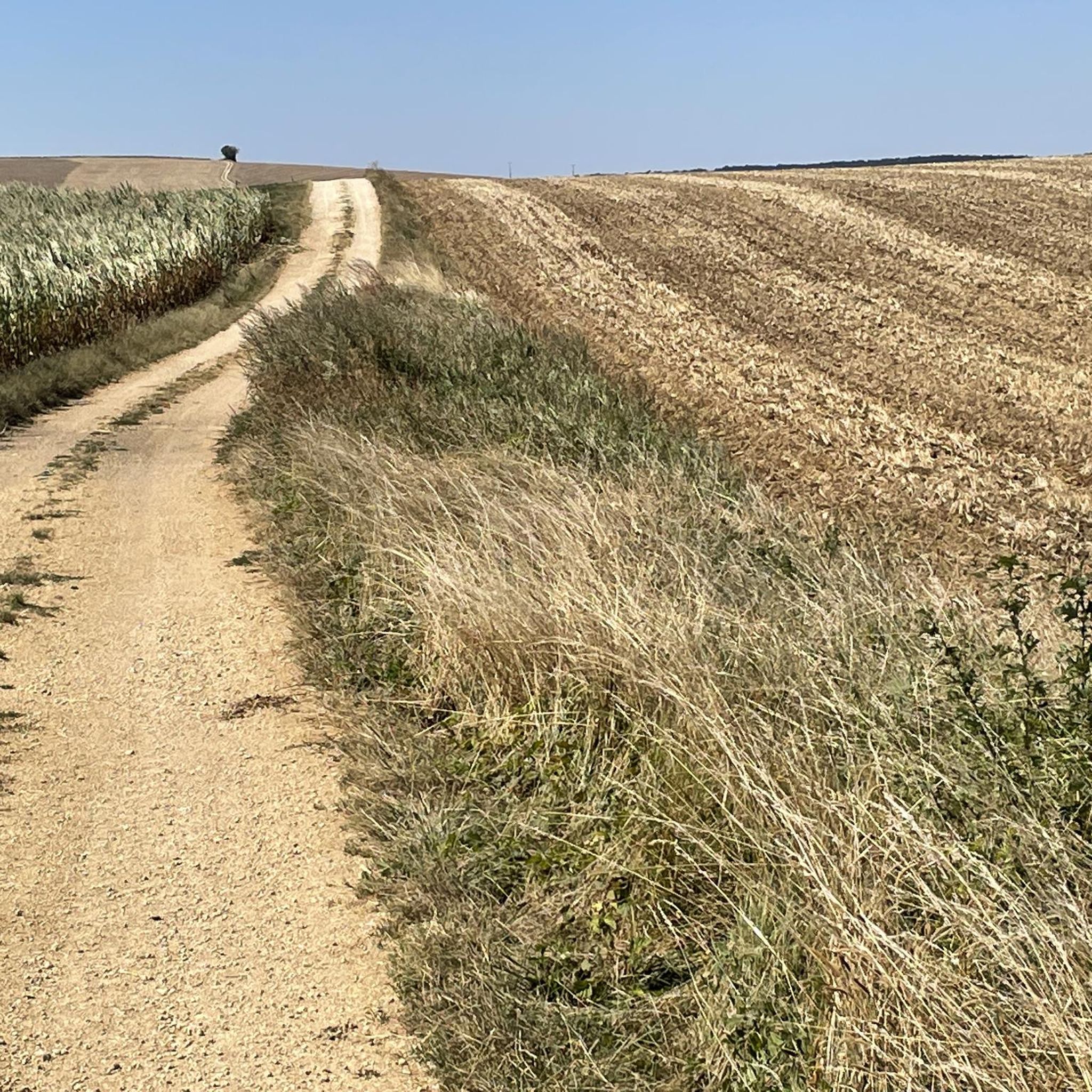
A landscape marked by the madness of destruction and even scarred by WW1
1
0


더 살펴보기
찾고 있는 하이라이트를 아직 못 찾으셨나요? 다른 지역의 주요 명소 가이드를 확인해보세요:
