4.7
(369)
2,138
등산객
193
하이킹
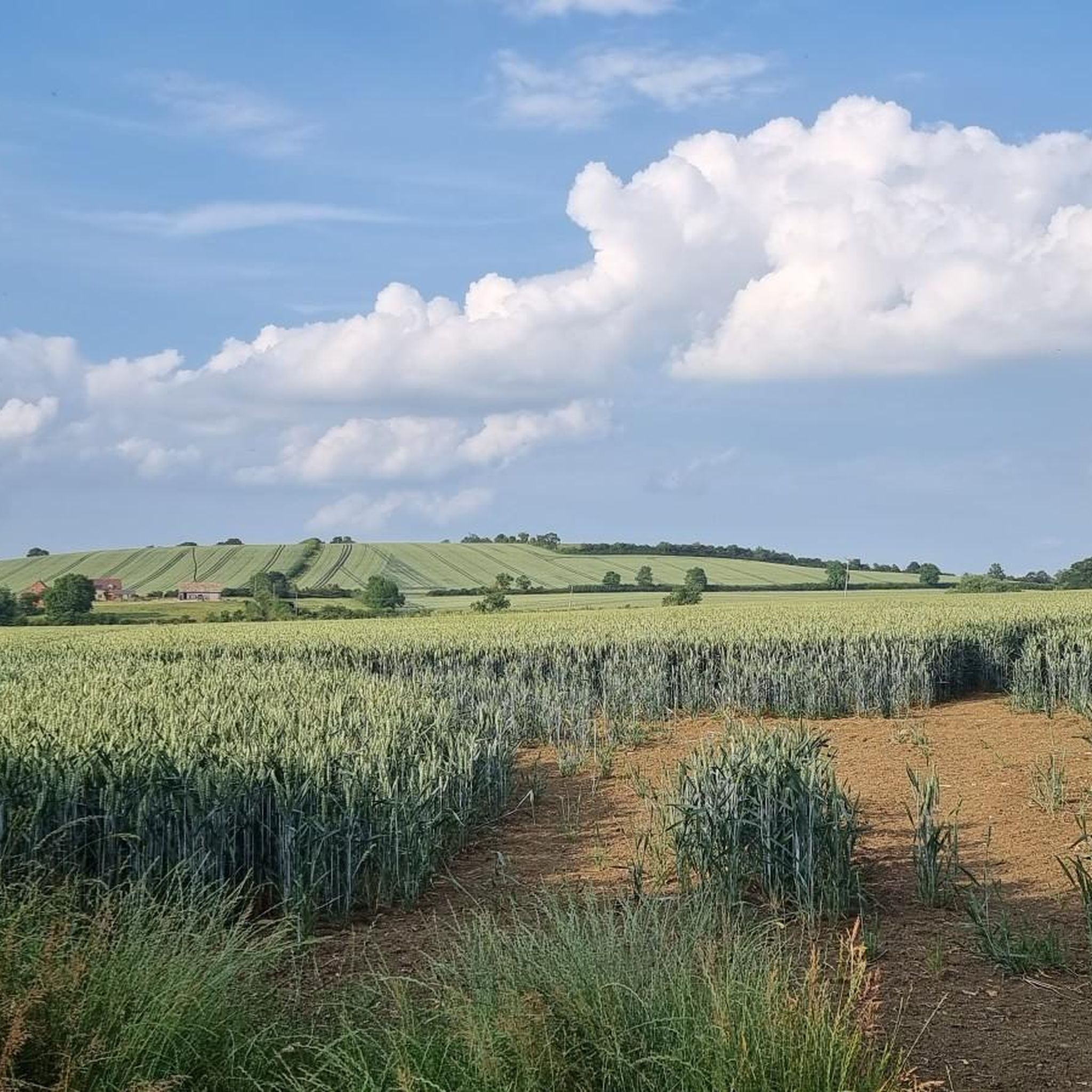
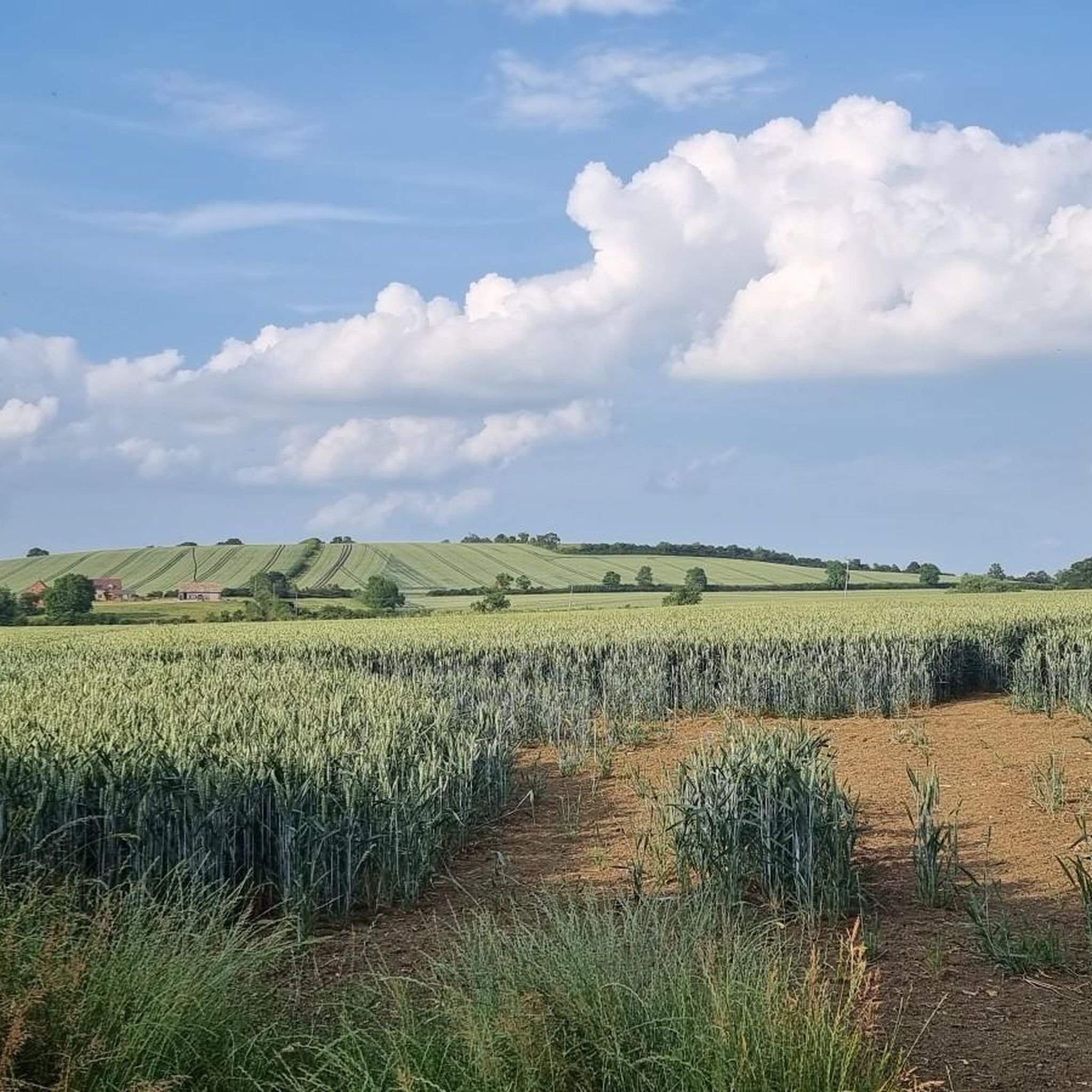
Komoot에 등록된 왓코트 내 트레일 및 경로 컬렉션 중에서 하이킹과 워킹을 가장 멋지게 즐길 수 있는 곳을 알려드릴게요. 아래에서 각 경로의 상세 정보를 모두 확인한 후, 왓코트 속 자연에서 즐거운 시간을 누려보세요.
마지막 업데이트: 6월 5, 2026
5.0
(1)
14
등산객
9.52km
02:39
180m
180m
보통 하이킹. 좋은 체력 필요. 실력과 관계없이 누구나 쉽게 갈 수 있는 길.
5.0
(2)
11
등산객
7.00km
01:56
110m
110m
초급용 하이킹. 모든 체력 수준에 적합. 실력과 관계없이 누구나 쉽게 갈 수 있는 길.

무료 회원 가입
5.0
(2)
9
등산객
18.7km
04:55
150m
150m
보통 하이킹. 좋은 체력 필요. 실력과 관계없이 누구나 쉽게 갈 수 있는 길.
5.0
(1)
2
등산객
5.70km
01:33
80m
80m
초급용 하이킹. 모든 체력 수준에 적합. 실력과 관계없이 누구나 쉽게 갈 수 있는 길.
5.0
(1)
1
등산객
4.68km
01:18
80m
80m
초급용 하이킹. 모든 체력 수준에 적합. 실력과 관계없이 누구나 쉽게 갈 수 있는 길.
더 다양한 경로와 다른 탐험가들의 추천을 살펴보세요.
무료 회원 가입
이미 komoot 계정이 있나요?
투어 추천은 다른 사람들이 komoot에서 완료한 수천 개의 활동을 바탕으로 구성되어 있습니다.
오늘 무료 계정으로 시작하세요
다음 모험이 기다리고 있어요.
로그인 또는 가입하기
왓코트 주변 인기 장소
Great place to stop for a drink, even has a Chinese takeaway on site
0
0
This is the location of the Battle of Edgehill, a pitched battle of the First English Civil War occurring on Sunday 23rd October 1642. A detailed information board stands here describing how the event unfolded, offering a fascinating window into the area's past.
1
0
The Battle of Edgehill (or Edge Hill) was a pitched battle of the First English Civil War. It was fought near Edge Hill and Kineton in southern Warwickshire on Sunday, 23 October 1642. All attempts at constitutional compromise between King Charles and Parliament broke down early in 1642. Both the King and Parliament raised large armies to gain their way by force of arms. In October, at his temporary base near Shrewsbury, the King decided to march to London in order to force a decisive confrontation with Parliament's main army, commanded by the Earl of Essex. Late on 22 October, both armies unexpectedly found the enemy to be close by. The next day, the Royalist army descended from Edge Hill to force battle. After the Parliamentarian artillery opened a cannonade, the Royalists attacked. Both armies consisted mostly of inexperienced and sometimes ill-equipped troops. Many men from both sides fled or fell out to loot enemy baggage, and neither army was able to gain a decisive advantage.
1
0
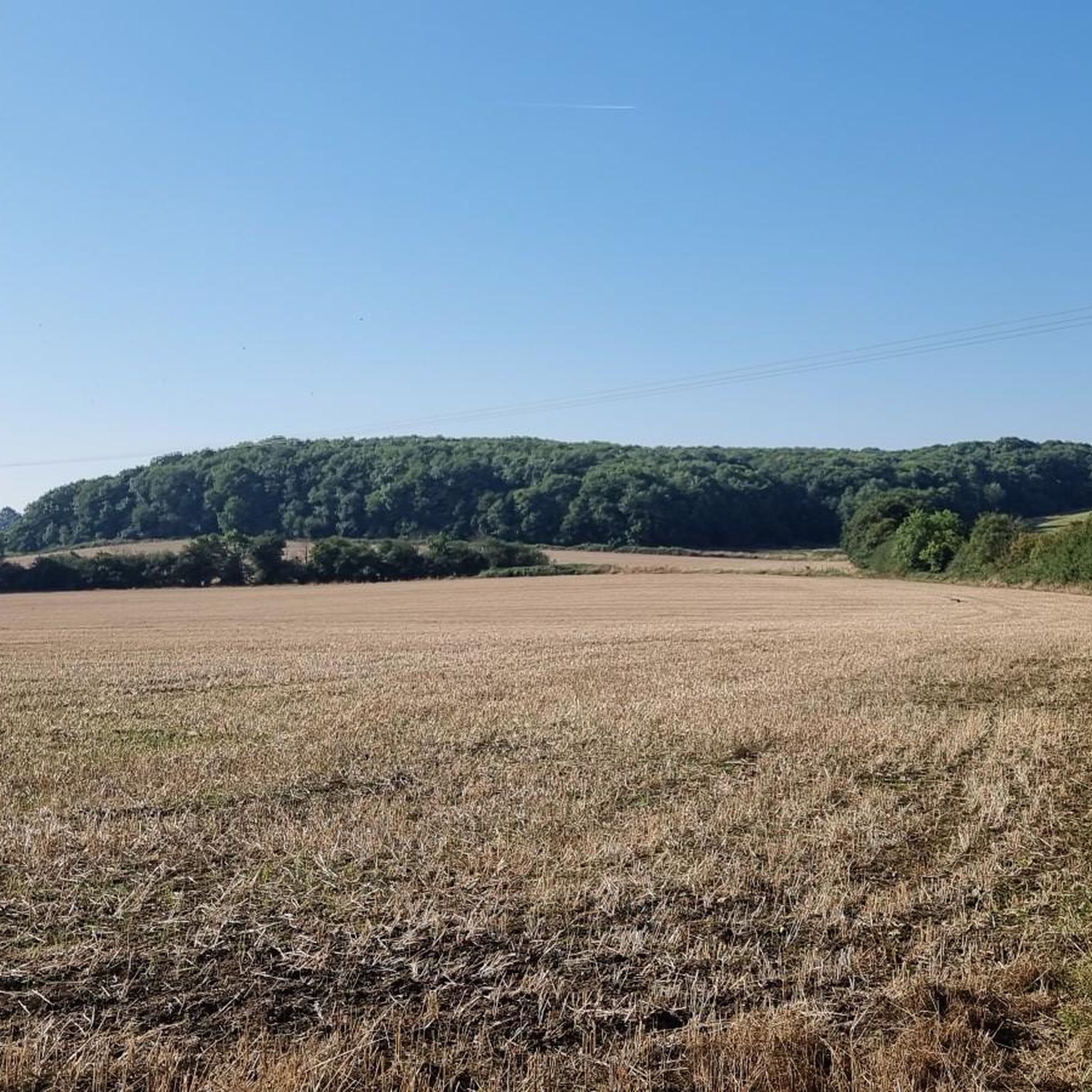
There are great views from the 184m summit of Windmill hill. Every year a 5k and 10k running race is held, going to the summit of windmill hill and back.
0
0
Views over the Warwickshire plains, edge hill was one of the battles in the English Civil war
0
0
The Battle of Edgehill (or Edge Hill) was a pitched battle of the First English Civil War. It was fought near Edge Hill and Kineton in southern Warwickshire on Sunday, 23 October 1642. All attempts at constitutional compromise between King Charles and Parliament broke down early in 1642. Both the King and Parliament raised large armies to gain their way by force of arms. In October, at his temporary base near Shrewsbury, the King decided to march to London in order to force a decisive confrontation with Parliament's main army, commanded by the Earl of Essex. Late on 22 October, both armies unexpectedly found the enemy to be close by. The next day, the Royalist army descended from Edge Hill to force battle. After the Parliamentarian artillery opened a cannonade, the Royalists attacked. Both armies consisted mostly of inexperienced and sometimes ill-equipped troops. Many men from both sides fled or fell out to loot enemy baggage, and neither army was able to gain a decisive advantage.
0
0
The earliest parts of the Church of England parish church of The Assumption of the Blesséd Virgin Mary are two blocked windows on the south side of the nave, which date from late in the 11th century. The south aisle of the nave was added in the middle of the 12th century. In the 13th century the south arcade was extended from three bays to four and the three original arches were altered to give them a pointed Gothic shape. The north aisle was added later and is Decorated Gothic. The nave has a clerestory that was added in the 14th century. In the 15th century the south porch was added, new Perpendicular Gothic windows were inserted and the present west tower was built. The west tower has a ring of six bells. Richard Sanders of Bromsgrove, Worcestershire cast the treble, second, third and tenor bells in 1719. Abel Rudhall of Gloucester cast the fourth bell in 1750. Matthew III Bagley of Chacombe, Northamptonshire cast the fifth bell in 1782. The church has also a Sanctus bell cast by William Blews and Sons of Birmingham in 1866. In 1854 the church was restored under the direction of the architect George Gilbert Scott. The church is a Grade I listed building. In the churchyard is a 15th-century preaching cross, which is a Grade II* listed building. Church. Late C11 origins, with late C12, C13, C14 and C15 alterations and additions. Restored 1854 by Gilbert Scott. Squared, coursed ironstone. Parapeted roofs. Chancel, nave with clerestory, north and south aisles and west tower. Chancel of 2 bays with offset buttresses, plinth and parapet. To east a 5-light cusped C15 window within hollow chamfered surround. 2 further 3-light cusped windows to south, and one to north, with hollow chamfered surrounds. To north a C19 vestry with 2 reticulated windows and plank door within pointed arch. Nave of 4 bays with pierced quatrefoil parapet to south, wavy line to north. Corbel table below of carved animal heads. Pinnacles with cusped panels and crockets. Aisles have plinth, coped parapet, offset diagonal buttresses and gargoyles to north. To centre of south aisle a plank door within late C12 round headed arch of 2 orders of shafts with rings, and water-leaf capitals with lozenge and nailhead mouldings in the arch. Above an Agnus Dei panel in bas relief with carved corbel to either side, that to right a beakhead. C15 porch with double chamfered arch and moulded imposts. Double plank doors. To left of door a C20 two-light window. To right a C14 three-light reticulated window with hood mould and label stops. To far right a C15 three-light square-headed window with cusped lights, hood mould and carved label stops. To north aisle a plank door within moulded, pointed arch with hood mould and label stops. To left and right of porch a C14 three-light reticulated window. To far left a three-light window of intersecting tracery. Windows have hood moulds and label stops. To west of North aisle a single round-headed light. Renewed 2-light reticulated window with hood mould and label stops to west of south aisle. Clerestory has eight C14 square-headed 2-light windows to north and south of differing cusped tracery. All have dropped hood moulds and label stops. To east gable end a C17 sanctus bell turret. West tower of 4 offset stages with plinth, buttresses and battlemented parapet with pinnacles. To south a blocked round-headed arch and round-headed light to west. To third stage a late C12 corbel table, with a small single light below to north and south. Fourth stage has 2-light cusped bell chamber openings wiht hood moulds and label stops. Cusped panels to each corner, and gargoyles below parapet. Interior: C15 many-moulded chancel arch. Nave arcade of 4 bays. To south C12 round piers with scalloped and round capitals on square abaci. Responds to east and west. 2 blocked C11 openings above. North arcade has C15 octagonal piers with double-chamfered arches and responds, that to east with small cusped piscina. Pointed doorway to north. C15 triple-chamfered tower arch, now blocked. Roofs mostly C15, partly restored. Nave and aisle roofs are supported on C15 carved corbel heads. In chancel a tomb to William Clarke, died 1618. In north aisle wall a C12 tomb in C14 cusped ogee recess, with finial. In east wall of south aisle a memorial tablet to Ralph Wilcox, died 1659. In north aisle wall a brass to Thomas Mastrupe, dated 1463. In east wall of north aisle brasses to the Browne family, dated 1598 and 1611. A tablet in porch, dated 1662. 2 further C17 tablets in external porch wall. In nave a late C14 octagonal stone font with reliefs of the Virgin and Child, the Baptism of Christ and various saints in crocketed ogee gables.
0
0
다른 지역의 최고의 하이킹를 살펴보세요.