셸바일러 최고의 사이클링 경로
4.6
(2658)
9,761
자전거 타는 사람
213
라이딩
투어링 사이클링 루트는 셸바일러 주변 블레데스바흐 계곡에 위치하며, 해발 약 280미터에서 세 면으로 솟아오르는 지형을 가지고 있습니다. 시립 지역에는 숲이 우거진 땅이 포함되어 있어 사이클링을 위한 자연적인 배경을 제공합니다. 시립 경계 내 최고 지점은 크로이츠베르크로 해발 402미터에 달합니다. 이러한 고도 차이는 평탄한 계곡 루트와 더 도전적인 오르막길의 조합을 제공하며, 종종 글란-블리스 라트베그(Glan-Blies Radweg)와 역사적인 글란 밸리 철도 터널(Glan Valley Railway Tunnel) 구간을 포함합니다.
셸바일러 주변 최고의 투어링 사이클링 루트
- 가장 인기 있는 투어링 사이클링 루트는 쿠셀 출발 바흐바흐 커팅 –…
마지막 업데이트: 10월 8, 2026
4.8
(8)
35
자전거 타는 사람
55.4km
03:28
550m
550m
어려운 자전거 타기. 우수한 체력 필요. 대부분 포장된 지면. 실력과 관계없이 누구나 갈 수 있음.
4.6
(11)
24
자전거 타는 사람
21.8km
01:28
220m
220m
보통 자전거 타기. 좋은 체력 필요. 대부분 포장된 지면. 실력과 관계없이 누구나 갈 수 있음.

4.8
(6)
25
자전거 타는 사람
18.7km
01:16
210m
210m
보통 자전거 타기. 좋은 체력 필요. 대부분 포장된 지면. 실력과 관계없이 누구나 갈 수 있음.
4.2
(6)
25
자전거 타는 사람
15.3km
01:00
180m
180m
어려운 자전거 타기. 좋은 체력 필요. 투어 중 자전거를 끌고 가야 하는 구간이 있을 수 있음.
5.0
(1)
9
자전거 타는 사람
19.9km
01:21
220m
220m
보통 자전거 타기. 좋은 체력 필요. 대부분 포장된 지면. 실력과 관계없이 누구나 갈 수 있음.
더 다양한 경로와 다른 탐험가들의 추천을 살펴보세요.
이미 komoot 계정이 있나요?
투어 추천은 다른 사람들이 komoot에서 완료한 수천 개의 활동을 바탕으로 구성되어 있습니다.
오늘 무료 계정으로 시작하세요
다음 모험이 기다리고 있어요.

커뮤니티 팁


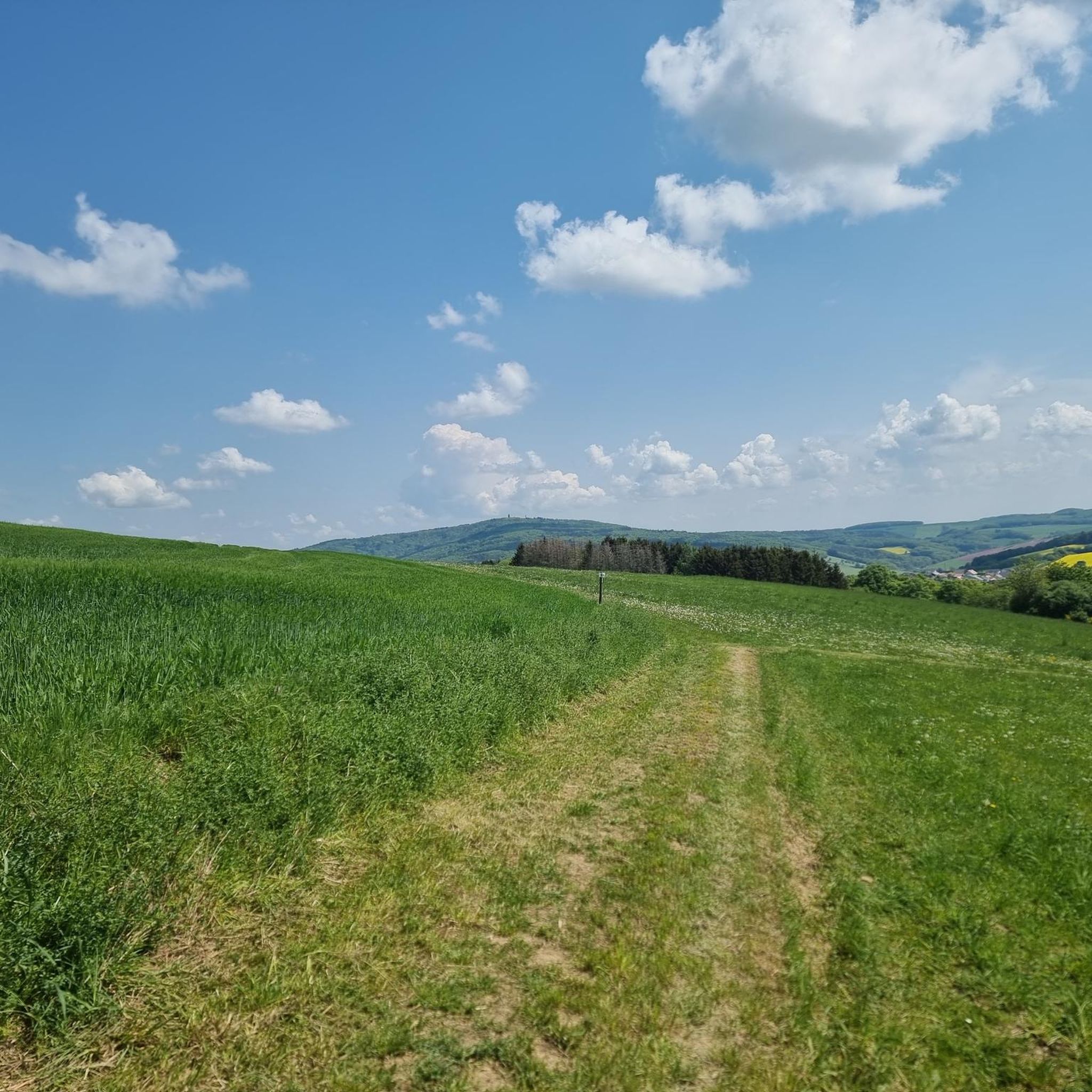
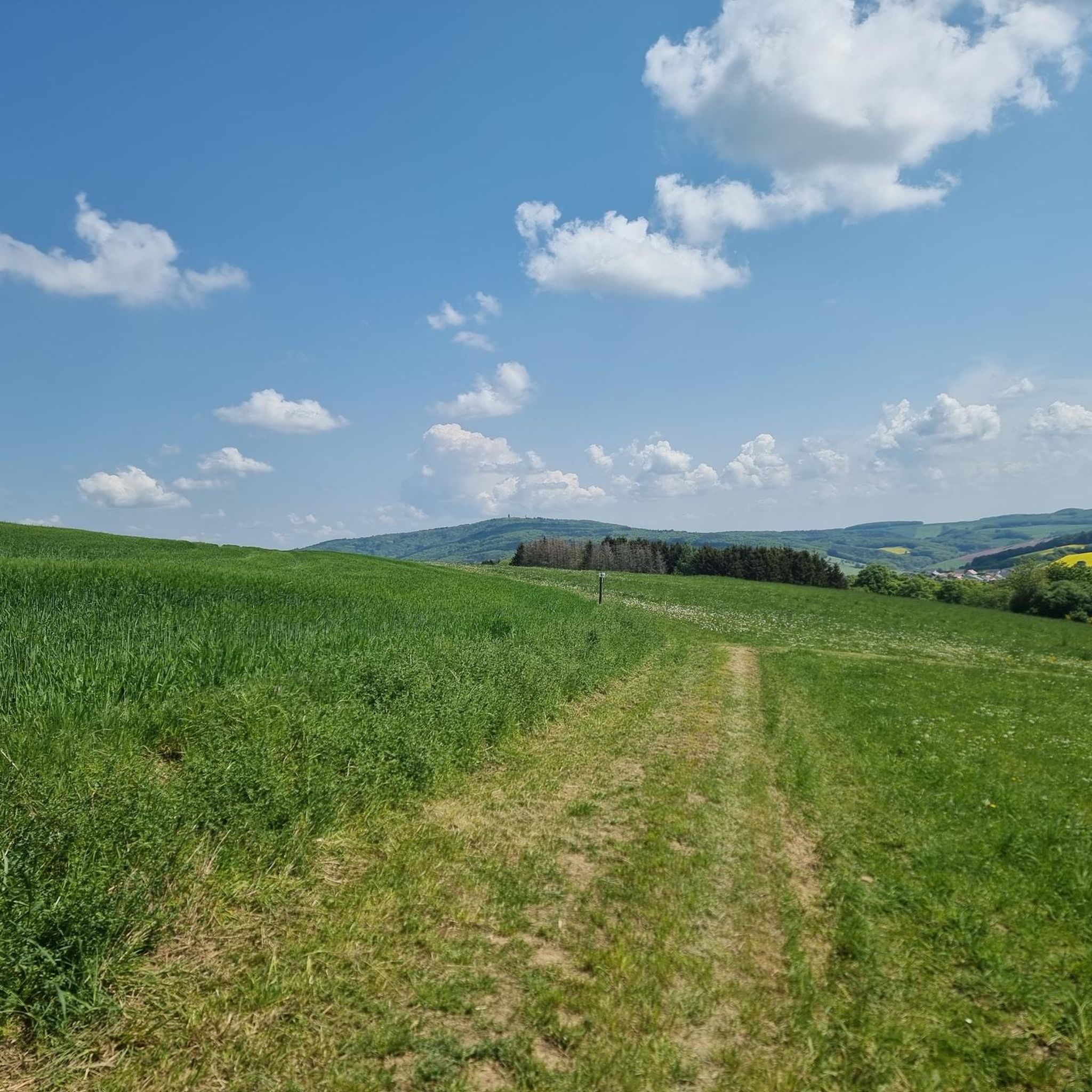
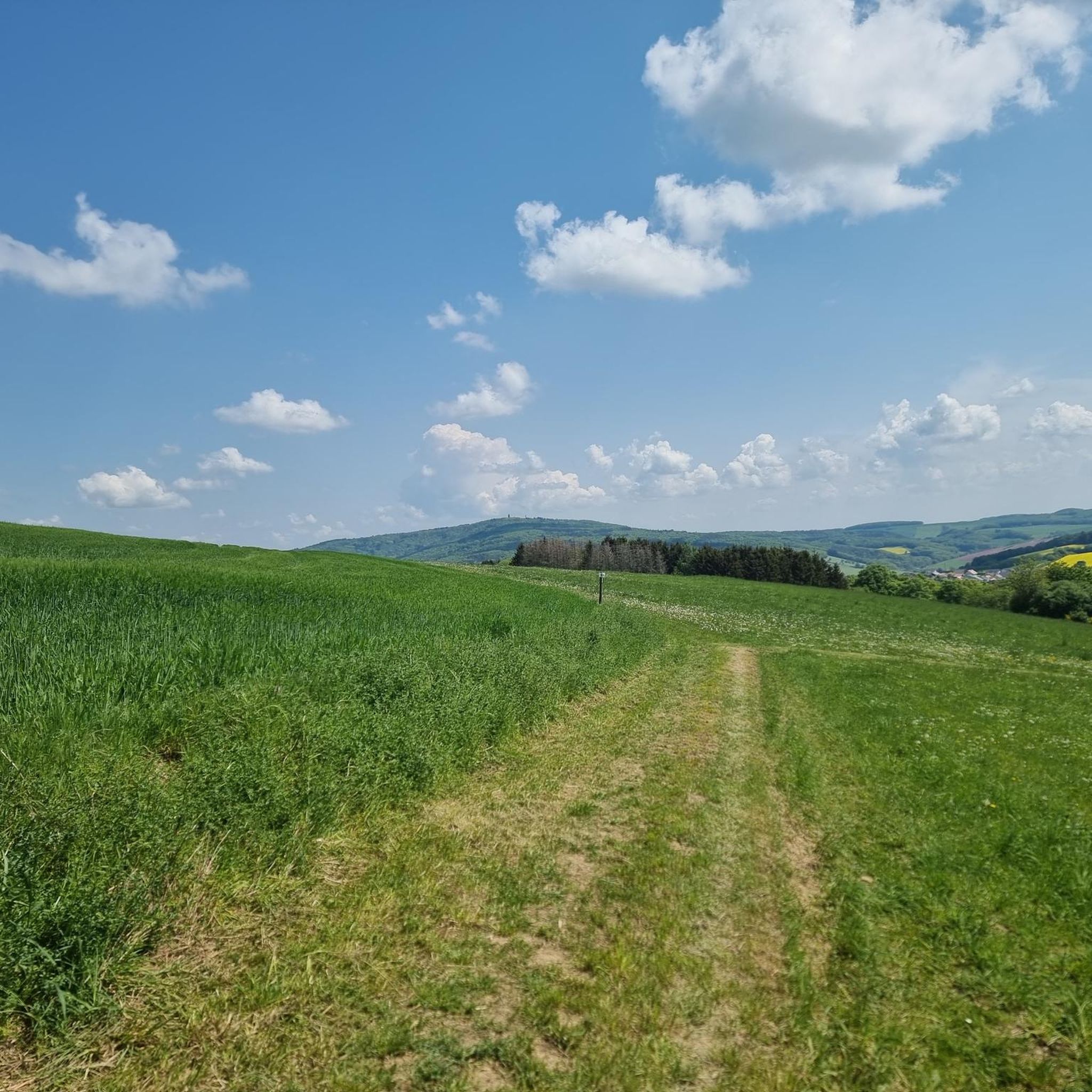
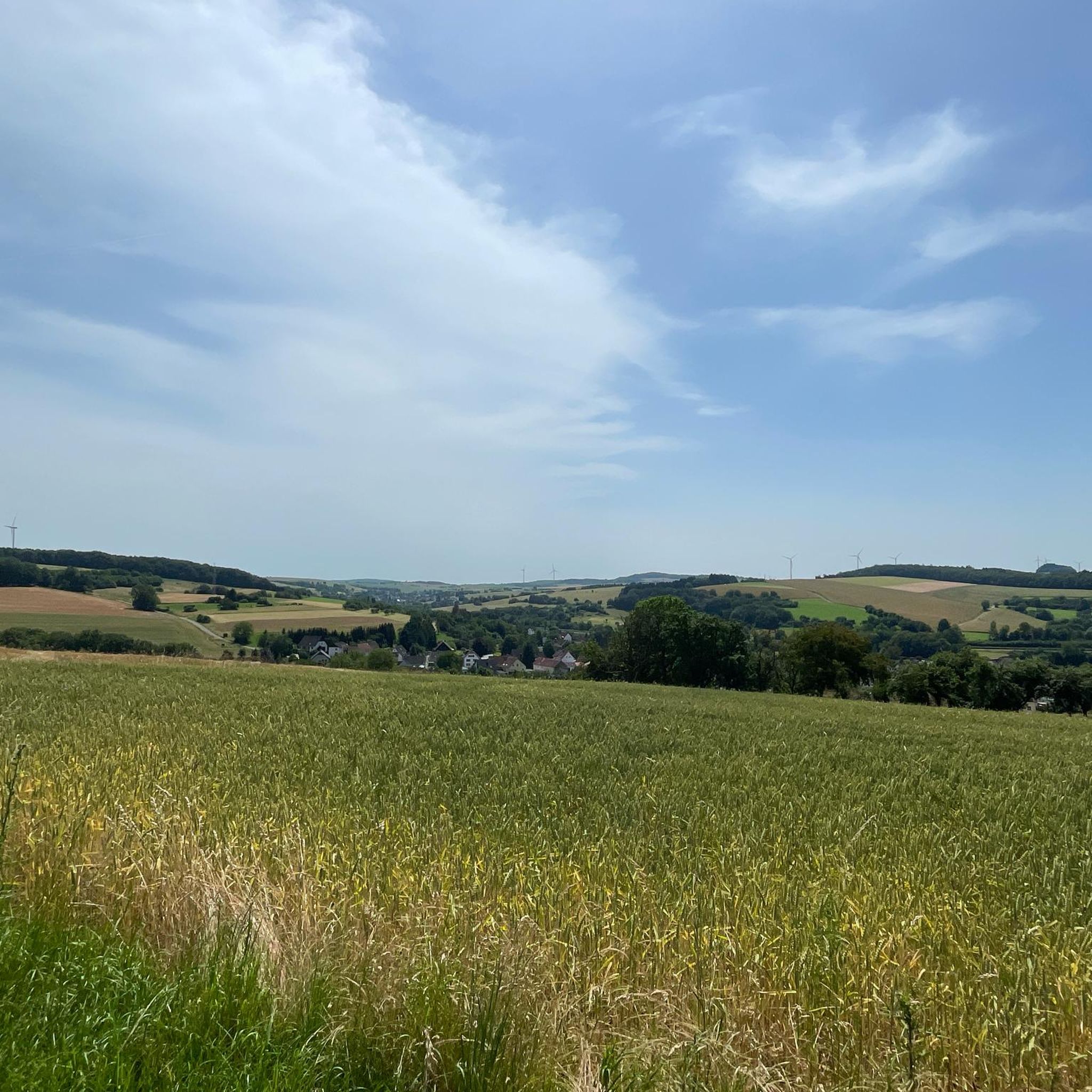
This rest area offers impressive views over the fields all the way to Autobahn 62. It is located above Schellweiler, near the Winterhell(e) mountain. However, a visit is less recommended in windy weather, as it is often very stormy here and wind turbines are located in the immediate vicinity. Nevertheless, the place is a good starting point for a tour.
3
0
Every now and then, you can marvel at the shunting of the trains from the quarry. 🚂🚉👀
4
0
Beautiful, large village square with a pond and playground. There's a parking lot and a train station nearby.
4
0
A very nice rest stop in the heart of Hüffler, with a small fountain and information boards, including information about the Hüffler circular hiking trails. Mostly pleasantly shady – thanks to the trees and the adjacent house facade.
4
0
The idyllically located leisure complex in Schellweiler boasts a pond, a playground, a barbecue hut, a Kneipp footbath, a sports field, and a cozy rest area—perfect for relaxing and unwinding.
3
0
The Michelsburg Castle and the neighboring former provost church of St. Remigius on the Remigiusberg near Haschbach, in the center of the Glan Valley, are the historical heart of the Remigiusland region. The first documented mention of an illegally built hilltop castle dates back to 1127, when Benedictine monks purchased it from a knight named Adelbert. The monks used the stones of the former castle to build the Benedictine provost church of St. Remigi, the remnant of which is the Remigius Church. Count Henry II of Zweibrücken built a second castle out of wood in 1260 – during the inheritance disputes of the counts of Veldenz – after the first male line of counts of Veldenz had died out in 1259. Later, this castle was expanded and furnished with stone, and a chapel (dedicated to St. Michael) was built inside. In 1543, Count Palatine Rupert of Veldenz made the castle his secondary residence and had a princely crypt built in the provost church. Little is known about what happened to the castle in later centuries, but it was reportedly still intact in 1708 and changed hands several times. In 1868, it came into the possession of the St. Remigiusberg Catholic Church Foundation. Today, the 20-meter-high shield wall, remnants of the palace, the ring wall, and the moat are preserved.
5
0
셸바일러 주변에서 가장 인기 있는 명소


더 살펴보기
다른 지역의 최고의 자전거 경로를 살펴보세요.
