플랑켄펠스에서 가장 멋진 5개의 폭포
폭포에서 숨 막히는 절경을 감상하고 싶나요? 그렇다면 플랑켄펠스에 있는 아름다운 폭포 5
개를 살펴보세요. 아래에서 여러 폭포 사진과 팁을 살펴본 후에 마음에 드는 폭포를 다음 모험 계획에 간편하게 추가해보세요!
마지막 업데이트: 10월 16, 2026

베덴바흐 투파 테라스와 폭포
하이라이트 • 폭포
번역자 Google •
팁에 의해

이런 장소를 발견하려면 지금 가입하세요
최고의 싱글 트랙, 봉우리 및 다양한 흥미로운 야외 장소에 대한 추천을 받아보세요.


슈트라이트베르크 위의 신터 테라스
하이라이트 • 자연 기념물
번역자 Google •
팁에 의해
무료로 가입하여 플랑켄펠스 주변의 더 많은 폭포를 발견하세요.
이미 komoot 계정이 있나요?
오늘 무료 계정으로 시작하세요
다음 모험이 기다리고 있어요.
커뮤니티 팁

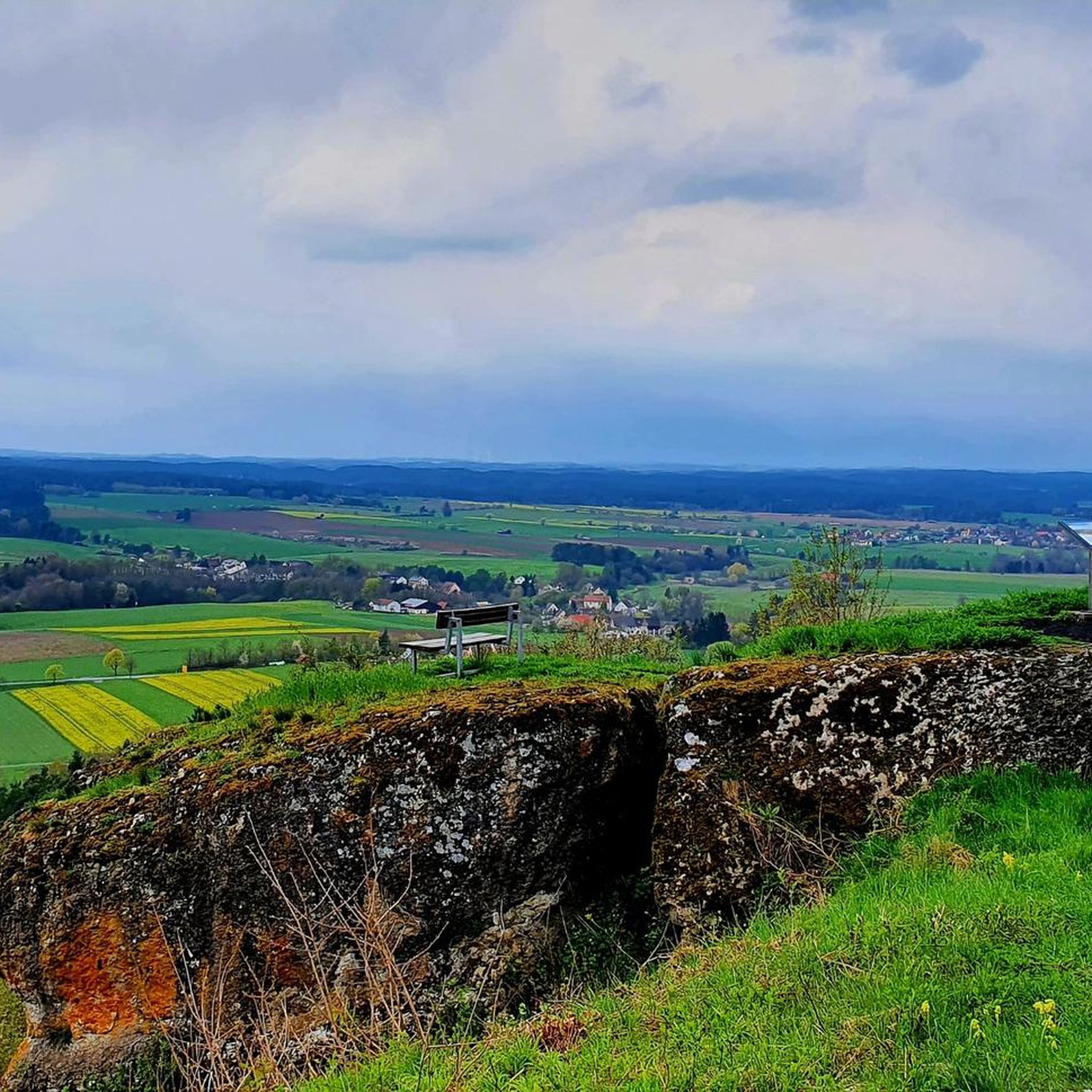
The Arzloch is a popular hiking destination and often still considered a hidden gem. It's a protected natural monument, a wooded area known for its atmospheric, wild gorge with eroded sandstone layers. The waterfall itself is relatively small, with a height of about 3 to 4 meters. Access to the waterfall is natural. Hikers should wear sturdy footwear, as the path leads over roots, narrow trails, and uneven forest floor. The surrounding area is the real highlight. The damp local climate has carved a unique gorge into the Rhaetian sandstone layers, which is home to rare animal and plant species. The bizarre sandstone formations, which can resemble honeycombs due to weathering, are geologically interesting.
5
0

The Aftergraben is the smaller version of the Teufelsgraben, but just as beautiful and interesting
0
3

Very beautiful watercourse.
0
0

The natural spectacle is always beautiful
2
0

The Arzloch is an atmospheric, wild gorge with eroded sandstone layers. Due to its humid local climate, it is home to rare animal and plant species, a waterfall and the "Markgrafentisch" rock formation. To get down from Eckersdorf, you have to climb a little and cross a narrow wooden bridge. A real experience.
16
5
It's beautiful how the clear water rushes over the mossy rocks. It's not one of the big waterfalls, but it's enchanting nonetheless.
16
4

Incredibly primitive, wild and overgrown. Very beautiful.
2
0

Sinter steps, also known as sinter terraces, are deposits of porous limestone tuff or densely layered limestone sinter in a stream or flowing body of water and, in contrast to stalactites, form relatively quickly. Larger sinter deposits are present, for example, in the Croatian Plitvice Lakes area or the Turkish Pamukkale. The water surfaces arise when bars of secreted calcium carbonate cross the direction of flow in the area of a watercourse. Splash water and changes in water temperature in conjunction with obstacles on the valley floor promote the formation of such calcareous tuff lakes.[1] Small deposits initially form on branches, twigs and stones that have fallen into the water and then, over time, larger and larger secretions form in the stream. Over time, these resulting bars can form smaller basin shapes, the walls of which are marked as steps and damming up the water in a cascade-like manner. The stages are mostly geologically younger formations from the Quaternary. Source: Wikipedia
1
0
플랑켄펠스 주변에서 가장 인기 있는 명소


더 살펴보기
조금 더 멀리 여행할 준비가 되셨나요? 그러면 플랑켄펠스 주변의 최고의 폭포를 위한 이 가이드를 살펴보세요:
