그로노 최고의 사이클링 경로
4.7
(84)
1,303
자전거 타는 사람
26
라이딩
그로노 최고의 사이클링 경로를 따라 지역을 둘러볼까요? 그로노에서 가장 멋진 자전거 라이딩 장소 중에서 가장 마음에 드는 라이딩을 선택해보세요.
마지막 업데이트: 10월 10, 2026
4.8
(12)
178
자전거 타는 사람
84.1km
06:23
2,120m
2,120m
어려운 자전거 타기. 우수한 체력 필요. 대부분 포장된 지면. 실력과 관계없이 누구나 갈 수 있음.
5.0
(6)
94
자전거 타는 사람
41.2km
03:55
1,740m
1,740m
어려운 자전거 타기. 우수한 체력 필요. 대부분 포장된 지면. 실력과 관계없이 누구나 갈 수 있음.

5.0
(6)
72
자전거 타는 사람
40.9km
03:05
1,020m
1,020m
어려운 자전거 타기. 우수한 체력 필요. 대부분 포장된 지면. 실력과 관계없이 누구나 갈 수 있음.
4.5
(2)
37
자전거 타는 사람
24.1km
01:30
250m
250m
This moderate 15.0-mile touring cycling loop in Graubünden's Mesolcina Valley features waterfalls, charming villages, and alpine views.
22
자전거 타는 사람
18.1km
01:35
670m
670m
This difficult 11.3-mile touring cycling route from Grono to Santa Maria Calanca features a significant climb and 26 hairpin turns.
더 다양한 경로와 다른 탐험가들의 추천을 살펴보세요.
이미 komoot 계정이 있나요?
투어 추천은 다른 사람들이 komoot에서 완료한 수천 개의 활동을 바탕으로 구성되어 있습니다.
오늘 무료 계정으로 시작하세요
다음 모험이 기다리고 있어요.



커뮤니티 팁

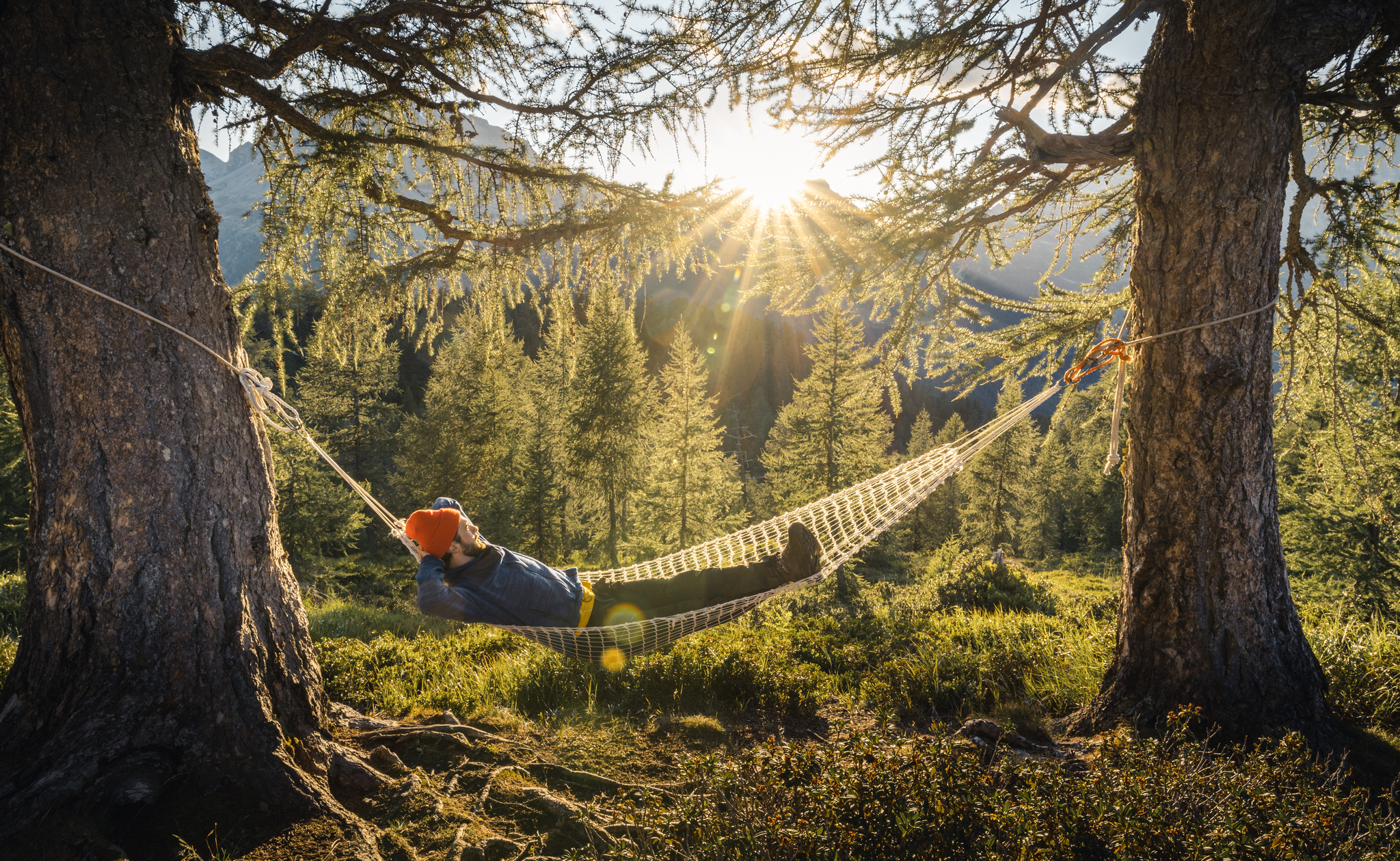
Grotto Bassa 1910년부터, Lumino 루미노에 있는 Grotto Bassa는 1910년 Andrea Franzi가 문을 연 역사적인 레스토랑입니다. 아버지에서 아들로 이어져 현재는 Carlo Franzi가 운영하고 있습니다. 레스토랑은 그늘과 평온함을 제공하는 수백 년 된 나무들과 함께 독특한 분위기를 선사합니다. 특선 요리로는 미속(Misox) 지방의 육가공품, 산악 치즈, 계곡의 포르마지니(formaggini), 티치노(Ticino)의 전형적인 요리, 그리고 유명한 밀라식 로스트비프가 있습니다. 레스토랑은 월요일에 휴무입니다. Bassa di Fuori 1, 6533 Lumino 텍스트 / 출처: Niedere Grotte, Via Bassa di Fuori 1, Teelicht https://www.grottobassa.ch/
13
0

산길에서는 볼 수 없는 아름다운 자연과 많은 풍경
0
0

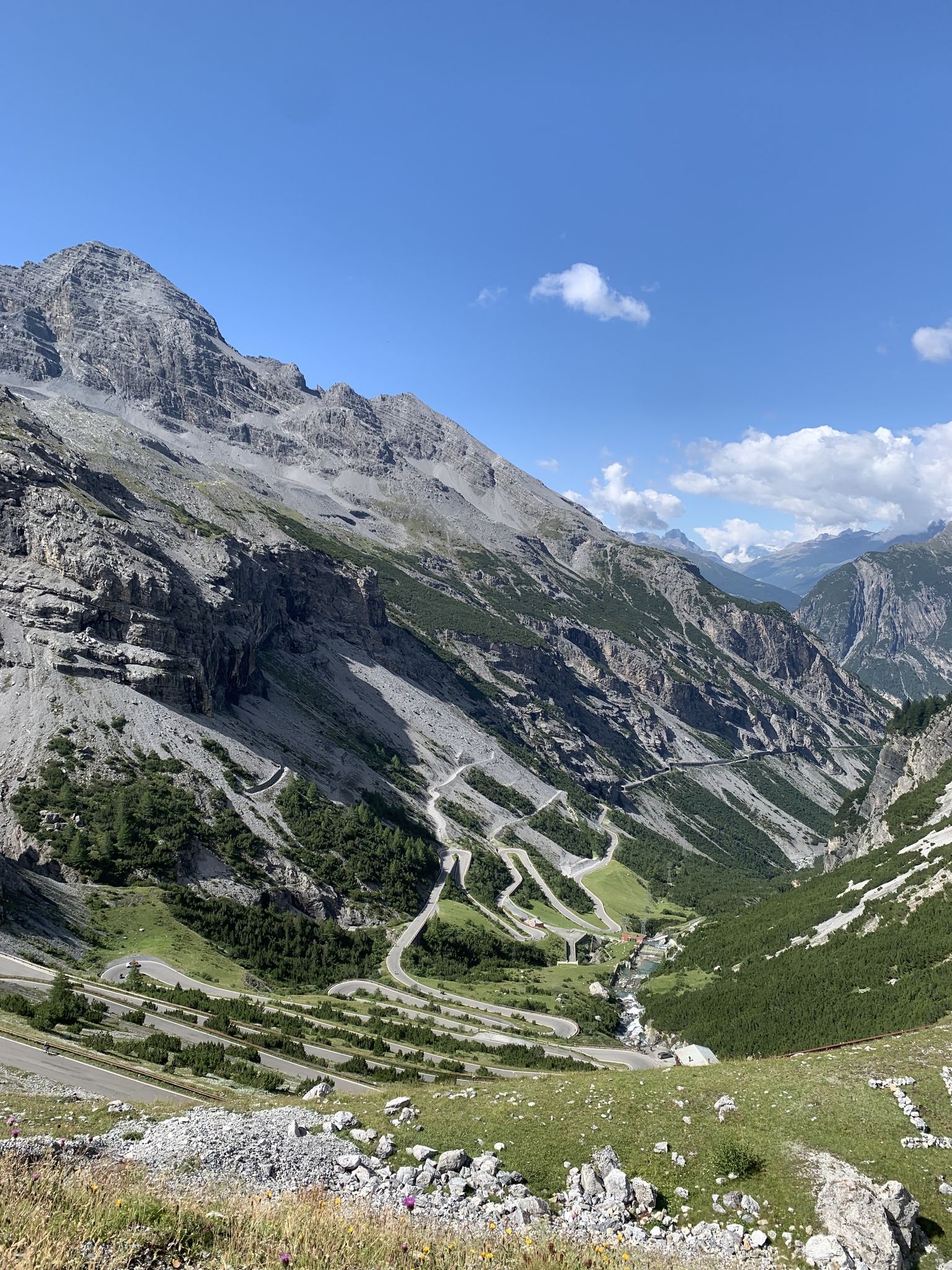
산 베르나르디노 고개는 미솔치나 계곡과 라인발트 계곡을 연결하며 해발 2,066미터에 위치해 있습니다. 고개 정상에는 레스토랑과 버스 정류장이 있어 접근이 용이합니다. 작은 호수와 넓은 평원이 있는 탁 트인 고산 풍경은 휴식을 취하기에 좋습니다.
0
0
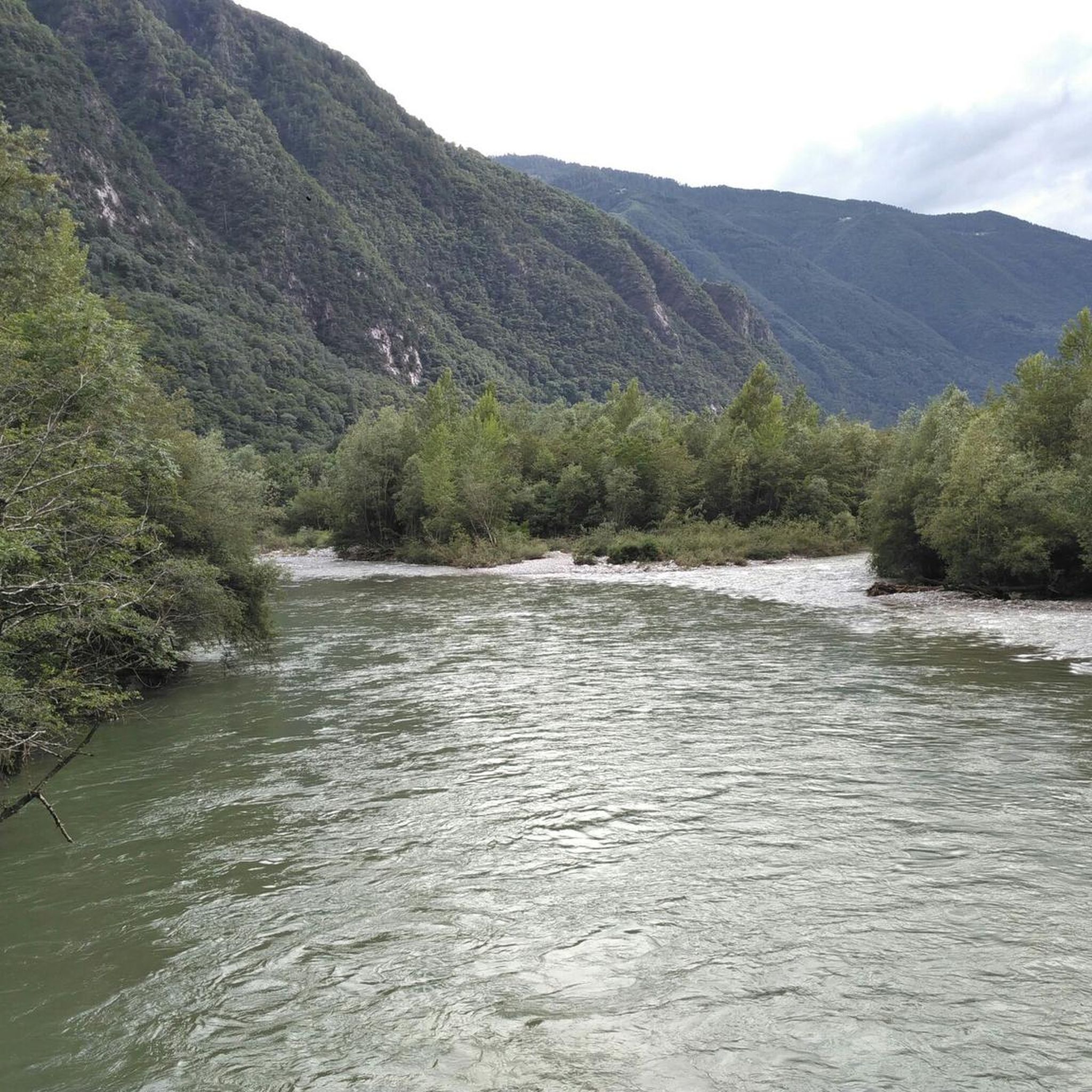
Stage 7: San Bernardino – Bellinzona An exhilarating descent through the Mesolcina Valley. Eagerly absorbing the mild southern climate. In Mesocco, cyclists enjoy the largest ruin in Switzerland and, at the end of the tour, in Bellinzona, the defiant towers and walls of the tre castelli. Refreshed, they follow the rushing Moësa River out of the lively resort town of San Bernardino. The 46-kilometer-long tributary of the Ticino rises at the San Bernardino Pass and gives its name to the Mesolcina Valley (Misox). Although Italian is spoken in the valley, as in the Poschiavo and Bregaglia valleys, it has always maintained close ties to Graubünden. In the smaller villages, where many of the houses are covered with stone slabs, time seems to have stood still. You hardly stop on your bike during the rapid descent towards the south. Surrounded by rocky cliffs, you roar along a well-maintained road with countless skid marks. The highway, which practically hangs from the mountain, seems a bit surreal. Later, a varied side road leads down to Mesocco. Magnificent views of the valley are revealed. Below the village, perched on a rocky outcrop, are the ruins of the Castello di Mesocco, the 11th-century ancestral castle of the Count of Misox. It is considered one of the most important in Graubünden and the largest in Switzerland. Roveredo is the main town in the lower Misox Valley. And what could be nicer here than a break in a cool grotto, enjoying a typical lunch menu and a glass of local wine? The village also boasts several beautiful 17th-century houses, such as the one designed by local architect and builder Enrico Zuccalli. A secluded stretch follows near Lumino, just after crossing the highway and the river. A forest path leads along the Moësa River over hill and dale. Passing an inviting forest garden grotto and some secluded swimming spots, you reach Arbedo-Castione. Here, the Moësa flows into the Ticino River. Text / Source: Schweizmobil.ch https://schweizmobil.ch/de/veloland/route-6/etappe-7
14
0
Mesocco Castle San Bernardino Castle Mesolcina Calanca The ruins of Mesocco Castle stand on top of an imposing rocky hill that rises steeply from the valley floor. This imposing fortress stands in the center of the valley, forcing the Moesa River into a wide bend in a narrow, impassable gorge, leaving only a narrow passage to the west. Mesocco Castle is protected on three sides by steep cliffs. Only to the northeast, on the upstream side of the valley, does the slope slope more gently. Climbing up the old access road to the castle from the north side, you first reach the Church of St. Maria del Castello and are already on the castle grounds, which were once surrounded by a defensive wall. The impressive ruins consist mainly of the remains of defensive works built in the last decades of the 15th century, i.e., during the final phase of the castle's life. Among them are numerous ruins from earlier eras, so that the castle's current appearance reveals its eventful history, which has its roots in the early Middle Ages. Graubünden Ferien, Alexanderstrasse 24, 7001 Chur https://www.graubuenden.ch/de/ausflugsziele/castello-di-mesocco
14
0

Torre di Santa Maria The medieval residential tower was built in the 13th/14th century by the Counts of Sax. Overlooking the valley floor of the Misox, it was part of a territorial control system. The pentagonal tower is inspired by architectural models from central France. Text / Source: Raetia Association, grisun & romanisch https://www.visit-moesano.ch/de/chiesa-parrocchiale-santa-maria-assunta
14
0
The village of Santa Maria, with its parish church mentioned as early as 1219, was the religious and political capital of the Calanca Valley. The church's current appearance dates back to the early seventeenth century, a time when Capuchin monks settled in the adjacent hospice. The church of Santa Maria Assunta is a Romanesque religious building. Text / Source: Raetia Association, grisun & romanisch https://www.visit-moesano.ch/de/chiesa-parrocchiale-santa-maria-assunta
14
0
그로노 주변에서 가장 인기 있는 명소


더 살펴보기
다른 지역의 최고의 자전거 경로를 살펴보세요.
