브라이텐브룬/에르츠게비르게에서 가장 멋진 8개의 동굴
성을 방문하는 건 언제나 특별한 일이에요. 하이킹을 하다가 잠깐 들를 때도, 가이드를 따라 제대로 둘러볼 때도 말이죠. 브라이텐브룬/에르츠게비르게에 있는 아름다운 성 8
곳을 아래에서 살펴본 후에 마음에 드는 성을 다음 모험 때 만나보세요!
마지막 업데이트: 8월 31, 2026
Königsmühle(크랄루프 믈린) 유적지
하이라이트 • 역사적 장소
번역자 Google •
팁에 의해


이런 장소를 발견하려면 지금 가입하세요
최고의 싱글 트랙, 봉우리 및 다양한 흥미로운 야외 장소에 대한 추천을 받아보세요.
무료 회원 가입
성 게오르겐 교회(슈바르첸베르크)
하이라이트 • 종교적 장소
The church history in Schwarzenberg is probably almost as old as the castle, which was built around …
번역자 Google •
팁에 의해

프로이덴슈타인 성 유적
하이라이트 • 성
번역자 Google •
팁에 의해

에르츠산맥의 발코니 (Frankonia-케이블카 정상 전망대)
하이라이트 • 전망대
번역자 Google •
팁에 의해

무료로 가입하여 브라이텐브룬/에르츠게비르게 주변의 더 많은 성을 발견하세요.
무료 회원 가입
이미 komoot 계정이 있나요?
오늘 무료 계정으로 시작하세요
다음 모험이 기다리고 있어요.
로그인 또는 가입하기
브라이텐브룬/에르츠게비르게 주변 인기 장소
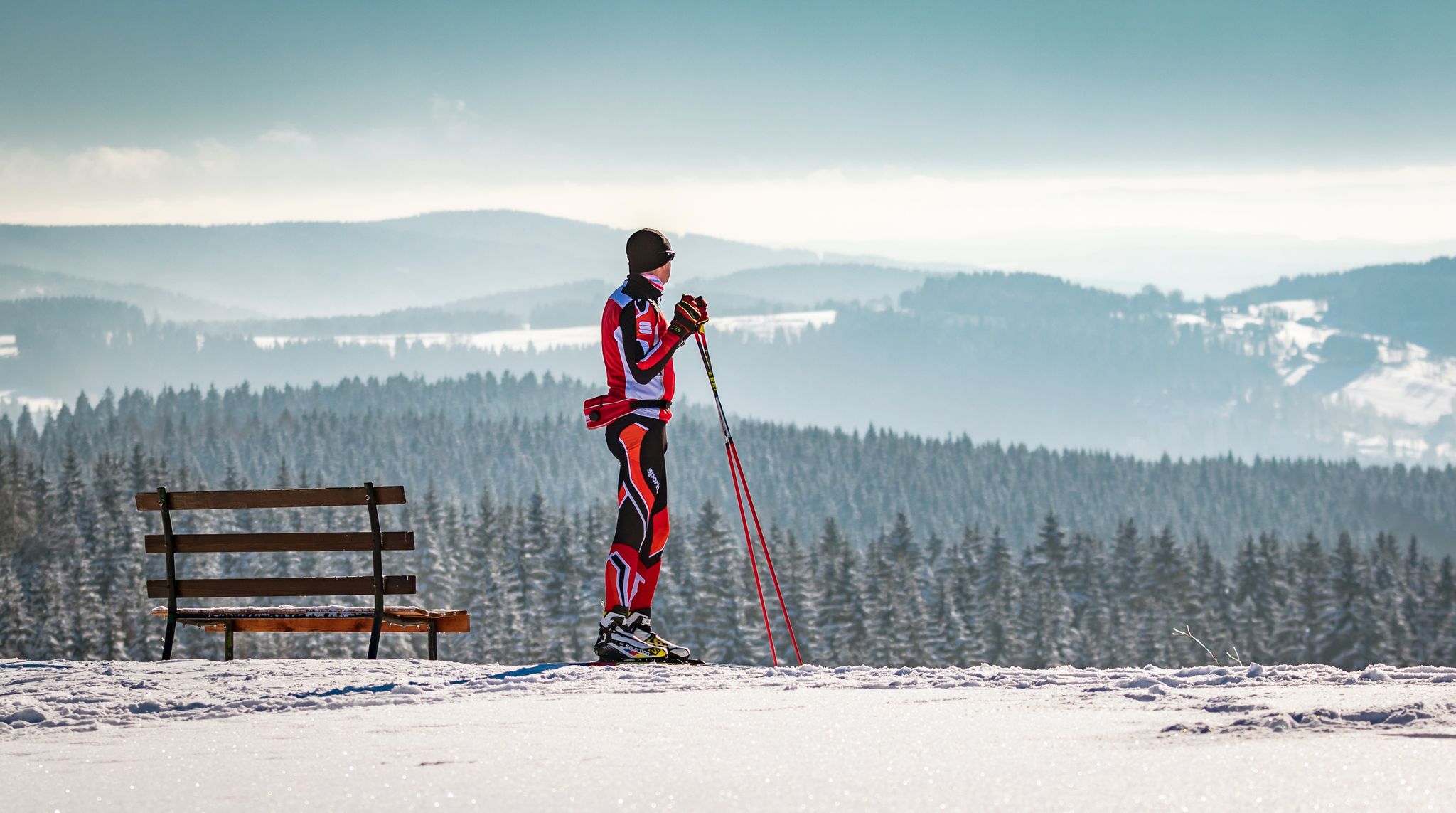
Let it flow! Cross-country skiing in the Ore Mountains
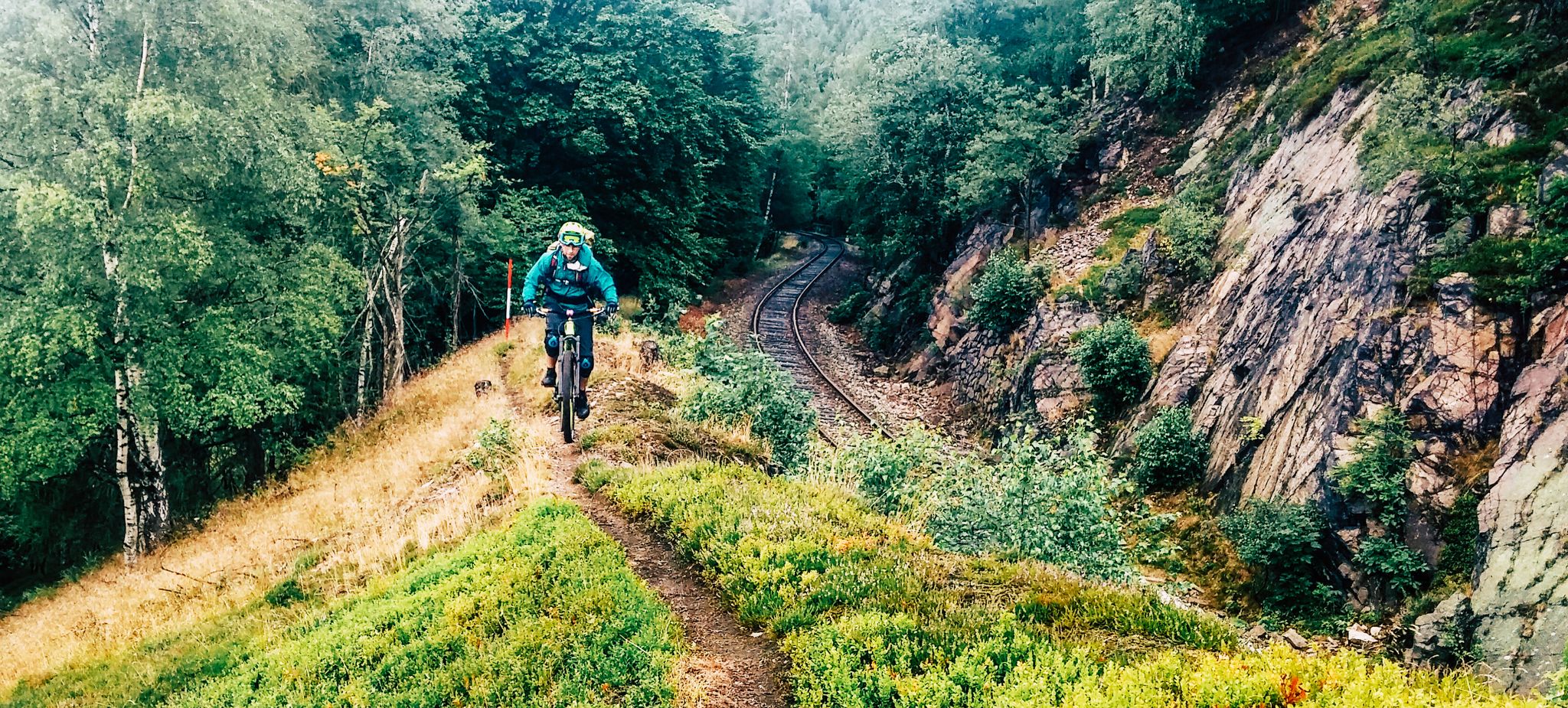
경계 모험 곧 리지웨이 - 카밍웨그 에르츠게비르게

Stoneman Trail in the Ore Mountains
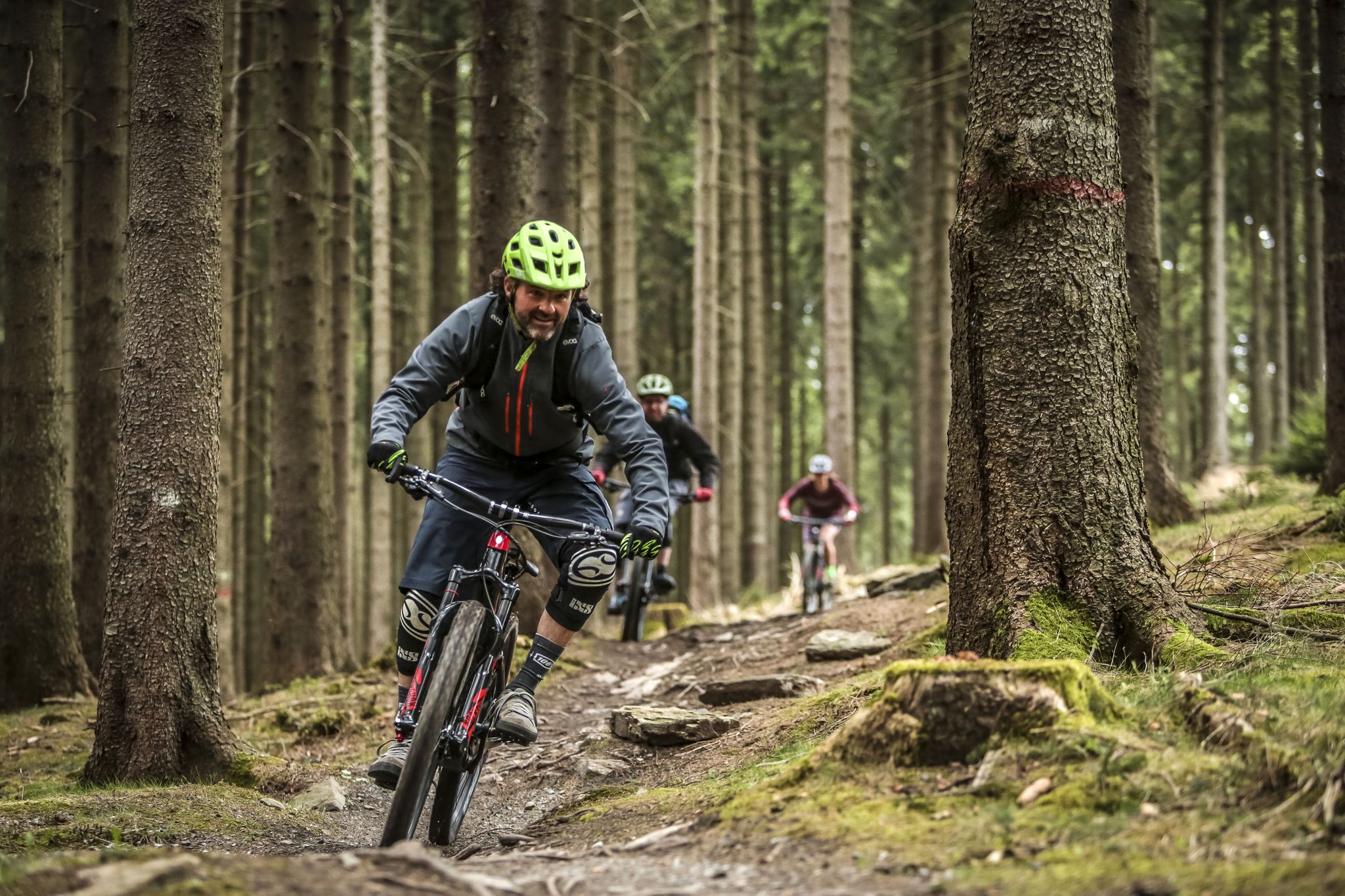
MTB adventures in Saxony
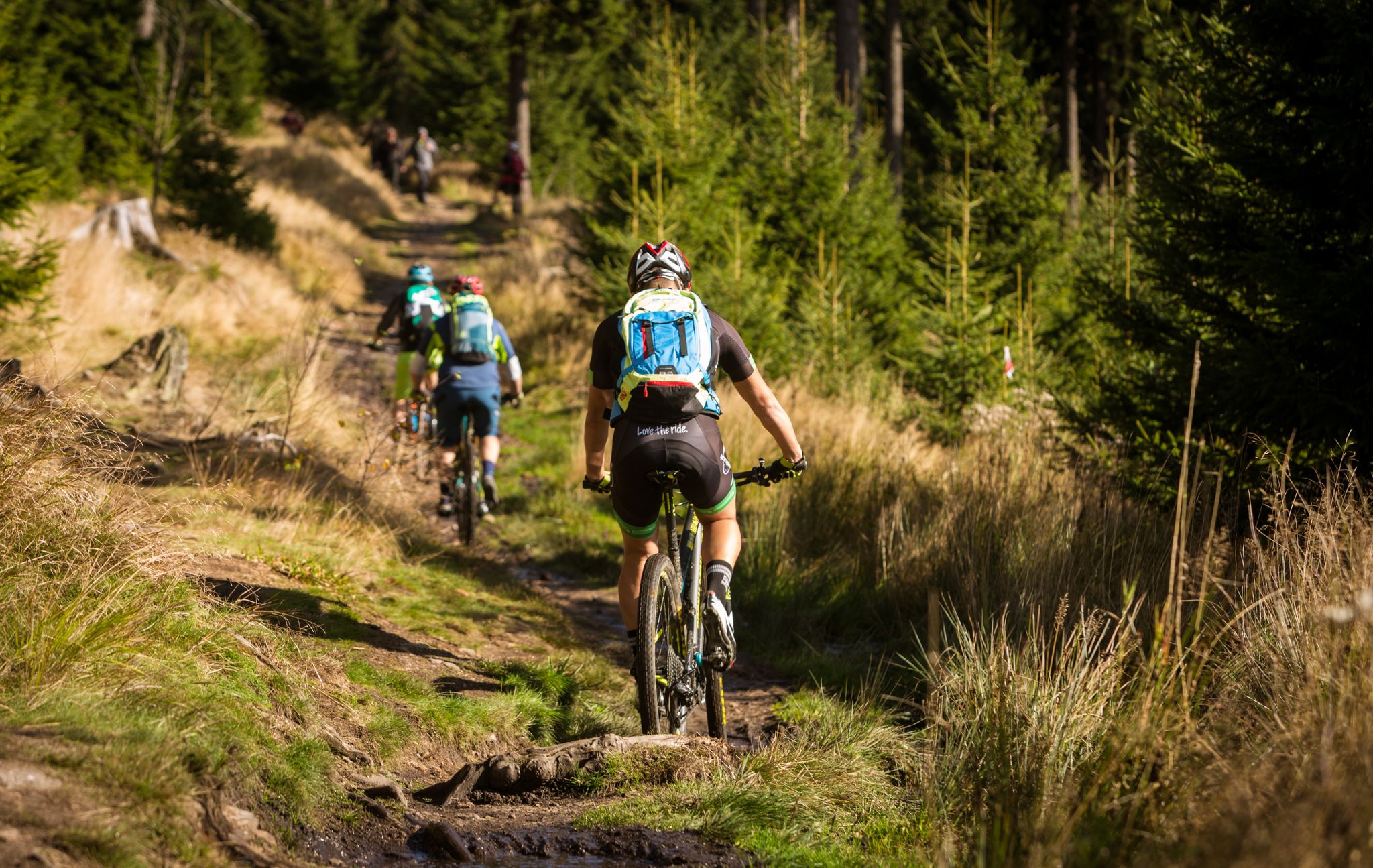
Stoneman Miriquidi MTB 전체 코스 (2일 - 실버)
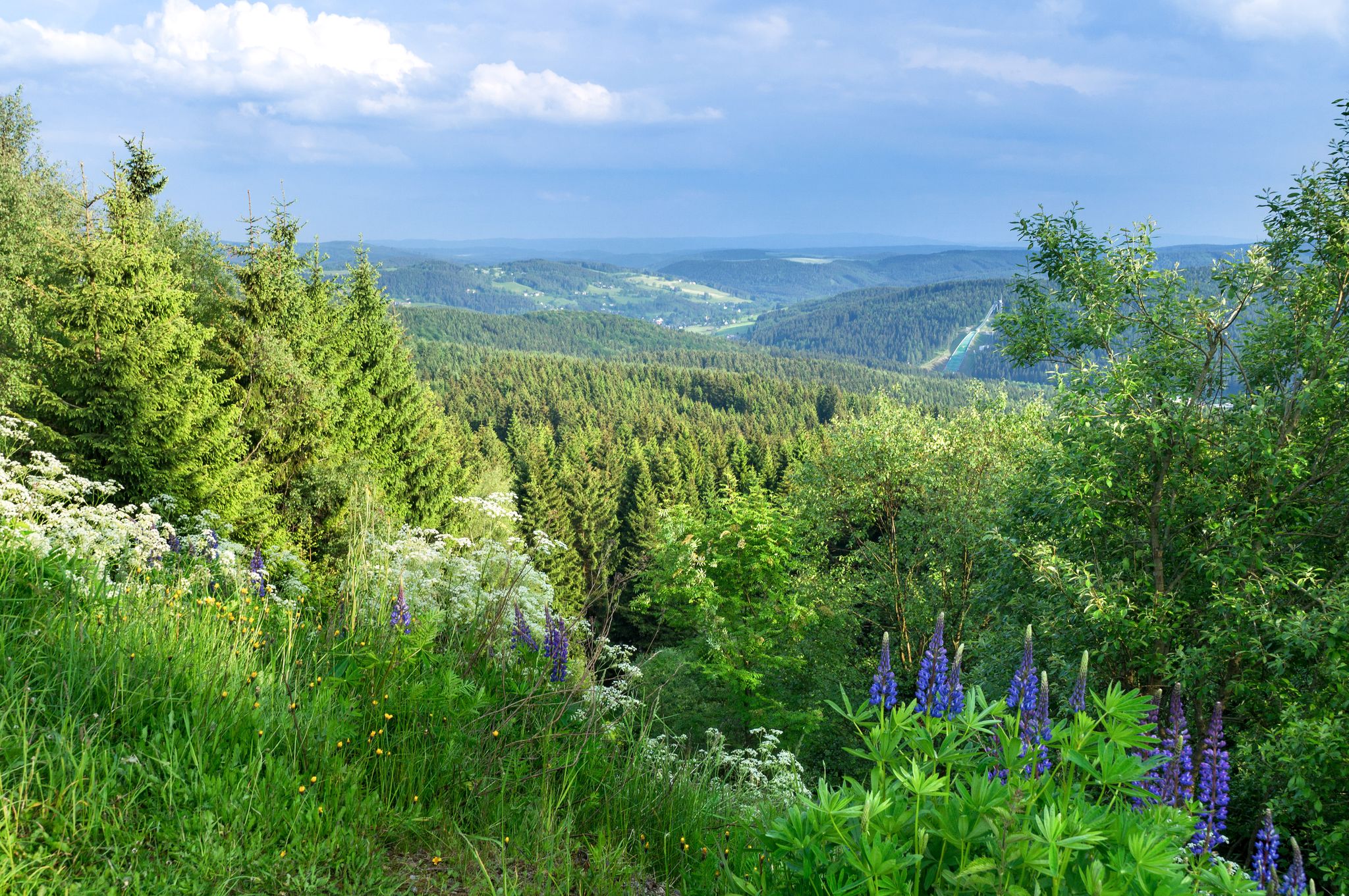
역사가 자연을 만나다 – 에르츠게비르게-포그틀란트 산악 등산로
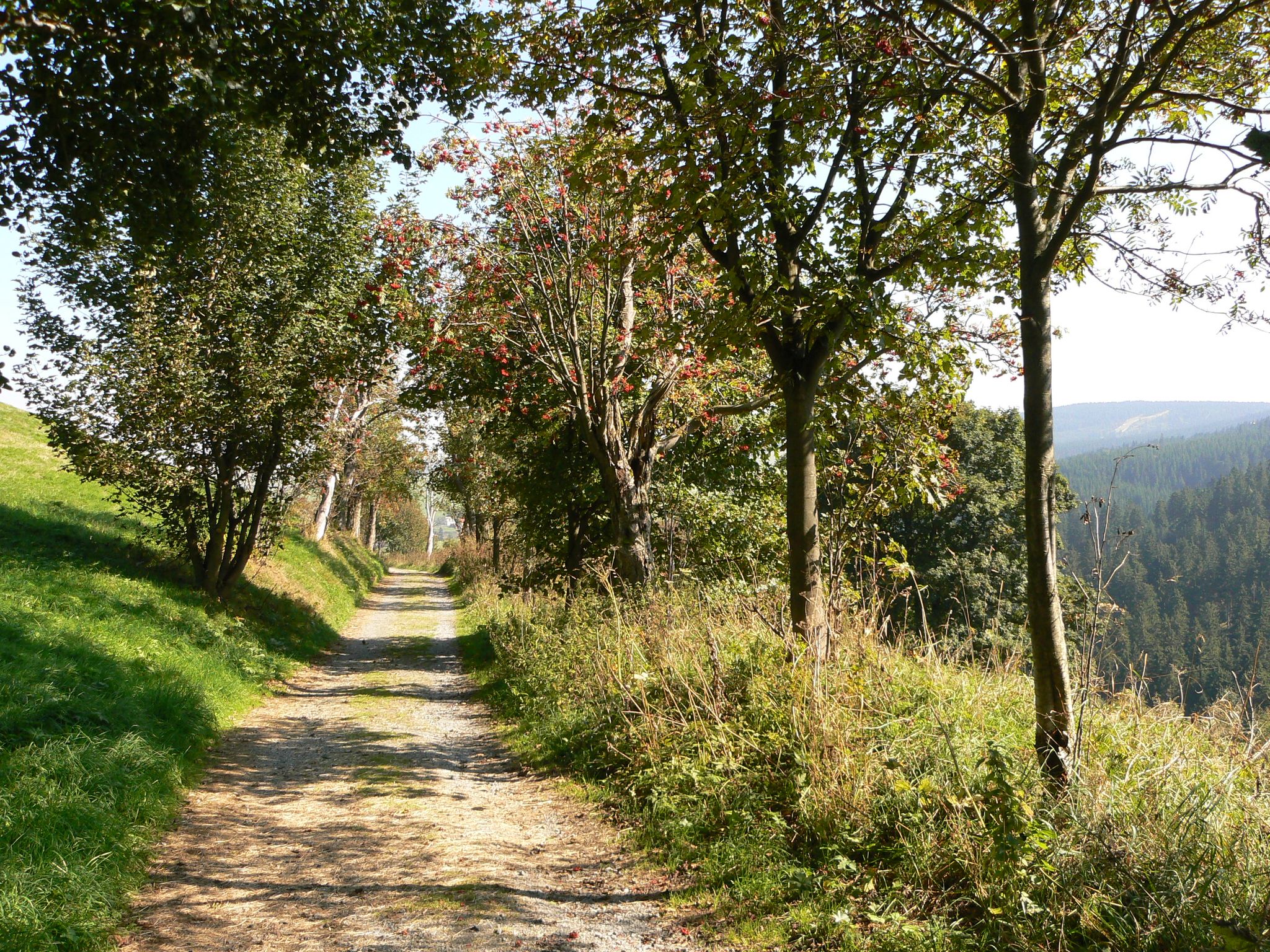
Anton-Günther-Trail — 오레 산맥에서의 긴 주말
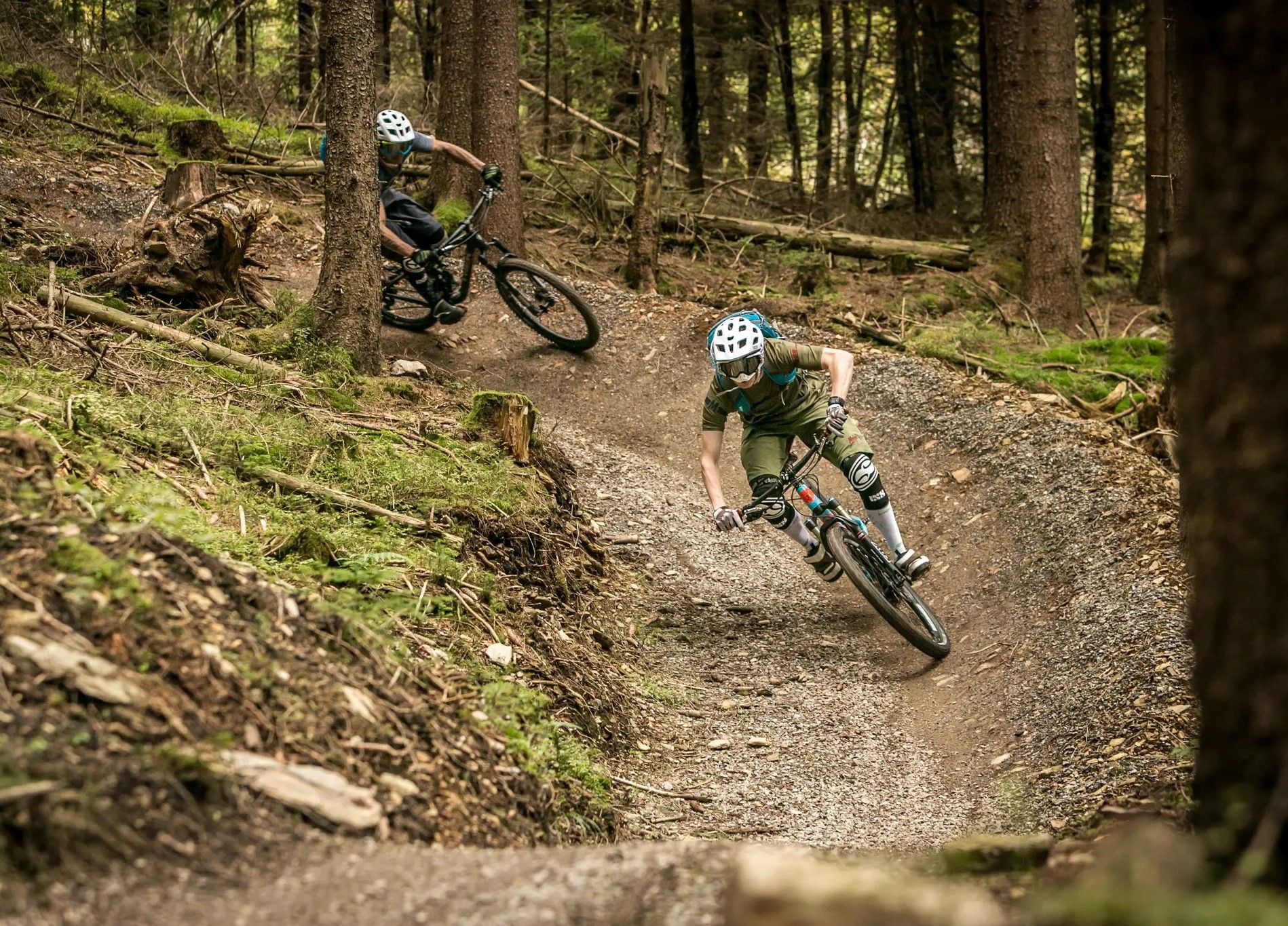
Bike parks in the heart of Germany
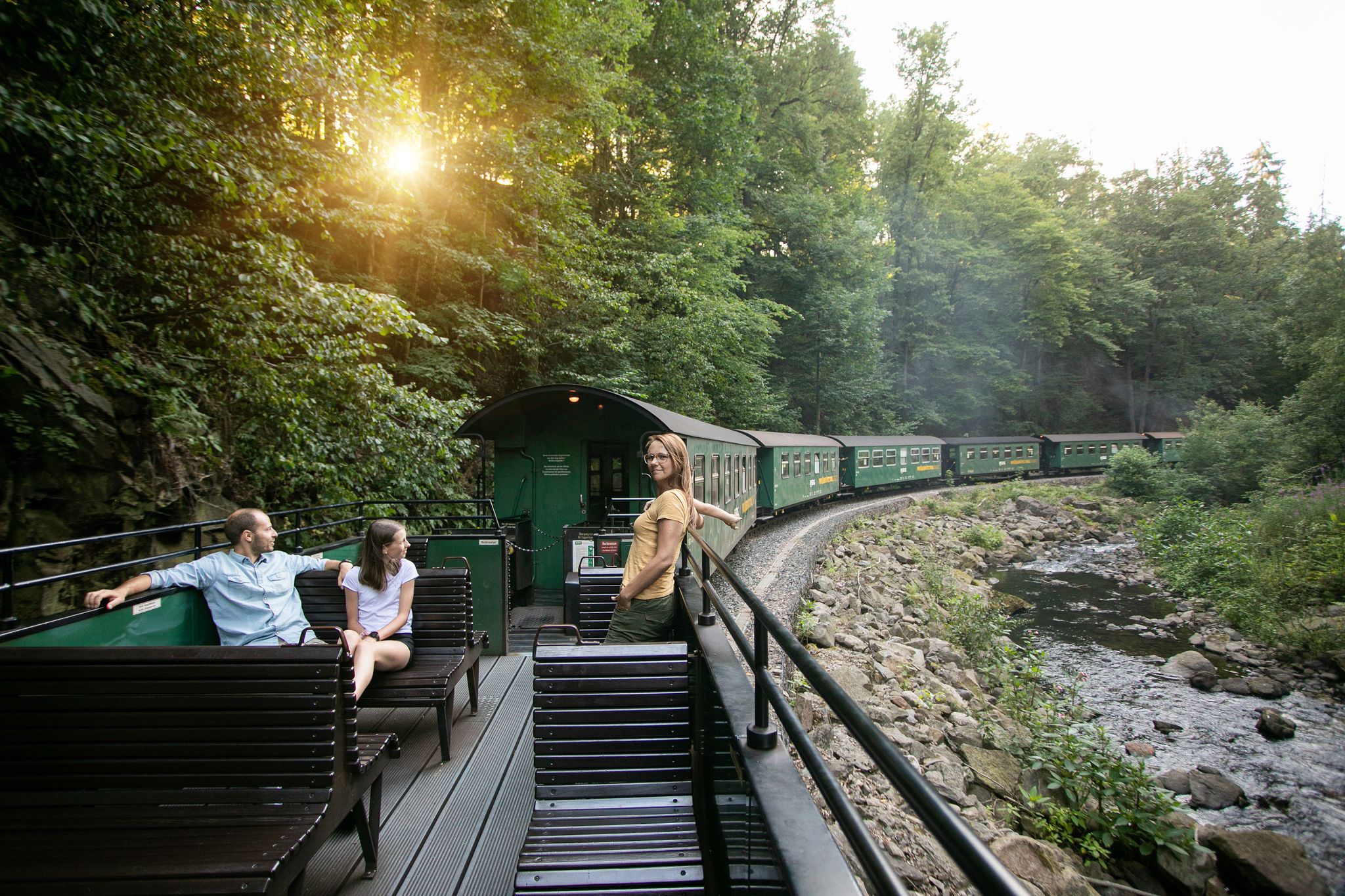
Wandertouren - Eisenbahn & Wanderstock
Wandertouren - Gipfelglück
브라이텐브룬/에르츠게비르게 주변의 다른 모험


커뮤니티 팁

The abandoned settlement of Königsmühle (Königův Mlýn) is only one and a half kilometers from the village of Háj (Stolzenhain), but is shielded by a hill between them. Until their expulsion in the fall of 1946, 57 Sudeten Germans lived here in six houses, five of which were used as homes for the Fohrmann, Siegel, Giebert, Pöschl, and Siegel families. The sixth building was the mill. Grain from Bohemia was milled in Königsmühle, and the flour was then transported further to Saxony. This trade route (also for ore and timber) has sunk into the landscape about three meters deep due to centuries of heavy wagon traffic. After the end of the war, the ethnic German population was expelled from Czechoslovakia; approximately three million people were forced to flee, and around 3,000 communities, villages, and hamlets disappeared. Königsmühle is one of the few sites that can serve as a memorial to this aftermath of World War II. At the initiative of Czech cultural scientist and photographer Petr Mikšíček, the DoKrajin association has conserved the remains of the buildings, created informative display panels, and decorated the grounds with land art. The decline of Königsmühle has been halted, and the memory of its former residents is now kept alive.
22
5

The Evangelical Lutheran St. George's Church in Schwarzenberg/Erzgebirge is an outstanding example of Baroque sacred architecture and, together with the neighboring castle, dominates the cityscape of the old town. **History and Construction** The origins of the parish date back to the 12th century. The present church was built between 1690 and 1699 according to plans by the Lößnitz master builder Johann Georg Roth, as the previous church on the lower market square had become too small and dilapidated. Half of the building site was donated by the Saxon Elector Johann Georg III and the other half by Balthasar Lehmann, the Schwarzenberg Oberzehnder. Construction was carried out by master mason Johann Georg Pauli and master carpenter Samuel Georg. The church, designed as a transverse church, was consecrated on October 22, 1699. **Architecture and Furnishings** The interior of the church impresses with its cantilevered wooden ceiling, added in 1728 and considered a technical masterpiece with a clear width of 34 × 18 meters. The Baroque furnishings include a magnificently carved altar, an artfully wrought choir screen from 1721, crafted by the Schwarzenberg master blacksmith Zacharias Georgi, as well as a Baroque pulpit and a surrounding gallery with numerous boxes. **Music and Organ** St. George's Church is an important center of sacred music. In 1993, a new organ by the Hermann Eule company from Bautzen was installed. It has 39 stops on slider chests and is based on historical models. Concerts are held here regularly, including the "Music Summer in St. Georgen" concert series and the internationally renowned Erzgebirge Music Festival. **Current Condition** Despite its structural integrity, the church is showing signs of age-related damage. Cracks in the masonry and leaky windows are endangering the building's structure. Parts of the gallery had to be closed off in 2018 due to the risk of falling. A comprehensive renovation is necessary to preserve the church as a spiritual and cultural center.
3
0


The Frankonia cable car was an aerial cable car in Beierfeld that was only used for freight transport. It connected the Zwönitz–Scheibenberg railway line with Frankonia AG, by far the largest industrial company in Beierfeld at the time. The location of Beierfeld train station on the Zwönitz–Scheibenberg line, which opened in 1900, was extremely unfavorable for Beierfeld. Due to the steep slope of the access road to the town, shipping goods was particularly difficult. That's why, among other things, the construction of a trackless railway or a pure freight railway to Schwarzenberg train station was considered, but these options failed in the planning phase. Due to the First World War, there was a shortage of horses for shipping purposes. The situation became increasingly worse, especially for Frankonia AG, which produced military items, as urgently needed deliveries of goods accumulated at the Beierfeld train station. (https://www.wikiwand.com/de/Frankonia-Seilbahn)
2
0

A landmark of the city of Schwarzenberg, visible from afar.
7
0

It's worth a trip here, but it's very busy on the Advent weekends🙈
4
0

Here you will receive a point for the digital hiking pin at SummitLynx. The church history in Schwarzenberg is probably almost as old as the castle, which was built around 1150, because it was common to build a chapel when establishing a settlement. The current church building of St. Georgen, which together with the castle forms Schwarzenberg's landmark, was built between 1690 and 1699 after the little church on the lower market had become dilapidated and too small. The Reformation had already arrived in Schwarzenberg in 1529. https://www.st-georgen-schwarzenberg.de/
5
0
브라이텐브룬/에르츠게비르게 주변에서 가장 인기 있는 경로
브라이텐브룬/에르츠게비르게 주변에서 가장 인기 있는 명소


더 살펴보기
다른 곳에서 최고의 성을 찾고 계신가요? 다른 가이드를 발견해보세요 브라이텐브룬/에르츠게비르게 주변:
