볼프자나우 최고의 워킹 & 하이킹 경로
4.5
(3427)
25,128
등산객
1,549
하이킹
볼프자나우 에서 인기 있는 워킹과 하이킹을 찾으시나요? 그렇다면 아름다운 아우크스부르크 숲 주변에 있는 경로 컬렉션을 아래에서 살펴보세요. 볼프자나우에 있는 하이킹 및 워킹 트레일 중에서 마음에 드는 곳을 선택해 언제든지 야외 활동을 하면 돼요.
마지막 업데이트: 10월 14, 2026
4.8
(30)
115
등산객
3.63km
00:55
10m
10m
초급용 하이킹. 모든 체력 수준에 적합. 실력과 관계없이 누구나 쉽게 갈 수 있는 길.
4.0
(4)
19
등산객
5.81km
01:28
10m
10m
초급용 하이킹. 모든 체력 수준에 적합. 실력과 관계없이 누구나 쉽게 갈 수 있는 길.

4.0
(2)
19
등산객
6.58km
01:40
20m
20m
초급용 하이킹. 모든 체력 수준에 적합. 실력과 관계없이 누구나 쉽게 갈 수 있는 길.
15
등산객
5.15km
01:18
10m
10m
초급용 하이킹. 모든 체력 수준에 적합. 실력과 관계없이 누구나 쉽게 갈 수 있는 길.
10
등산객
4.65km
01:11
10m
10m
초급용 하이킹. 모든 체력 수준에 적합. 실력과 관계없이 누구나 쉽게 갈 수 있는 길.
더 다양한 경로와 다른 탐험가들의 추천을 살펴보세요.
이미 komoot 계정이 있나요?
투어 추천은 다른 사람들이 komoot에서 완료한 수천 개의 활동을 바탕으로 구성되어 있습니다.
오늘 무료 계정으로 시작하세요
다음 모험이 기다리고 있어요.
커뮤니티 팁

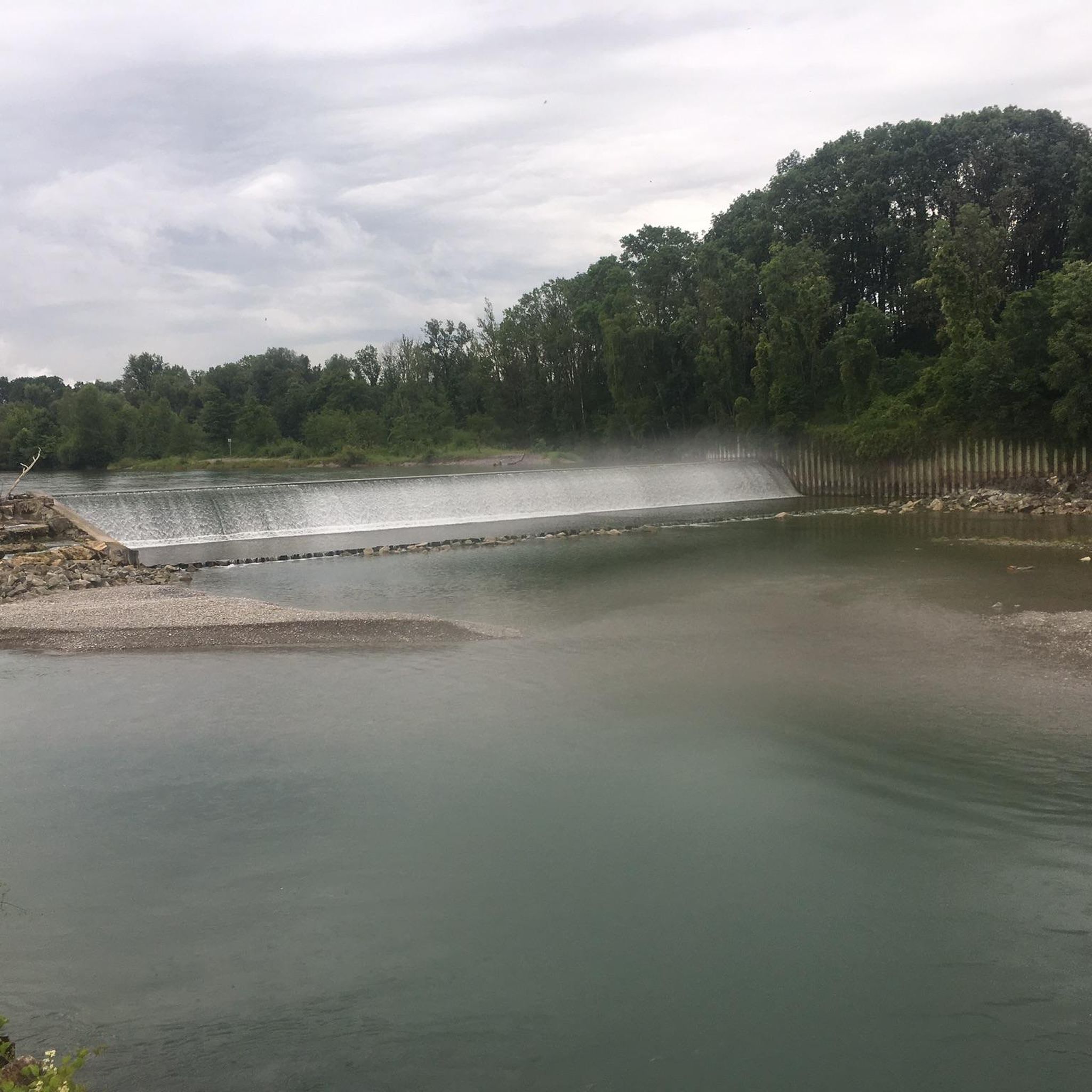
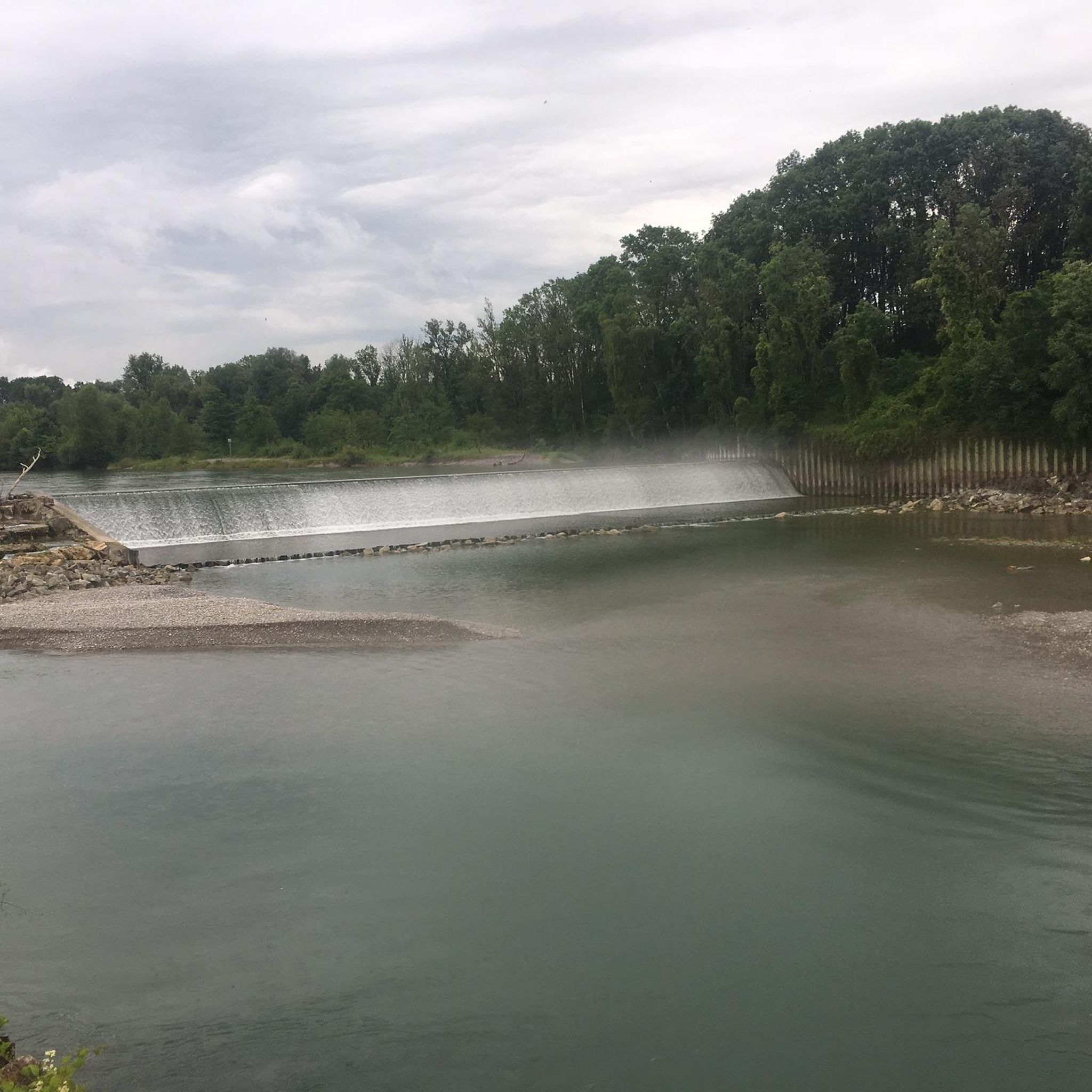
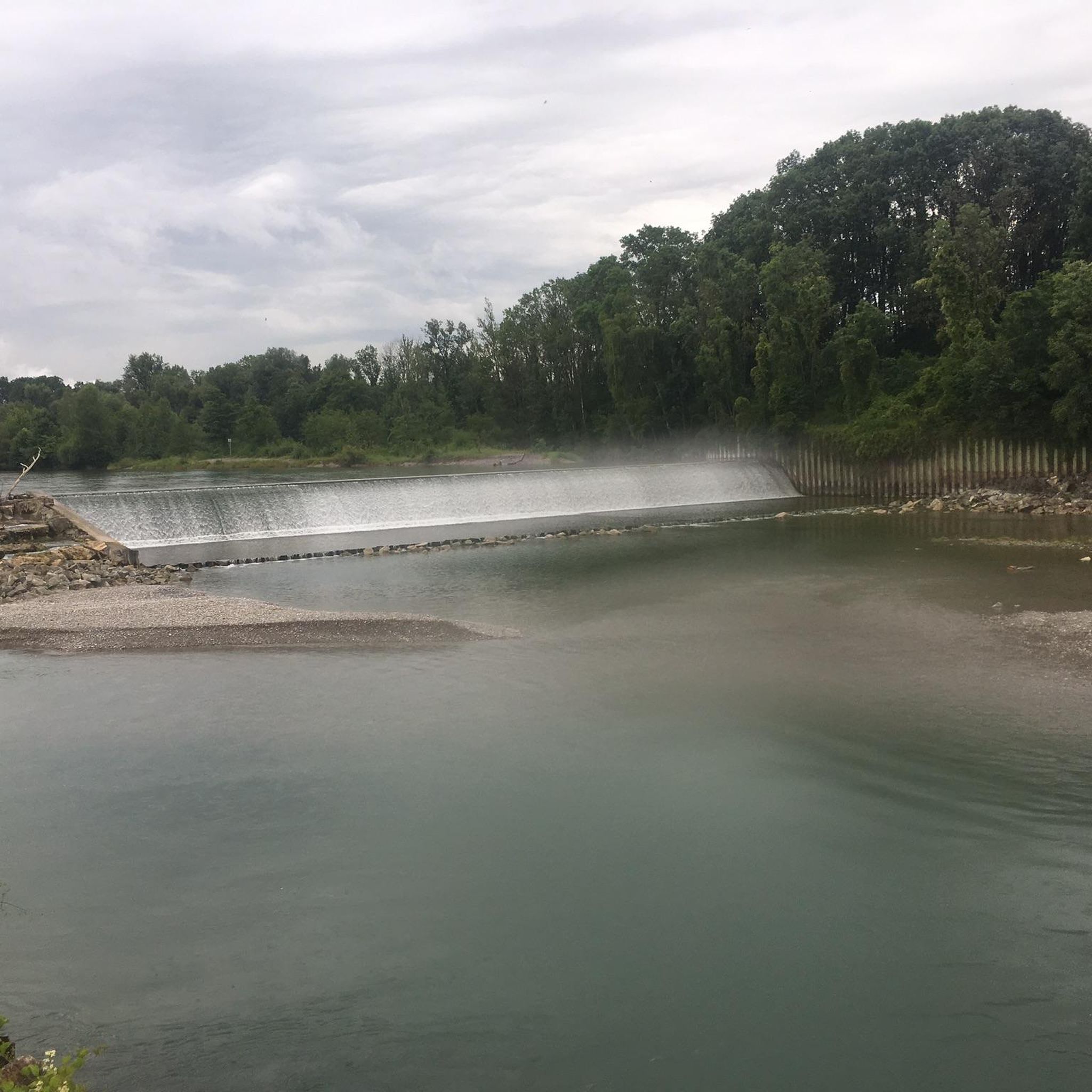
At the northern end of the Wolfzahnau, the Wertach River flows into the Lech River. The Lech and Wertach rivers converge in the Wolfzahnau – a landscape conservation area within the city of Augsburg, located on the western bank of the Lech River. The Lech carries greenish water, while the Wertach carries brownish water.
1
0

The Lech is a right tributary of the Danube. The 256 km long river originates in Vorarlberg in the Hochtannberg region at the confluence of the Spullerbach and Formarinbach streams in the Tannläger valley. It flows through Tyrol and southern Bavaria, where it empties into the Danube. Shortly before the Austrian-German border, it joins the Vils river, forms the artificial Lechfall near Füssen, and crosses Swabia and Upper Bavaria on its way. The largest cities on the Lech are Landsberg and Augsburg; in this city, it receives its largest tributary, the Wertach. The river empties into the Danube near Marxheim. Source: Wikipedia
1
0

Since 2014, a herd of Scottish Highland cattle has been grazing in the Wolfzahnau nature reserve.
0
0

A great way to spend a fun day with children. The trail is very varied.
0
0

The Wolfzahnau is a 76-hectare landscape conservation area in the north of Augsburg, nestled between the Lech and Wertach rivers. The distinctive shape of the headland is reminiscent of a wolf's tooth, which likely contributed to its name. Agriculture was still practiced here until the 1990s, but since 1998, nature conservation has been the priority. Today, primeval-like alluvial forests, wetlands, and open pastures characterize the area, which serves as a habitat for numerous animal and plant species.
1
0

A stark contrast to the nearby highway. Loud and hectic compared to the tranquility of nature.
3
0
From field to species-rich meadow Up until the 1990s, intensive farming took place on the meadow area in front of you. Then the city acquired the agricultural land and converted it into grassland. The aim was to develop a species-rich meadow. To do this, no fertilizers or pesticides were used and the areas were mowed no more than twice a year. This was a success, as numerous rare species, such as centaury, oxeye or helmet herb, have settled here. Living lawnmowers Since 2014, Scottish Highland cattle have been keeping the areas free of excessive grass and bushes. The robust animals are on the approximately 3.8 hectare area all year round. Their number is adjusted to the seasonal feed supply. The extensive grazing has a positive effect. The selective feeding and trampling of the grazing animals creates a richly structured plant population. The smooth transitions between dense forest and open pasture are particularly valuable. Species that depend on light and warmth particularly benefit from this.
1
0
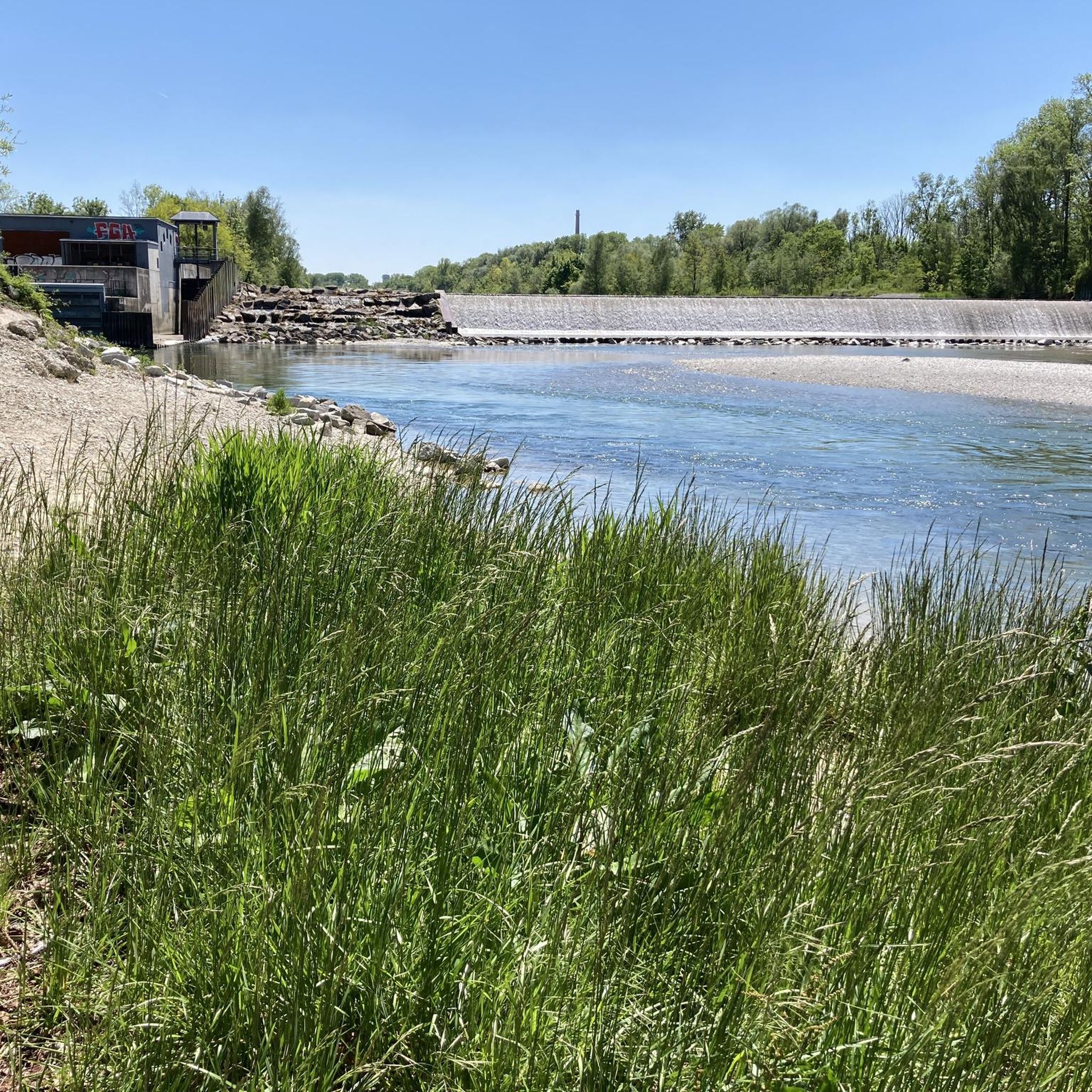
The Wolfzahnauspitze marks the confluence of the Lech and Wertach rivers and offers an idyllic landscape in the Wolfzahnau nature reserve. A quiet place with impressive nature and views, ideal for relaxation and walks.
1
0
볼프자나우 주변에서 가장 인기 있는 명소


더 살펴보기
다른 지역의 최고의 하이킹를 살펴보세요.
