다멘 최고의 워킹 & 하이킹 경로
4.5
(1153)
3,874
등산객
17
하이킹
Komoot에 등록된 다멘 내 트레일 및 경로 컬렉션 중에서 하이킹과 워킹을 가장 멋지게 즐길 수 있는 곳을 알려드릴게요. 아래에서 각 경로의 상세 정보를 모두 확인한 후, 다멘 속 자연에서 즐거운 시간을 누려보세요.
마지막 업데이트: 9월 29, 2026
4.2
(17)
64
등산객
27.8km
07:12
160m
160m
어려운 하이킹. 우수한 체력 필요. 실력과 관계없이 누구나 쉽게 갈 수 있는 길.
4.8
(11)
30
등산객
14.0km
03:42
140m
140m
보통 하이킹. 좋은 체력 필요. 실력과 관계없이 누구나 쉽게 갈 수 있는 길.

4.7
(11)
32
등산객
14.3km
03:48
140m
140m
보통 하이킹. 좋은 체력 필요. 실력과 관계없이 누구나 쉽게 갈 수 있는 길.
4.2
(16)
51
등산객
10.1km
02:35
30m
30m
보통 하이킹. 좋은 체력 필요. 실력과 관계없이 누구나 쉽게 갈 수 있는 길.
4.8
(11)
31
등산객
14.5km
03:49
130m
130m
보통 하이킹. 좋은 체력 필요. 실력과 관계없이 누구나 쉽게 갈 수 있는 길.
더 다양한 경로와 다른 탐험가들의 추천을 살펴보세요.
이미 komoot 계정이 있나요?
투어 추천은 다른 사람들이 komoot에서 완료한 수천 개의 활동을 바탕으로 구성되어 있습니다.
오늘 무료 계정으로 시작하세요
다음 모험이 기다리고 있어요.

커뮤니티 팁

1912년 프리드리히 그라프 폰 바세비츠는 이 장소에 우정석을 세웠습니다. AMICITAE SEMPITERNAE MEMOR F. COMES. BASSEWITZ MDCCCCXII DER IMMERWÄHRENDEN FREUNDSCHAFT EIN GEDENK HAT ERRICHTET F. GRAF BASSEWITZ 1912 이 기념물로 바세비츠 백작은 부르크 슐리츠와 쇼르소우 간의 오래된 우정을 기념합니다.
0
0
The workers' houses of the former Dahmen sugar factory are a striking testament to the short but intense industrialization phase in rural Mecklenburg during the 19th century. The factory began operations in 1875 and ran until its closure in 1905 – just under 30 years. The primary reason for its early demise was the collapse of beet sugar prices due to the rapidly growing competition from numerous other factories in Germany. The factory complex included not only the production facilities themselves (which, with the exception of one storage building, have been largely demolished), but also a small factory village with infrastructure for the workforce: Housing for the factory workers (the so-called workers' houses) A tavern A general store A bakery These workers' houses were built at the same time as the factory. They served to attract and retain workers – often seasonal laborers (e.g., harvesters for the beet harvest) – as Dahmen was a very rural and remote location.
0
0
The building that housed the youth hostel originally belonged to the Dahmen sugar factory. This factory was founded between 1873 and 1875 by landowner Vollrath Levin von Maltzahn, his cousin Rudolph von Maltzahn, and Lieutenant Colonel Hubert Gustav von Tiele-Winckler. The factory operated from 1875 to 1905 – only about three decades. After the factory closed, the buildings (including the workers' housing) were preserved and continue to shape the character of Dahmen today.
0
0
The grave of Wilhelm von Maltzan (Baron of Wartenberg and Penzlin) is located in the Moltzow cemetery. In 1863, he donated the bronze bell to the church (cast by C. Illies in Waren). His grave is also located there. This is one of the few specifically documented individual family graves directly in Moltzow. The von Maltzan family owned Moltzow for centuries (at least since the 14th century, and demonstrably from around 1372 in connection with other estates such as Ulrichshusen, Grubenhagen, etc.). Moltzow belonged to the estates of various branches of this widely distributed family (the Moltzow estate is discussed separately in the family history).
0
0
A fieldstone building with brick detailing, a magnificently designed blind gable, and a tower with two Renaissance bells dating from 1598. The Renaissance altar (circa 1600): Unique in Central Europe with its original paintwork, six meters wide, and featuring carved reliefs (e.g., the Nativity, the Crucifixion, and the Resurrection). It is considered one of the most beautiful Renaissance altars in village churches throughout Germany.
1
0

I can only recommend the Gasthaus Alter Schafstall. Great service, delicious food, and you can even charge your e-bike for free. You just need to bring your charging cable with you.
0
0

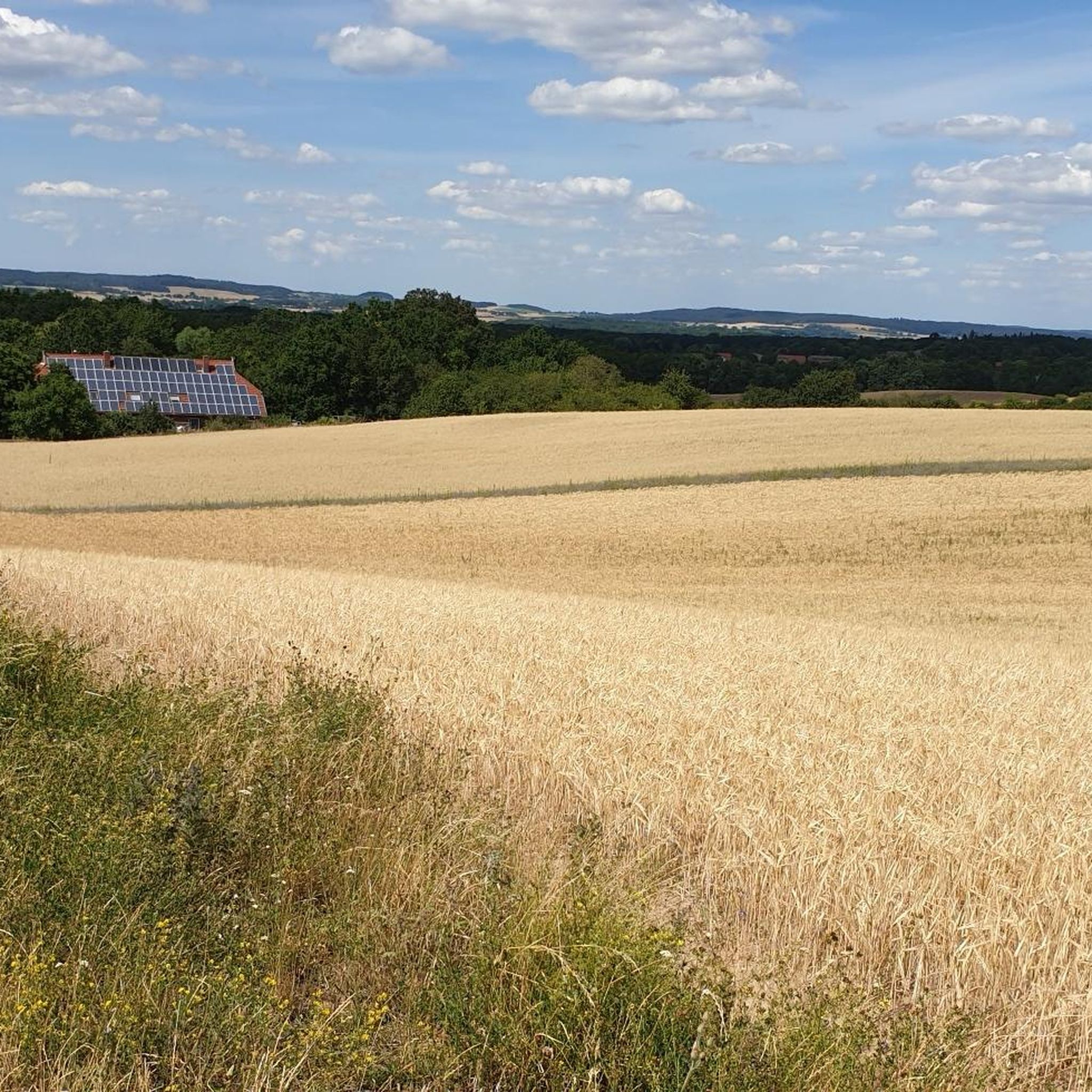
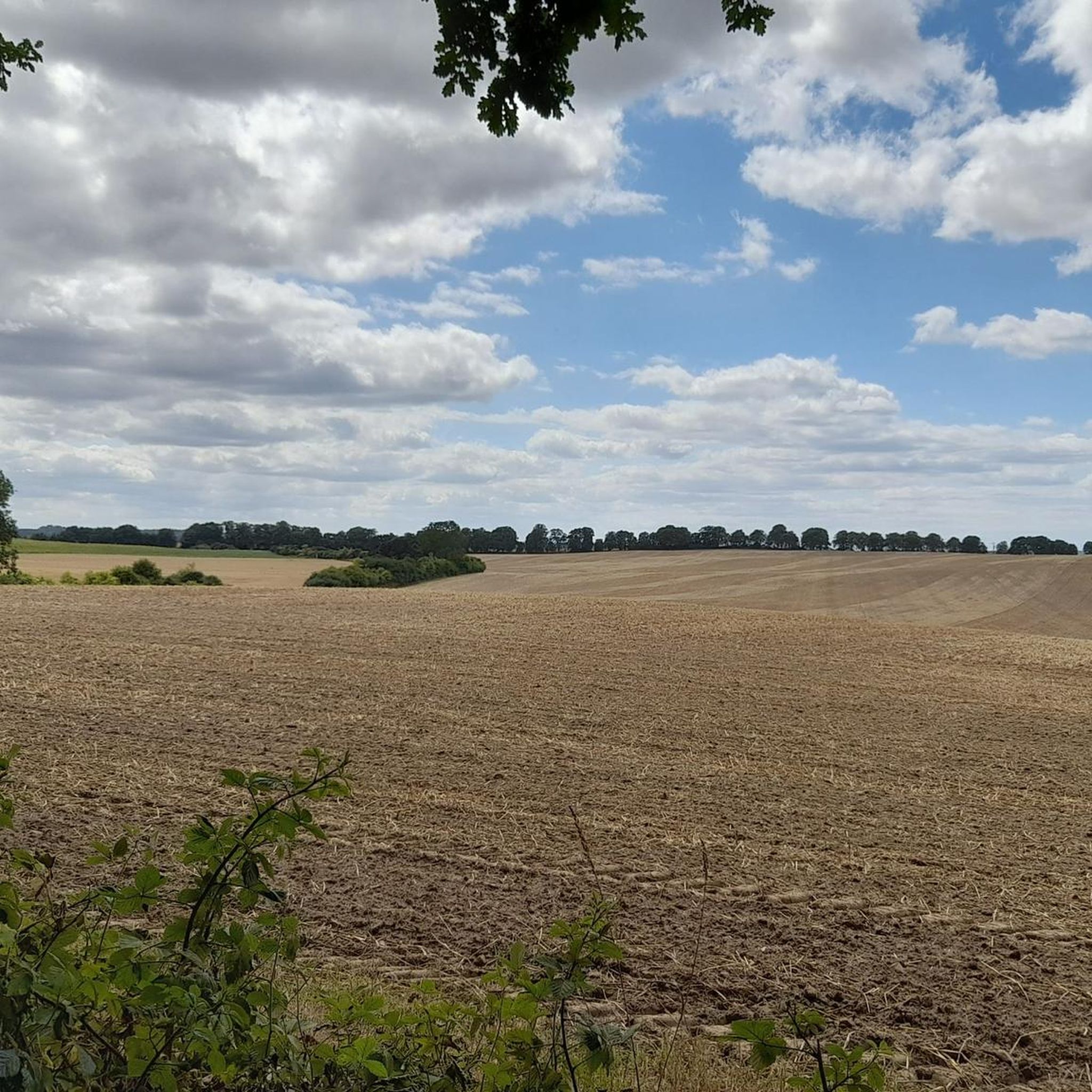
The path no longer exists unless you make your own way through a cornfield...
0
0
Due to countless fallen trees, the trail is no longer accessible to regular hikers. Those who enjoy climbing can still somehow get through.
1
0
다멘 주변에서 가장 인기 있는 명소


더 살펴보기
다른 지역의 최고의 하이킹를 살펴보세요.
