ボルラーのおすすめランニングルート
4.6
(105)
1,220
ランナー
76
ランニング
ボルラーでランニングを楽しめば、このエリアをより深く知ることができます。ランニングに適した美しいルートが見つかるように、komootがボルラーでのルートのコレクション全体を評価して選び抜いた、人気ランニングトレイルをご紹介します。ルートをクリックして詳細を表示し、他のユーザーがアップロードした役立つ情報や写真を閲覧しましょう。
最終更新日: 9月 29, 2026
17
ランナー
10.9km
01:14
160m
160m
中程度のジョギング. ある程度のフィットネスレベルが必要です。 全般的に舗装された状態です。あらゆるスキルレベルに適しています。
8
ランナー
6.61km
00:44
70m
70m
中程度のジョギング. ある程度のフィットネスレベルが必要です。 全般的に舗装された状態です。あらゆるスキルレベルに適しています。

5.0
(1)
6
ランナー
7.37km
00:49
110m
110m
中程度のジョギング. ある程度のフィットネスレベルが必要です。 全般的に舗装された状態です。あらゆるスキルレベルに適しています。
5.0
(1)
6
ランナー
6.24km
00:41
120m
120m
中程度のジョギング. ある程度のフィットネスレベルが必要です。 全般的に舗装された状態です。あらゆるスキルレベルに適しています。
3.0
(1)
5
ランナー
14.9km
01:37
270m
270m
中程度のジョギング. ある程度のフィットネスレベルが必要です。 全般的に舗装された状態です。あらゆるスキルレベルに適しています。
さらに多くのルートや他のユーザーのおすすめ情報を確認できます。
すでにアカウントをお持ちですか?
おすすめのツアーは他のkomootユーザーが実際に経験した何千ものアクティビティに基づいています。
無料アカウントで今日から始めよう
次の冒険が待っています。
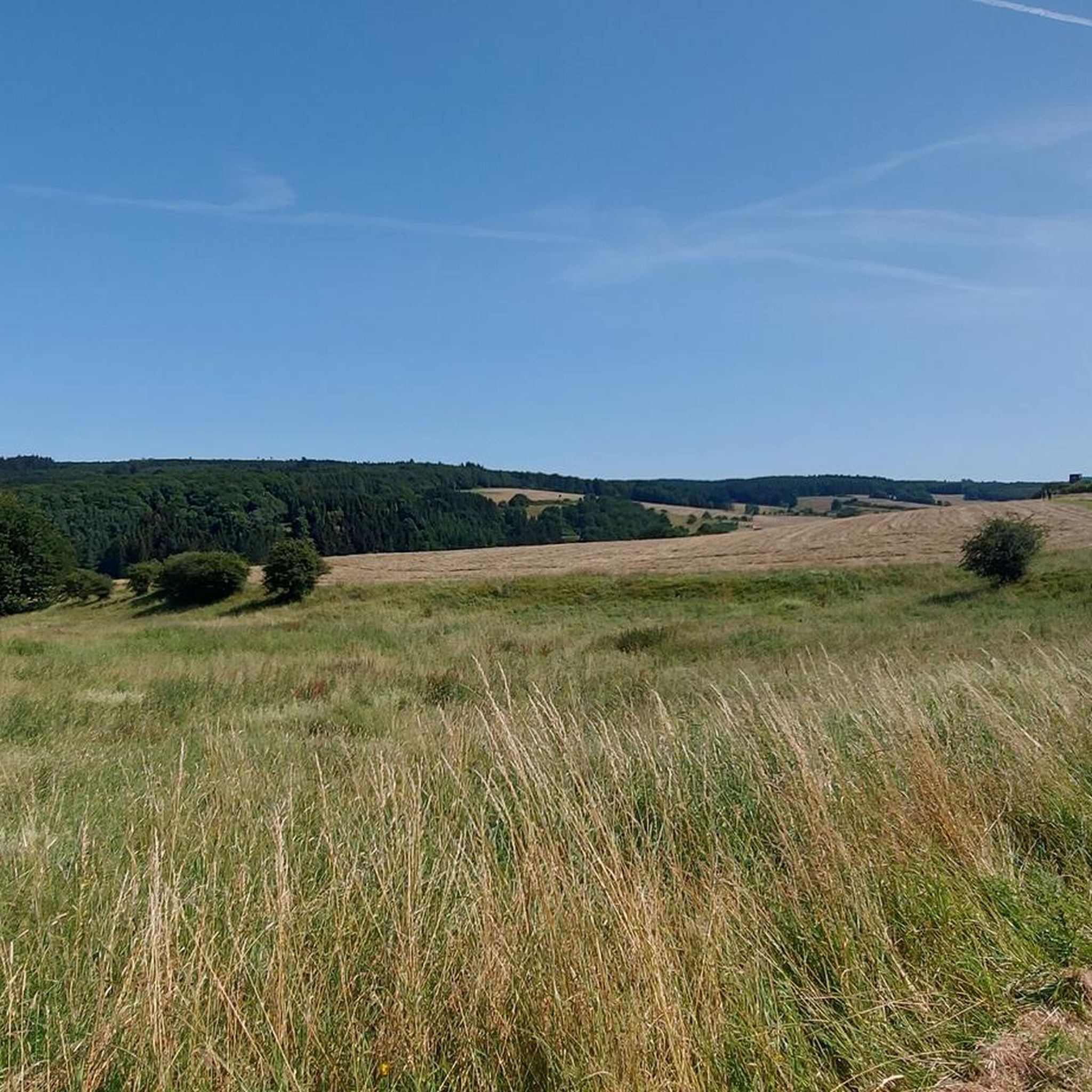
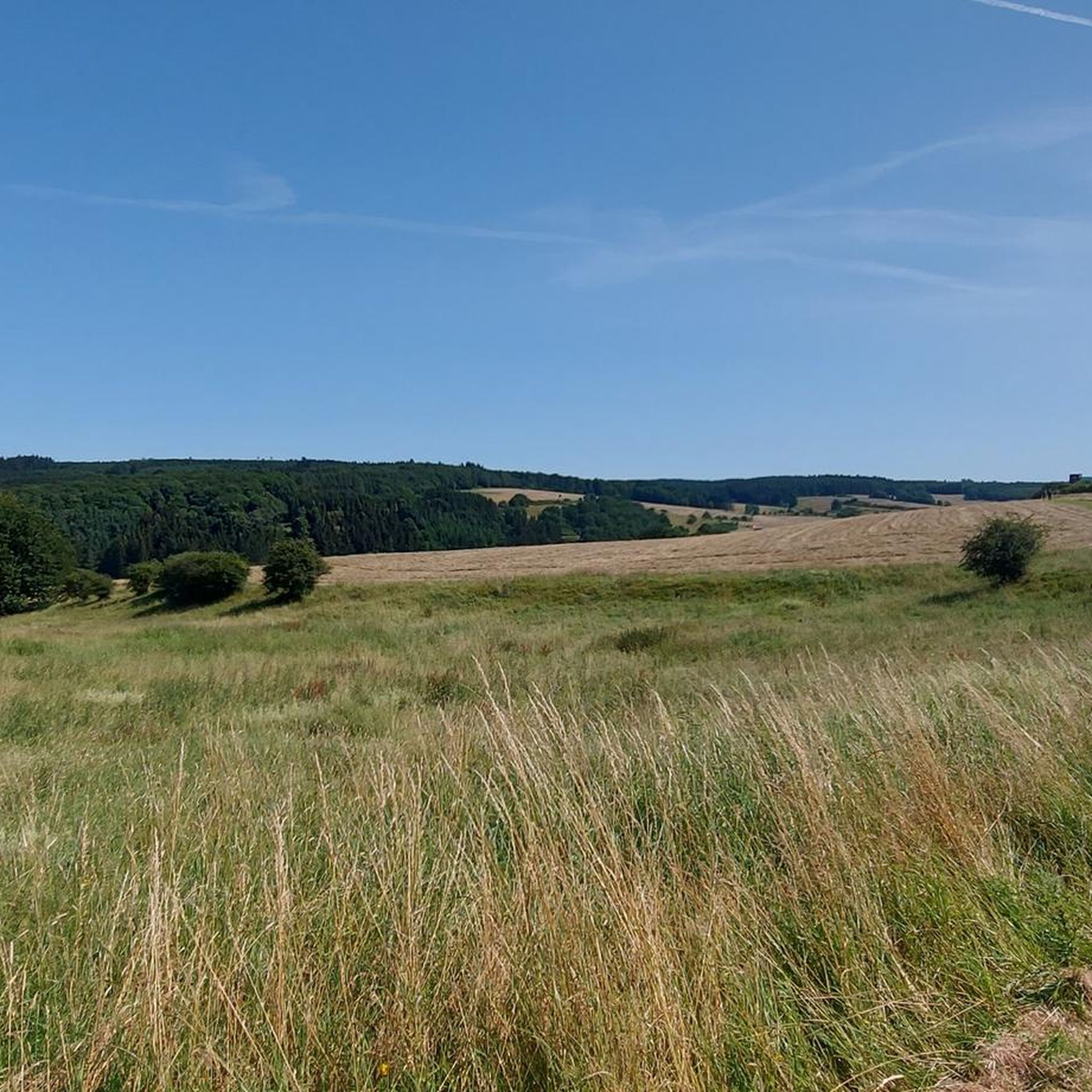
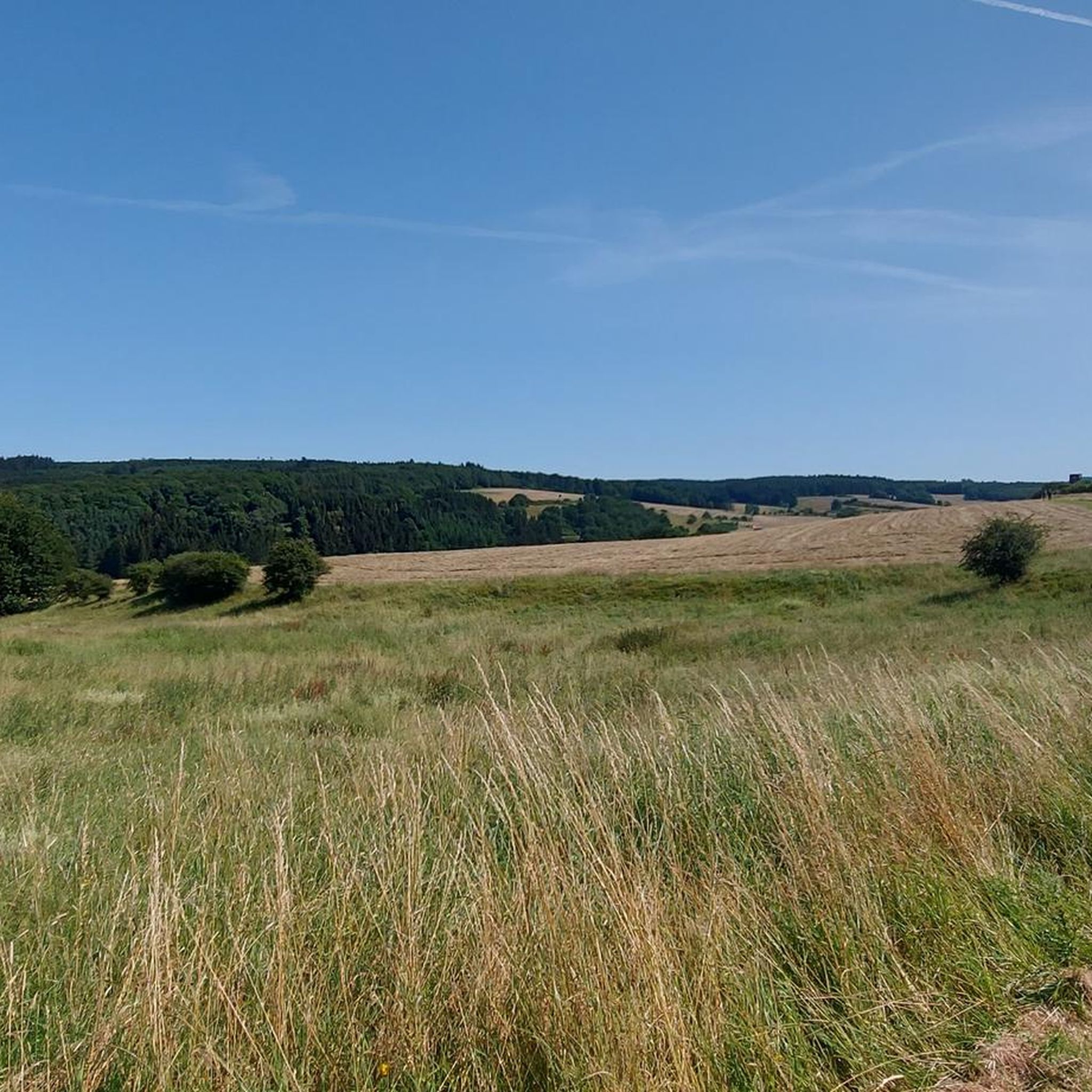
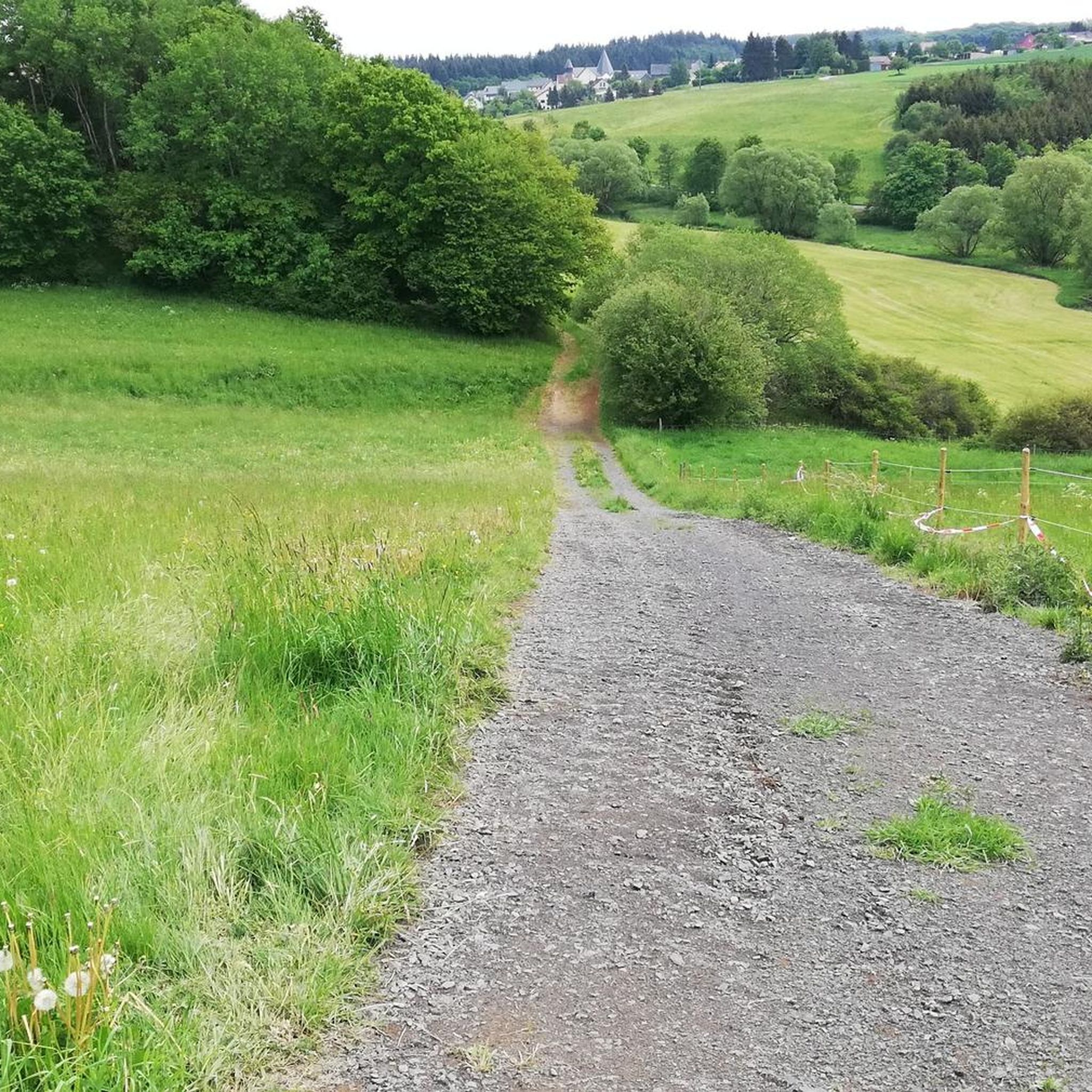

コミュニティからのヒント


Like its predecessor, MTB says through the water☝🏽🤪👍🏽👍🏽🤣
2
0

Delicious cakes, friendly service, and a cozy courtyard with many different corners and seating areas—worth a stop anytime!
0
0
Delicious cakes, good coffee, and a cozy courtyard - the Nohner Mühle is always worth a stop...
0
0

The chapel was built between 1946 and 1950 at a new location, following plans by the Mayen architect Helmut Goldtschmidt (1918-2005), as a successor to the old, dilapidated St. Stanislaus Chapel. As early as 1936, there were plans to build the new, larger chapel at a different location. In 1939, the new building was approved by the Episcopal Vicariate General, but construction had to be postponed due to the outbreak of World War II. The foundation stone was laid on August 4, 1946. The building application was subsequently approved by the Mayen District Building Authority on January 19, 1949. The interior furnishings were retained from the old St. Stanislaus Chapel. After a long construction phase, the Chapel of the Assumption of Mary was ceremoniously consecrated on November 30, 1950. In 1975, the chapel received a new roof, new bells in 1983, and new windows had to be installed in 1985. From October 1992 to April 1993, the chapel was completely renovated. The current altar was erected and consecrated in 1994. Source: https://www.kuladig.de/Objektansicht/O-86809-20140228-3
2
0

In 1979, the plan was born to create a reservoir as a place of rest and relaxation with the opportunity to celebrate. Benches also invite hikers and cyclists to take a rest. For more information about the reservoir, see https://dreis-brueck.de/project/der-stausee/
0
0

komootモバイルアプリでインスピレーションを得よう


さらに探索
他の地域の最高のランニングトレイル & ルートを見てみましょう。
