サンタマリアディサラのおすすめライド
4.2
(335)
10,916
ライダー
362
ライド
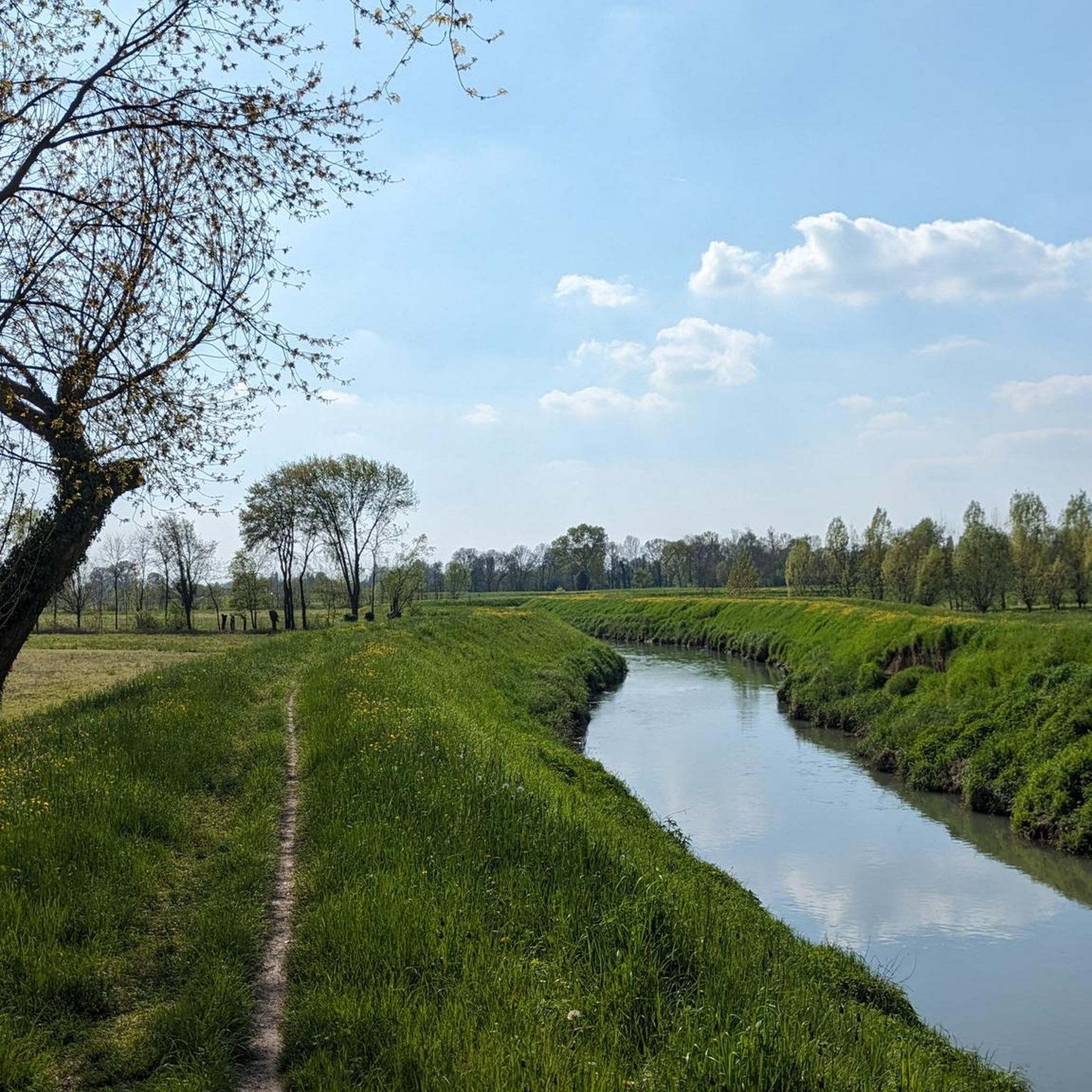
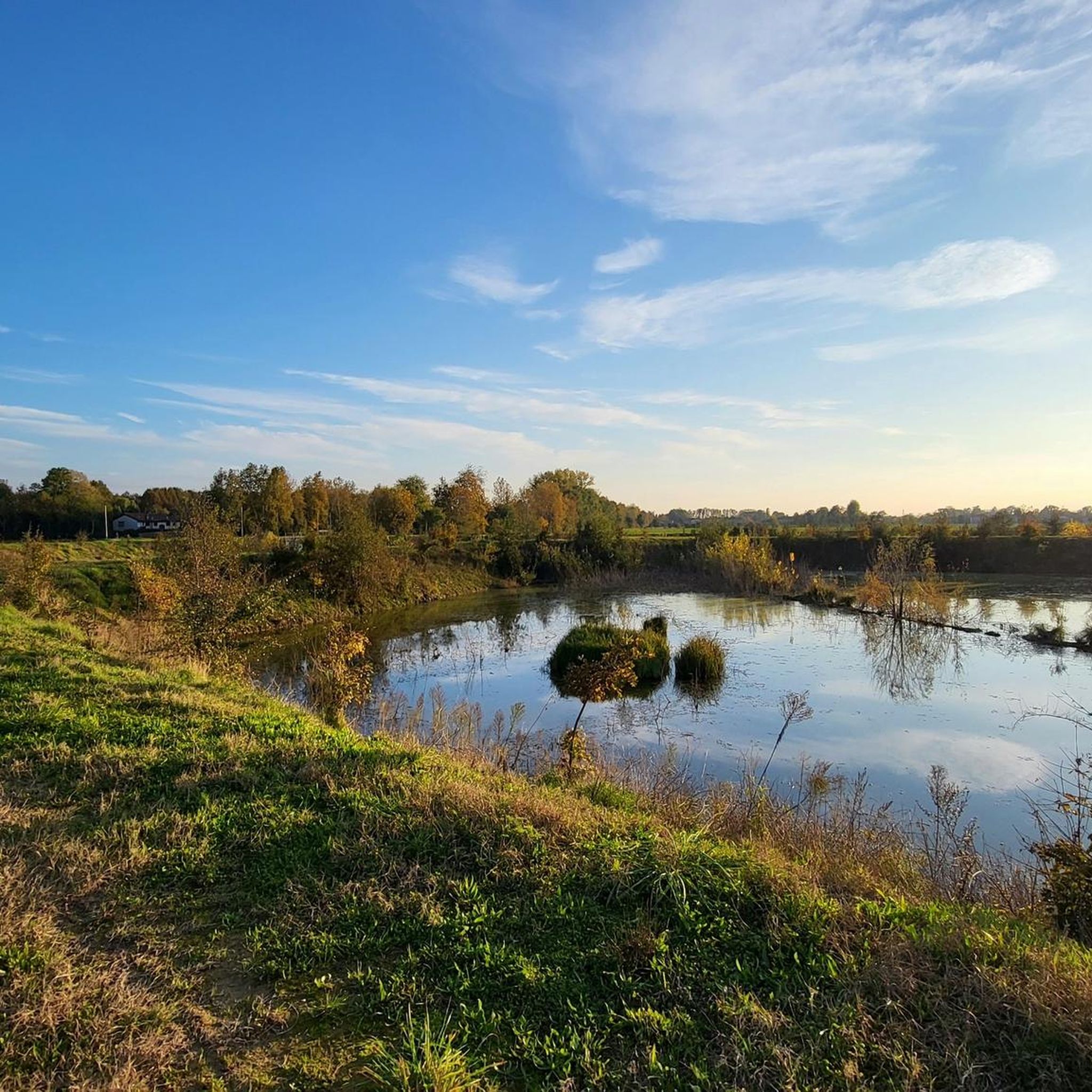
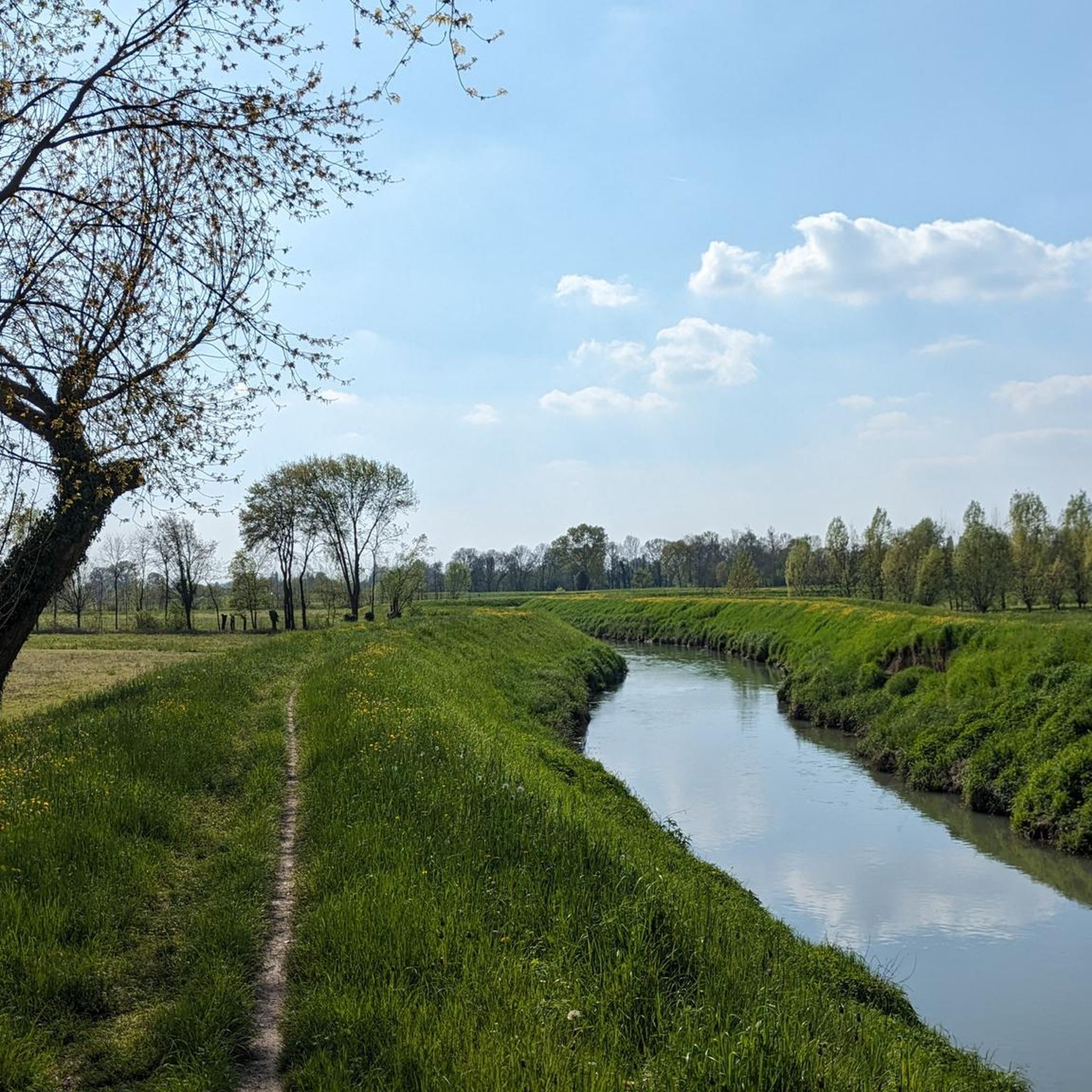
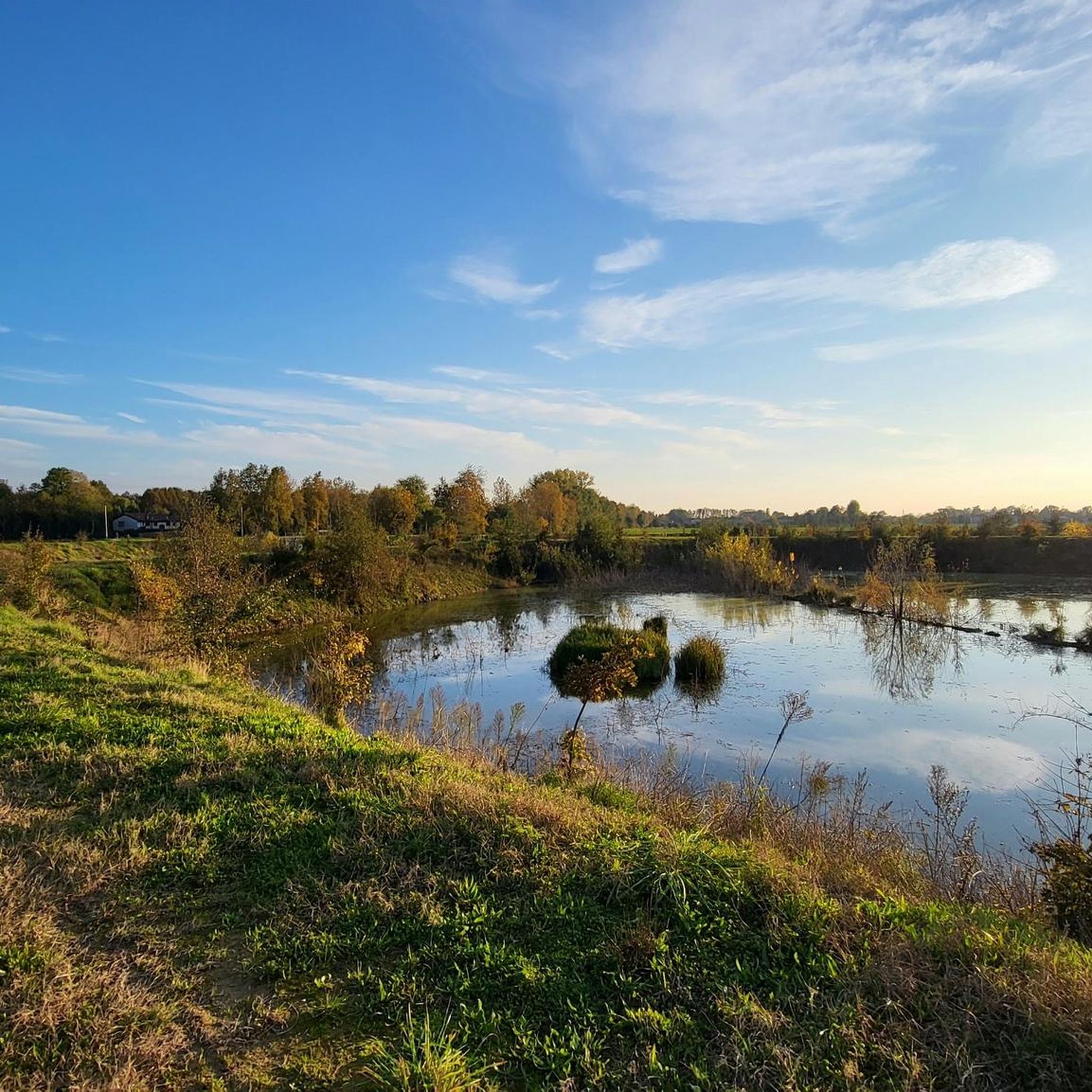
ロードサイクリングは、イタリアのヴェネト州に位置するサンタ・マリア・ディ・サーラ周辺では、平坦な平野と広大な運河網が特徴です。地形は高低差がほとんどなく、さまざまなペースや距離でのサイクリングに適しています。農耕地と伝統的な農家が景観の大部分を占め、見晴らしの良い開けた景色と静かな道を提供しています。一方、ブレンタ川や歴史的なブレンタ・リヴィエラのような水路は、風光明媚なルートを提供しています。
サンタ・マリア・ディ・サーラ周辺のベストロードサイクリングルート
- 最も人気のあるロードサイクリングルートは、ピアーニガ発、ヴィラ・ピサーニ、ストラ – プラート・デッラ・ヴァッレ ループで、走行距離30.9マイル(49.7 km)、所要時間2時間9分です。このルートは、有名なヴェネツィアのヴィラやブレンタ・リヴィエラ沿いを通過します。
- 地元のロードサイクリストに人気のもう一つのルートは、カセッレ・デ・ルッフィ発、カンポダルセーゴ噴水ループで、走行距離19.4マイル(31.3 km)のイージールートです。このルートは、この地域の典型的な平坦な農耕地を巡ります。
- 地元のロードサイクリストは、ヴィゴンツァ発、ロードバイクループも気に入っています。走行距離17.6マイル(28.3 km)のこのルートは、開けた平野と田園地帯を通り抜け、所要時間は約1時間12分です。
- サンタ・マリア・ディ・サーラ周辺のロードサイクリングは、平坦な平野、運河、農耕地が特徴です。このネットワークは、イージーループから中程度の距離まで、さまざまなレベルのサイクリストに対応しています。
- サンタ・マリア・ディ・サーラのルートは、komootコミュニティから高く評価されており、220件以上のレビューで平均4.3つ星を獲得しています。9,700人以上のロードサイクリストがkomootを利用して、サンタ・マリア・ディ・サーラの多様な地形を探索しています。
最終更新日: 10月 7, 2026
25
ライダー
47.2km
01:59
90m
90m
中程度のロードライド. あらゆるフィットネスレベルに適しています。 ツアーの一部に、未舗装のため走行が難しい箇所があるかもしれません。
16
ライダー
26.7km
01:06
40m
40m
中程度のロードライド. あらゆるフィットネスレベルに適しています。 ツアーの一部に、未舗装のため走行が難しい箇所があるかもしれません。

5.0
(1)
24
ライダー
25.5km
01:04
30m
30m
中程度のロードライド. あらゆるフィットネスレベルに適しています。 ツアーの一部に、未舗装のため走行が難しい箇所があるかもしれません。
9
ライダー
38.8km
01:31
50m
50m
初級者向けロードバイクライド. あらゆるフィットネスレベルに適しています。 全般的に舗装状態が良好で走行しやすい道です。
5
ライダー
31.1km
01:10
30m
30m
初級者向けロードバイクライド. あらゆるフィットネスレベルに適しています。 全般的に舗装状態が良好で走行しやすい道です。
さらに多くのルートや他のユーザーのおすすめ情報を確認できます。
すでにアカウントをお持ちですか?
おすすめのツアーは他のkomootユーザーが実際に経験した何千ものアクティビティに基づいています。
無料アカウントで今日から始めよう
次の冒険が待っています。

コミュニティからのヒント

ストラのヴィラ・フォスカリーニ・ロッシは、16世紀から18世紀にかけてヴェネツィアの貴族たちが川沿いにエレガントな田舎の邸宅を建て、ブレンタ川沿岸が大きく変貌した歴史を物語る邸宅の一つです。この邸宅は17世紀にフォスカリーニ家によって建てられ、後にロッシ家に引き継がれました。この複合施設は今日でも邸宅の歴史的な部屋と芸術的な遺産を保存しており、ブレンタ川沿岸の靴製造の伝統に関連するロッシモダ靴博物館も併設されています。
1
0


ミラは、ヴェネツィア大都市圏にあるコムーネで、歴史的にヴェネツィア貴族の保養地として有名なリヴィエラ・デル・ブレンタ沿いに位置しています。水との不溶の関係が、ブレンタ運河が流れ、壮大な貴族の邸宅が点在する都市景観全体を特徴づけています。その中でも、アンドレア・パッラーディオが設計した建築の傑作であり、ユネスコ世界遺産にも登録されている有名なフォスカリ邸(「ラ・マルコンテンタ」として知られる)が際立っています。その並外れた歴史的・芸術的豊かさに加え、ミラは、ポルト・マルゲーラ近郊で20世紀に発展した歴史的な化学・工業の中心地としての重要な経済的重要性も誇っています。今日、この町は、邸宅文明の記憶、ヴェネツィアのラグーンへの戦略的な近さ、そして活気ある生産活動を融合させ、この地域の重要な文化的・経済的結節点となっています。
2
0
リヴィエラ・デル・ブレンタ沿いのミラ・ターリョにあるパラッツォ・ボンリーニ(ヴィラ・ボンリーニとしても知られる)複合施設は、16世紀末から17世紀初頭にかけて建てられた歴史的なヴェネツィアの邸宅です。18世紀の有名な版画、コロンネッリとコスタの作品に描かれているこの邸宅は、かつて主屋、記念碑的なバルケッサ(農家の付属建物)、カジノ、礼拝堂(これらは現在失われています)を含み、すべて壮大な庭園に囲まれていました。 建築的価値に加えて、この場所は産業考古学においても大きな重要性を持っています。そのバルケッサは、マラズキーノの製造で世界的に有名な歴史あるダルマチアの企業、有名なドリオリ蒸留所のミラでの最初の拠点となりました。今日、数世紀にわたって部分的に改築されたこの宮殿は、Opera Pia Casa Paternaが所有しています。
0
0

Caffè Pedrocchi、イタリアで最も有名なコーヒーハウス(歴史的、建築的、社会的に最も重要。かつては昼夜を問わず営業していたため、「caffè senza porte = ドアのない」と呼ばれていました)。パドヴァ訪問の説明を参照してください(Komoot 2026年3月25日)。
0
0

フェラーラ メルカート広場 (ピッツァ・デッレ・エルベ)
0
0

Palazzo della Ragione, Padua The Salòn, or Palazzo della Ragione, the former seat of Padua's municipal courts, is one of the largest column-free halls in Europe. Considered one of the most famous civic monuments in Europe from the time of the Communes, the building was begun in 1218. Between 1306 and 1308, Fra Giovanni degli Eremitani transformed the three large rooms into a single hall and designed a roof in the shape of an inverted ship's hull. Giotto and his workshop were commissioned to paint the walls with frescoes; however, the cycle was destroyed by fire in 1420. The frescoes were restored by the Paduan Nicolo’ Miretto in collaboration with Stefano da Ferrara and other painters, based on the studies of Pietro d’Abano, a wealthy scholar of his time. The fresco cycle is one of the very few medieval astrological cycles to have survived to this day. The connection between the paintings and the function of the place explains the presence of animal figures representing the insignia of the courts, whose function is also linked to the allegories of Justice, Law, the Community in Rule, and the frescoes depicting the Judgment of Solomon and the court scene. In the great hall is the "Pietra del Vituperio," or Stone of Shame, upon which insolvent debtors, clad only in a shirt, had to sit three times (the custom is the origin of the expression "to stay in one's shirt"), while repeating the Latin phrase "cedo bonis" (roughly translated as "I will pay the bill"). Also located there is the large wooden horse, crafted by Annibale Capodilista for a tournament and donated to the city by the family. Today, the great hall serves as a venue for exhibitions and cultural events. Not to mention that "Sotto il salone" is the oldest cooperative in the world, dating back 700 years. Text / Source: Turismo Padova https://www.turismopadova.it/en/the-palazzo-della-ragione/
14
0
Basilica of Santa Giustina, Padua The Basilica of Santa Giustina, which housed one of the most important and influential religious communities in Padua during the Middle Ages, has its origins long before the arrival of the monks: The first basilica was built in the 6th century on the site of the former cemetery of Prato della Valle, where the young martyr Giustina, a victim of Maximian's persecutions of Christians, was buried in 304 AD. The arrival of the Benedictines in Padua dates back to the 10th century. After their settlement, the remains of saints, hidden during the barbarian invasions, gradually came to light, including those of Saint Giustina and Saint Luke the Evangelist, author of the Third Gospel and chronicler of the Acts of the Apostles. His relics were brought from Thebes (Greece) to Constantinople and then from Constantinople to Padua. The present basilica dates from the 16th century and is 122 meters long, with three naves in the form of a Latin cross. The apse contains the remarkable carvings of the 15th-century wooden choir and the altarpiece by Paolo Veronese from 1575, depicting the Martyrdom of Saint Giustina. The transept houses the tomb of Saint Luke the Evangelist on the left and the tomb of Saint Matthias the Apostle on the right. From there, the impressive Martyrs' Corridor leads to the chapel in the form of a Greek cross, built at the end of the 6th century on the tomb of Saint Prosdocimus, the first Bishop of Padua. The monastery was dissolved by Napoleon in 1810 and served as a barracks until 1919, when the Benedictines returned to Sant'Giustina. Only with an authorized guide is it possible to visit the 14th-century Chapel of St. Luke, where Elena Lucrezia Cornaro Piscopia, the world's first female academic (1678), is buried, as well as the old 15th-century choir and the vestibule leading to the sacristy. Text / Source: Prato della Valle - Sagrato di Santa Giustina, Padova (PD) http://www.abbaziasantagiustina.org https://www.turismopadova.it/de/orte/benediktinerabtei-der-heiligen-giustina/
16
0
サンタマリアディサラでのの人気観光スポット

komootモバイルアプリでインスピレーションを得よう


さらに探索
他の地域の最高のロードサイクリングルートを見てみましょう。
